 Vietnamnet.vn

 Podcast



Linh Trang
Quang Ngai is known not only for its impressive island and mountain landscapes but also for a variety of unique local delicacies often described as “gifts from nature,” attracting food lovers from near and far.
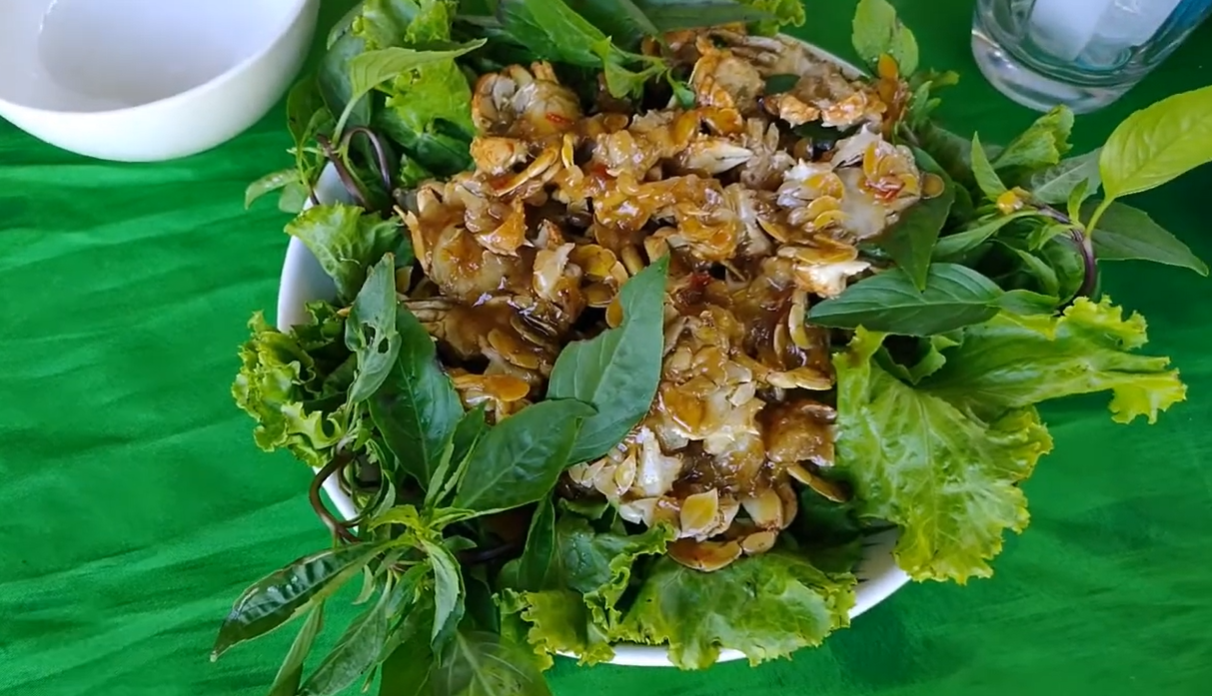
Cum cum seaweed
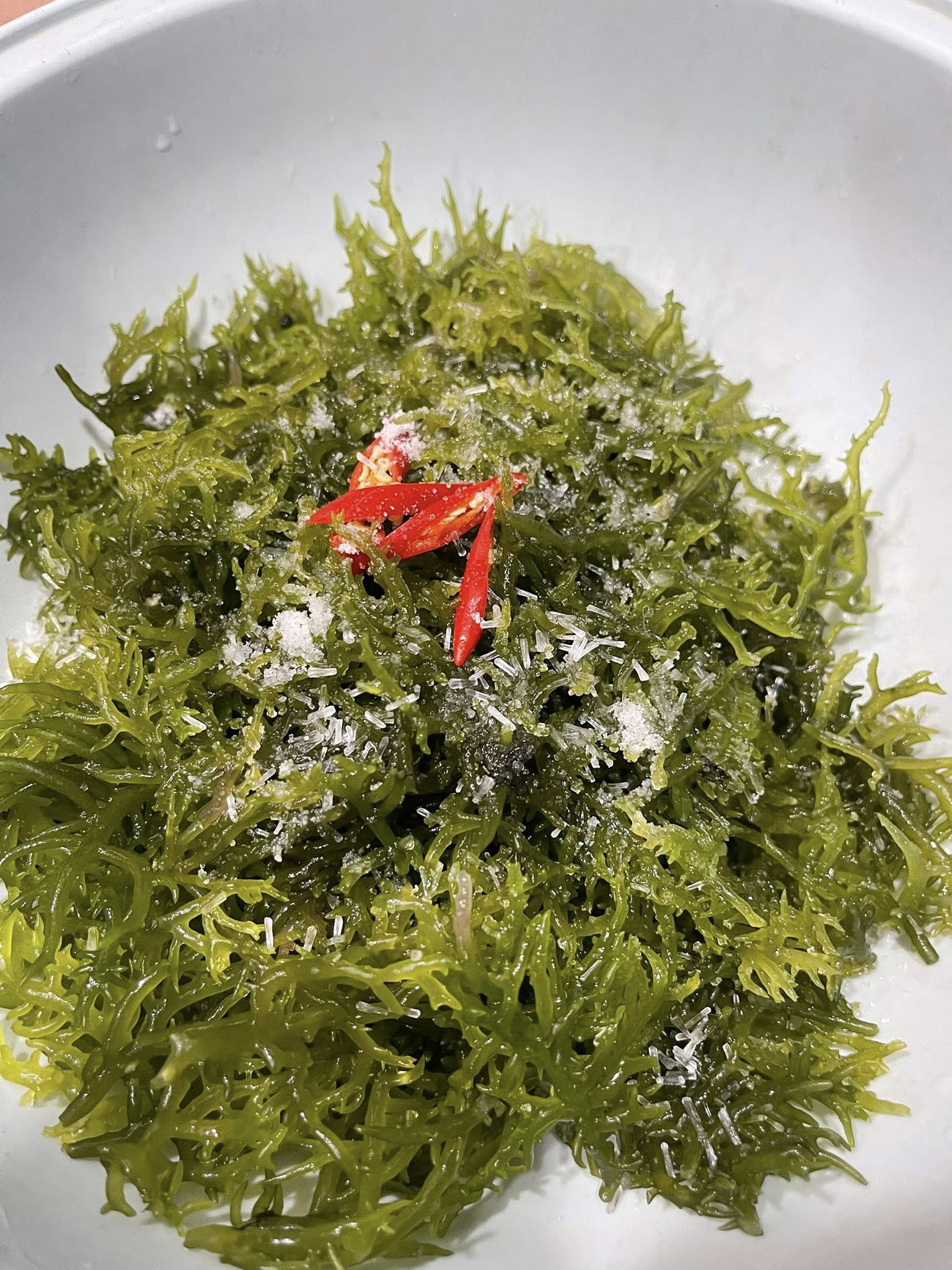
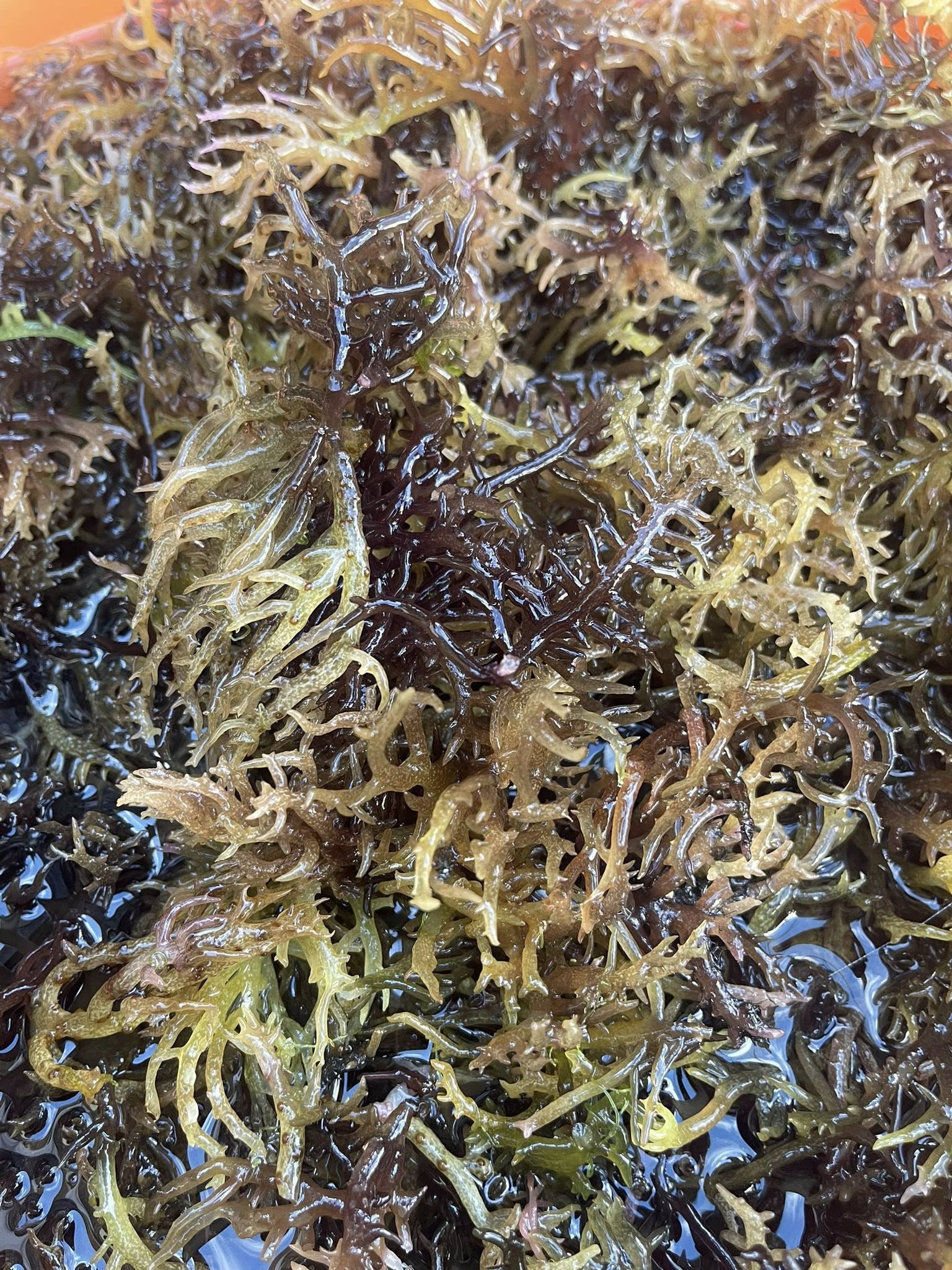
On Ly Son Island in Quang Ngai Province, one local specialty familiar to residents but still relatively unknown to tourists is called rau bong bong, or cum cum seaweed. In fact, it is a type of cartilage seaweed commonly found along Vietnam’s central coast but most abundant around Ly Son, especially near An Binh Island, also known as Be Island.
Cum cum seaweed has short round stems measuring around 10-15 centimeters, branching into coral-like clusters in colors ranging from blue and green to pink and purple. It grows in shallow waters 1-5 meters deep, clinging to rocks or hiding among coral reefs just a short distance offshore.
The seaweed is sold for around VND130,000-180,000 ($5-$7) per kilogram depending on the season.
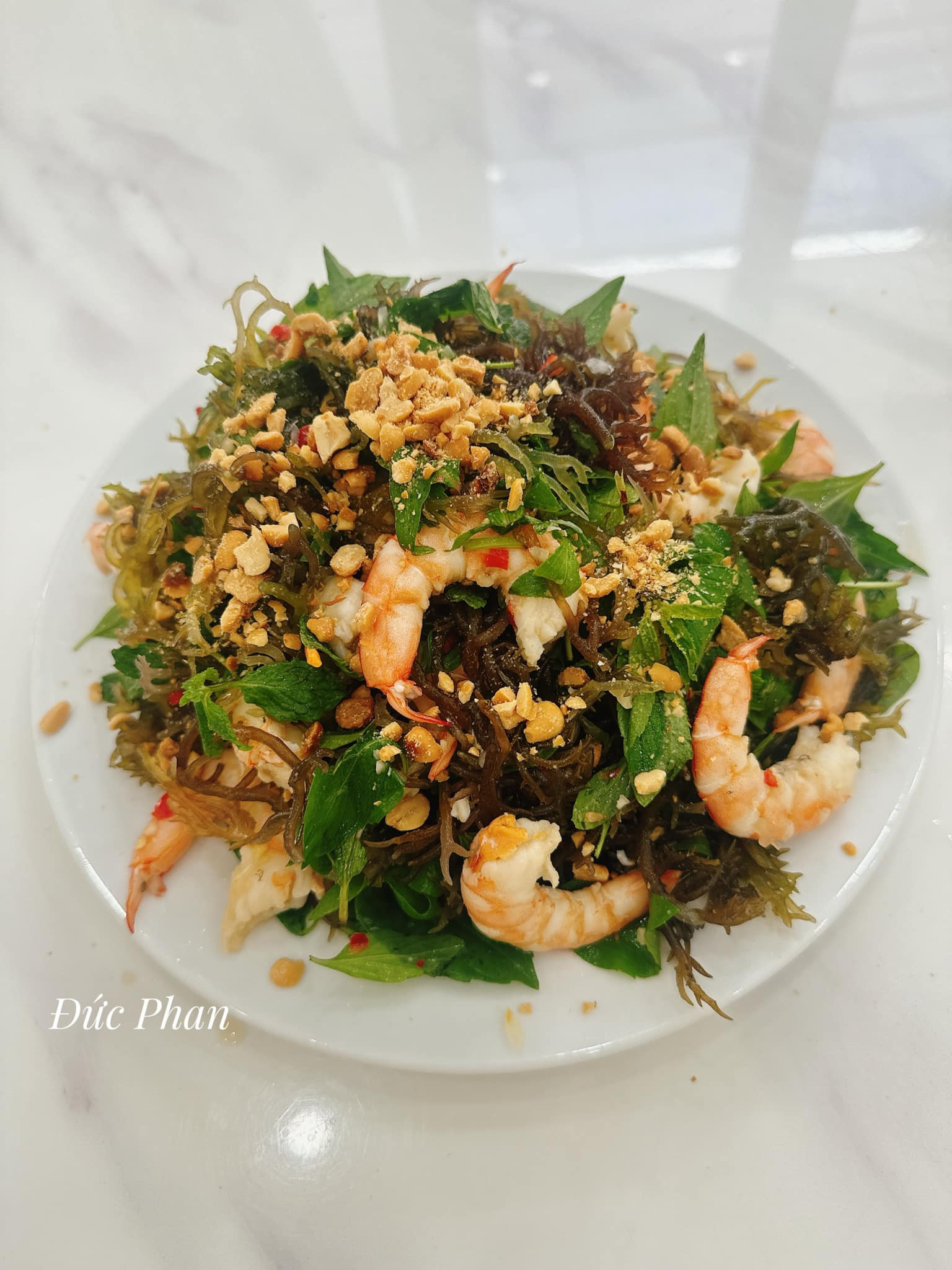
In Quang Ngai, cum cum seaweed is used to prepare a variety of dishes including salads, soups and broths, though the most popular is seaweed salad. The dish was previously named among Vietnam’s Top 100 specialty dishes for 2021-2022 by VietKings and VietTop.
After being lightly blanched and drained, the seaweed is mixed with sweet-and-sour fish sauce, herbs and crushed roasted peanuts. Diners describe the texture as crunchy, refreshing and slightly salty.
Beyond the traditional peanut version, local cooks have elevated the dish by adding fresh seafood such as squid and crab.
Cum num crab
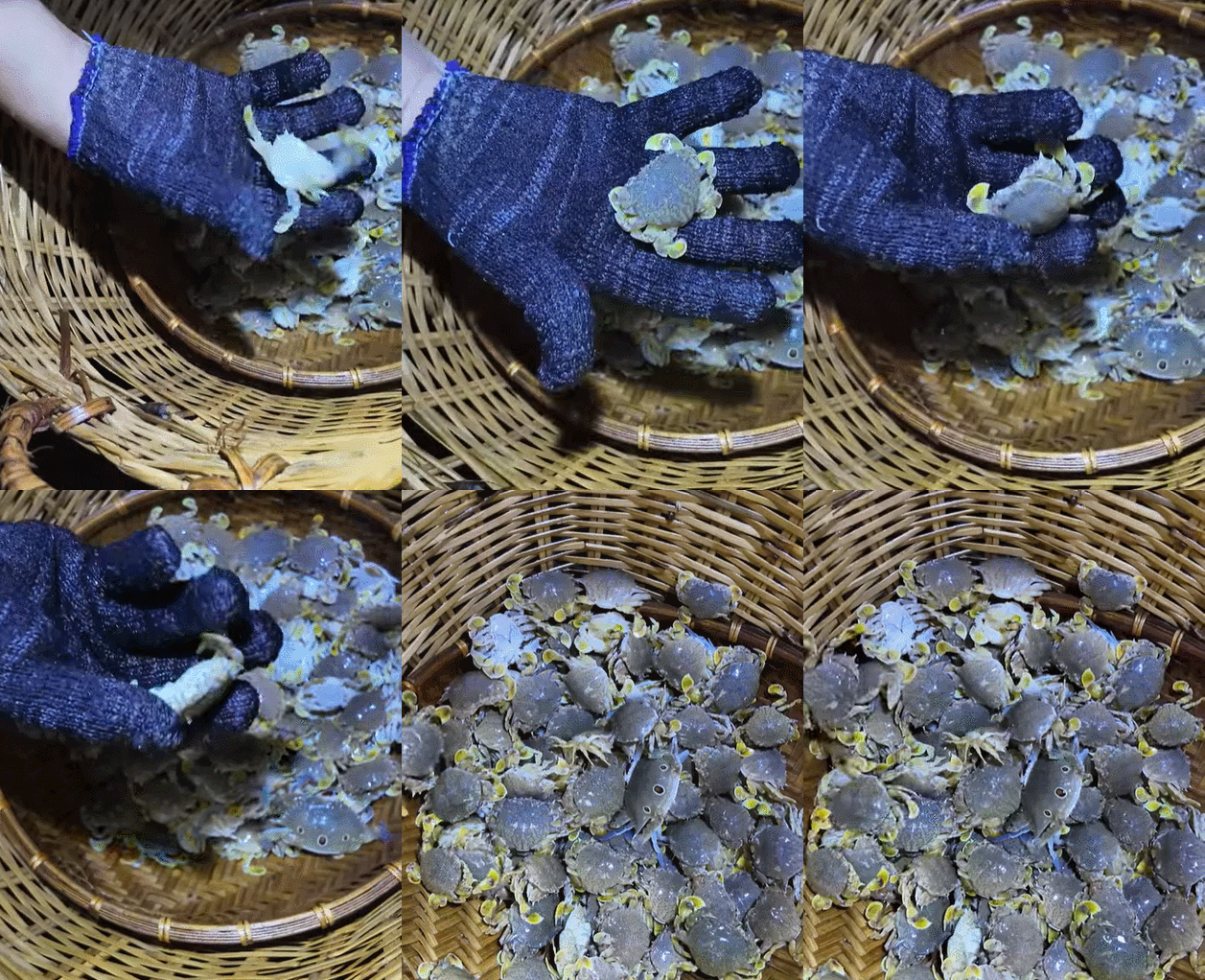
From around the seventh or eighth lunar month through the third lunar month of the following year, coastal communities in Sa Huynh, Sa Ky and Sa Can become busy catching cum num crabs.
These creatures burrow into the seabed and are often washed ashore during breeding season. They have hard shells with greenish or yellowish tones covered in tiny spots. Their undersides are milky white while the claws and legs are pale yellow.
According to local fishermen, cum num crabs resemble regular crabs and can be prepared in many ways, including steaming with lemongrass, soups or crab noodle dishes. However, the most popular preparation is tamarind stir-fried cum num crab.
The dish is considered a favorite among both locals and tourists visiting Quang Ngai.
The crab shells become crispy and crunchy, while the meat remains naturally sweet and rich with balanced salty, sour and spicy flavors.
Today, dishes made from cum num crabs can be found on the menus of several seafood restaurants and coastal eateries in Quang Ngai. Prices typically range from VND70,000-100,000 ($3-$4) per plate, enough for two to three people.
“Ghost fish”
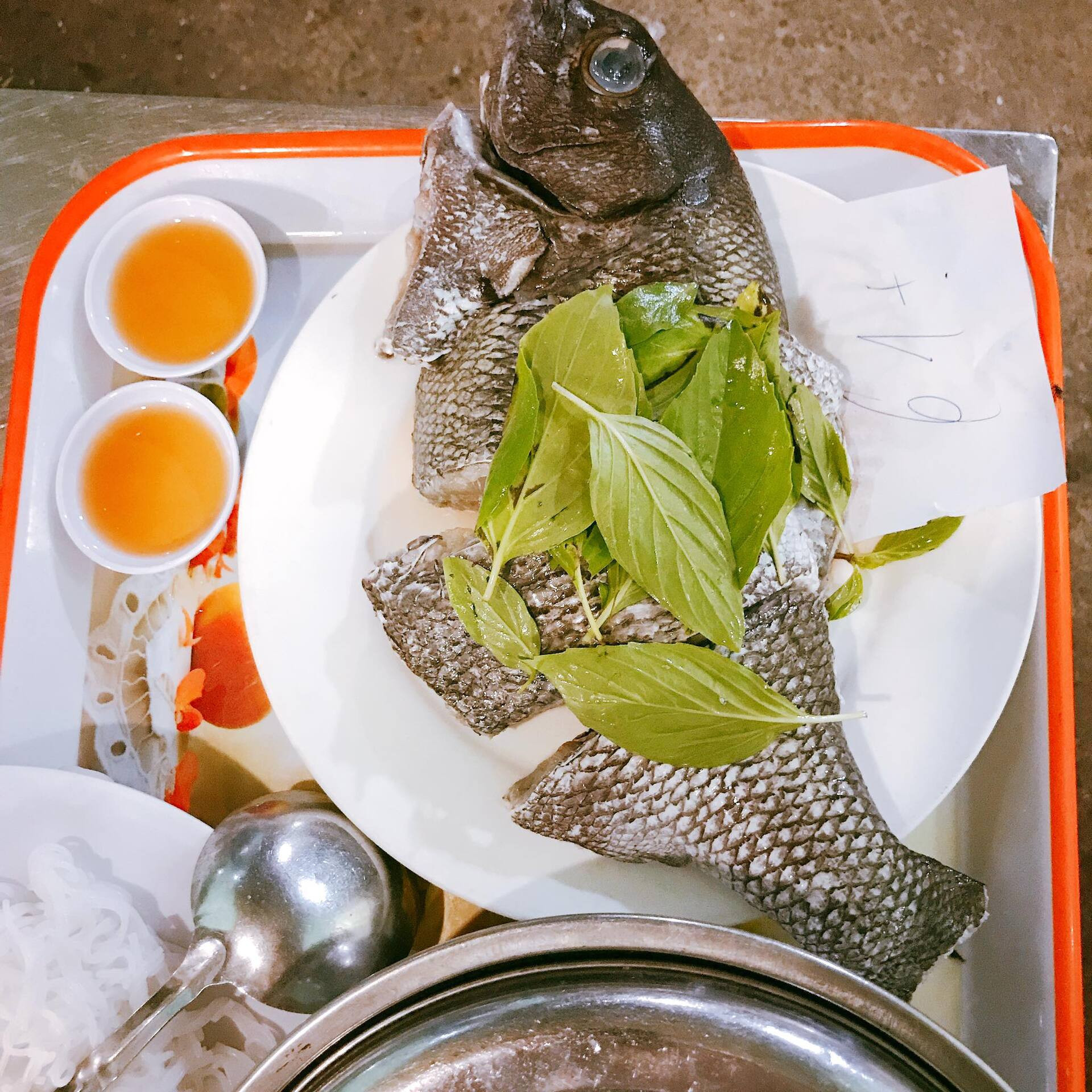
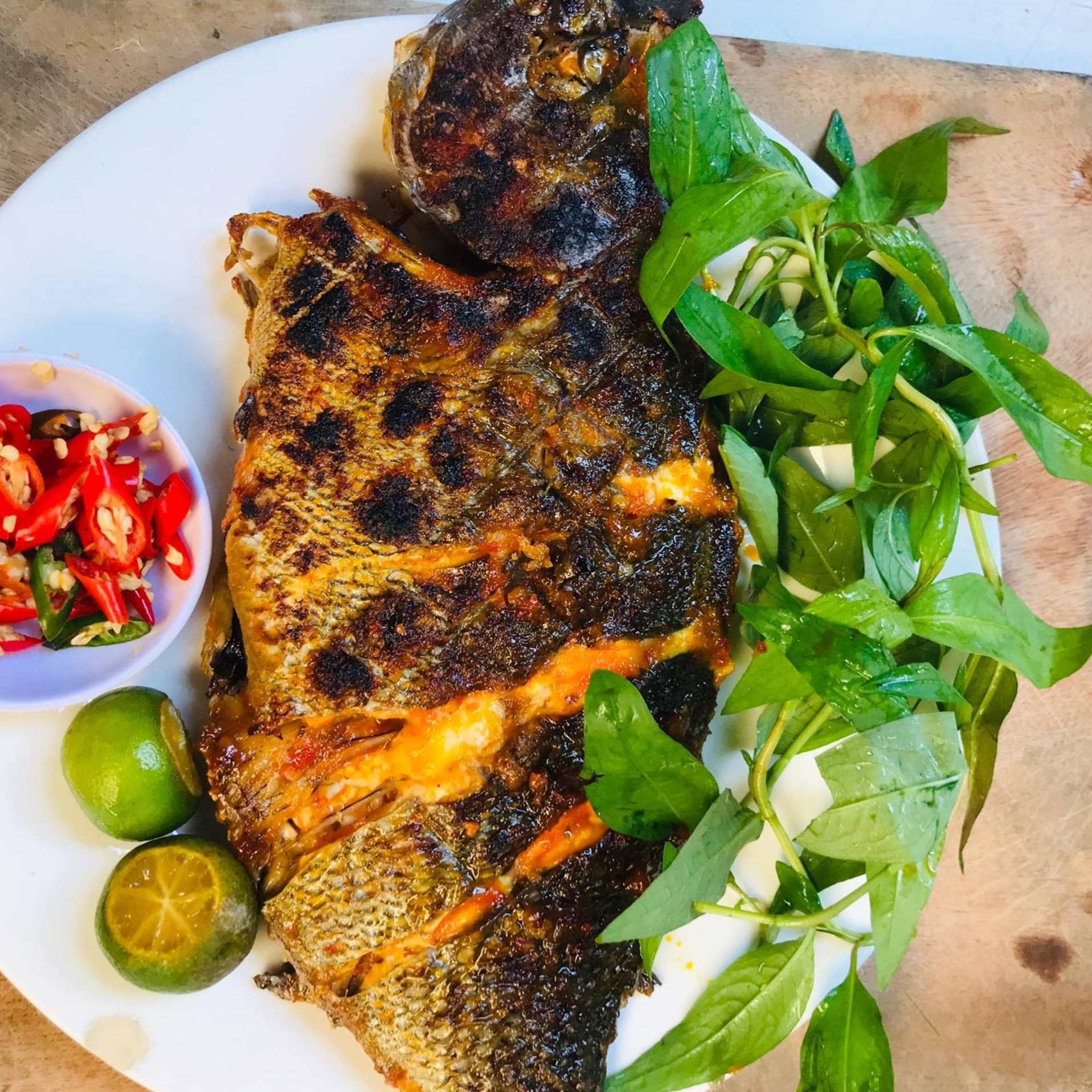
Although its name may sound intimidating, “ghost fish” is neither dangerous nor ugly. Its flesh is white, fragrant, firm and naturally sweet, making it ideal for many delicious dishes.
The fish can be found in several coastal areas of Vietnam including Quy Nhon, Nha Trang and Phu Quy Island, but it is especially common around Ly Son Island.
Ghost fish mainly inhabit rocky reefs and swim extremely fast, darting in and out of sight, making them difficult to catch. This elusive behavior is believed to be the reason local fishermen named them “ghost fish.”
The fish has a flat body and comes in both white and black varieties, with the darker type having deeper-colored scales. At first glance, they resemble freshwater tilapia, making them difficult for non-coastal residents to distinguish.
Ghost fish are commonly used in sour soup dishes.
The cooking method is relatively simple, similar to many Vietnamese fish soups, using tomatoes, tamarind, pineapple and herbs. However, locals say the soup tastes best when prepared with fresh fish featuring clear eyes and a body roughly the size of an adult hand.
The fish meat turns bright white when cooked and is often dipped in pure fish sauce. The broth is naturally sweet with a gentle sourness and no fishy smell, making it especially refreshing during summer meals.
Some local families and restaurants also prepare ghost fish soup with giang leaves.
Cooling mixed leaf salad
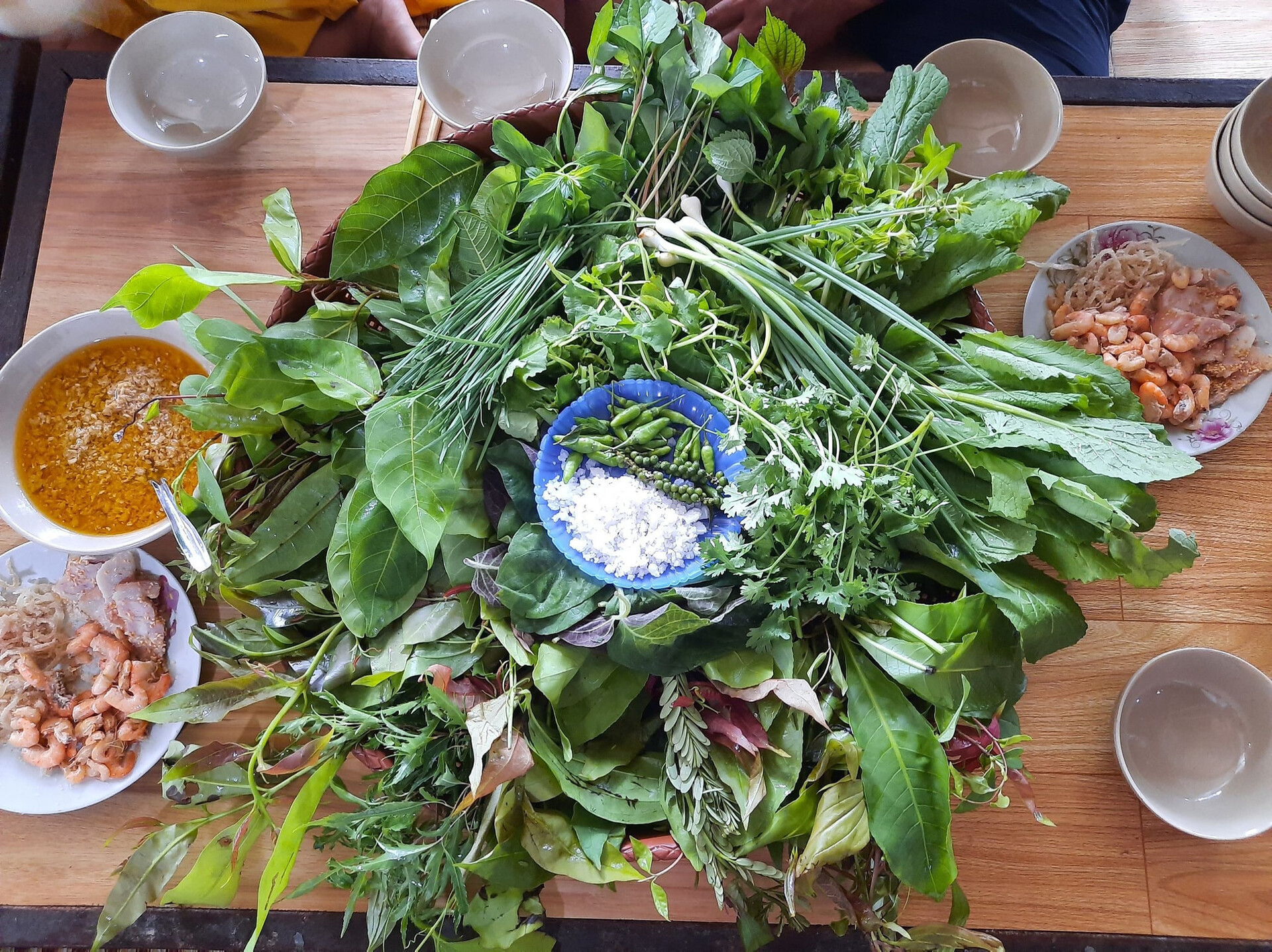
As its name suggests, this dish is made primarily from various wild and cultivated leaves, with around 30 types commonly included.
The first group consists of familiar herbs and vegetables easily grown in home gardens such as mustard greens, perilla, mint, ginseng leaves, Vietnamese balm, fig leaves, fish mint and basil.
The second group includes less common leaves such as guava, mango and star gooseberry leaves.
The final group consists of wild forest leaves from the Central Highlands, many known only to local people.
Because the dish is dominated by fresh leaves believed to help cool the body and reduce heaviness after meals, diners jokingly refer to it as a “heat-reducing” salad, especially popular during summer.
Besides the leaves, the salad is served with pork belly, dried river shrimp and shredded pork skin.
Instead of using ordinary sweet-and-sour fish sauce or soy sauce like many Vietnamese salads, authentic mixed leaf salad is paired with a unique fermented dipping sauce made from sticky rice, dried shrimp and pork belly.
The mixture is then cooked slowly with fried shallots, fermented rice, chili and spices, creating a rich and distinctive flavor.
.svg)
