 Vietnamnet.vn

 Podcast



Hung Yen’s traditional dishes are more than meals - they’re culinary narratives steeped in time and care. From intricate shellfish salads to slow-cooked carp masterpieces, they reveal the artistry and soul of rural northern Vietnam.
Linh Trang
Hung Yen is known for several labor-intensive traditional dishes - some taking 8 to 10 hours to prepare. These specialties not only captivate with their distinct names and rich taste but also leave a lasting impression on diners from far and wide.
Nem thun thut – a refreshing shellfish salad
The “thun thut” clam - more widely known as the razor clam - is a long, narrow mollusk that lives in mud and sandy shorelines. While found in coastal provinces like Quang Ninh and Ninh Binh (formerly part of Nam Dinh), Hung Yen (formerly in Thai Binh province) is especially known for its preparation of this unique seafood.
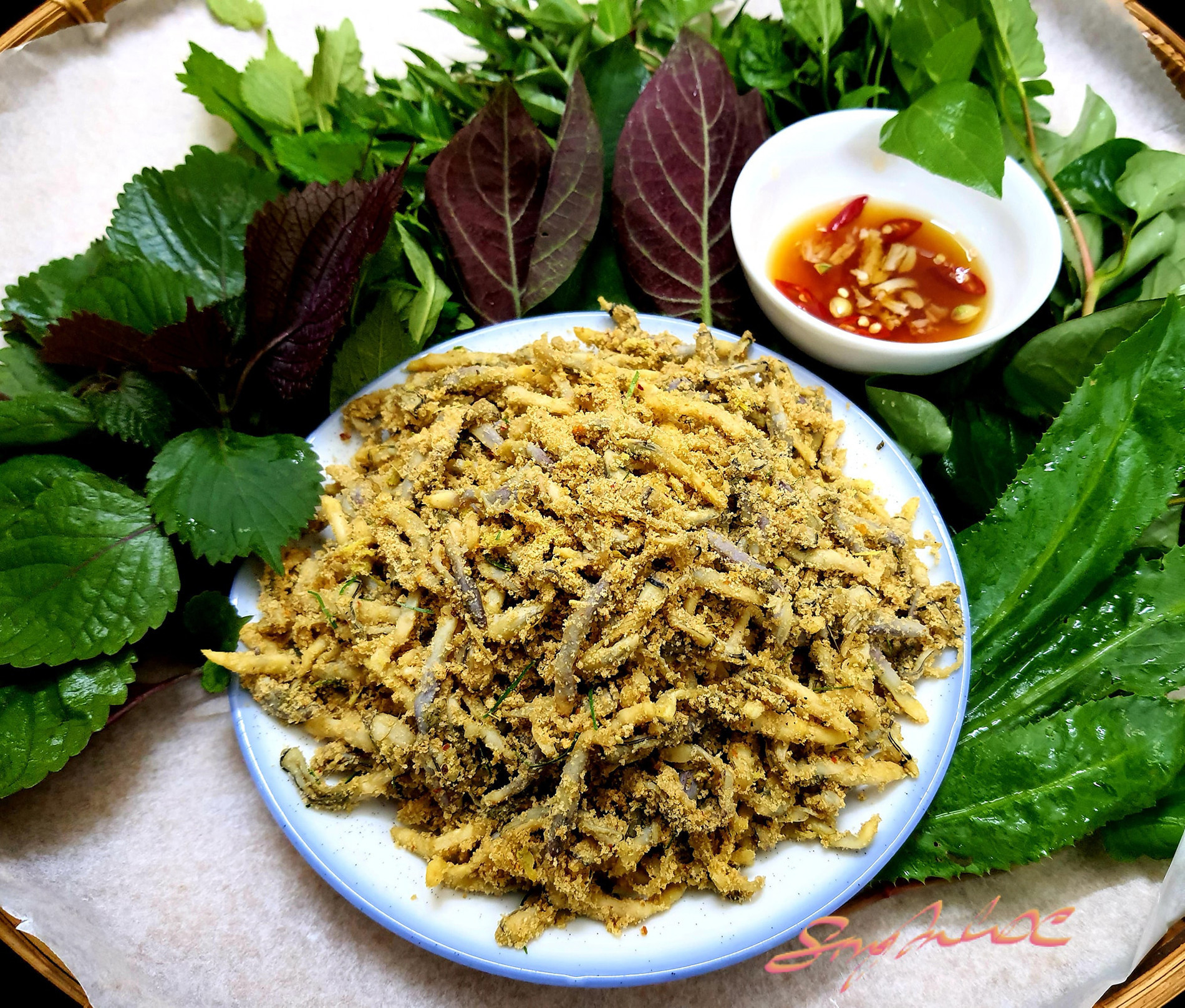
In Hung Yen, razor clams are most commonly used in a dish called nem thun thut, also referred to as goi mong tay (razor clam salad). This delicacy is a refreshing and nutritious appetizer ideal for balancing oily or heavy meals.
Preparing this dish is no small task. Cooks must first select the freshest clams, recently harvested and still alive. After multiple rinses, the clams are steamed or briefly boiled, then carefully shelled. The meat is washed again in the cooking liquid to remove any residual sand - a process repeated two to three times to ensure purity.
Once clean, the clam meat is gently squeezed to remove moisture, giving it a firmer texture. This step is crucial to help the clams retain their crunch and absorb flavor during seasoning.
The seasoned clam meat is then mixed with northern-style ingredients like toasted rice powder (thinh), minced galangal, lime leaves, sugar, fish sauce, ground pepper, and served with sweet-sour dipping sauce. Depending on preference, it can be enjoyed with aromatic herbs such as fig leaves, perilla, Vietnamese balm, and betel leaves.
As refreshing as it is, nem thun thut may not be suitable for those with sensitive digestion or shellfish allergies.
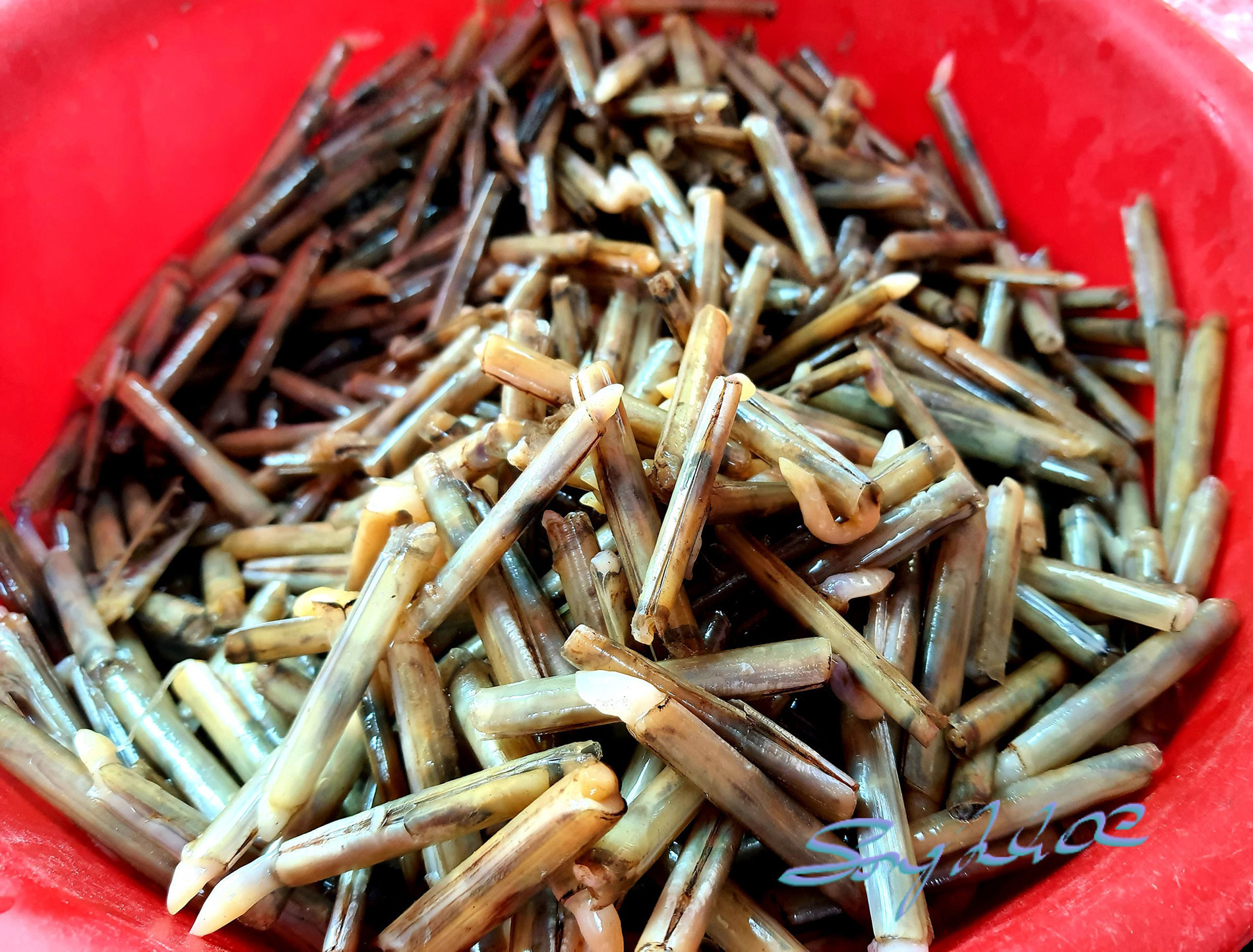
“Razor clams are around 7–8cm long and resemble fingernails, hence their name.” – Photo: Song Anh DC
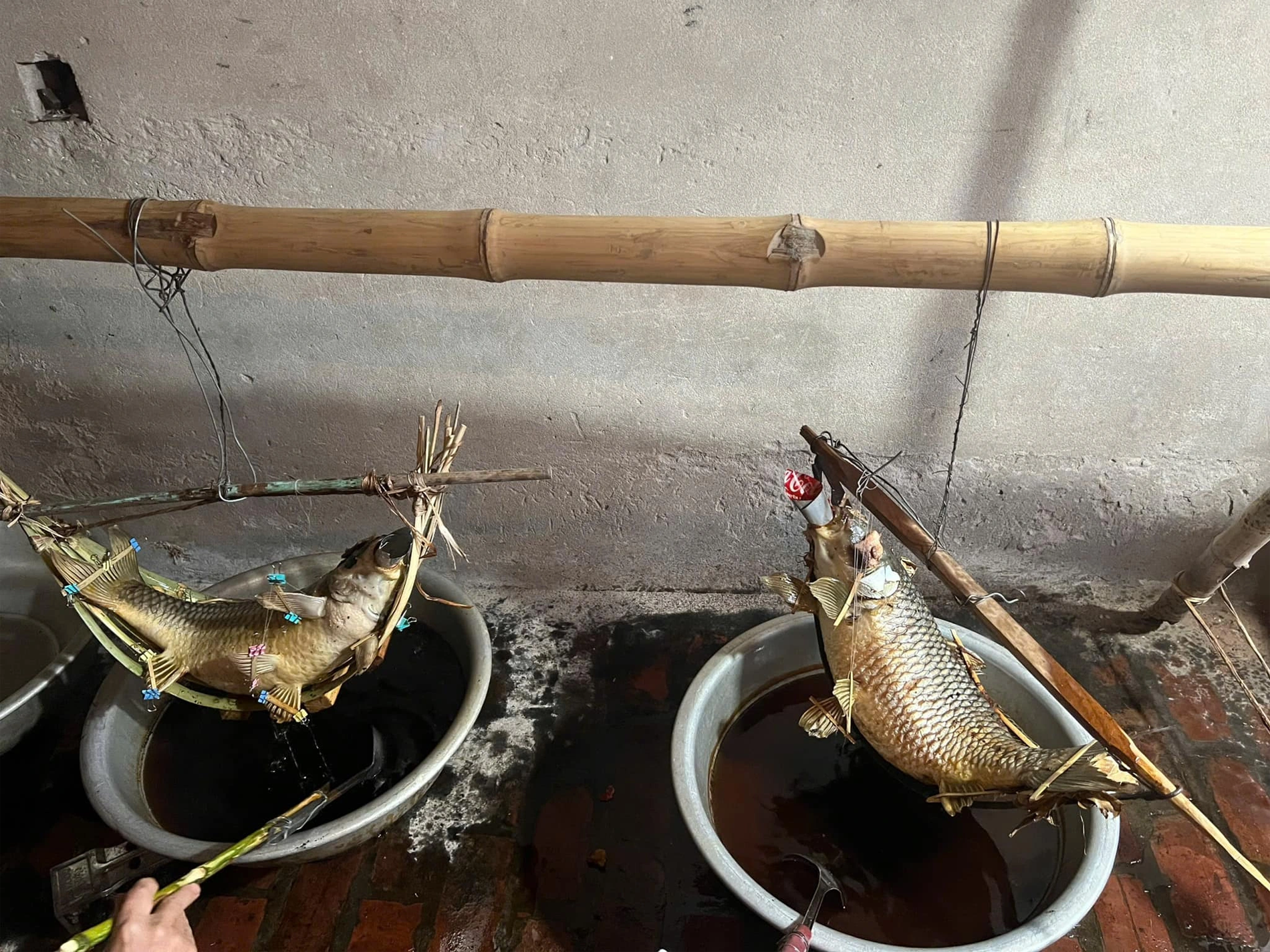
Carp in a hammock – an iconic dish of Diec village
Known locally as cá chép nằm võng (carp lying in a hammock), this spectacular dish hails from Diec village in Ngu Thien commune, Hung Yen province (formerly Tan Hoa commune, Hung Ha district, Thai Binh). It is traditionally served during the khao lao ceremony - a celebration of elders held on the third day of the Lunar New Year.
During this occasion, households prepare an elaborate tiered banquet, where the “hammock carp” holds the place of honor.
What sets this dish apart is its name and cooking method.
Villagers select large, fresh carp weighing at least 2.5 to 3 kilograms, ensuring the fish is intact, unblemished, and with full scales and tail. The fish is left in clean water for one to two days to purge any impurities.
When it’s time to clean the fish, the innards are removed and dry banana leaves are stuffed inside the cavity before being stitched closed. The goal is to preserve the fish’s whole form, which is central to both the presentation and the taste.
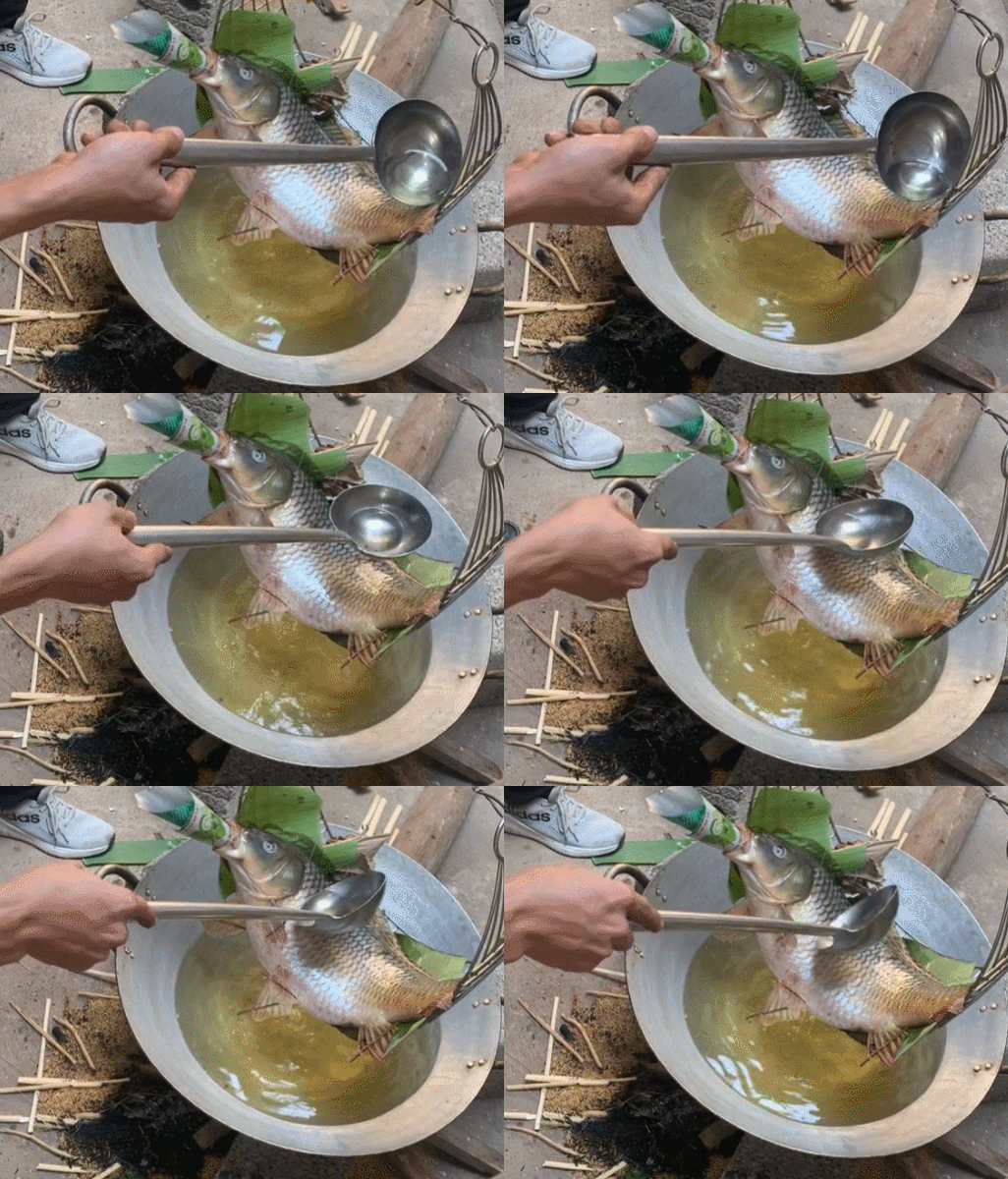
The fish is then mounted on a handmade “hammock” frame made of iron or bamboo and suspended over a cauldron of boiling oil or lard. For the next 8 to 10 hours - or more, depending on size - hot oil is continuously ladled over the fish to cook it evenly and create a golden, crispy exterior.
The result: a stunning, whole golden carp served upright, still retaining its lifelike form, ready to be the centerpiece of a ceremonial feast.
Canh ca ro – countryside fish soup with a twist
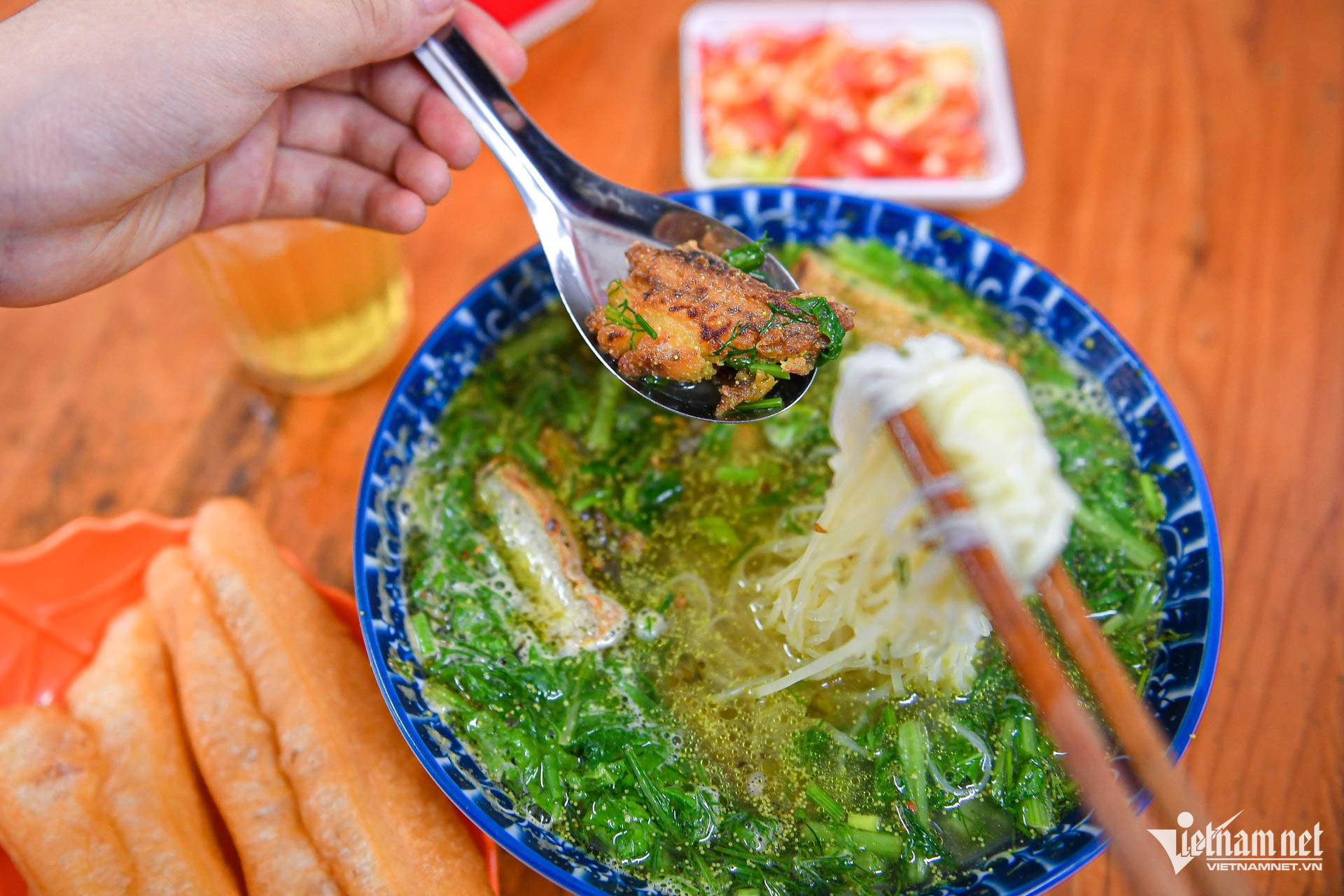
At first glance, this dish may resemble common fish noodle soups like bun ca or banh da ca, but locals insist on calling it canh cá - fish soup. While traditionally made with wild ro fish (a type of perch), farmed varieties are now more common.
To prepare, cooks choose fish about the size of three fingers for optimal firmness. After cleaning and lightly boiling, the fish is separated into bones and meat. The meat is marinated in turmeric, ginger, fish sauce, salt, and pepper for 15–20 minutes.
It is then pan-seared to crisp the exterior while keeping the inside tender. High heat is used at first to seal the surface, then lowered to maintain juiciness.
The broth, made from fish bones alone, is simmered gently for 10–12 hours. No pork or chicken stock is added. The low, steady heat ensures a clear, fragrant broth.
The dish is completed with local herbs like la mo (a slightly bitter green), dill, scallions, and various fresh leaves.
A variation called canh ca Quynh Coi, from Quynh Phu district in the former Thai Binh province, takes this dish a step further.
In that version, the fish meat is simmered again in low heat until it absorbs a golden hue and rich flavor. The head and scraps are minced with pork shoulder, shallots, fresh herbs, pepper, and seasoning, then shaped into patties and fried to create savory fish cakes.
.svg)
