 Vietnamnet.vn

 Podcast



Encounters that changed a life
In Ho Chi Minh City, Maison Chance is widely known for its humanitarian work supporting people with disabilities, orphans and others facing difficult circumstances.
Few might imagine that the organization was founded by a Swiss woman named Aline Rebeaud after a trip to Vietnam more than three decades ago.
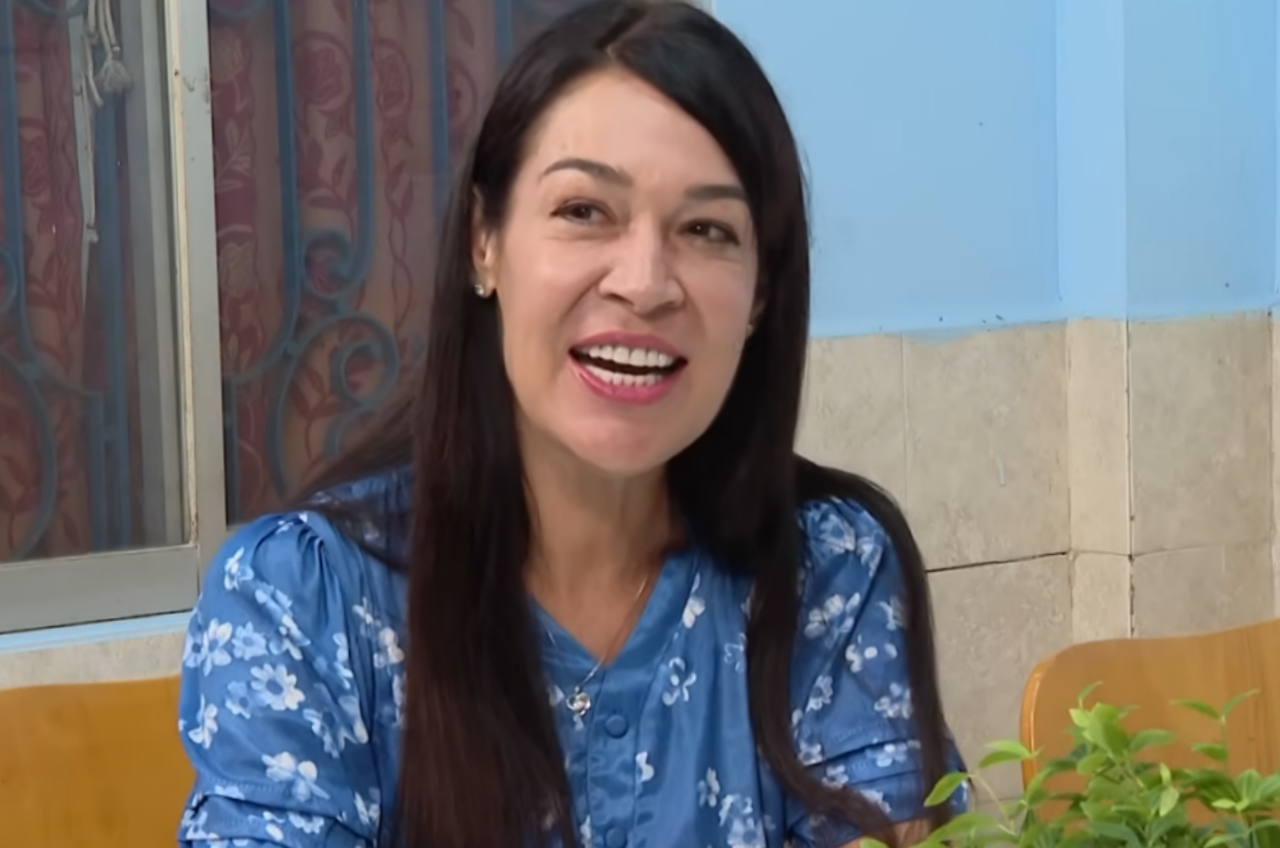
Appearing on episode 296 of the television program Go cua tham nha, Rebeaud shared the story of how she came to Vietnam and the journey of compassion that followed.
Born in Switzerland in 1972, Rebeaud showed a talent and passion for painting from an early age. At 16, she held her first exhibition of oil paintings.
Three years later, she staged a second exhibition. The money she earned from selling her paintings allowed her to fulfill a long-held dream of exploring the world.
At 19, she set off overland from her native Switzerland, traveling, painting and discovering the world along the way.
After a year on the road, Rebeaud arrived in Vietnam.
“I have a special connection with Vietnam. When I arrived here, I felt as though I had come home,” she recalled. “It was also here that I had a series of encounters that eventually led to Maison Chance as it exists today.”
One day in 1993, she happened to meet a boy living on the streets with no family to care for him.
Moved by his circumstances, she tried to help. She arranged for him to stay at a center for orphans, but he later ran away.
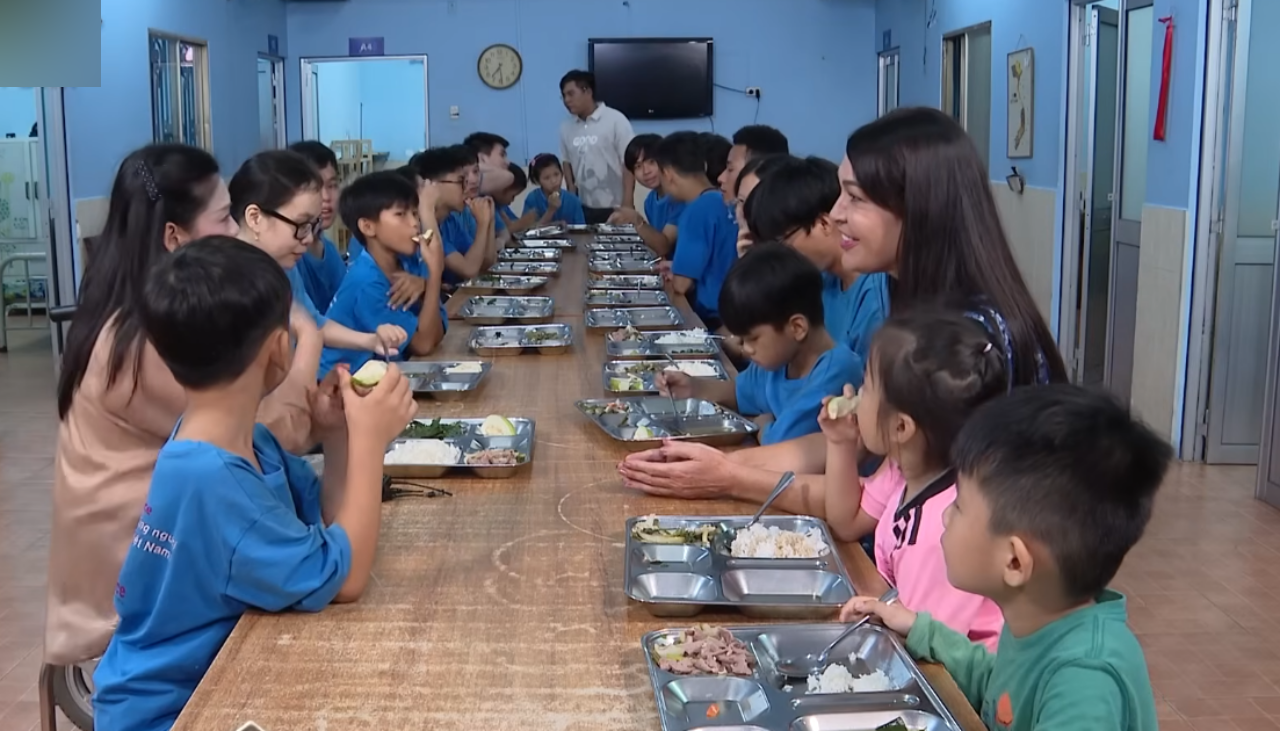
Rebeaud continued visiting social welfare facilities around the city. At one of them, she met a seriously ill teenage boy.
When she asked about him, people at the center told her that his condition was so severe that he was unlikely to survive.
Rebeaud contacted the center's management and asked to take responsibility for him. After receiving permission, she took the teenager to a heart hospital for treatment and stayed there to care for him for three months.
“Then a miracle happened. His health improved, he gradually recovered and was discharged from hospital. At that point, I faced another question: Where could I take him? In the end, I rented a house so I could care for him properly. Then I thought, why shouldn't I help more children in similar circumstances?
So I volunteered to take responsibility for food, accommodation and healthcare for orphans, abandoned children, street children and people with disabilities. Those were the first steps toward creating Maison Chance,” she said.
Choosing not to marry
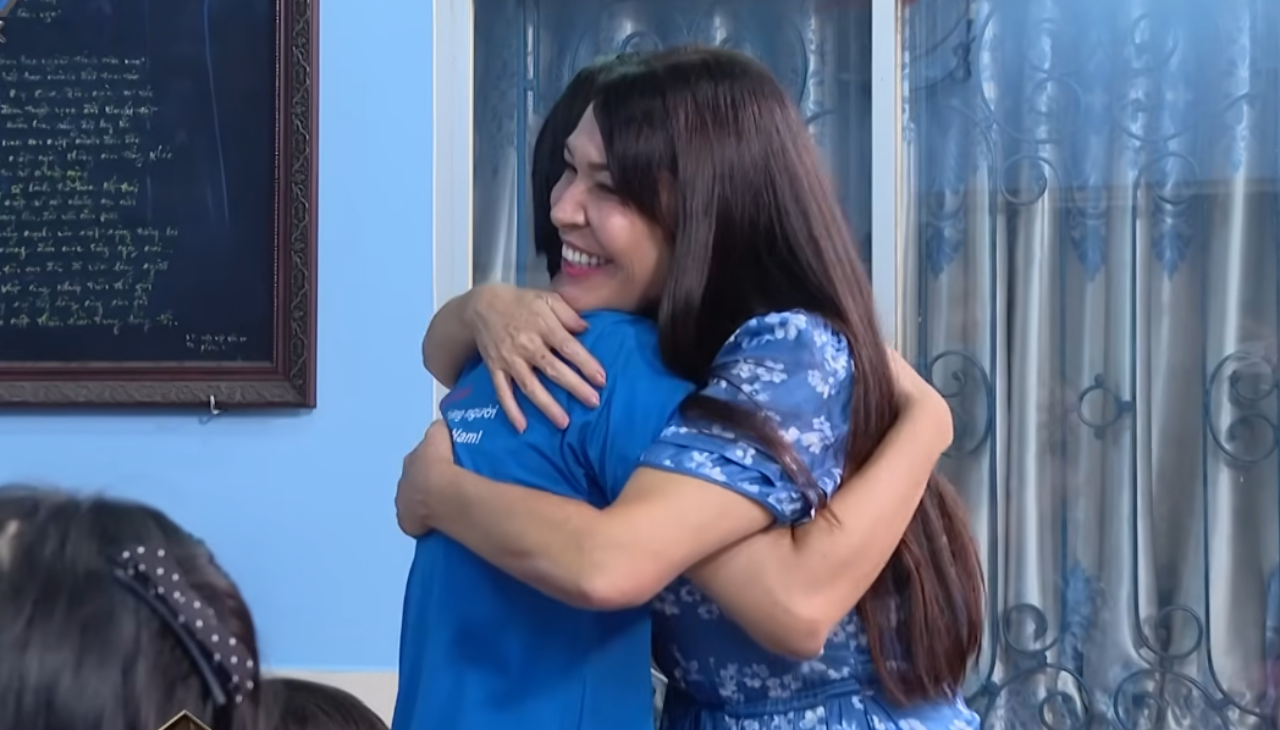
The early years of Maison Chance brought many difficulties.
To formalize her humanitarian work, Rebeaud worked hard to learn Vietnamese as quickly as possible so she could write applications herself and complete the paperwork and procedures required to establish the shelter.
She also decided to apply for Vietnamese citizenship.
Today, she holds both Swiss and Vietnamese citizenship and is known by two names: Aline Rebeaud and her Vietnamese name, Hoang Nu Ngoc Tim.
After years of effort, Maison Chance was officially recognized by the Vietnamese government in 1998 as a foreign non-governmental organization operating in Vietnam.
Once she had secured food and accommodation for the children in her care, Rebeaud realized that many of them could not read or write. She decided to open classes to provide them with a basic education.
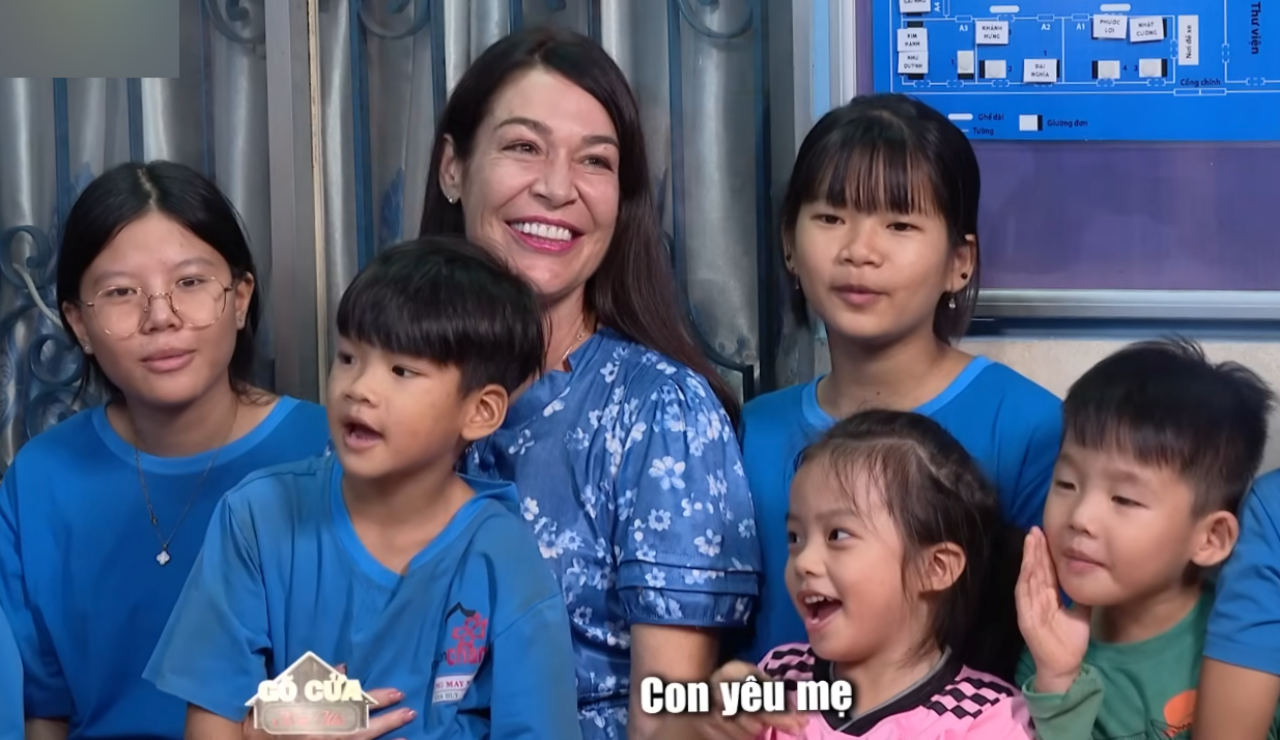
For people with disabilities who faced significant barriers to vocational training elsewhere, she sought out skills they could learn and use, establishing classes in sewing, painting and computing.
As the original shelter became increasingly cramped, Rebeaud bought land and established a larger education and training center.
In 2005, she founded the Take Wing Center, where children from disadvantaged backgrounds receive free education and meals.
She later established Maison Chance Village.
Fifteen years ago, she built another center covering three hectares in the former Dak Nong Province.
Beyond Vietnam, she also established Maison Chance branches in Switzerland, France, Belgium, Canada, the United States and Australia.
At the end of the program, Rebeaud reflected on the life she had chosen.
“My humanitarian journey has had its difficulties, but I have never thought about giving up. I see those difficulties as lessons that have taught me patience,” she said. “I never married and never had children of my own, so I consider Maison Chance my family. I may not have biological children, but in return, I have so many adopted children. Here, I am able to live happily, surrounded by the love my children give me.”
Ha Nguyen
.svg)
