 Vietnamnet.vn

 Podcast



Ha Nguyen
Preserving a 119-year-old ancestral house, every Lunar New Year (Tet) the family of Tran Thanh Xuan becomes busy cleaning and decorating to welcome relatives from near and far to celebrate the Tet together.
A 119-year-old house
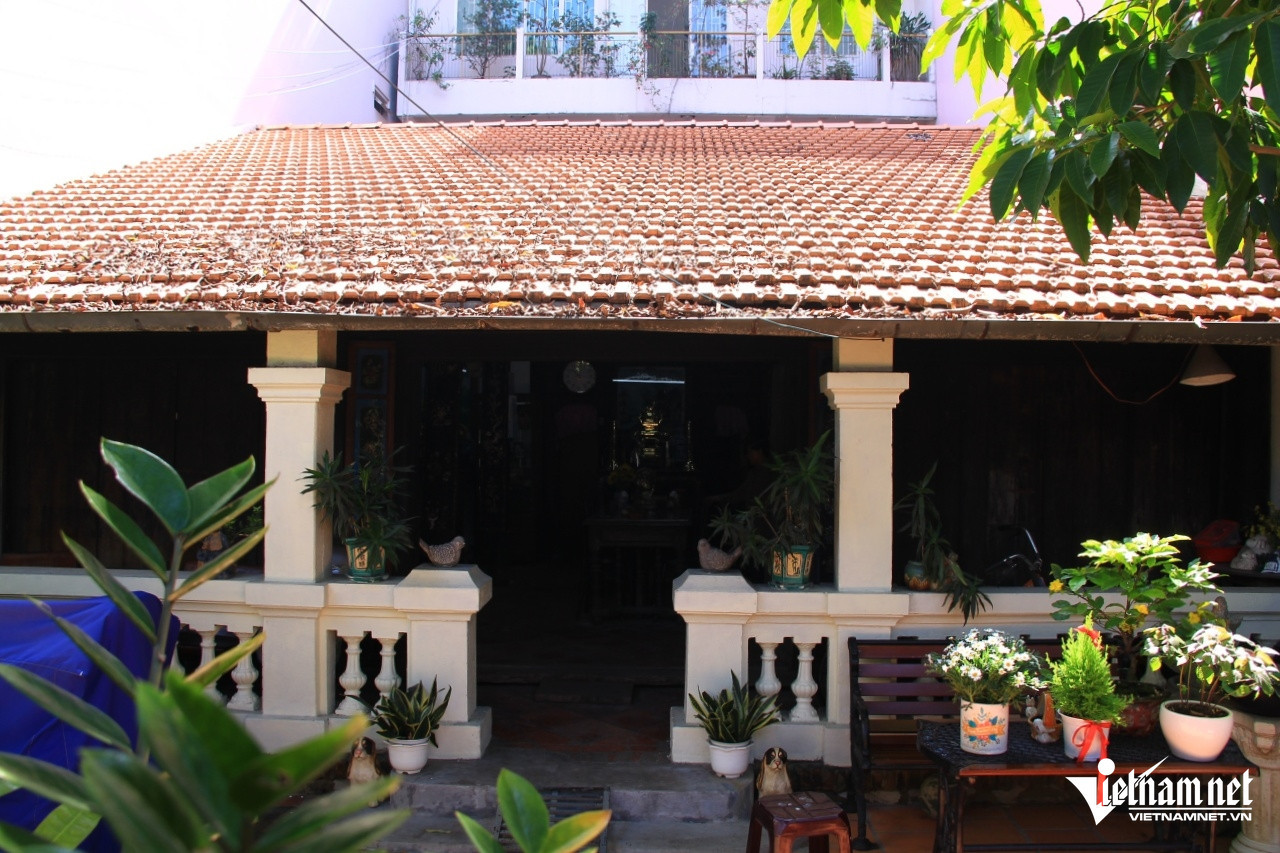
On Nguyen Thai Son Street in Hanh Thong Ward, Ho Chi Minh City, a charming old house sits quietly amid rows of modern townhouses. The house is cared for and managed by Tran Thanh Xuan, 73.
According to Xuan, the house dates back to his great-grandfather, Tran Van Bang, who was once known as a wealthy landowner in the old Go Vap area.
Around 1907, after the birth of his seventh child, Bang commissioned the construction of the wooden house in the traditional Southern ruong architectural style to accommodate his extended family.
The house features multiple rows of columns. The first row, known as the main pillars, frames the principal ancestral altar space. The second row holds a set of wooden furniture for receiving guests. The third and fourth rows form the veranda structure.
Three main doors, assembled from precious timber panels, open to the front. The roof was originally covered with yin-yang tiles, later replaced with modern tiles due to deterioration.
While the earthen walls have been rebuilt in brick and some roof trusses replaced with steel beams, the original brick flooring from the early days remains intact. Much of the wooden frame and interior arrangement has been preserved as it was in the time of Xuan’s ancestors.
Two intricately carved wooden altars stand at the center of the house. Four mother-of-pearl inlaid parallel sentence panels, more than a century old, hang along the central columns. Glass paintings embedded in decorative wooden frames still retain their aged glow.
“After 2000, I took on the responsibility of caring for and preserving the ancestral house,” Xuan said. “Every day, besides cleaning, I pay attention to the smallest changes. Relatives also care deeply about it. Whenever repairs are needed, everyone contributes.”
Tet in the old way
From the 27th day of the last lunar month, members of the extended family gather to thoroughly clean the ancestral house.
Walls, roof tiles, wooden columns and altars are dusted and polished. Potted Tet flowers such as apricot blossoms, peach blossoms and chrysanthemums are arranged in the courtyard, along corridors and inside the house.
On the 28th day of the lunar month, traditional dishes including braised pork with eggs and pork skin rolls are prepared for the ancestral offerings.
By the morning of the 29th, large ceramic vases are filled with fresh flowers, fruit trays are arranged, and festive decorations such as red couplets and gold ornaments are hung throughout the house.
Tran Thanh Loc, born in 1991 and Xuan’s youngest son, shared that the family tradition is to place three vases of red gladiolus on the main altars, symbolizing luck and prosperity. Smaller altars are decorated with chrysanthemums, marigolds and orchids.
Also on the 29th, the family carefully installs antique altar cloths, which Xuan calls tien ban, across the three main altars. These intricately patterned fabrics date back to his grandparents’ time. For more than a century, generations have preserved them with great care, bringing them out only during Tet to adorn the principal altars.
In the past, the house also had a ceremonial curtain and a horizontal lacquered board above the altar, but these have deteriorated beyond restoration. The remaining heirloom fabrics are therefore treasured as family relics.
Because the house serves as the clan’s ancestral hall, every family member returns during Tet to burn incense and pay respects, filling the space with warmth and lively conversation.
On New Year’s Eve, the extended family gathers together, sharing simple yet heartfelt wishes for peace and good fortune in the coming year.
On the first day of Tet, after the midnight offering ritual, Loc often represents the family in visiting a pagoda. Later, everyone exchanges New Year greetings and holds a celebratory feast. Elders offer blessings, while children receive lucky money in red envelopes.
Throughout the holiday, the ancestral house welcomes a steady stream of relatives coming to pay homage. The joyful atmosphere lingers until the end of Tet, keeping the 119-year-old house alive not only with history, but with generations of affection and continuity.
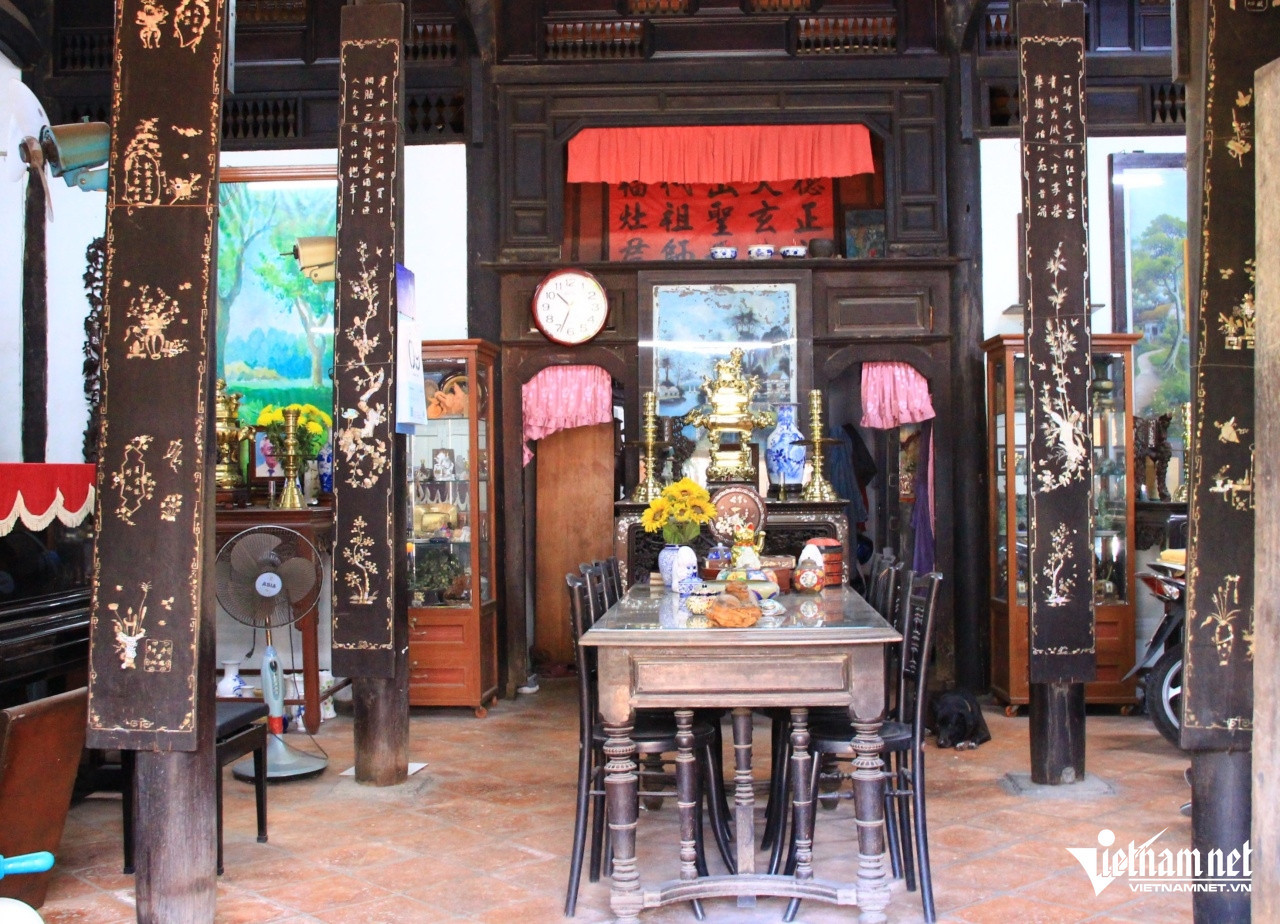
The wooden frame and original brick flooring have been preserved for over a century. Photo: Ha Nguyen.
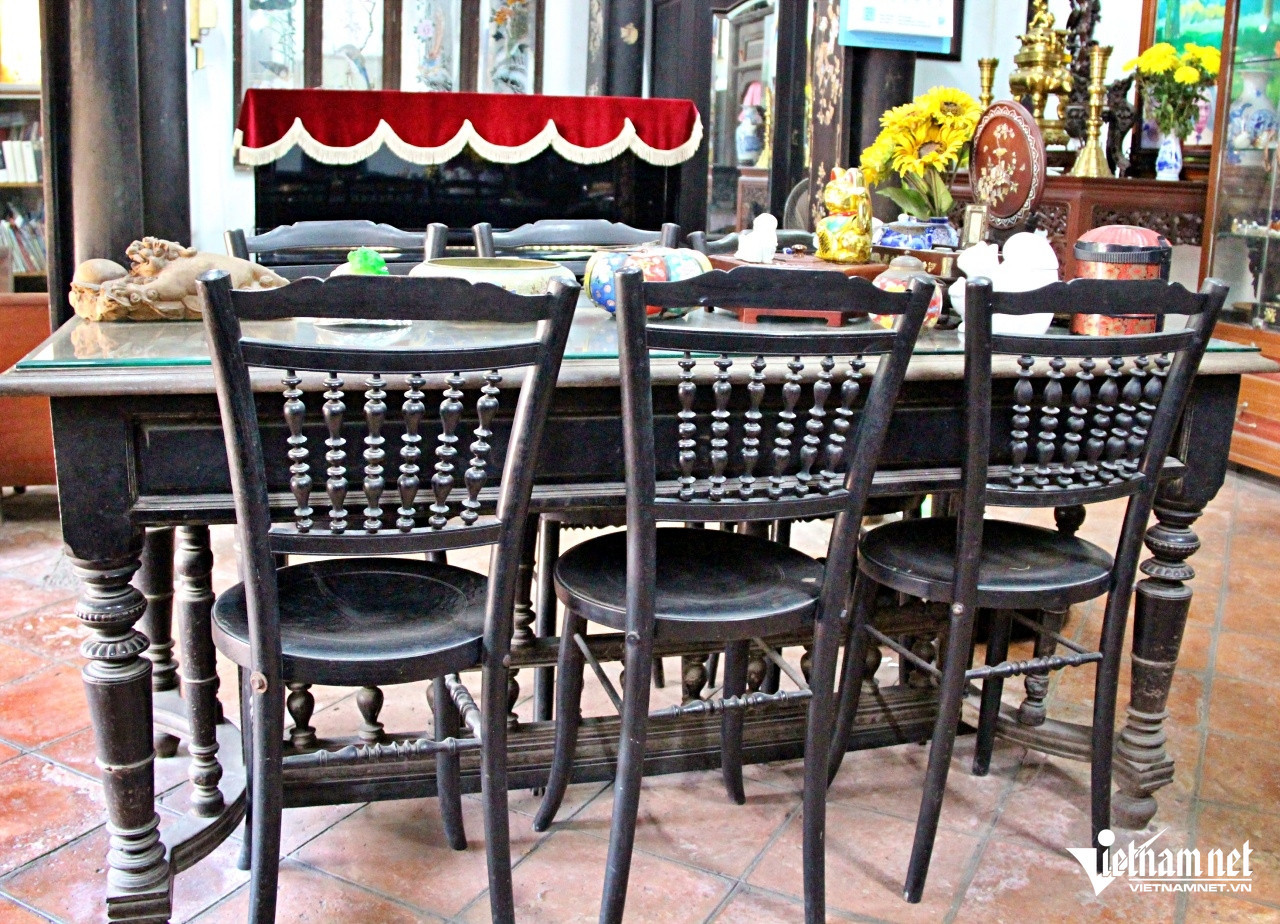
Century-old artifacts are carefully maintained by Tran Thanh Xuan’s family. Photo: Ha Nguyen.
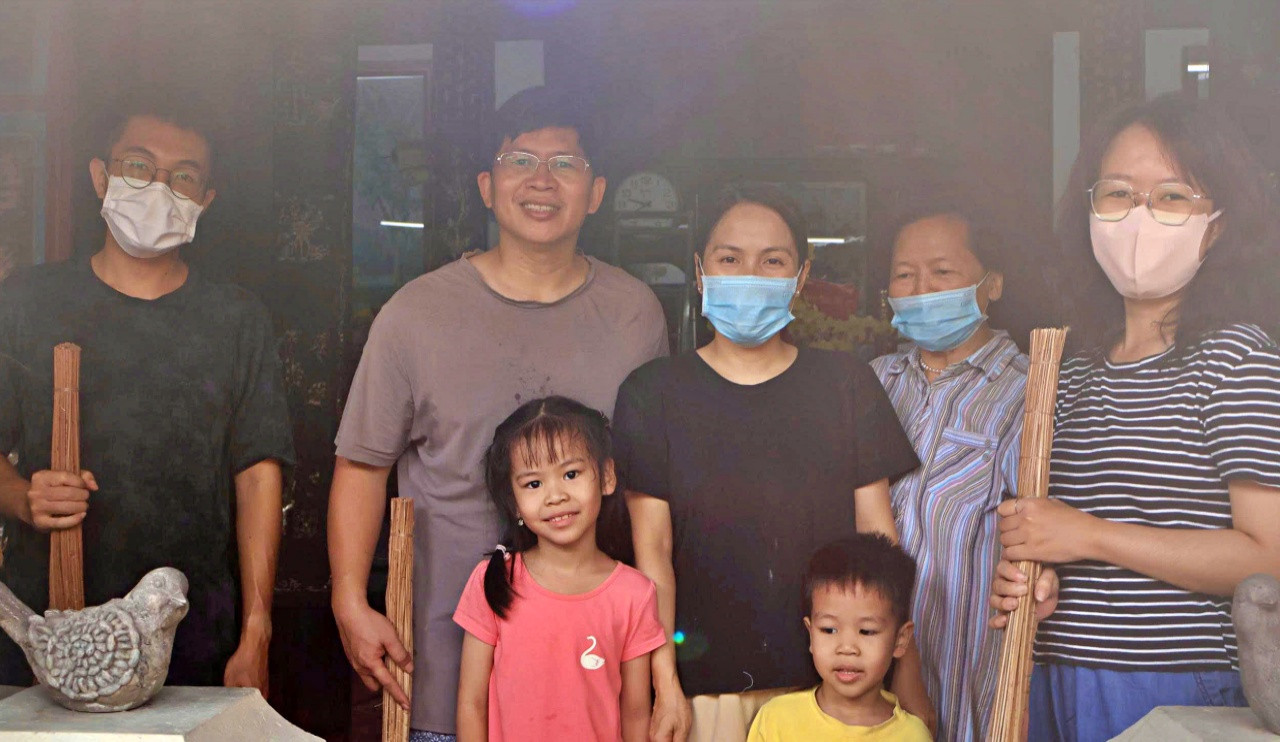
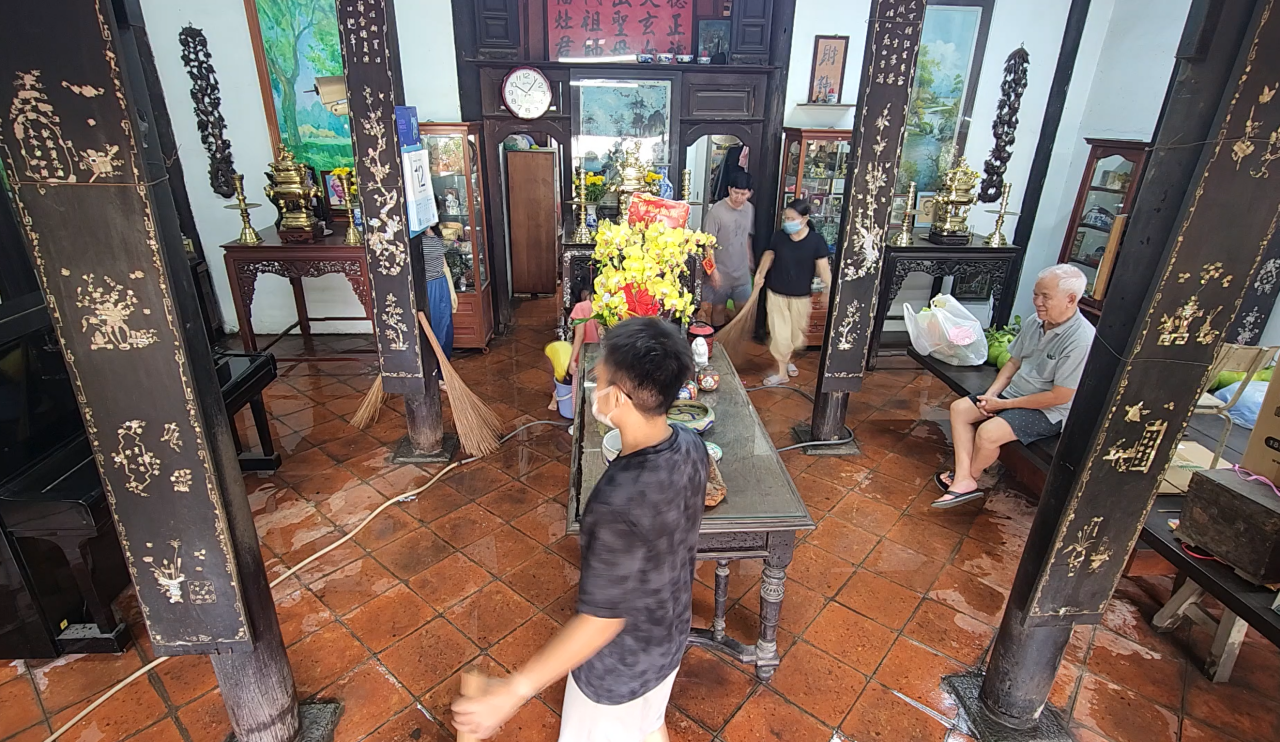
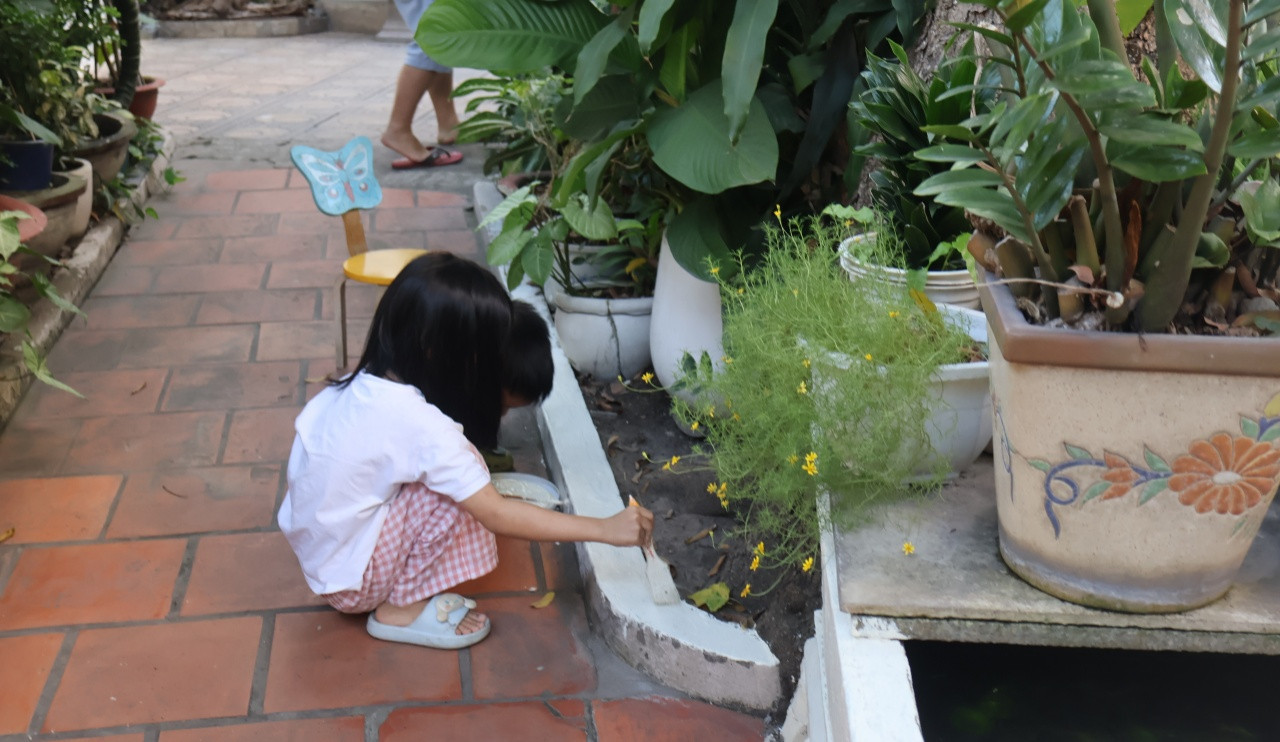
Family members gather from the 27th day of the lunar month to clean and decorate the ancestral house for Tet. Photo: Provided by the family.
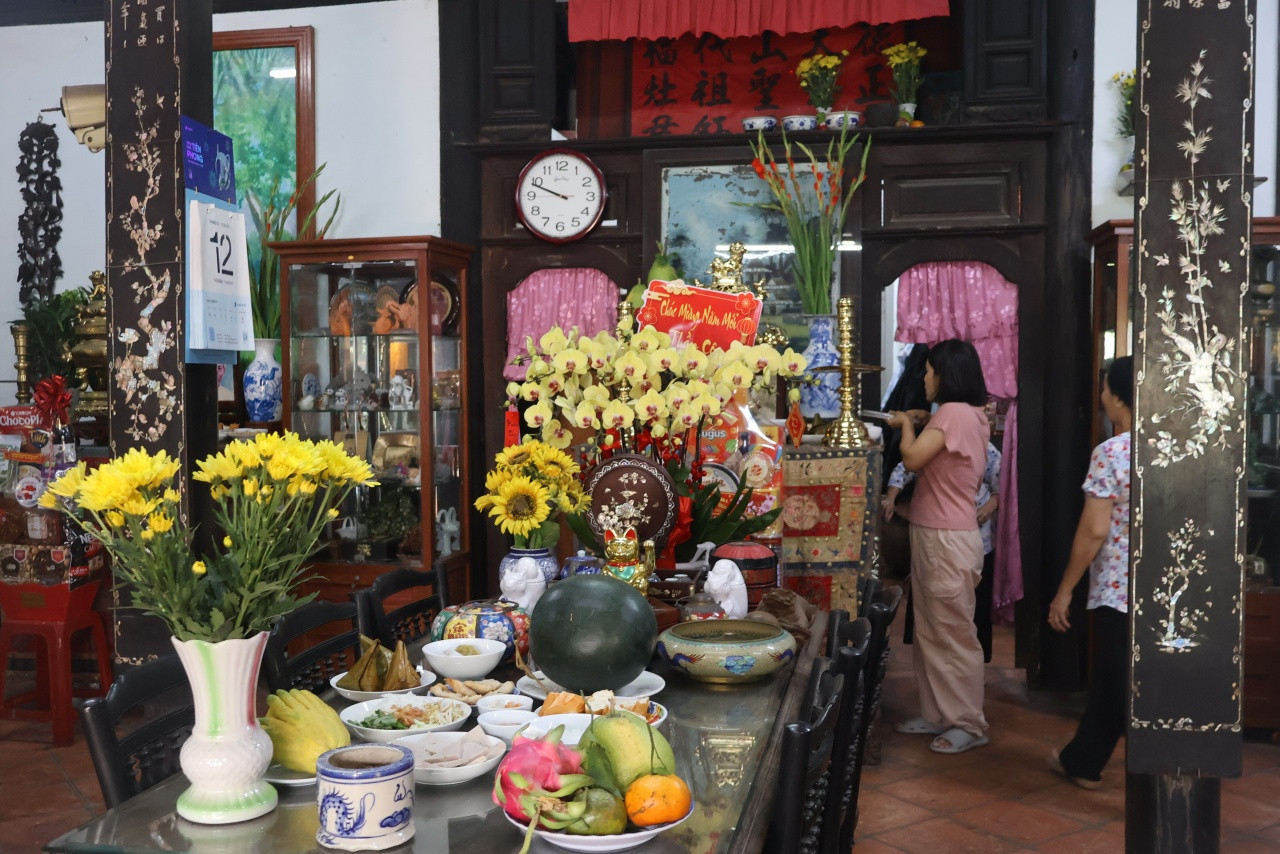
Red gladiolus vases are traditionally placed on the main altars to symbolize luck and prosperity. Photo: Provided by the family.
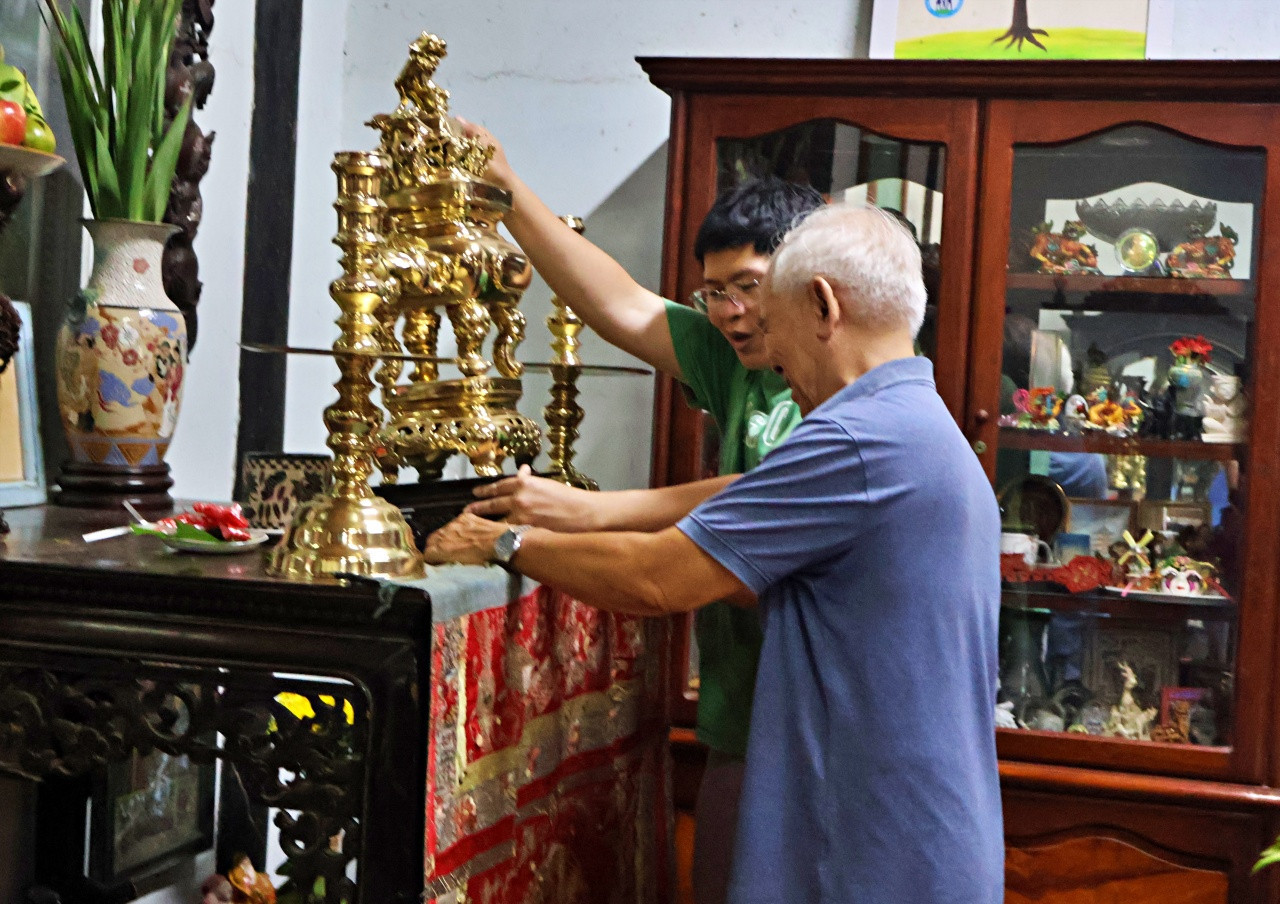
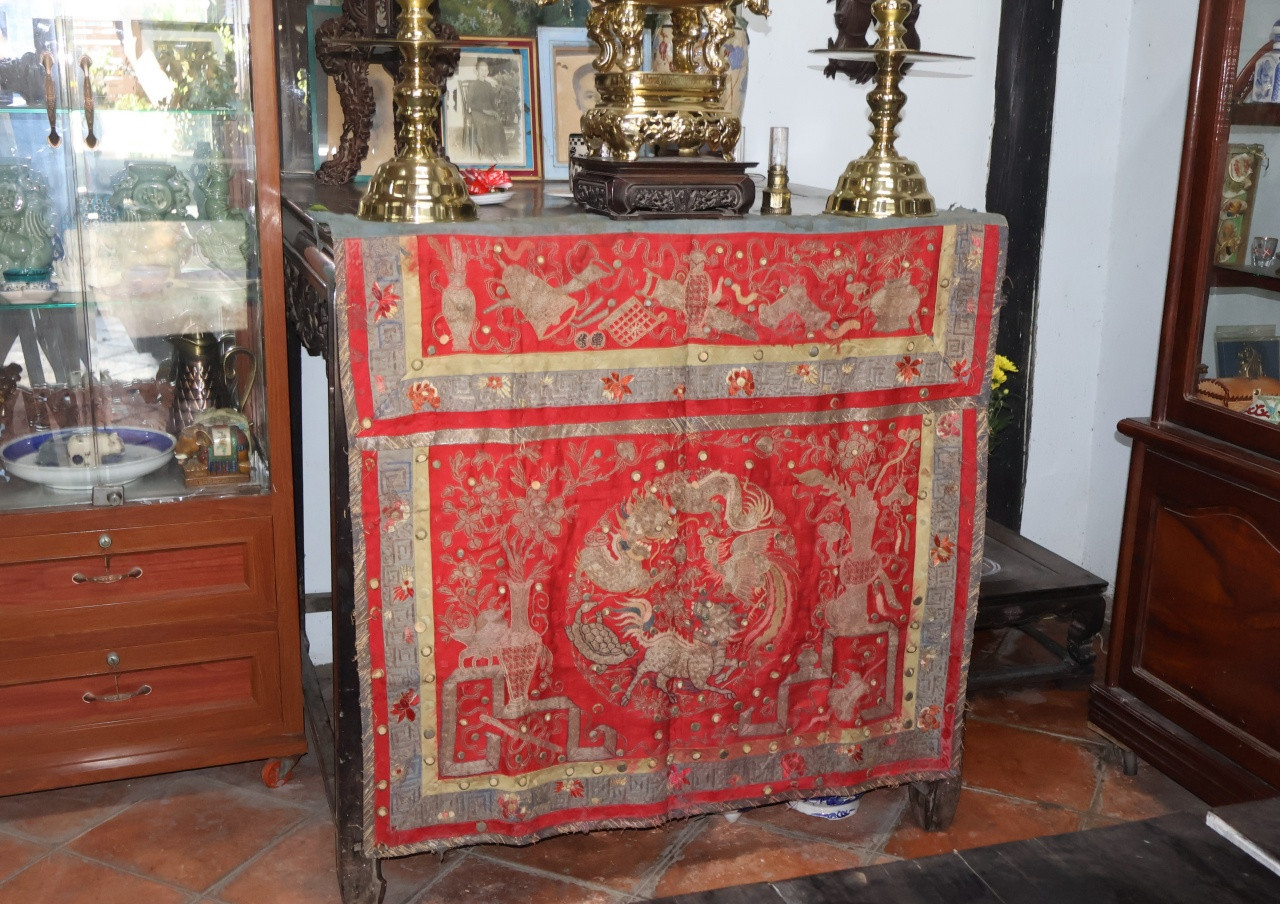
Heirloom altar cloths, known as tien ban, are displayed only during Tet. Photo: Provided by the family.
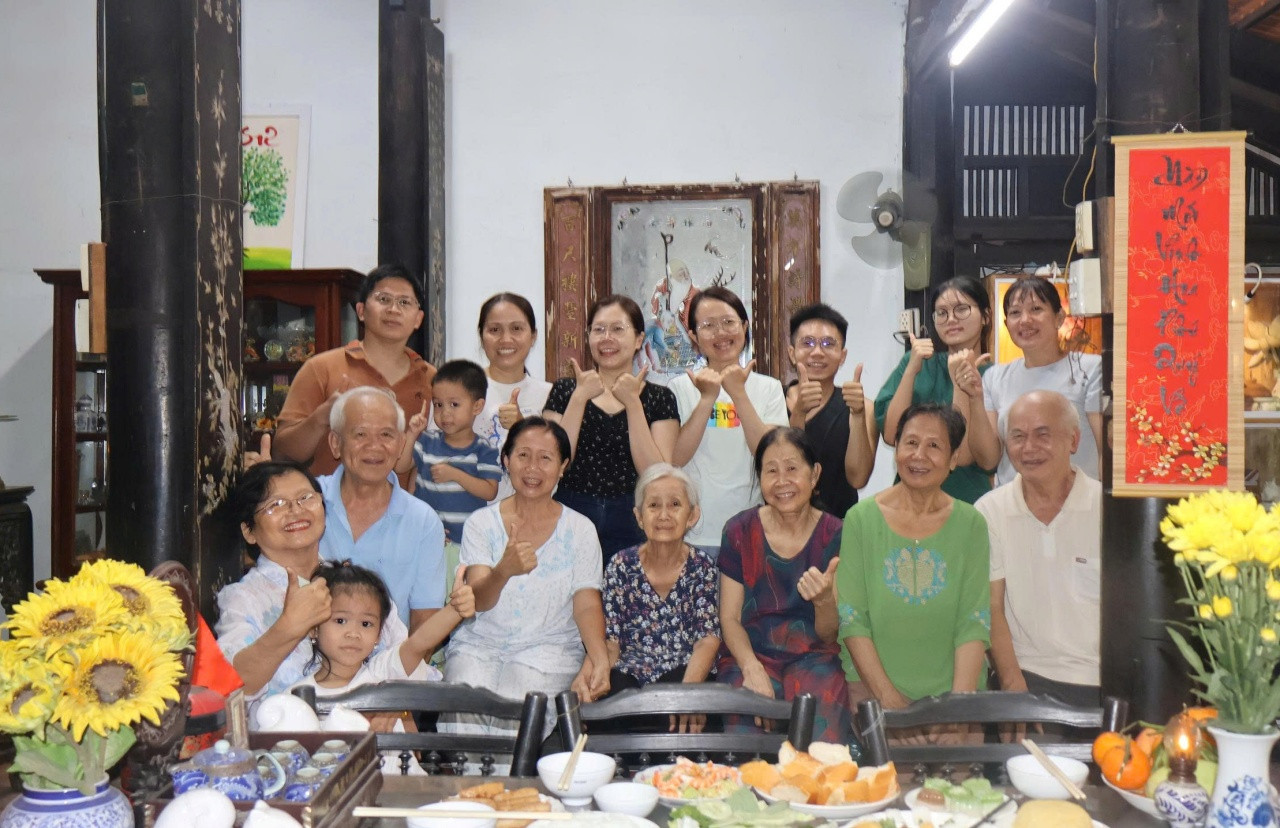
Generations reunite in the ancestral house to celebrate Tet together. Photo: Provided by the family.
.svg)
