 Vietnamnet.vn

 Podcast



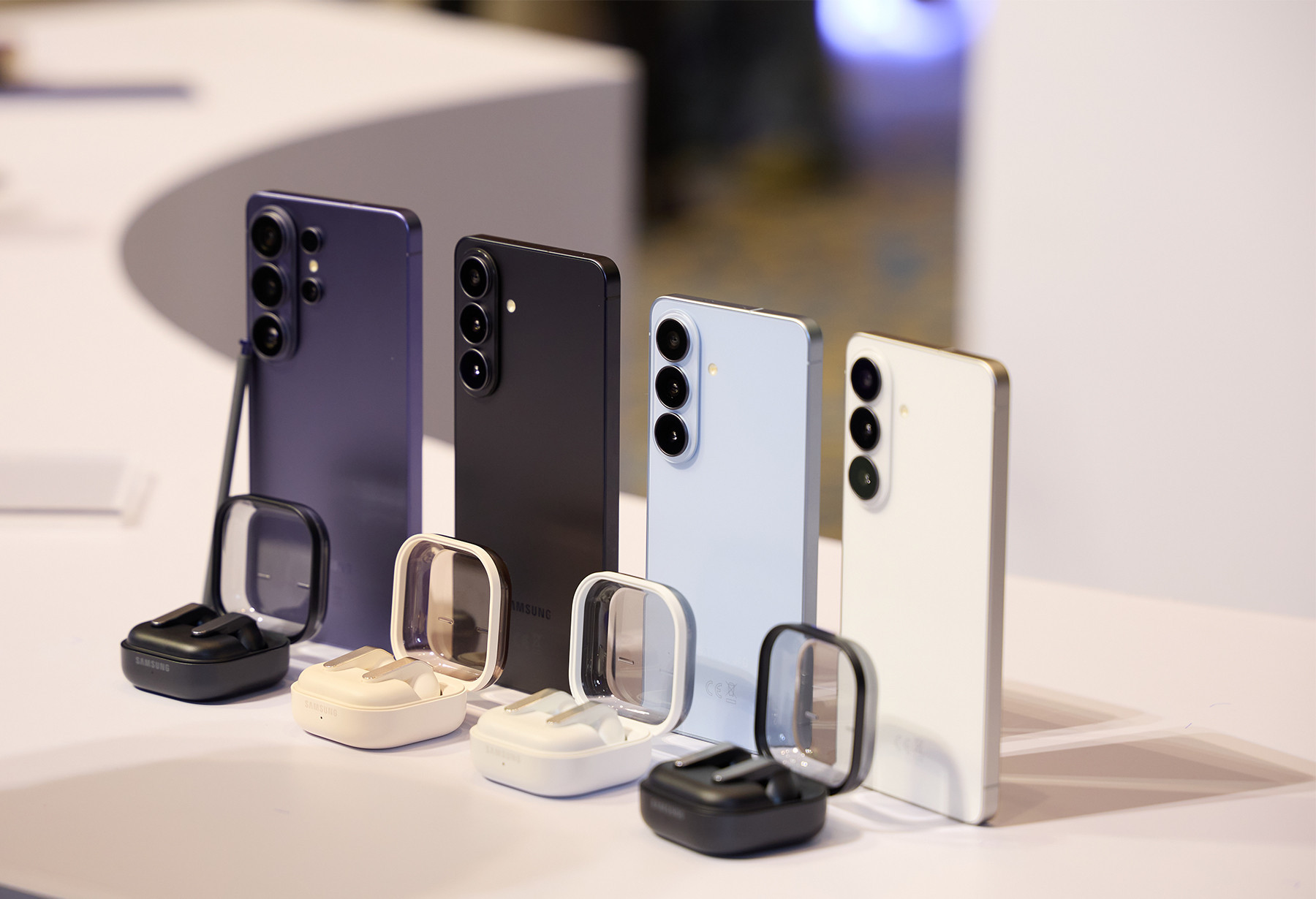
On stage, Samsung devoted significant time to showcasing design refinements, performance gains and especially new video capabilities on the Galaxy S26 Ultra. The unique Privacy Display on the Ultra model was also a highlight deserving praise.
However, between the applause for Galaxy AI and grand visions of the mobile future, one key product was nowhere to be found: augmented reality smart glasses.
AR glasses: the smartphone killer?
Throughout the event, Samsung repeatedly emphasized Galaxy AI, its artificial intelligence toolkit deeply integrated across the device ecosystem.
What surprised many observers was that the company made no mention of a product category that it, along with Apple, Google and Meta, has previously suggested could one day replace the smartphone.
Samsung is currently developing AR smart glasses running on Google’s Android XR platform. At the same time, it has been working on an extended reality device known as Galaxy XR, introduced earlier as an exploratory step to gauge market response.
This approach mirrors the strategy behind Apple Vision Pro. For Apple, Vision Pro is not the final destination but rather a foundation toward a lighter, more mainstream and affordable AR device. Samsung is widely believed to be following a similar roadmap.
According to earlier leaks, Samsung’s AR glasses are expected to feature an integrated display and compete directly with Meta Orion, the AR prototype that Meta has publicly demonstrated.
Notably, several sources have suggested that Samsung’s glasses could launch as soon as this year.
If that proves accurate, the company’s complete silence at Galaxy Unpacked is difficult to understand.
There was not even a brief teaser. At a time when competitors are gradually revealing their AR ambitions, Samsung’s restraint feels increasingly unusual.
It is possible that launch plans have been delayed. Another scenario is that Samsung may first release a display-free version, similar to Meta Ray-Ban smart glasses, focusing on camera and AI capabilities rather than complex AR visuals.
But regardless of the path chosen, the total absence of communication raises strategic questions.
The XR race cannot wait
If AR glasses truly represent the future of personal computing, then building market awareness must begin now. Extended reality remains a niche segment.
Mainstream consumers have yet to fully grasp its value, let alone develop a desire to own such a device.
Meta has already showcased Orion and pledged to release a commercial version in 2027. Google has published demo videos of glasses powered by its Gemini AI model, illustrating a vision of deeply integrated wearable intelligence.
Apple, though more reserved publicly, is reportedly testing internal prototypes among employees.
Against that backdrop, Samsung appears cautious. The company may be observing market reactions before making a decisive move. Yet delays in marketing could mean missing the opportunity to shape the narrative.
Technology history suggests that breakthrough products require not only strong hardware but also compelling communication strategies capable of reshaping user habits.
Smartphones themselves took years to replace feature phones. If AR glasses are not promoted early, the transition could take even longer, or falter before it truly begins.
A telling example is the Galaxy S25 Edge. Despite marketing campaigns, many consumers were barely aware of its existence.
If even a flagship device from one of the world’s largest smartphone manufacturers struggles to achieve visibility, an entirely new concept like AR glasses will demand far more sustained investment in storytelling and branding.
The Galaxy S26 series is undoubtedly crucial for Samsung today. In the longer term, however, the device that could render the Galaxy S26 obsolete may deserve a far bolder bet.
As competitors begin to speak openly about a post-smartphone future, Samsung’s silence at its biggest annual event may come to be seen as a missed opportunity.
Hai Phong
.svg)
