 Vietnamnet.vn

 Podcast



Five-toed pigs that know sadness and anger
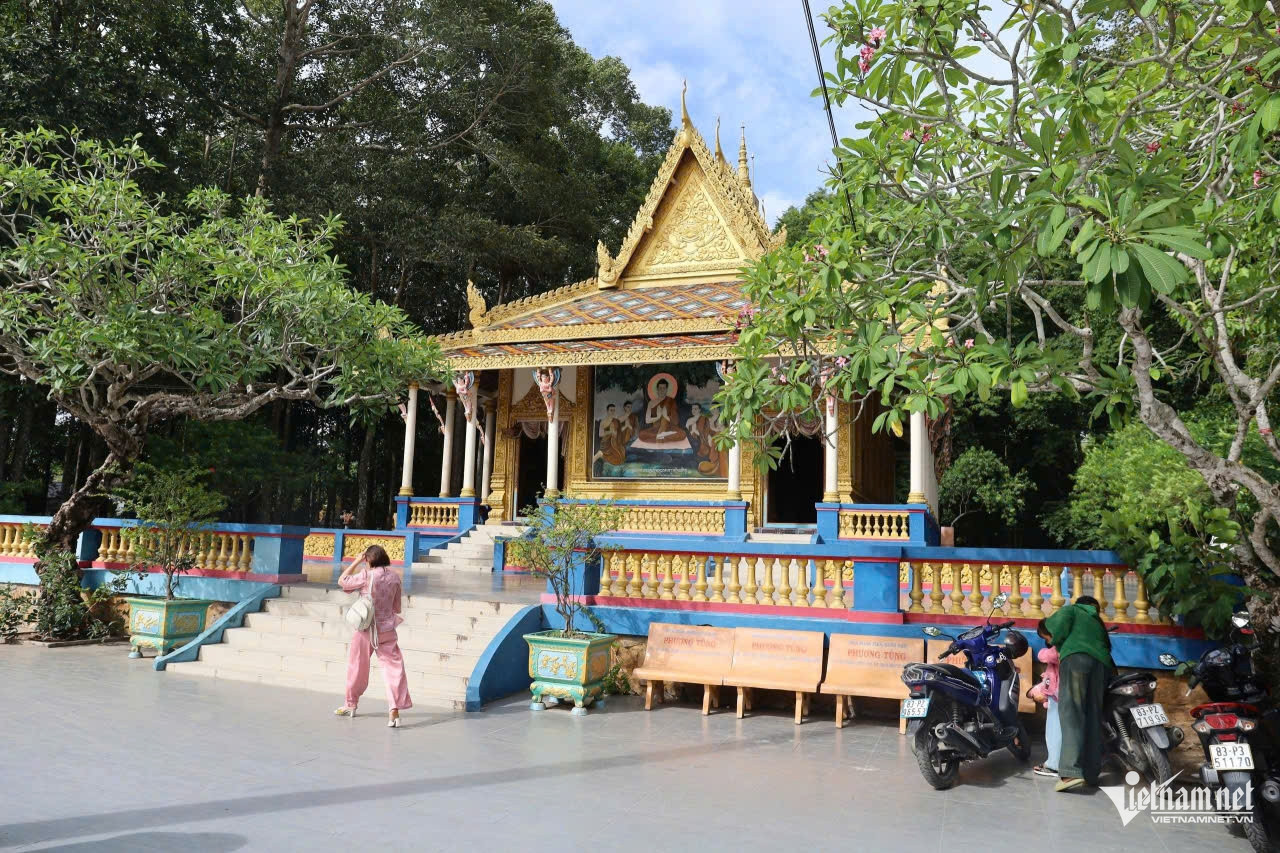
Soc Tia Pagoda in Lich Hoi Thuong Commune, Can Tho City, is currently home to a sow weighing around 100kg.
At first glance, she looks no different from an ordinary pig. There is just one unusual feature: an extra toe on each of her front feet.
Venerable Tran Tuyen, abbot of Soc Tia Pagoda, said the temple took the pig in after her owner brought her there and left her in its care. Since then, the monks have taken turns looking after her, and she has remained healthy.
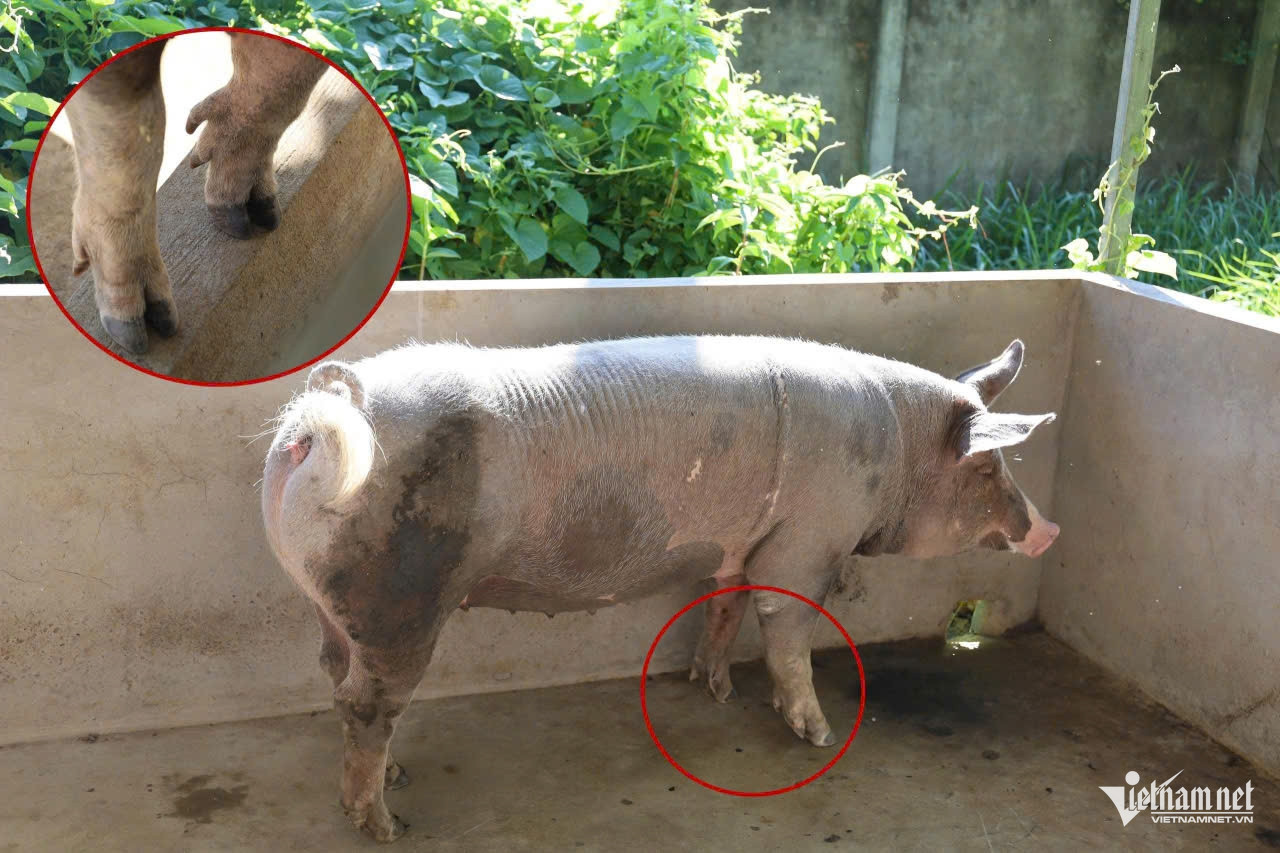
According to Venerable Tuyen, local folk belief holds that five-toed pigs are “spirit beings,” or humans reincarnated as pigs. Keeping one at home is believed to invite disruption, misfortune and bad omens.
As a result, people who discover a five-toed pig sometimes bring it to a temple, where it can listen to Buddhist sutras, become calmer and, according to folk belief, atone for past wrongdoing.
Five-toed pigs are relatively easy to care for. The pig at Soc Tia Pagoda even follows the monks' daily meal schedule and diet. The monks eat before noon each day and do not eat after midday.
The pig was previously allowed to roam freely around the temple grounds. But she proved so mischievous that the monks eventually built a separate enclosure for her.
“When people bring them to the temple, we take them in. It would be heartbreaking simply to abandon them,” Venerable Tuyen said. “Five-toed pigs have remarkably good memories. They know sadness and anger. She used to roam freely around the temple and would sometimes wander several kilometers away, but she always remembered the way back.”
Thach Thi Duong, 60, a resident of Soc Leo Hamlet and a Buddhist follower at Soc Tia Pagoda, said that apart from being somewhat mischievous, the pig is no different from any other.
“The pagoda used to care for several of them. When they died, the monks buried them carefully,” Duong said.
Duong herself has never witnessed any misfortune associated with five-toed pigs. Such stories, she said, have simply been passed down orally for generations. While some families refuse to raise the animals, others remove the extra toes and continue raising them normally.
A unique cemetery for five-toed pigs in the Mekong Delta
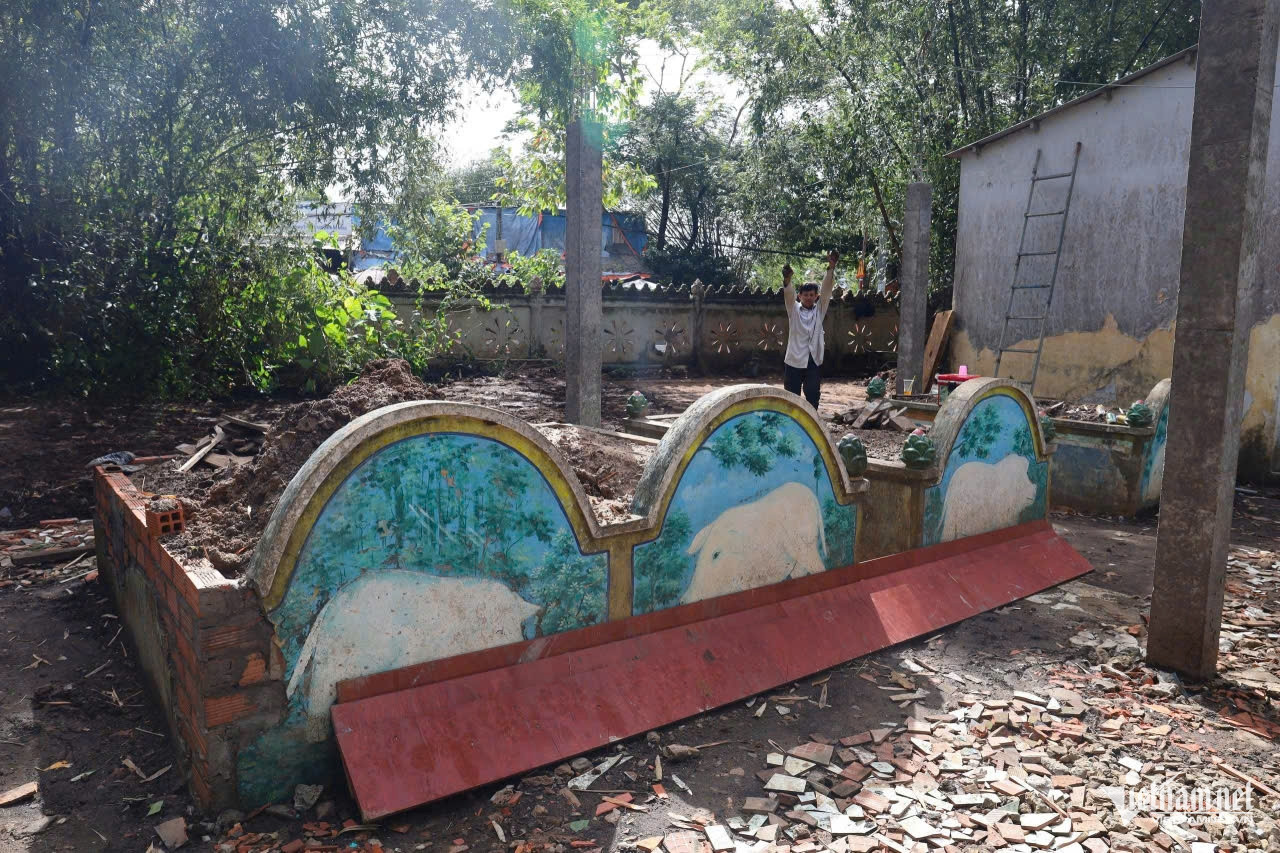
According to folk beliefs among the Khmer community, five-toed pigs should not be slaughtered for food because doing so is thought to bring misfortune.
The animals are therefore often allowed to live out their natural lives and are carefully buried after they die.
Today, not every temple continues to accept five-toed pigs because of sanitation requirements and the need to maintain suitable surroundings for pilgrims and visitors.
At Mahatup Pagoda, also known as Bat Pagoda, an ancient Buddhist temple in Phu Loi Ward, Can Tho City, a dedicated “cemetery” for five-toed pigs still remains.
Each grave has a headstone decorated with an image of a plump pig.
According to records kept by the pagoda, the first five-toed pig was taken in there in 1989. Local residents named her “Co Nam Hoi.”
She lived at the pagoda for 10 years and grew to around 400kg. When she died, she was buried behind the temple.
During that period, more people began bringing five-toed pigs to the pagoda to be cared for. When the animals died, the monks buried them in the same cemetery.
Venerable Lam Tu Linh, deputy abbot of Bat Pagoda, said the temple eventually stopped accepting the animals as more facilities were built on its grounds and visitor numbers increased, making it increasingly impractical to keep pigs there.
“The cemetery is now cared for and cleaned by a number of Buddhist followers,” Linh said. “Many visitors are fascinated and curious when they hear the folk stories associated with these five-toed pigs.”
Tao Dat
.svg)
