 Vietnamnet.vn

 Podcast



Tran Tuyen
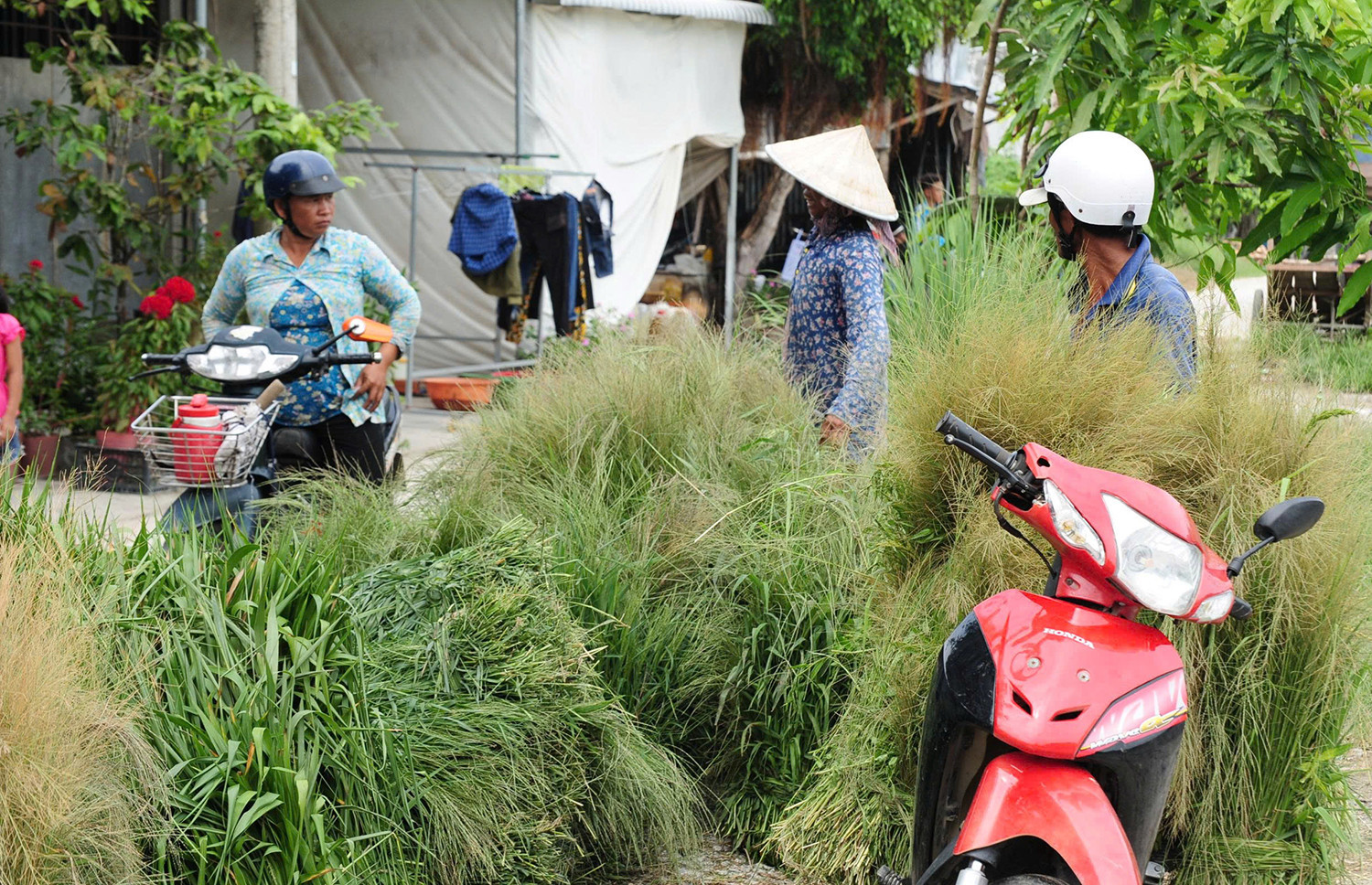
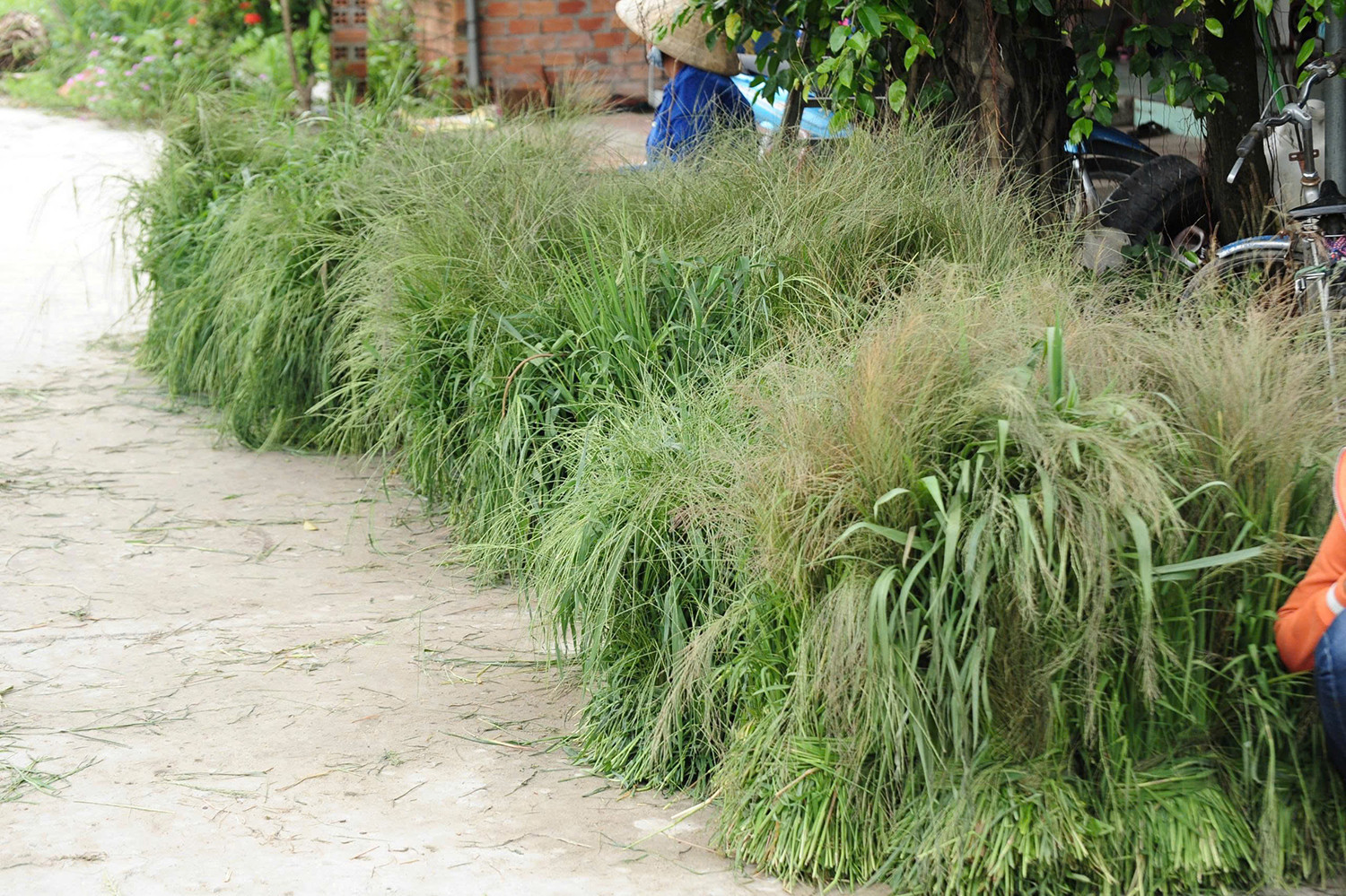
In the highland commune of O Lam, An Giang province, a market unlike any other gathers around 10 a.m. each day. Its sole commodity: grass. What many consider worthless, the people here rely on for their daily bread.
O Lam is home to a large Khmer population, nestled between plains, hills, and forested lands - ideal for raising cattle and buffalo.
But natural grazing land has dwindled in recent years as more areas are converted for rice and other crops. With more cattle and less grass, local residents are forced to travel far to gather wild grass - either to feed their own livestock or to sell.
Out of this need, the O Lam grass market was born. With no signs or roof, it exists only as an open patch of dirt by a canal, yet it has quietly endured for decades, feeding countless Khmer families.
No one remembers exactly when it began. Locals only recall that once the sale of grass became a regular source of income, people started gathering - and have never stopped since.
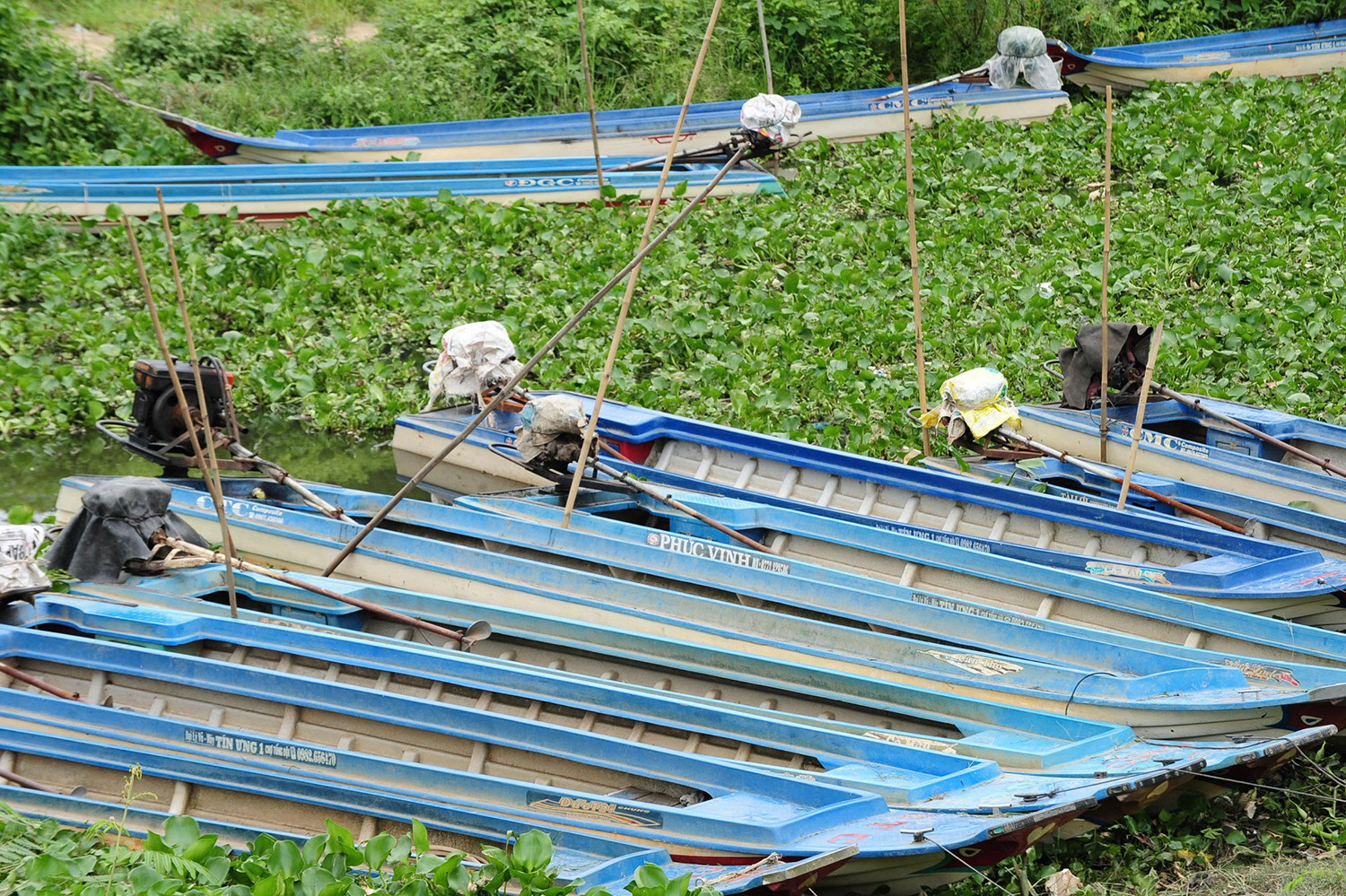
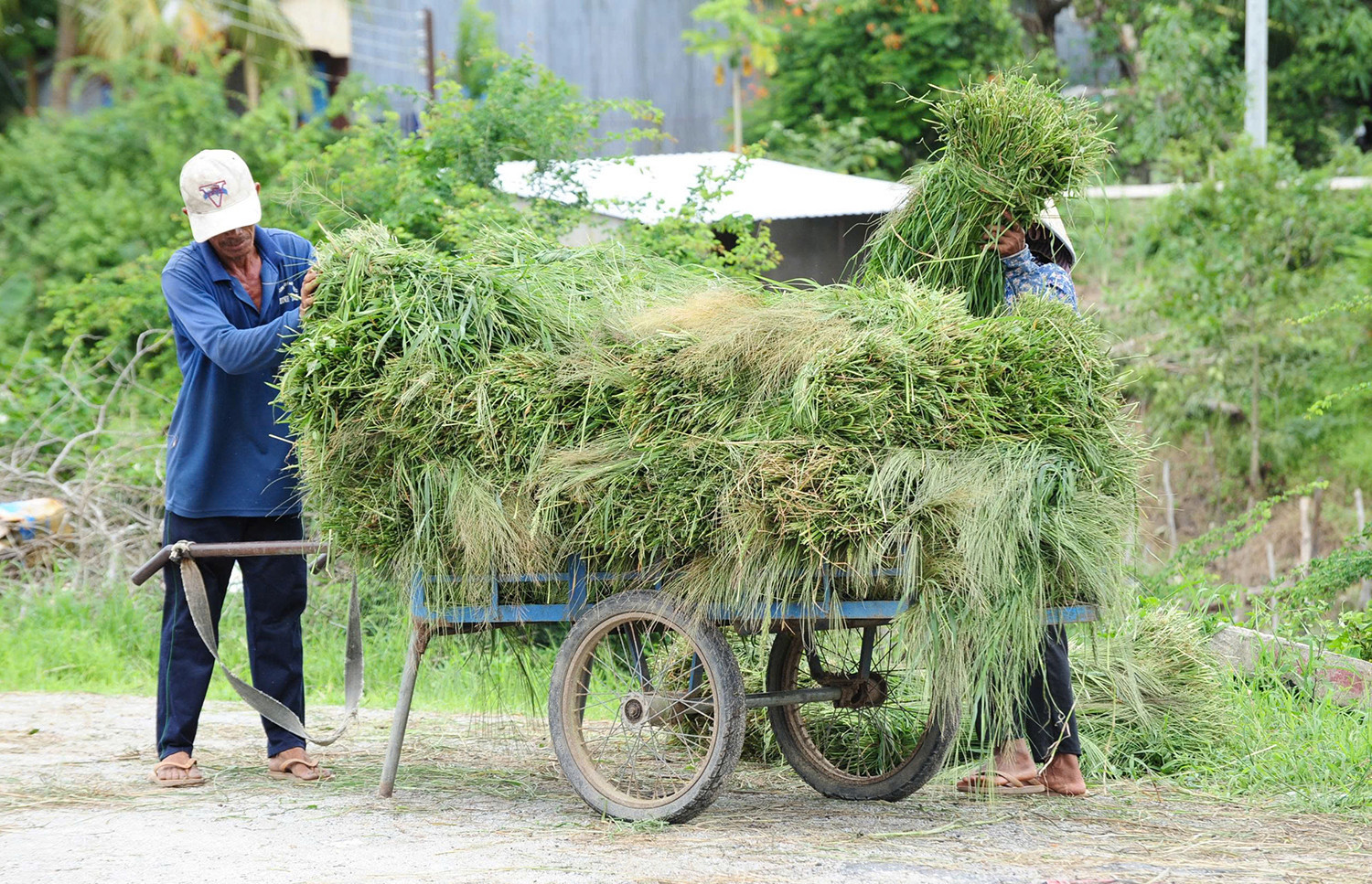
The market runs year-round but is busiest during flood season. By 10 a.m., boats and motorized canoes arrive from far-off fields, packed with fresh, dew-covered grass. On shore, motorbikes, three-wheeled carts, and even ox-pulled wagons line up, ready to buy.
Buyers inspect each bundle carefully, gauging freshness, tenderness, and moisture. For those raising cattle, the quality of grass can mean the difference between healthy livestock and illness.
A common pricing standard applies: 10,000 VND (about USD 0.40) for every three bundles. No haggling. Sellers offer, buyers accept, and the deal is sealed - often in Khmer.
Grass as daily sustenance
Neang Sa Ra, 35, explained: “For Khmer people here, raising cattle is like how others raise pigs. Every household has a few - either for meat or to help with farm work. If we’re busy, we come to the market to buy grass. Just feeding them with dry straw will make them sick.”
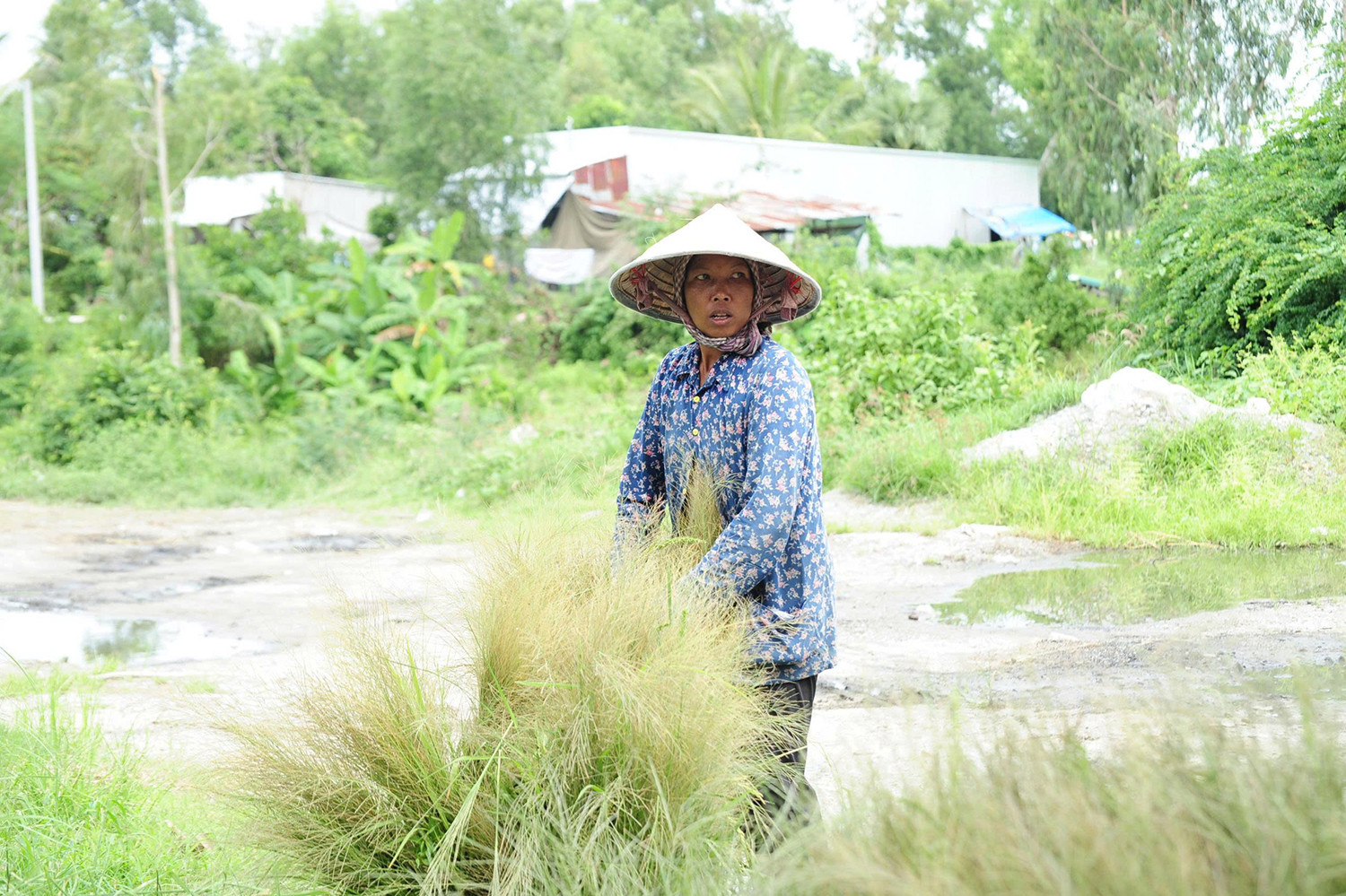
Grass cutters wake before dawn - often by 4 a.m. They pack food, machetes, sickles, and rope, then row for kilometers to find patches of grass worth harvesting.
Chau Son, 50, recounted: “In the past, grass was abundant - just walk around the neighborhood and you’d have enough. Now, we travel to other communes to find it.” After a morning of cutting, he earns around 200,000 VND (about USD 8), enough to cover basic daily needs.
With nearly 10 years in the trade, Chau Mach, 45, shared that around 20 boats from his village go out daily. In the dry season, grass is scarce and heavy to carry. In the flood season, boats can reach deeper fields, but the job means wading through water, enduring cold, and fighting off swarms of mosquitoes.
Elsewhere, wild grass is seen as trash. But in O Lam, every bundle represents a meal, a school fee, a day survived.
This humble grass market is not just a place of trade. It is living proof of the Khmer people’s resilience, hard work, and mutual support in the face of limited means - and a testament to how even the most overlooked things can become vital to life.
.svg)
