 Vietnamnet.vn

 Podcast



Amid the changing landscape of the mountainous areas of Da Nang, the gươl - the traditional communal house of the Co Tu people - remains the symbolic and cultural heart of the village. Beneath its soaring roof, the sounds of bronze gongs, traditional dances, customary laws and stories of ancestry continue to be passed from one generation to the next.
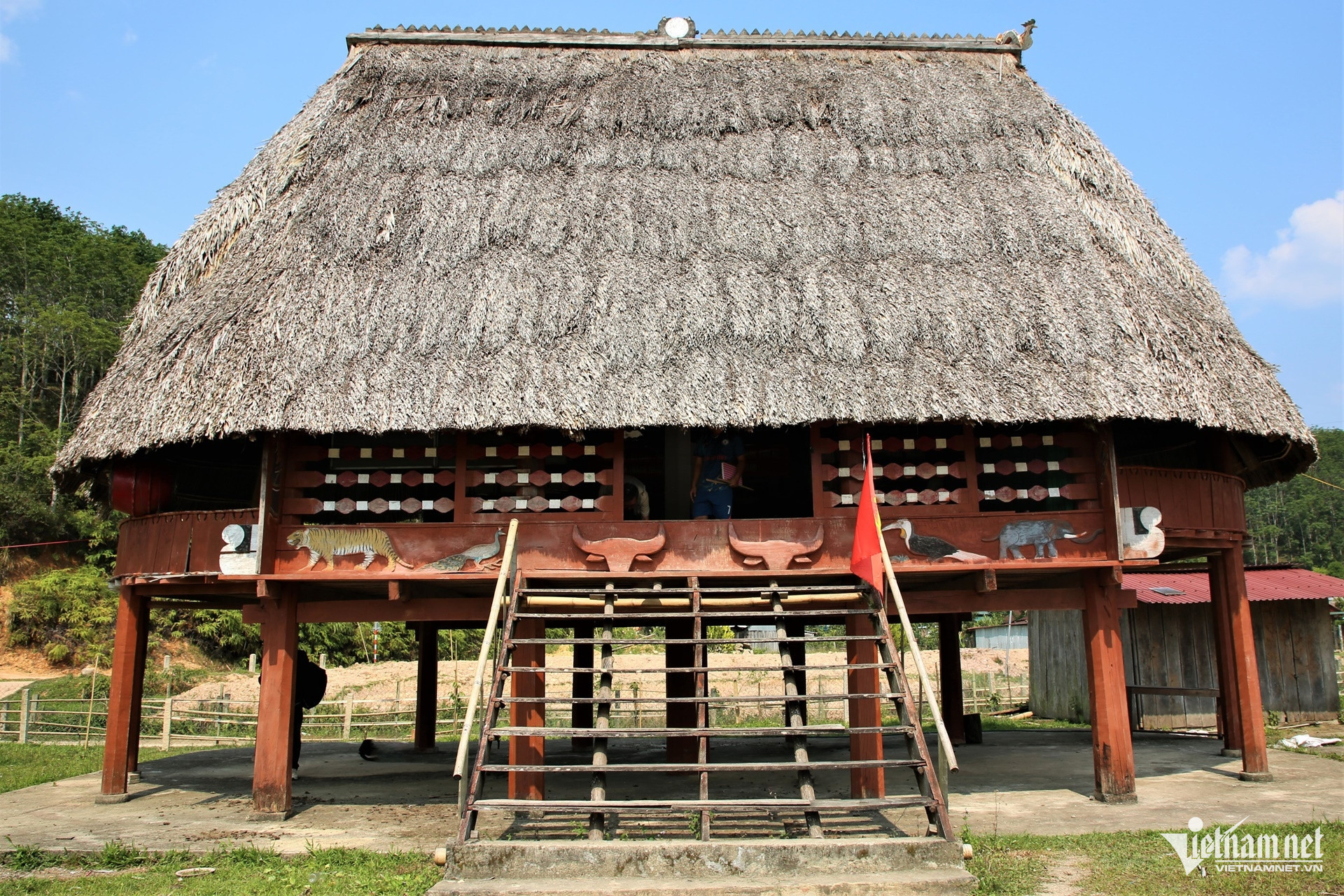
Standing inside the gươl in Aroh Village, Tay Giang Commune, 77-year-old village elder Briu Po slowly traces his hand across the carved wooden walls. Pointing to images of buffaloes, tring birds, gong players and women pounding rice, he explains that each carving preserves a chapter of the Co Tu people's collective memory.
Life in the village has changed dramatically. Roads have made remote communities more accessible, homes are sturdier than before, and many young people leave to study or work in the cities. Yet the gươl still occupies the most honored place at the center of Aroh Village.
"A Co Tu village without a gươl loses its soul," Po says.
The heart of village life
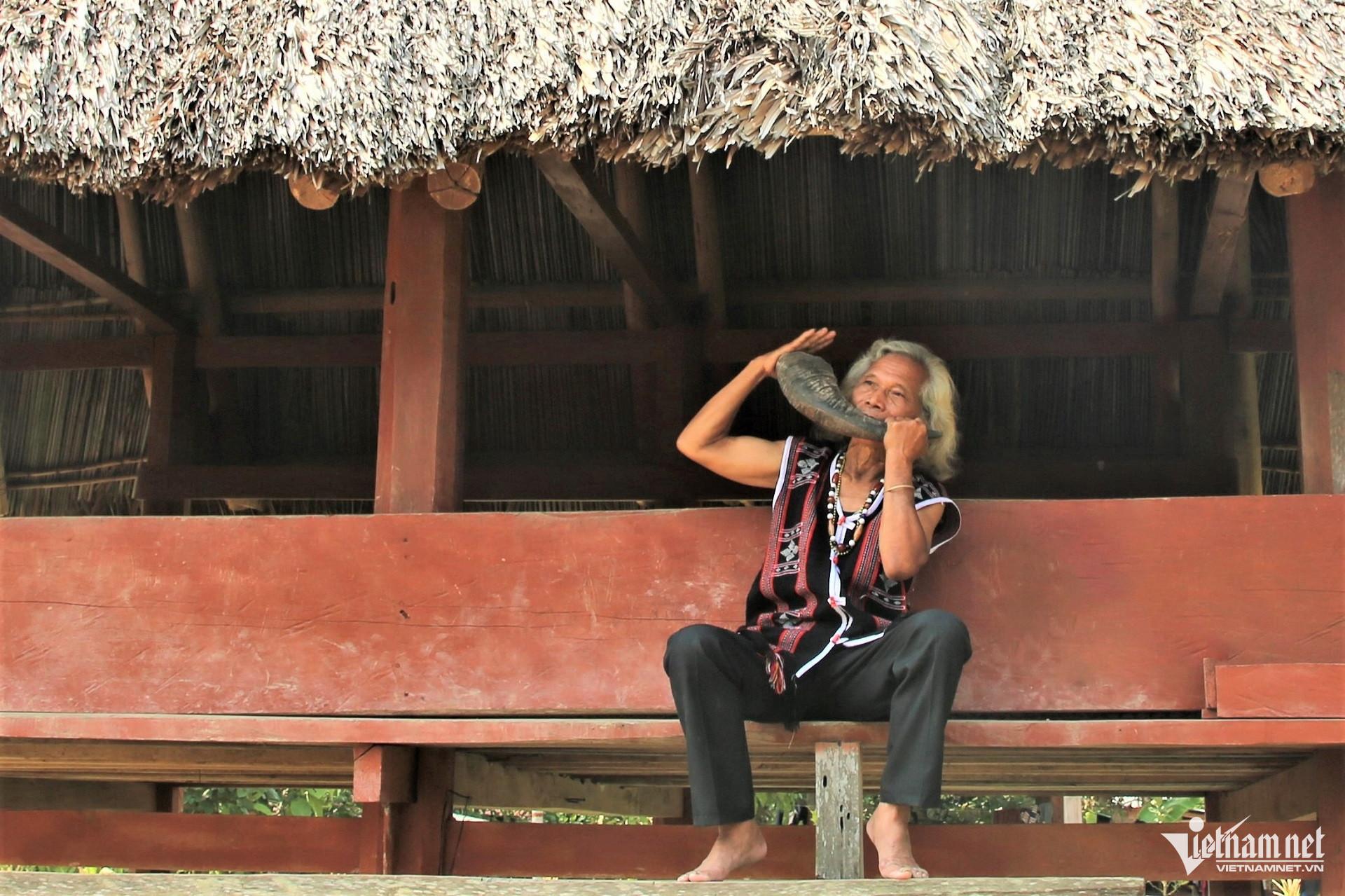
For the Co Tu people, the gươl is much more than a communal building. It is where villagers gather to discuss community affairs, celebrate festivals, settle disputes and pass customary laws and traditions to younger generations.
According to elder Briu Po, when a new village was established in the past, the gươl was always built first, with family homes constructed around it.
The communal house was also a collective achievement. Some villagers searched for timber, split bamboo and thatched the roof, while skilled craftsmen carved intricate patterns and sculpted birds, animals and scenes of daily life into the wooden beams and walls.
"The gươl is where the gongs are played, where the communal fire burns, where traditional dances are performed and where all matters concerning the village are discussed," Po says.
The carvings depict buffaloes, tring birds, geckos, pythons and tigers, alongside women pounding rice, hunters, gong performances and dancers celebrating village festivals. At the peak of the roof, a pair of roosters faces in opposite directions.
These images are far more than decoration. They tell the story of the village through wood, helping younger generations understand how their ancestors worked, celebrated and lived in harmony with the surrounding forests.
Village elder Ho Van Moi, 62, from Ga'nil Village in Hung Son Commune, says every symbol carries a deeper meaning. Tigers represent strength, the tring bird symbolizes beauty and spirituality, while buffaloes signify prosperity and family wealth. The pair of roosters reminds villagers to rise early, work hard and aspire to a peaceful, prosperous life.
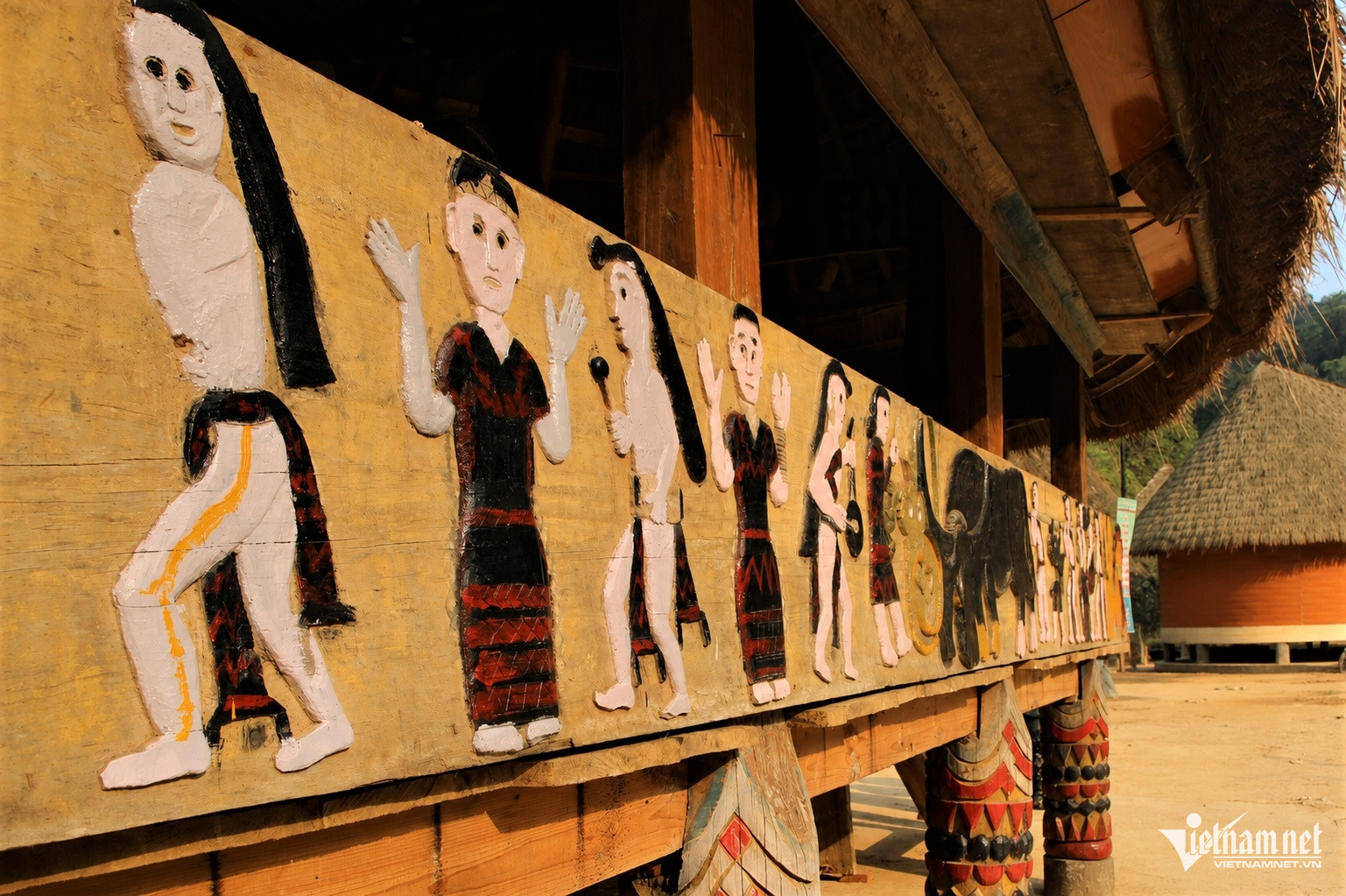
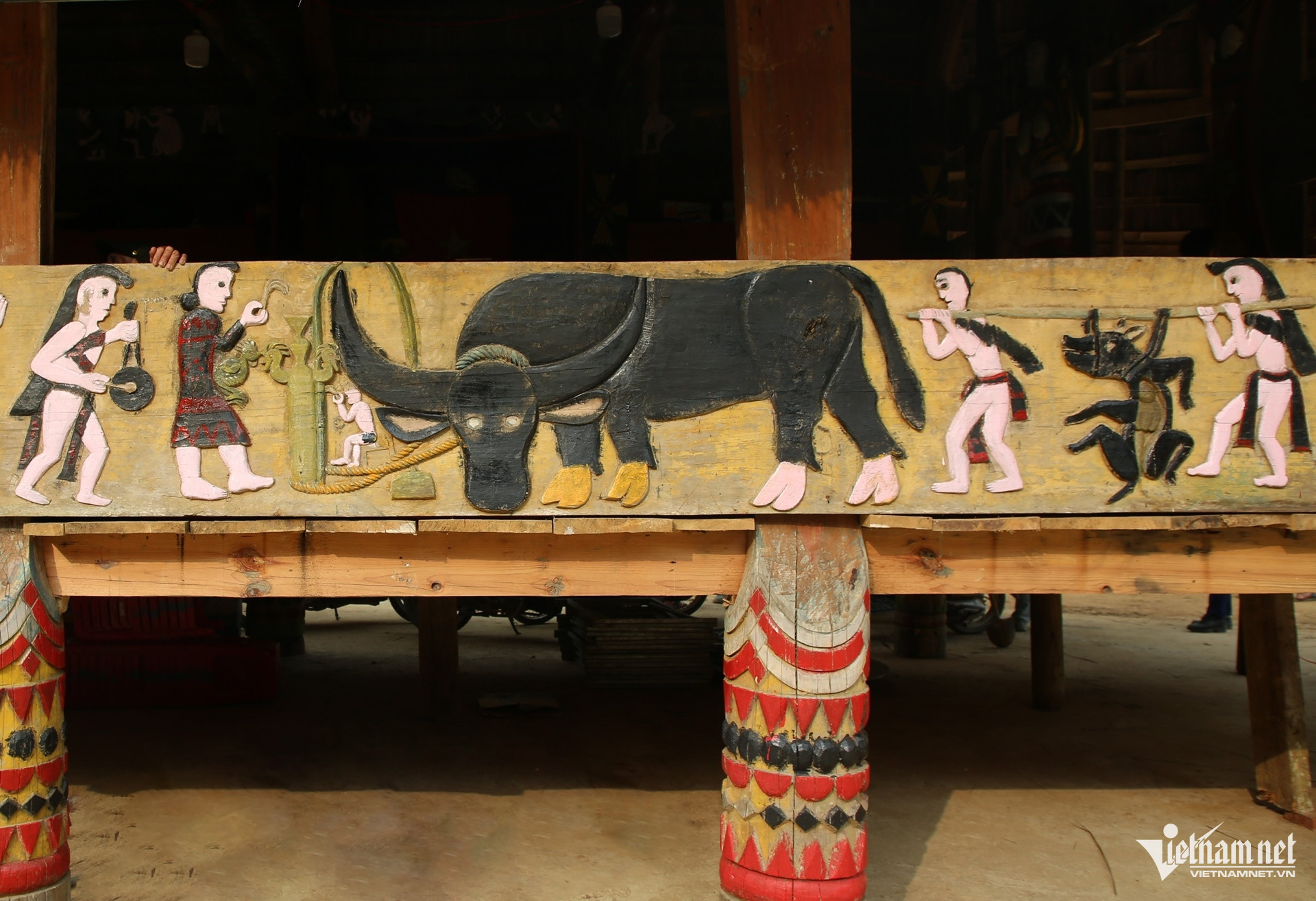
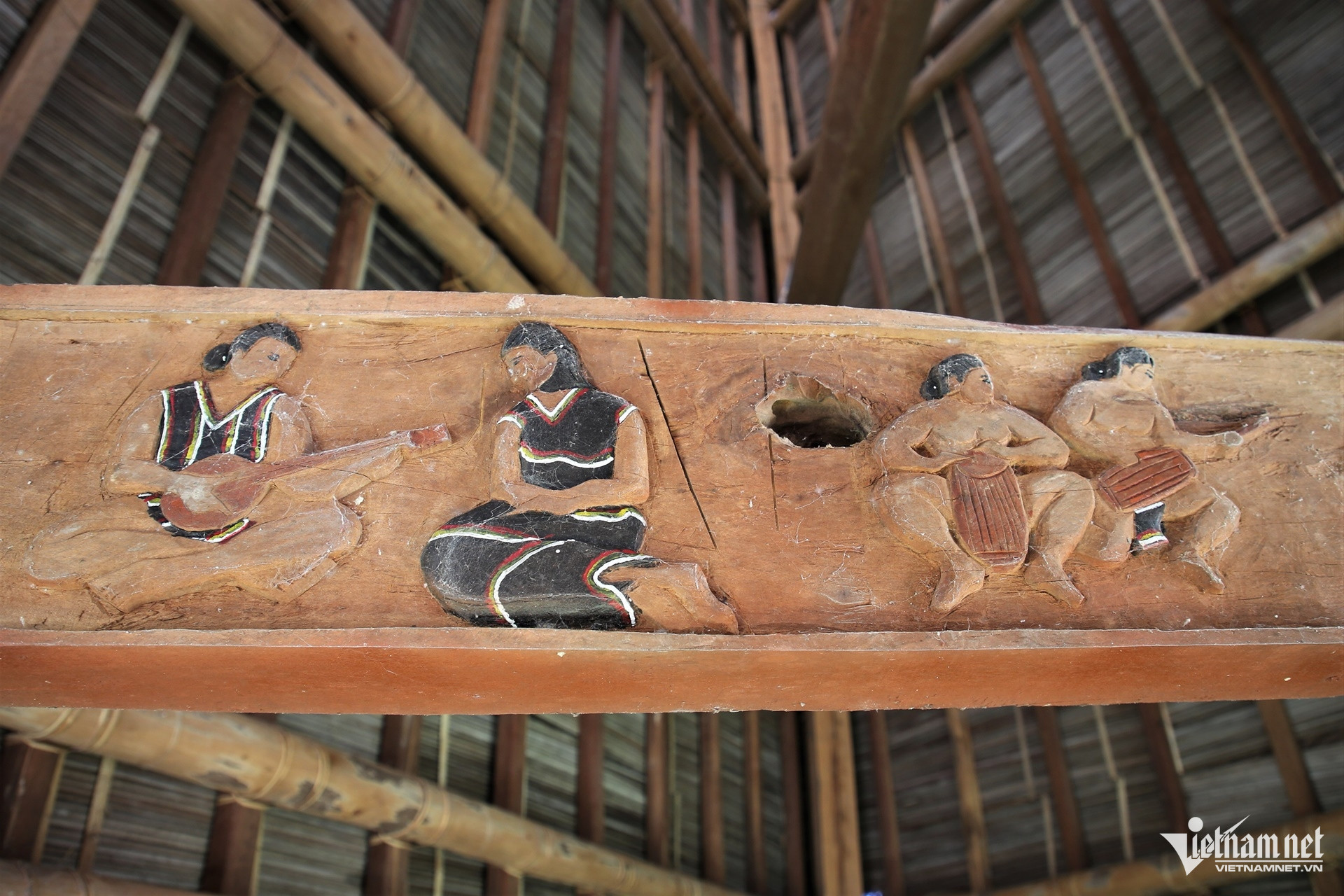
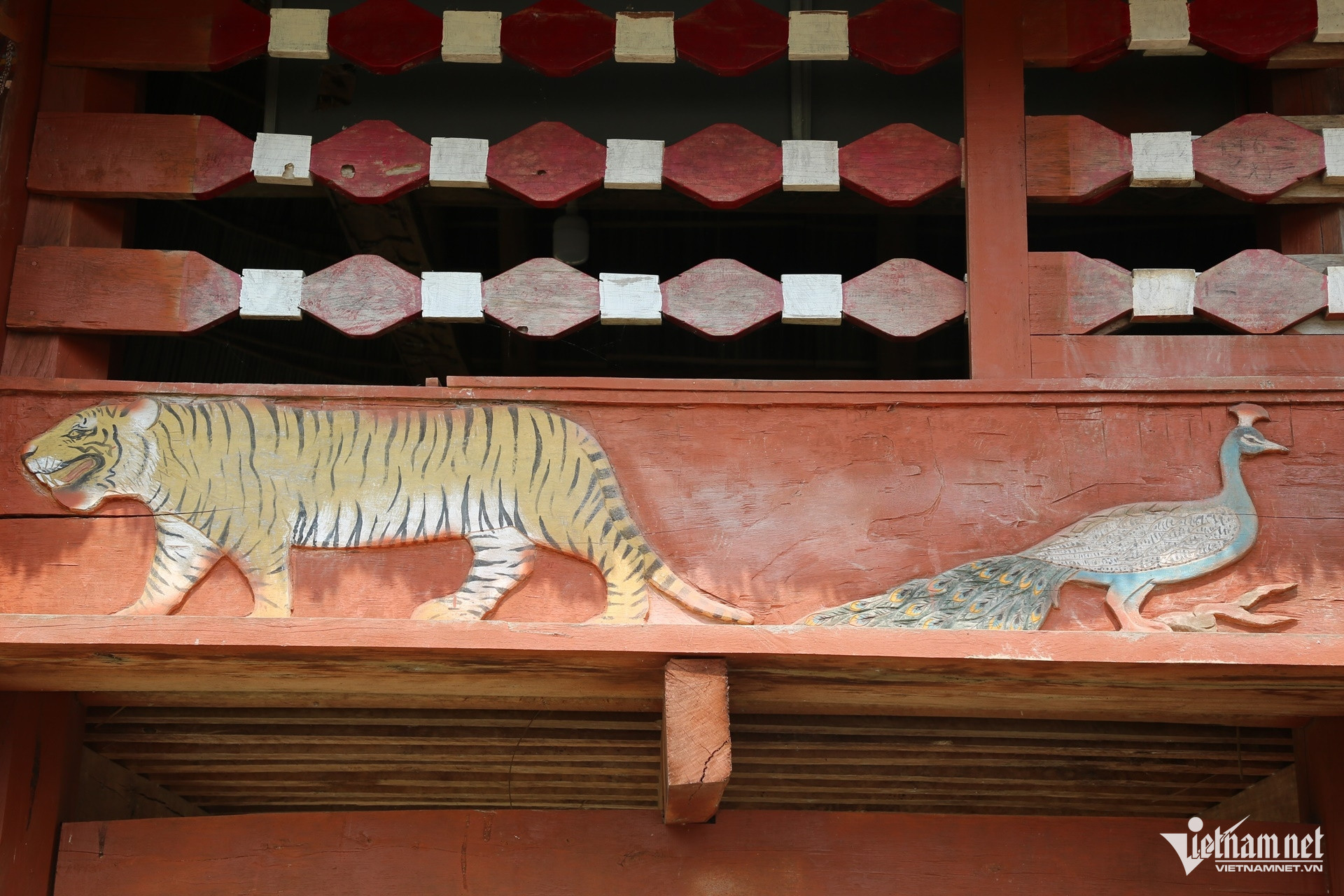
Every wooden motif reflects the close relationship between the Co Tu people and the natural world.
Traditional craftsmanship remains central to the architecture of the gươl.
Among the most important spiritual symbols is the mythical serpent known as bhi'dưa. In Co Tu belief, the sacred serpent guards the vessel of the water deity and dwells in marshes, lakes and rivers. People who harbor evil thoughts, speak dishonestly or commit wrongdoing near water are believed to risk punishment from the spirit.
For this reason, carvings of pythons and banded kraits frequently appear on the front beams of the gươl, often shown gliding across the wood.
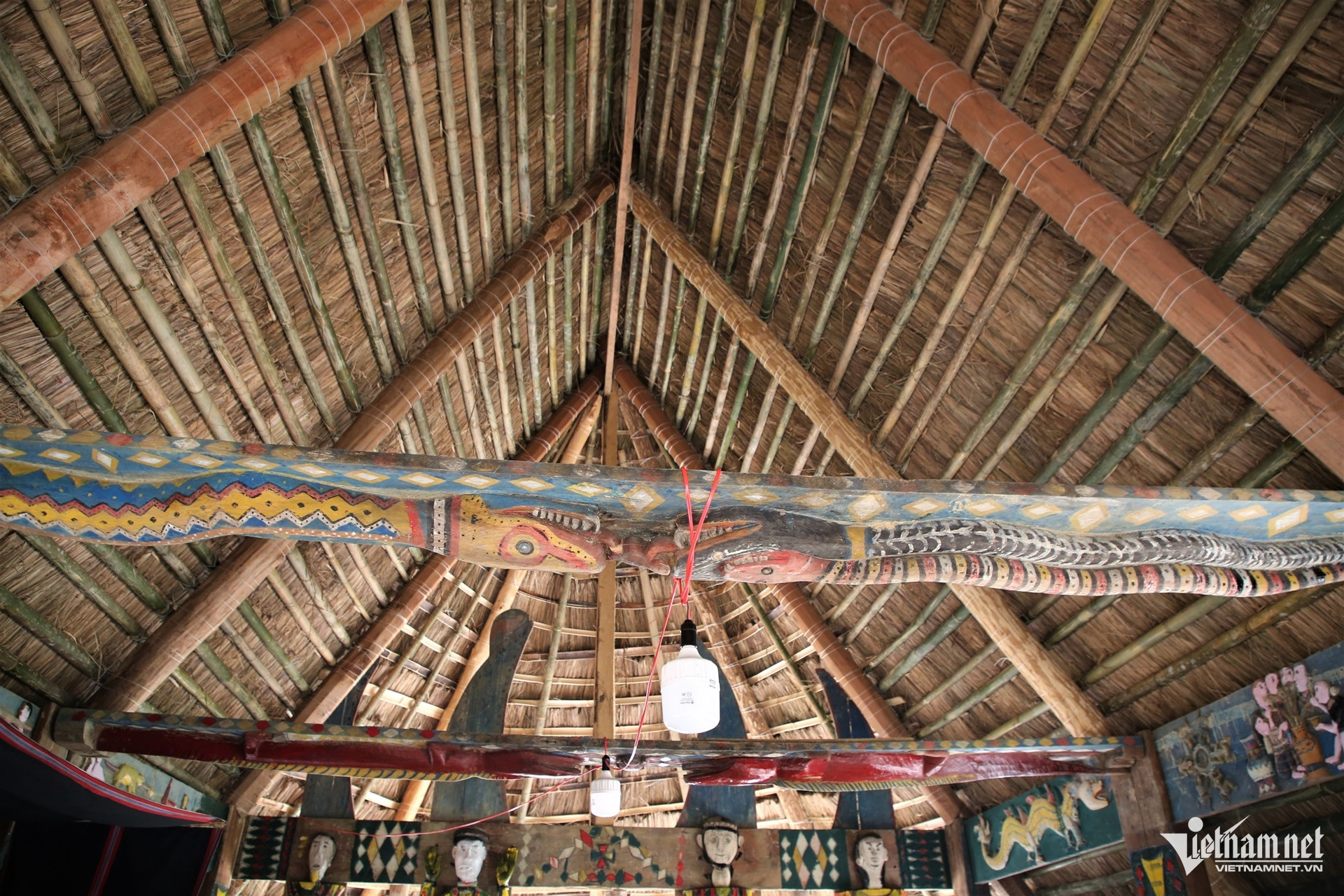
According to Ho Van Moi, the serpent reflects both respect for the spiritual world and a reminder that villagers should live honestly and uphold the community's moral values.
"Every carving inside the gươl tells a story. They remind our children about our way of life, the forests and the wisdom passed down by our ancestors. Preserving the gươl means preserving the village's memory," he says.
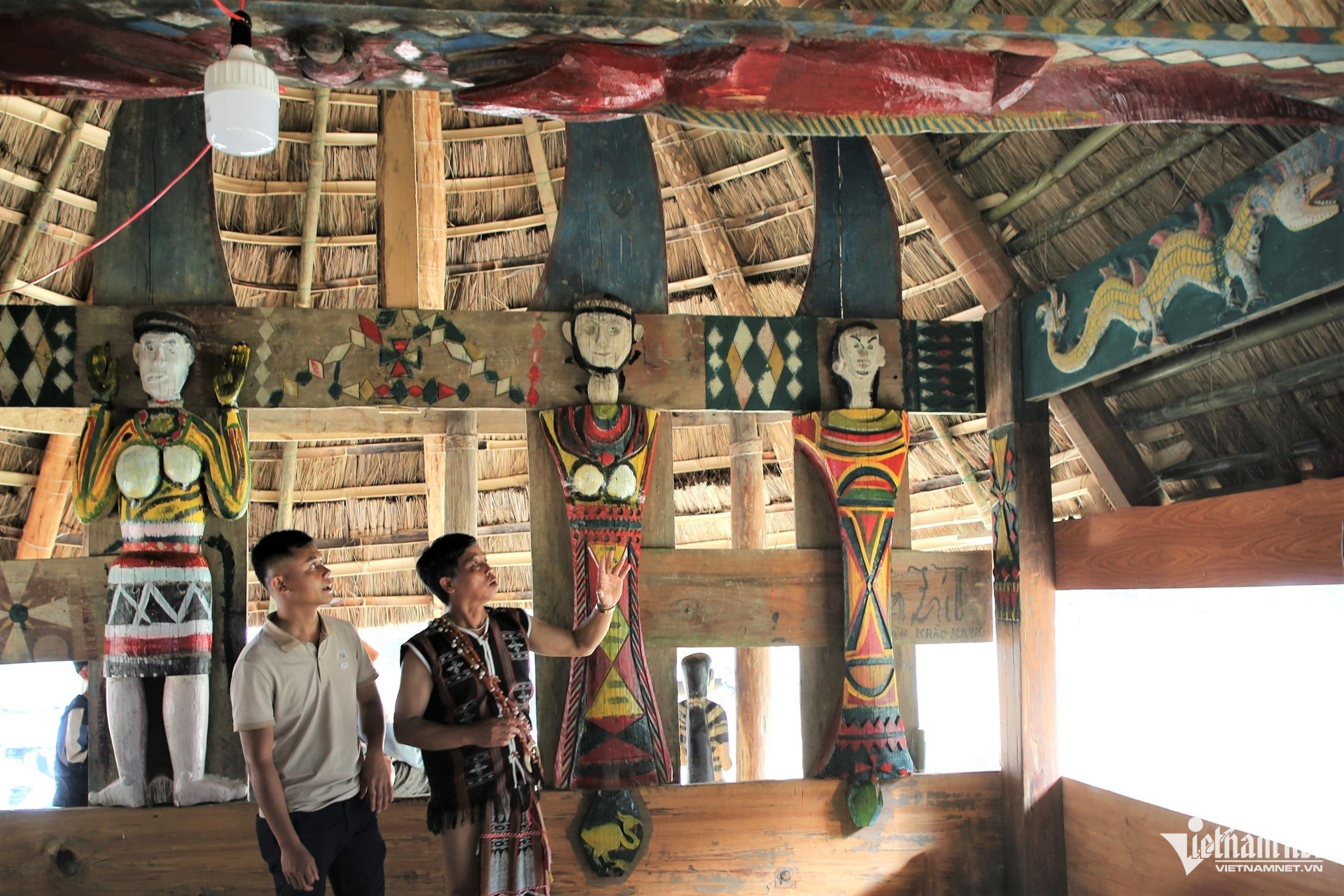
Under the shared roof, villagers discuss forest conservation, water protection, weddings, festivals and the resolution of disputes. During celebrations, the area around the gươl comes alive with the sound of bronze gongs, performances of the traditional tâng tung da dá dance and ceremonies to erect the village's ritual pole.
The communal house also safeguards traditional musical instruments, handwoven brocade textiles and other cultural objects. Here, village elders teach children to play bamboo flutes and ceremonial horns, ensuring that both the music and the stories of the community continue to be passed on.
The gươl is not reserved only for festivals. Every village meeting, storytelling session and gathering between elders and children helps reinforce customary laws and strengthen the community's shared identity.
Keeping the village's soul alive
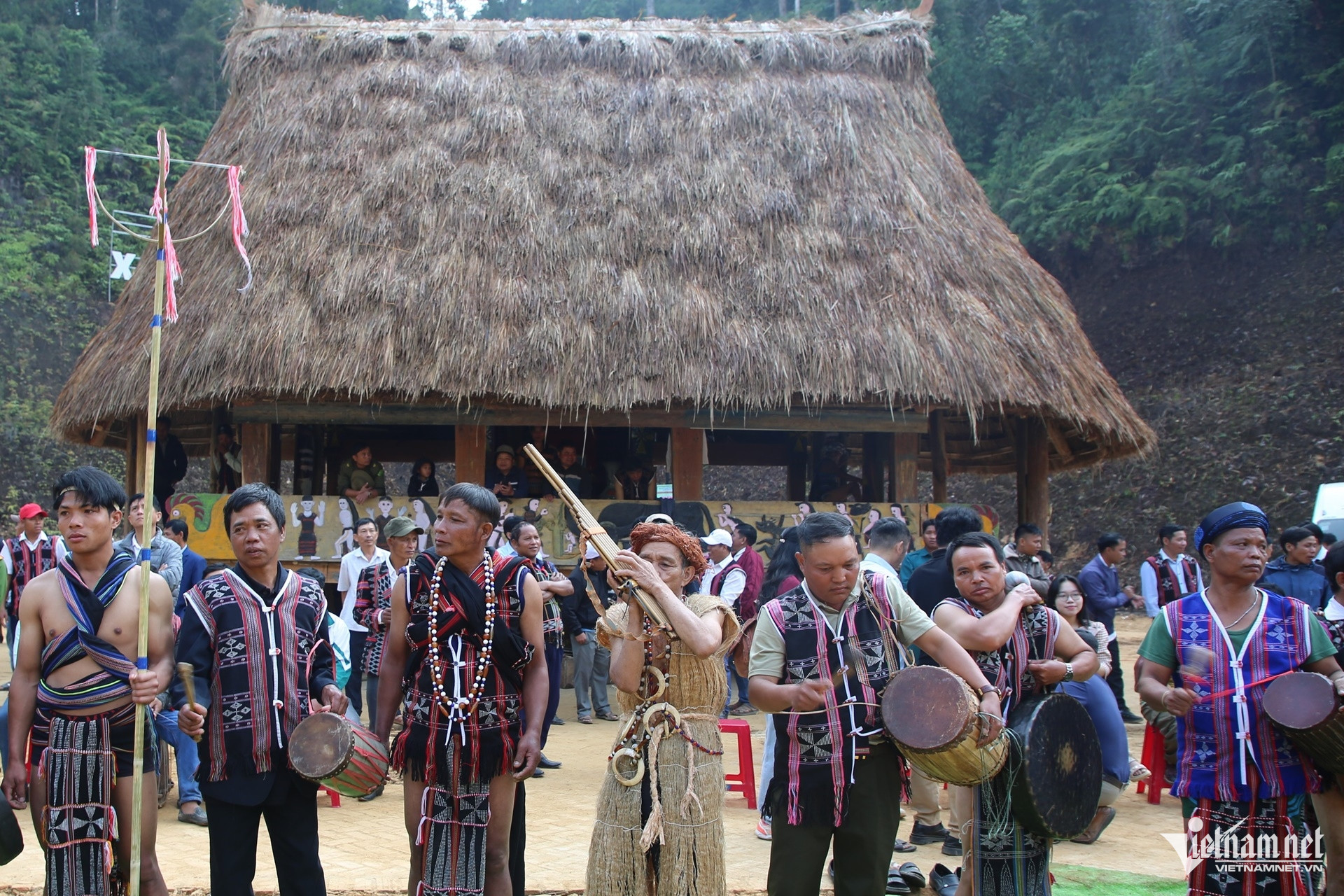
In Hung Son Commune, several gươl stand near the ancient Po Mu forests, surrounded by the deep green mountains. For local residents, preserving the communal house is inseparable from protecting the forests, water sources and traditional customs that have guided village life for generations.
Visitors to the Po Mu Forest Ecotourism Village are welcomed at the gươl, where local residents introduce the architecture, community traditions and the close relationship between the Co Tu people and the forest. Guests can sit beneath its roof while listening to stories about ancient trees, water conservation and the customary rules governing the surrounding forests.
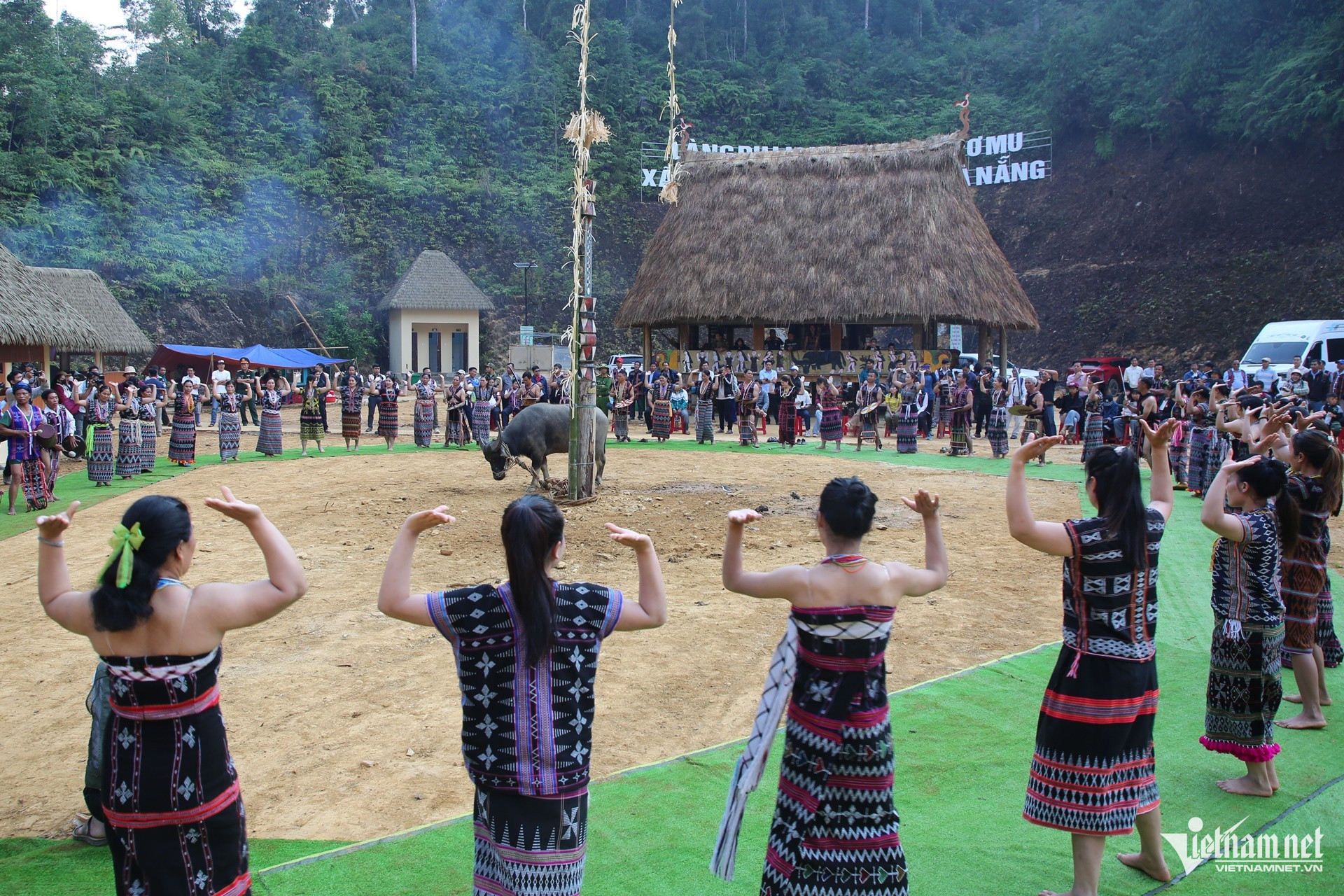
Village elder C'Lau Blao, 83, from Voong Village, believes tourism has created valuable new livelihoods, but preserving cultural heritage must remain the priority.
"We learn new things to improve our lives, but the sound of the gongs, the traditional dances, the gươl and everything our ancestors left us must be preserved for our children," Blao says.
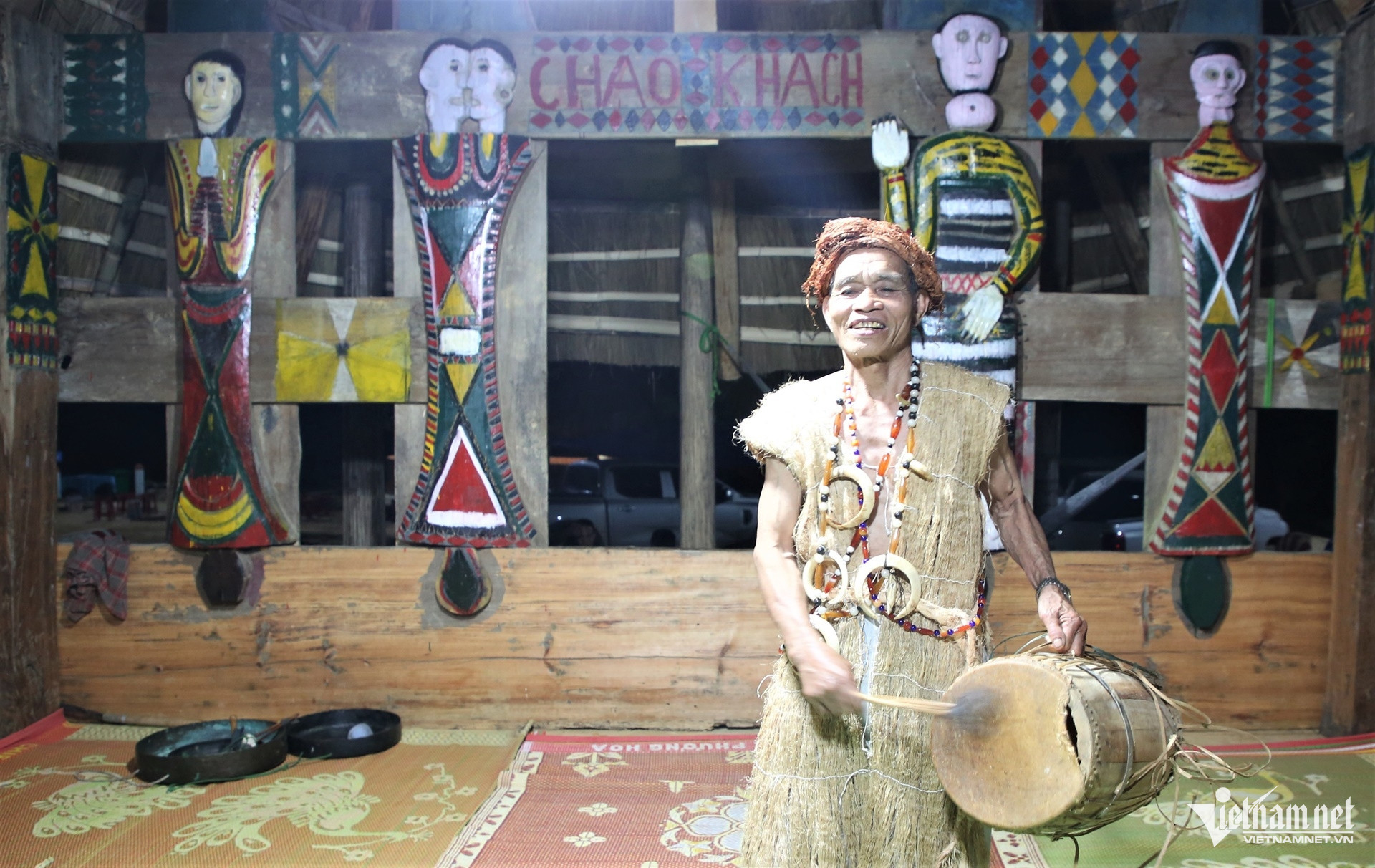
At Bho Hoong Community Tourism Village in Song Kon Commune, the gươl also occupies the center of the village, surrounded by traditional moong houses. It serves both as a gathering place for local residents and as the main venue for welcoming visitors and hosting cultural activities.
Dinh Thi Thin, a Co Tu tour guide born in 1989, says visitors who come to the gươl have the opportunity to meet local residents, listen to village elders explain traditional customs, watch gong performances and traditional dances, and learn about the craft of brocade weaving.
Many visitors are captivated not only by the architecture itself, but also by the stories behind the carvings, musical instruments and everyday objects preserved inside the communal house.
"When local people share their own stories and traditions, visitors gain a much deeper understanding of Co Tu culture through everyday life," Thin says.
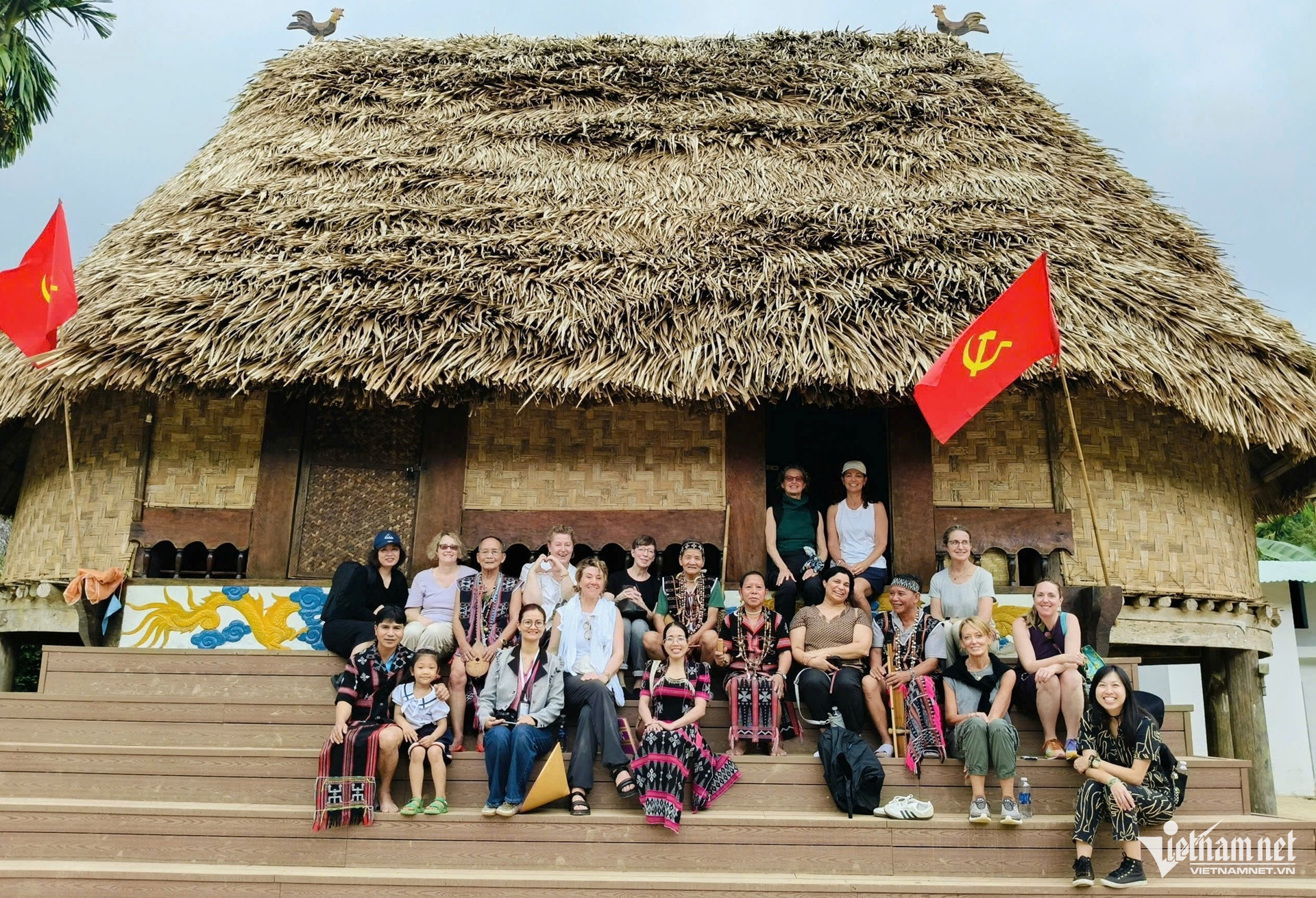
Welcoming visitors has also created new economic opportunities. Gong performers and dancers take part in cultural shows, weavers display handmade brocade products, and local households prepare traditional dishes and regional specialties.
As a result, the gươl has become not only a place where Co Tu culture is preserved, but also where it continues to be practiced, shared and transformed into sustainable livelihoods. As long as these traditions remain part of everyday life, the spirit of the village will continue to endure across generations.
Ha Nam
.svg)
