 Vietnamnet.vn

 Podcast



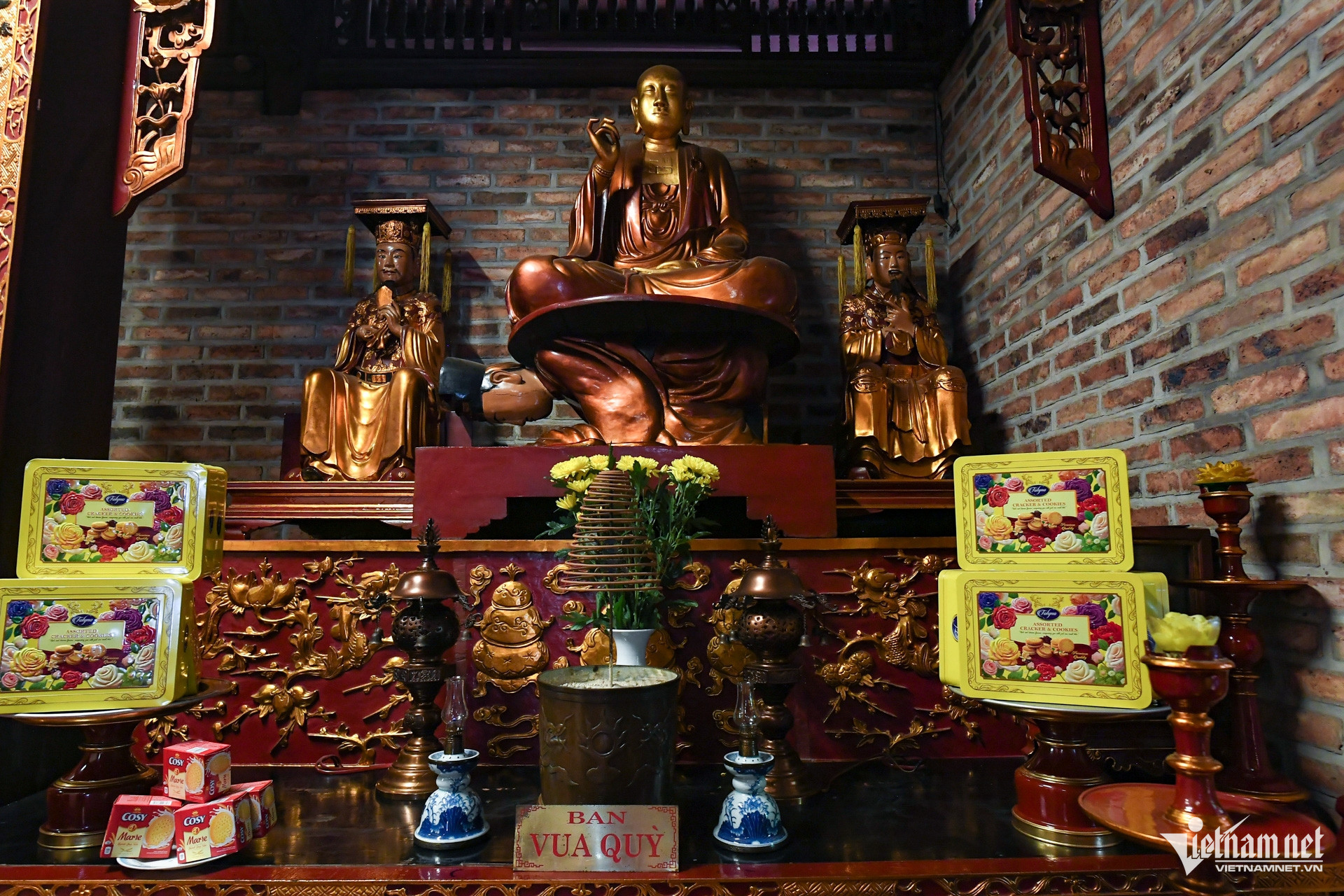
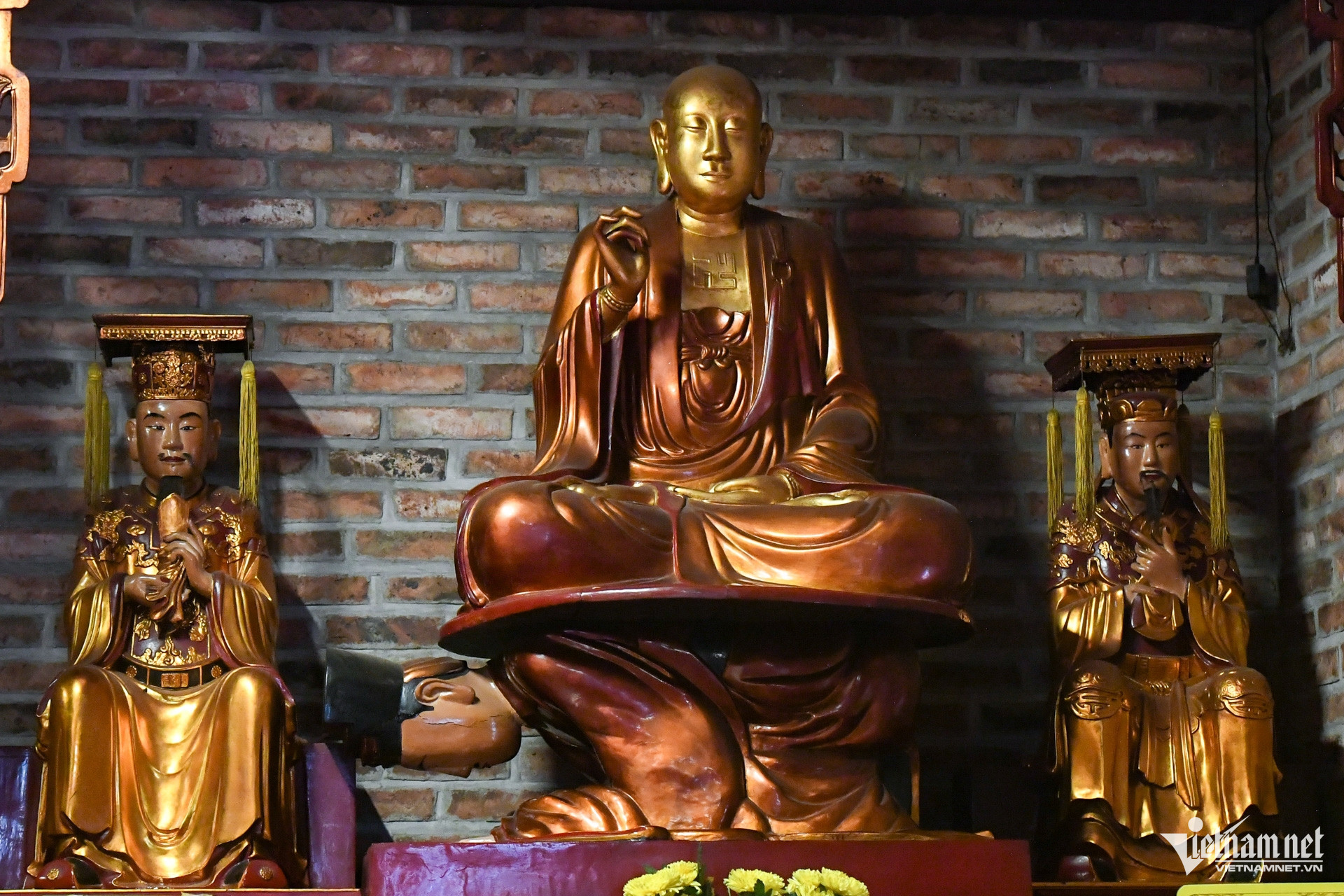
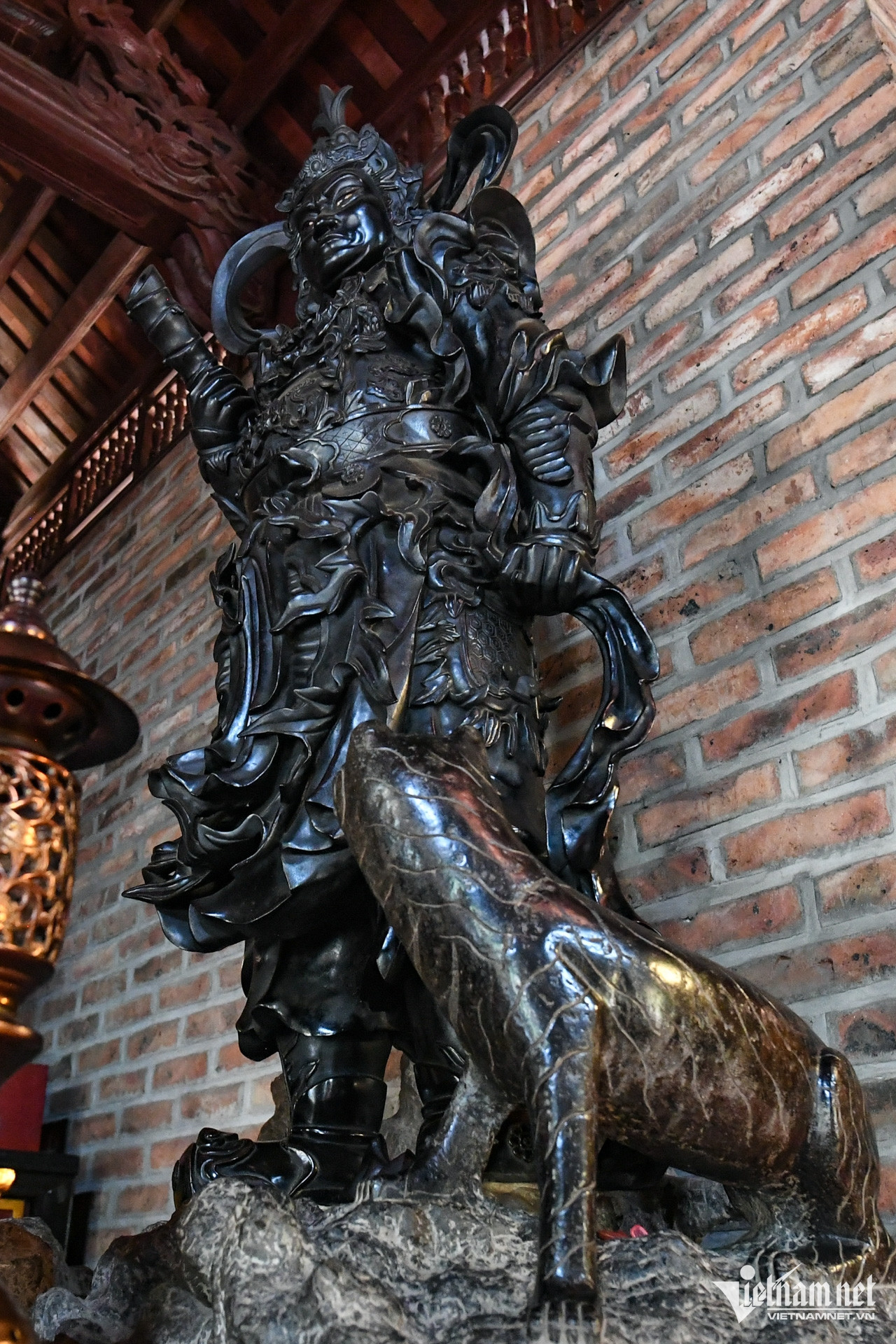
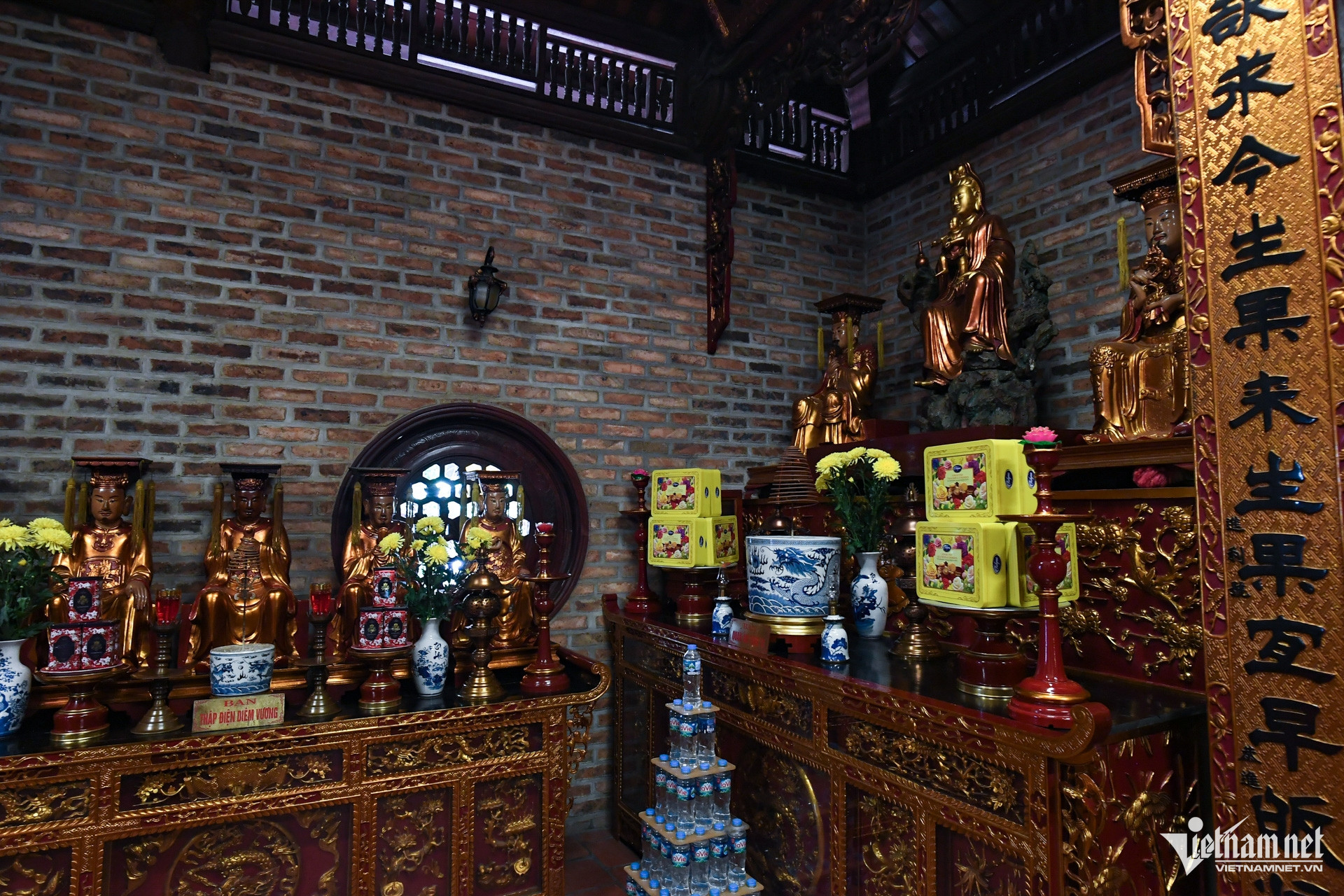
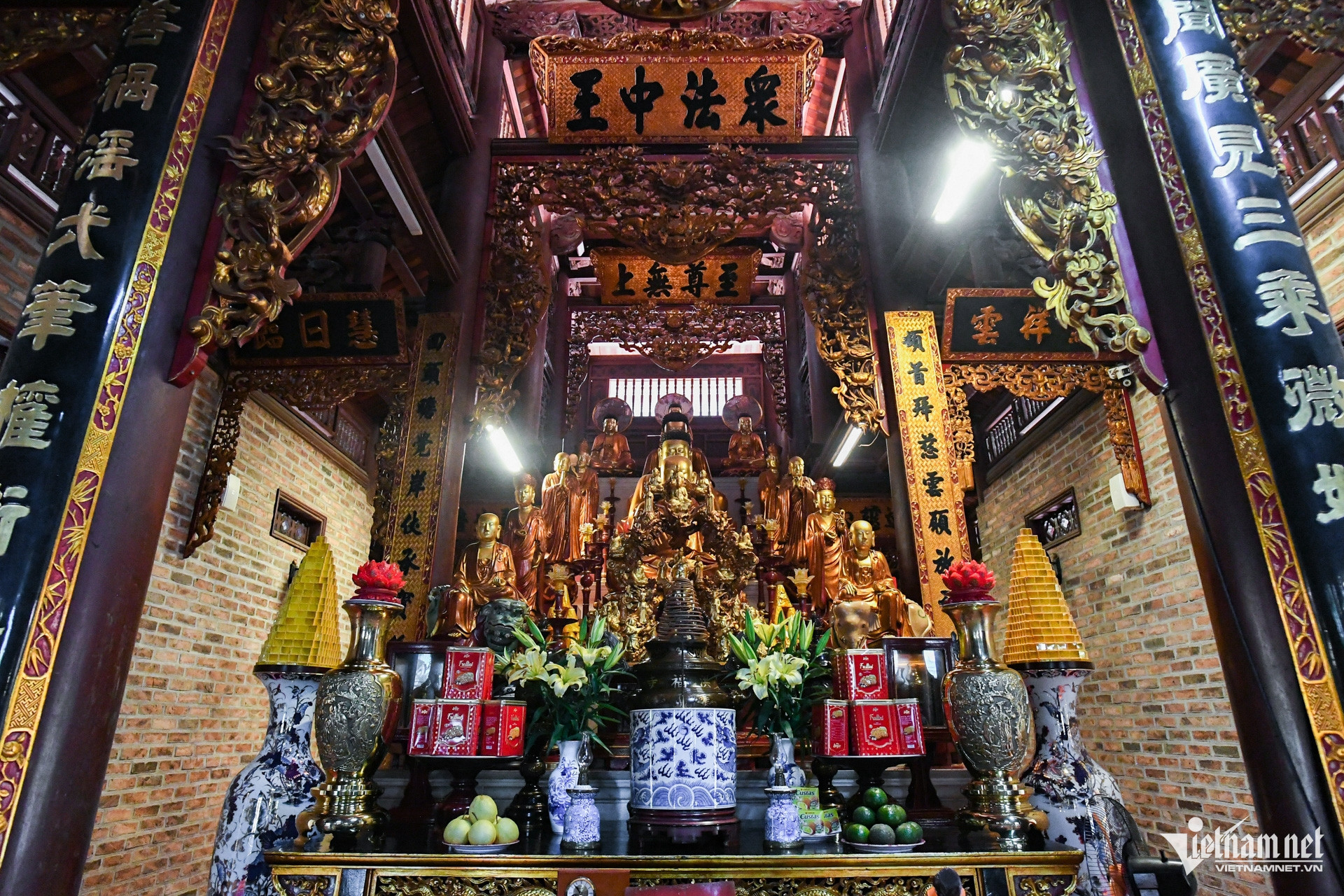
Inside the quiet sanctuary of Hoe Nhai Pagoda in Hanoi, among statues adorned with red lacquer and gold leaf, one striking sculpture makes first-time visitors stop and look.
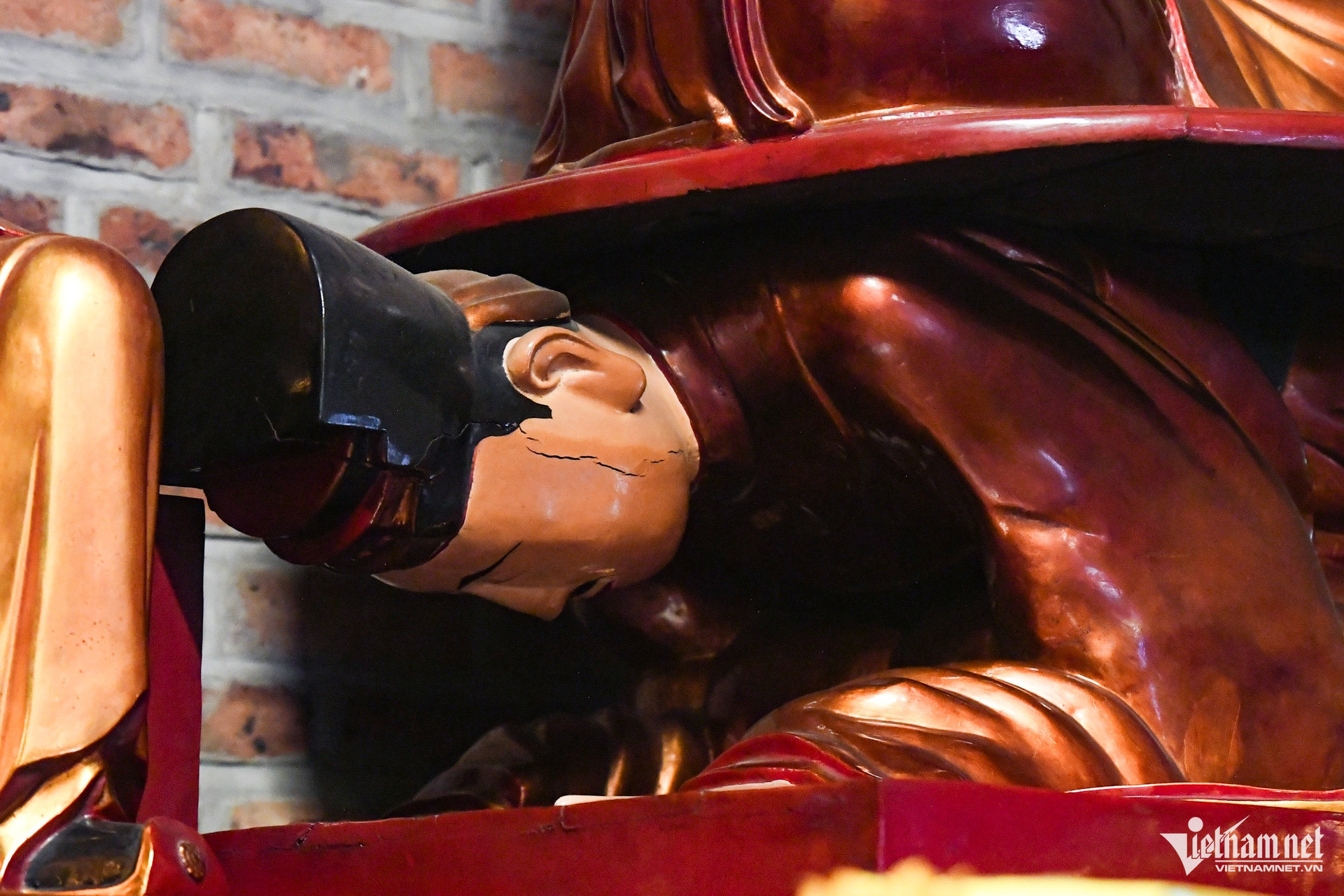
It depicts a figure dressed in royal robes, kneeling low with his body bent forward. A lotus throne rests on his back, supporting a Buddha seated peacefully above him.
The sculpture is commonly known as "the king carrying the Buddha," "the Buddha seated on the king's back" or "the repentant king."
When the most powerful man chose to bow
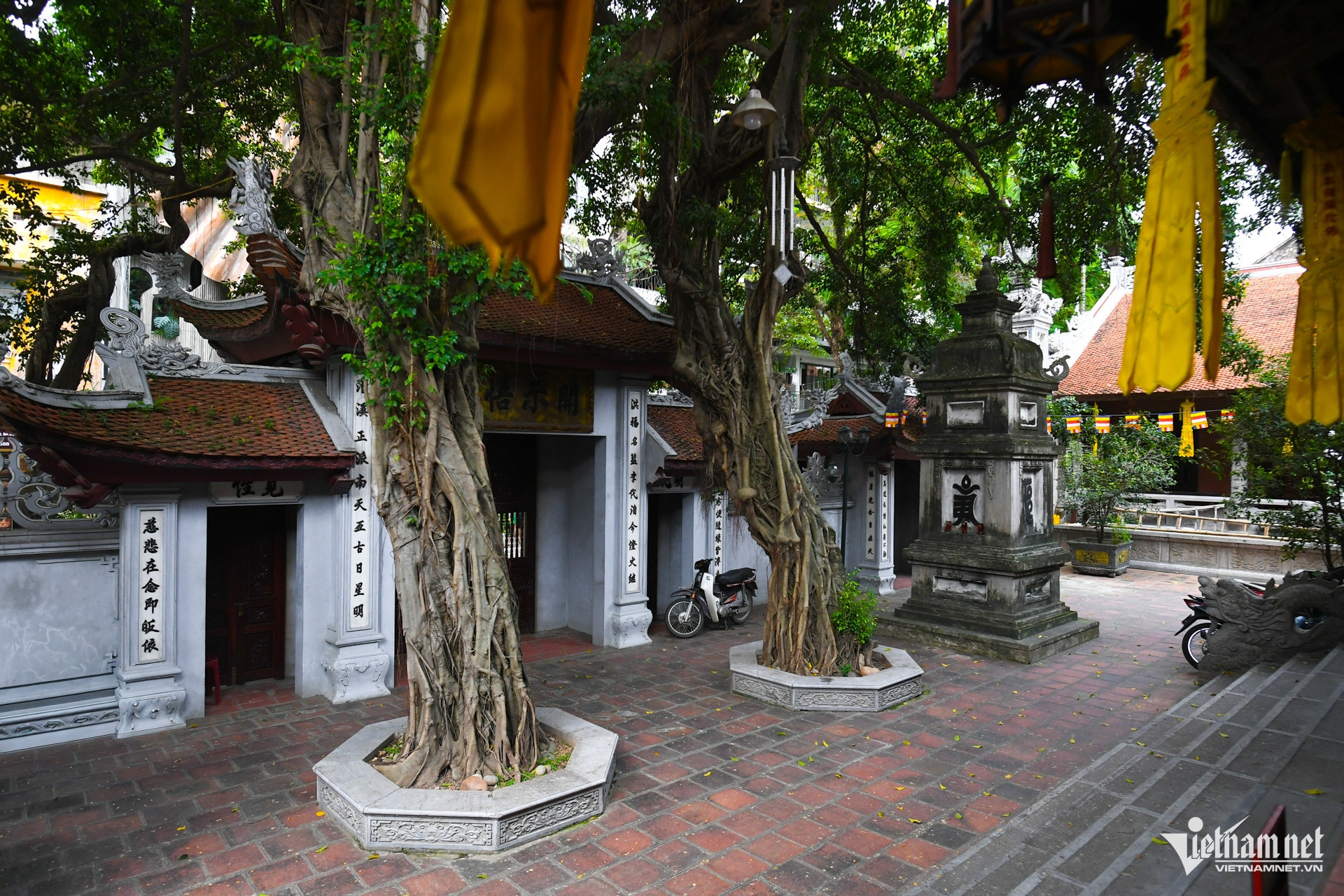
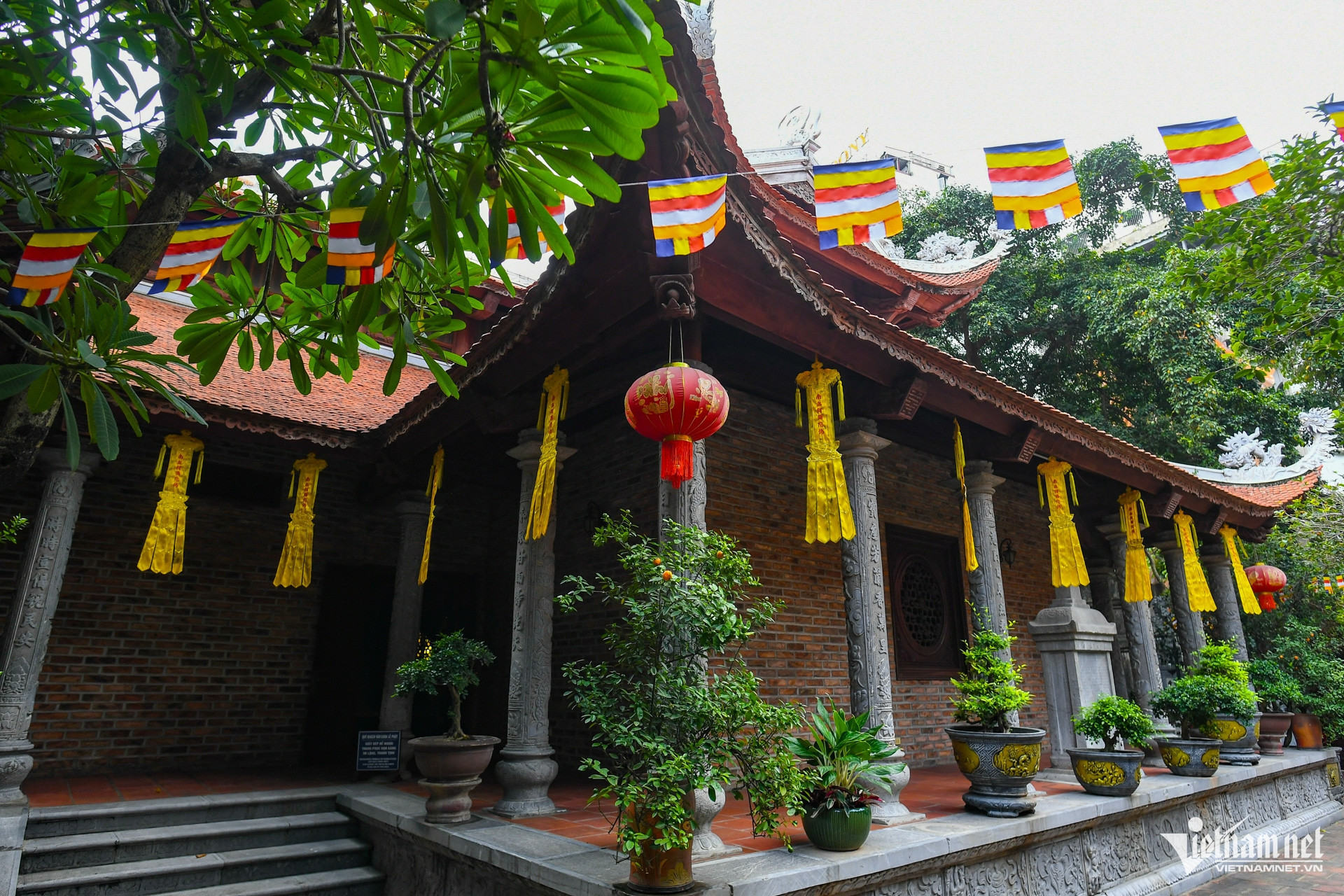
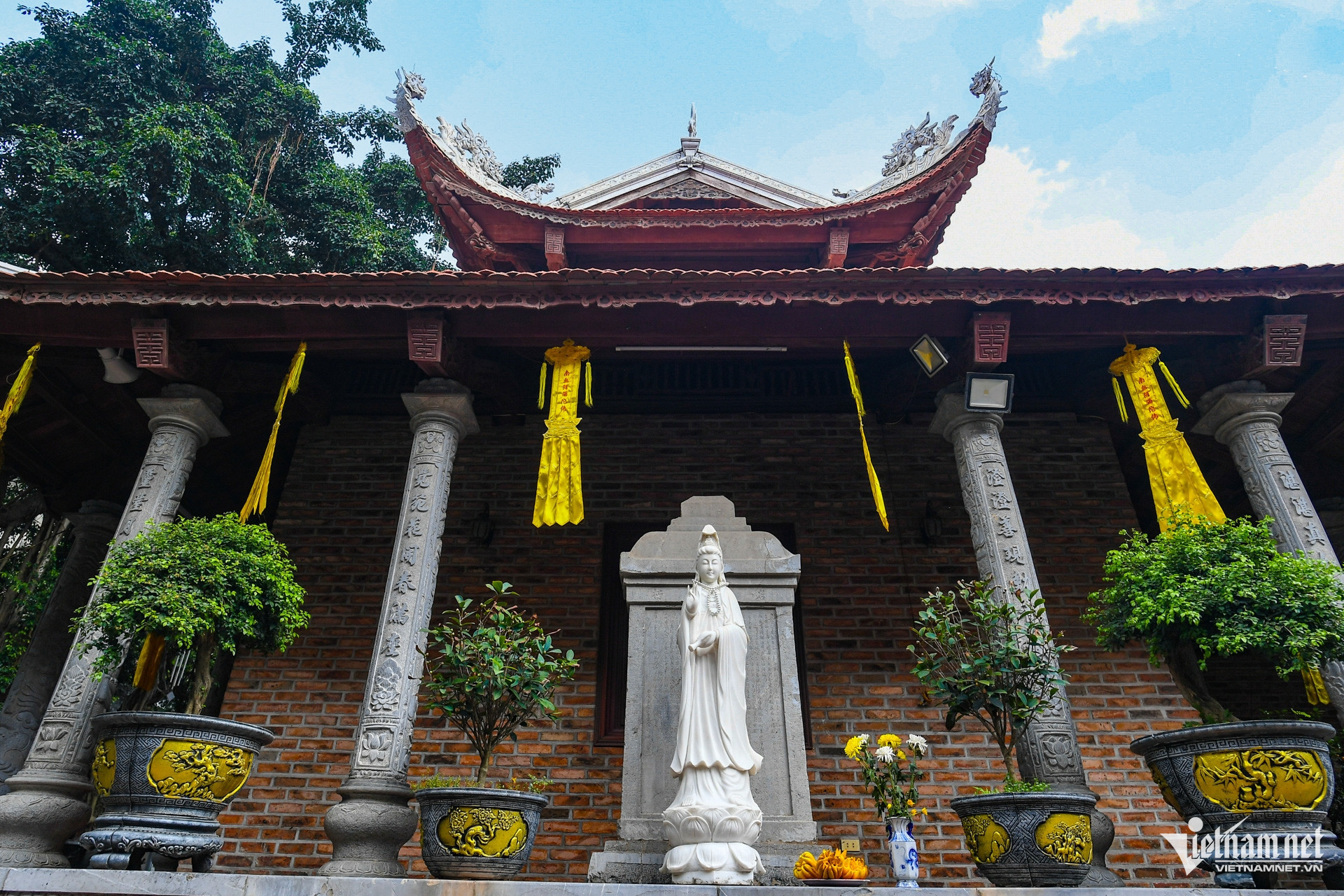
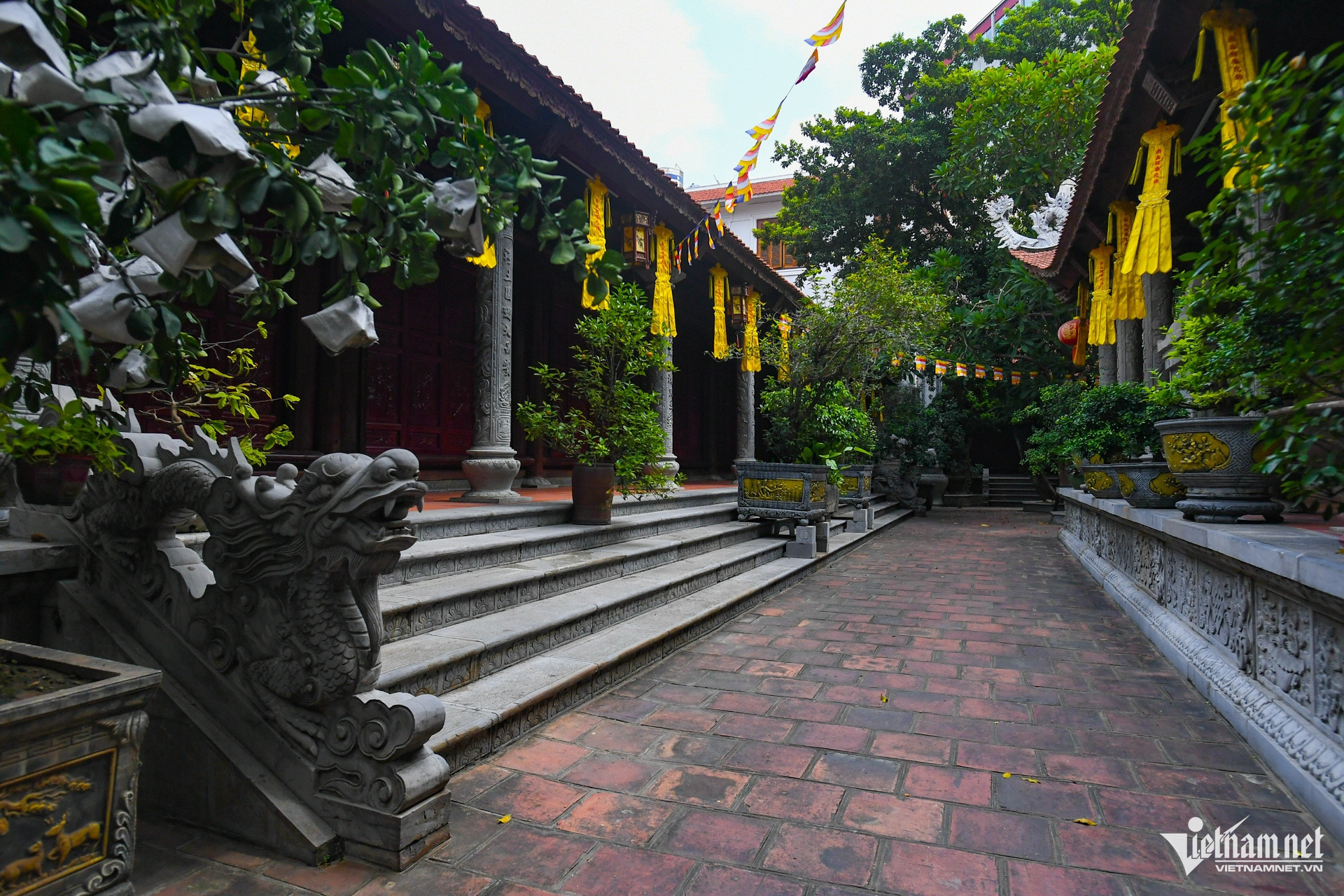
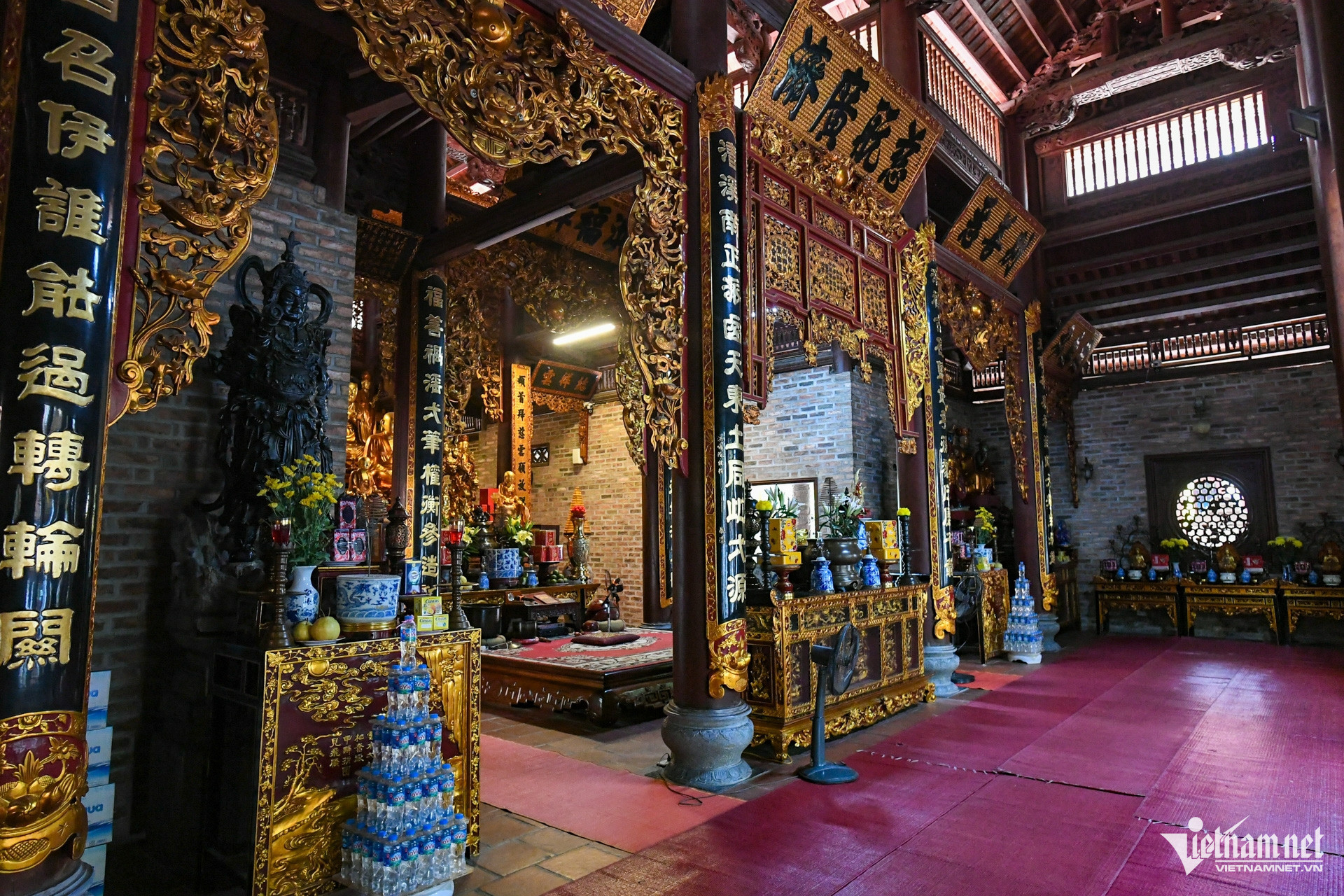
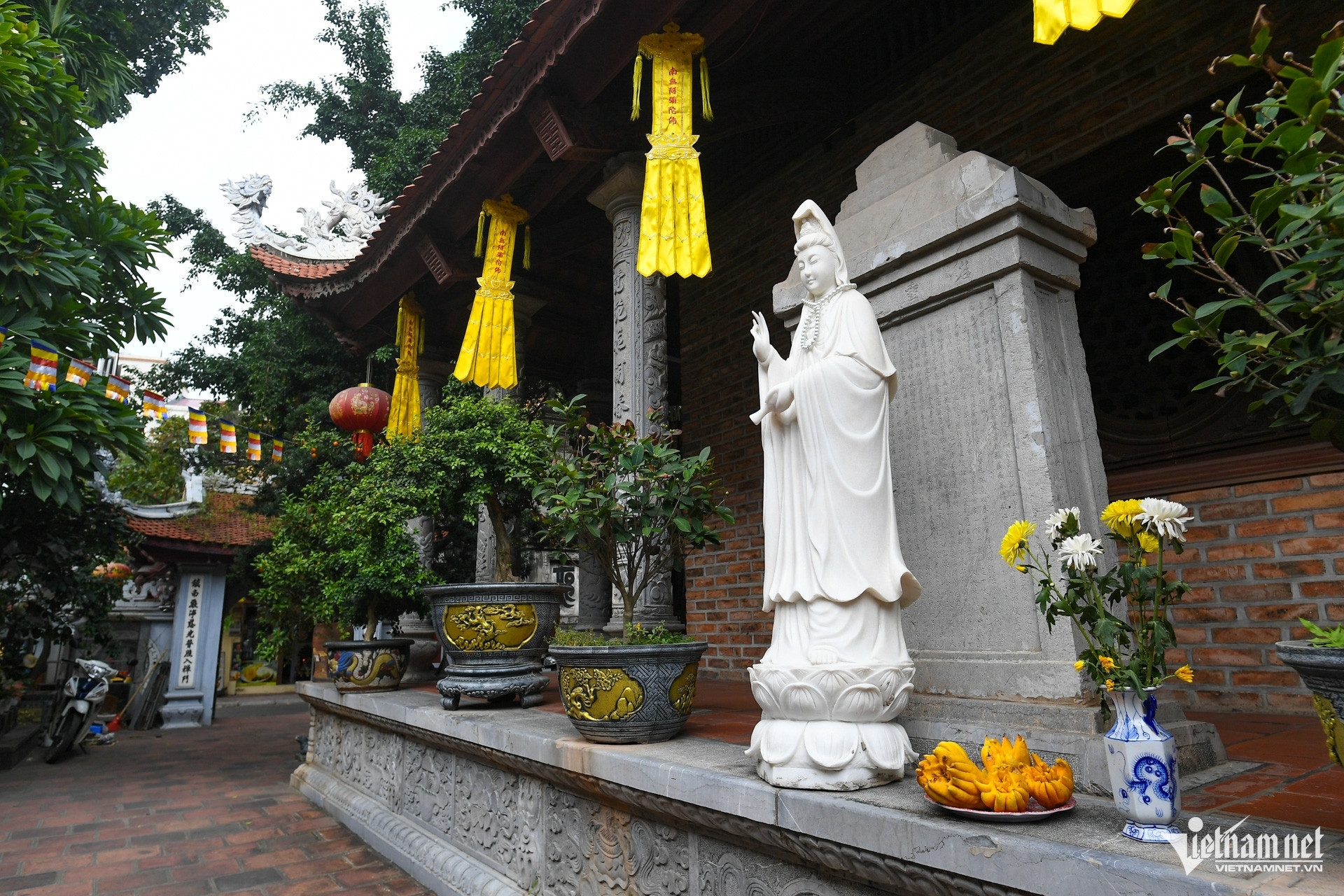
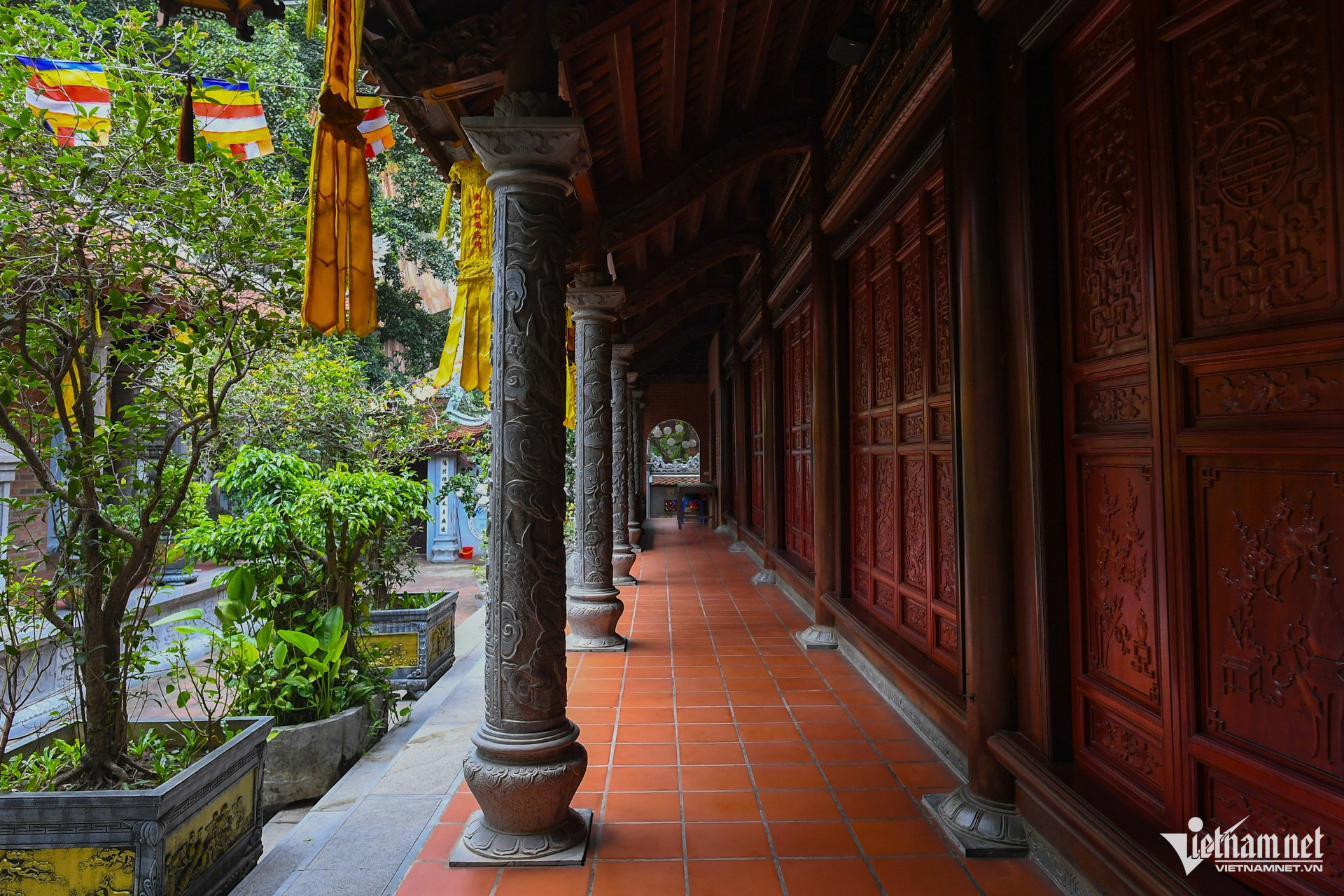
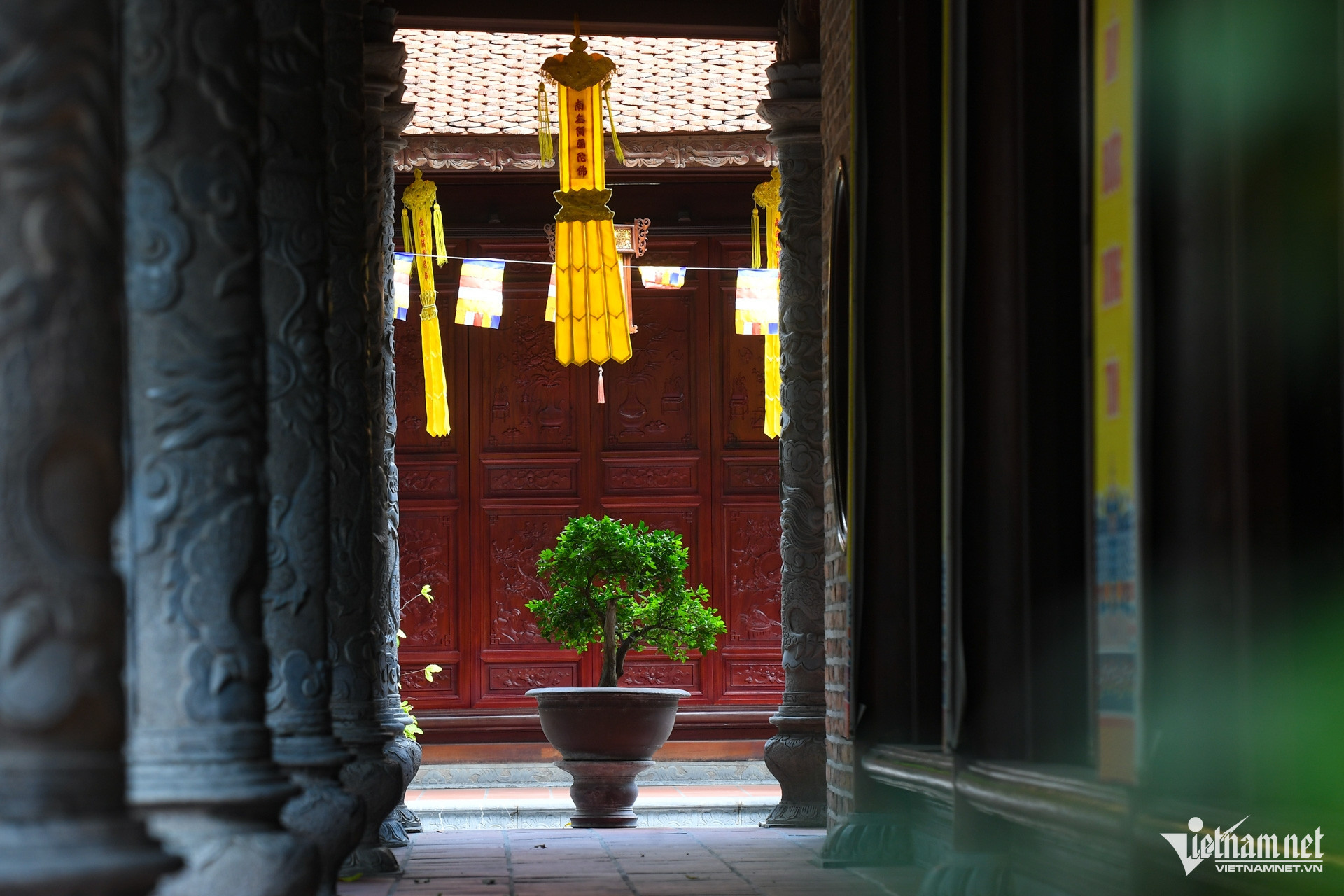
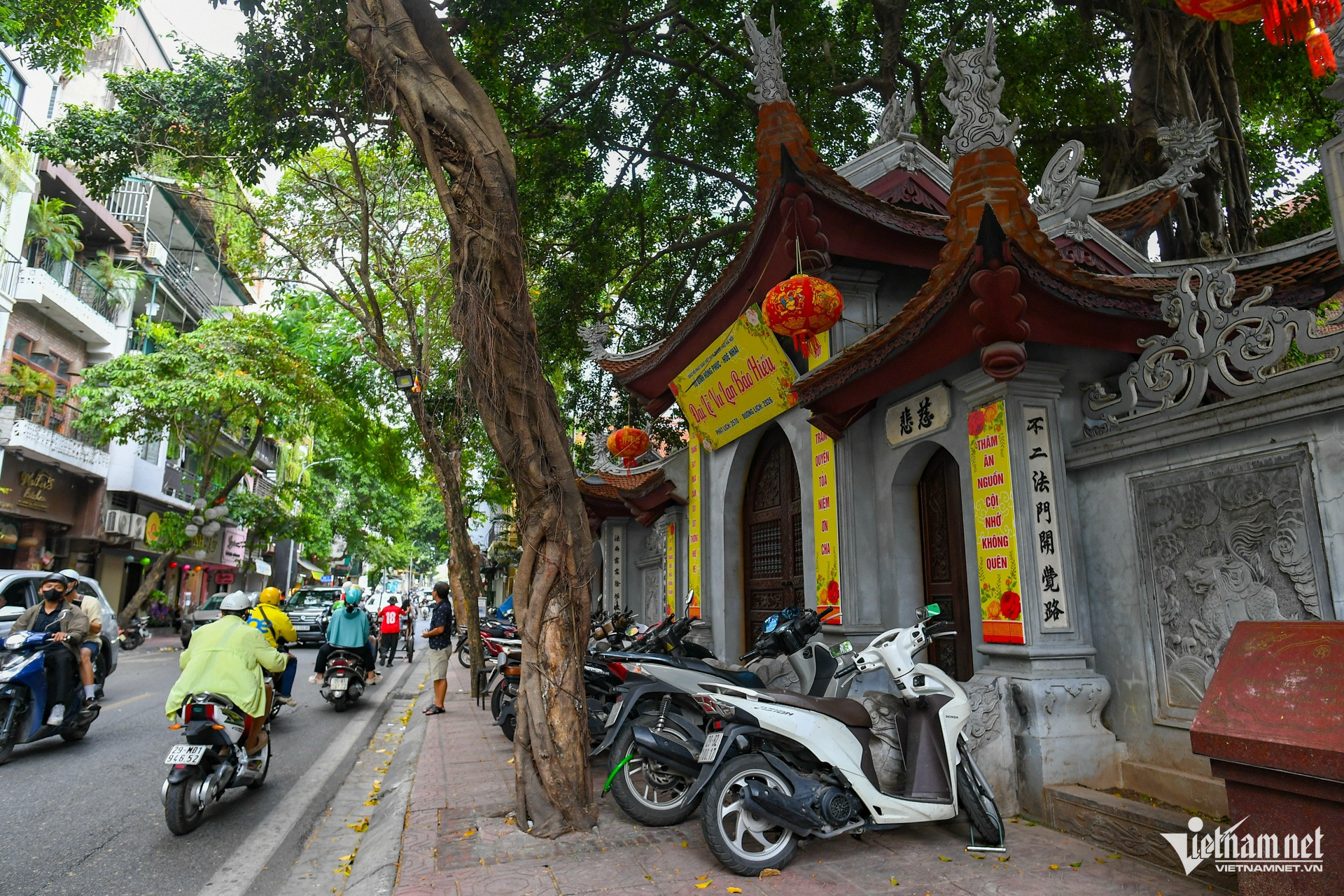
Hoe Nhai Pagoda, also known as Hong Phuc Pagoda, is an ancient Buddhist temple in the former imperial capital of Thang Long, now Hanoi. It is also an important site associated with the transmission of the Tao Dong school of Zen Buddhism in northern Vietnam.
Temple records and Buddhist studies link this unusual sculpture to King Le Hy Tong and Zen Master Tong Dien.
According to a story passed down through generations, during the reign of Le Hy Tong, Confucianism held a prominent position in political life, while Buddhism no longer enjoyed the influence it had exercised under the earlier Ly and Tran dynasties.
The king reportedly introduced policies restricting Buddhist monks, affecting temples and monastic life.
Zen Master Tong Dien, a patriarch of the Tao Dong tradition in northern Vietnam, is said to have sought an opportunity to counsel the monarch.
After listening to the monk's advice and reflecting on it, the king reportedly changed his attitude toward Buddhism.
Against this historical and religious backdrop, the sculpture of the repentant king is understood as a symbol of acknowledgment and personal transformation by someone who once occupied the highest position in the secular hierarchy.
Some Buddhist accounts refer to the image as Di than vi sang, meaning "using one's own body as a seat," with the king's body serving as a throne for the Buddha.
Yet the significance of the sculpture extends beyond the story of a monarch reversing a decision.
Viewed solely in that light, it would be little more than a historical anecdote.
But through the image of a king kneeling, bending forward and carrying the Buddha on his back, the story takes on a deeper meaning.
Even someone with the authority to shape the lives and destinies of countless others can come to recognize the limitations of his own judgment.
Repentance is more than asking for forgiveness
In everyday life, repentance is often understood simply as admitting wrongdoing and asking to be forgiven.
In Buddhism, however, the concept carries a deeper meaning.
It is not merely a matter of saying that one was wrong, nor is it a ritual that, once completed, somehow erases the past.
True repentance begins with the willingness to examine one's actions, understand what led to them and, most importantly, make the changes necessary to avoid repeating the same mistakes.
This is what makes the sculpture at Hoe Nhai Pagoda so compelling.
The king is not shown sitting on a throne, holding a royal scepter or standing before his courtiers.
He is kneeling.
According to Buddhist interpretations of the sculpture, the repentant king is not being punished or humiliated. Rather, the image represents his willingness to correct himself.
What he sets aside is the ego that so often accompanies power.
What he raises above himself need not be understood as another form of authority superior to his own.
In Buddhist symbolism, the Buddha also represents enlightenment, wisdom and the ability to overcome ignorance.
The gesture is therefore not simply about a king submitting to a higher figure. It is about a person in power recognizing something greater than his own pride.
Power does not make anyone immune to mistakes
Perhaps the reason the sculpture at Hoe Nhai Pagoda continues to resonate centuries later is that its message reaches far beyond the life of one king.
Every era has people who exercise authority in different forms.
Some make public policy. Others lead organizations, teach students or raise children.
Even within a family, one person may have considerable power over the decisions that shape another person's life.
Power itself is not necessarily a bad thing.
Societies need authority to maintain order, organize collective efforts and establish responsibility.
The difficulty is that power can easily create an illusion: those who have the right to make decisions may begin to believe they are also always right.
The sculpture of the king carrying the Buddha presents a question from the opposite direction.
If even a monarch can be wrong, what prevents authority from turning into stubbornness?
In the story preserved at Hoe Nhai Pagoda, the turning point does not come when the king is defeated by someone more powerful.
It comes when he listens.
A Zen master offers counsel. The king reflects on what he hears and changes his course.
And in the ancient sculpture, this recognition of the limits of power is expressed through one remarkably simple gesture: bowing down.
Bowing down does not make a person smaller
In religious life, the act of bowing or kneeling can sometimes appear, to an outside observer, to be a gesture of submission.
But for those who practice a faith, its significance is not necessarily about lowering one's status.
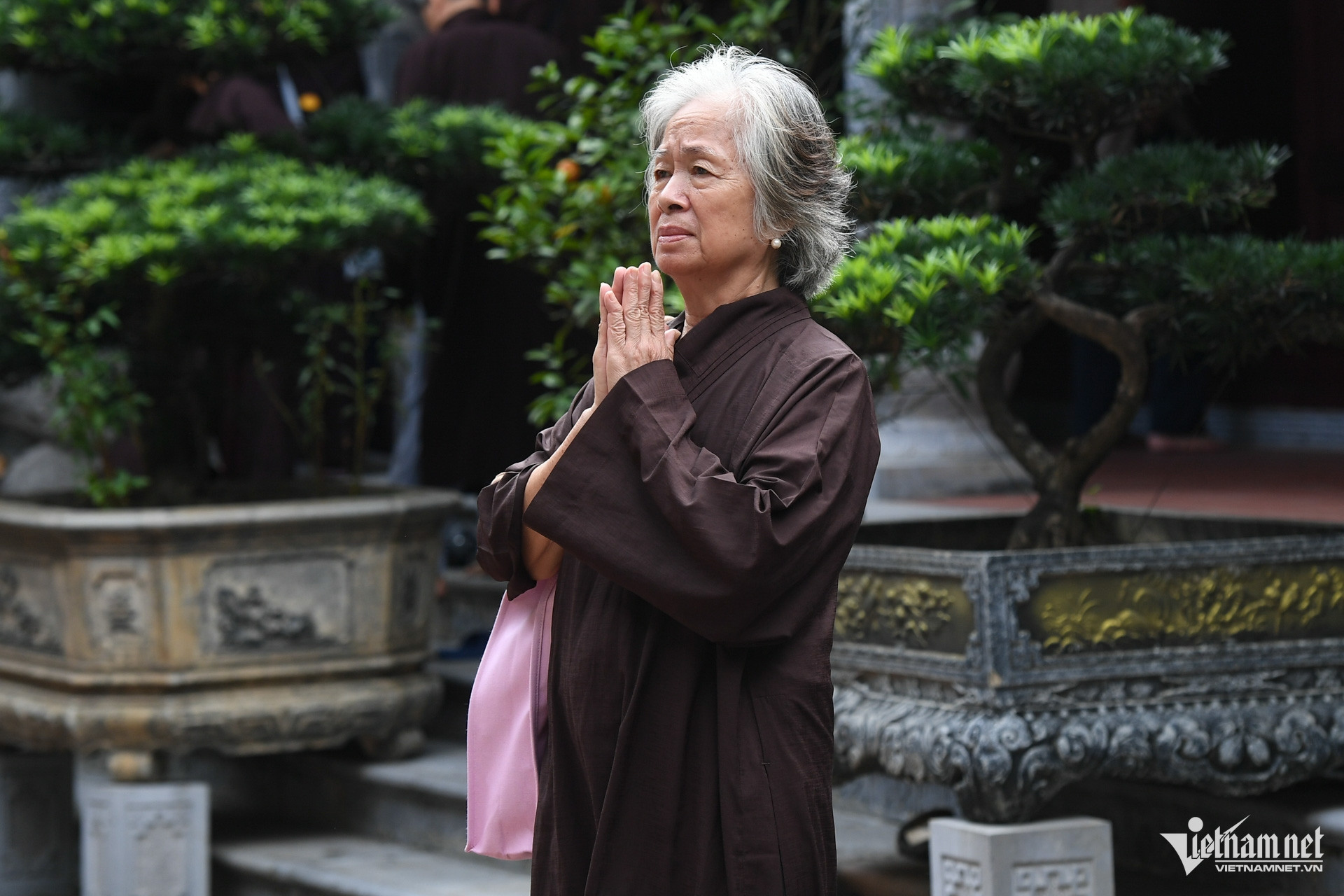
When Buddhists bring their palms together or bow before an image of the Buddha, they are not merely paying respect to a figure outside themselves.
The gesture can also serve as a reminder of the qualities that the Buddha represents: compassion, wisdom and mindfulness.
In that sense, bowing before the Buddha can also mean acknowledging the limitations within oneself, including anger, attachment, greed and ignorance.
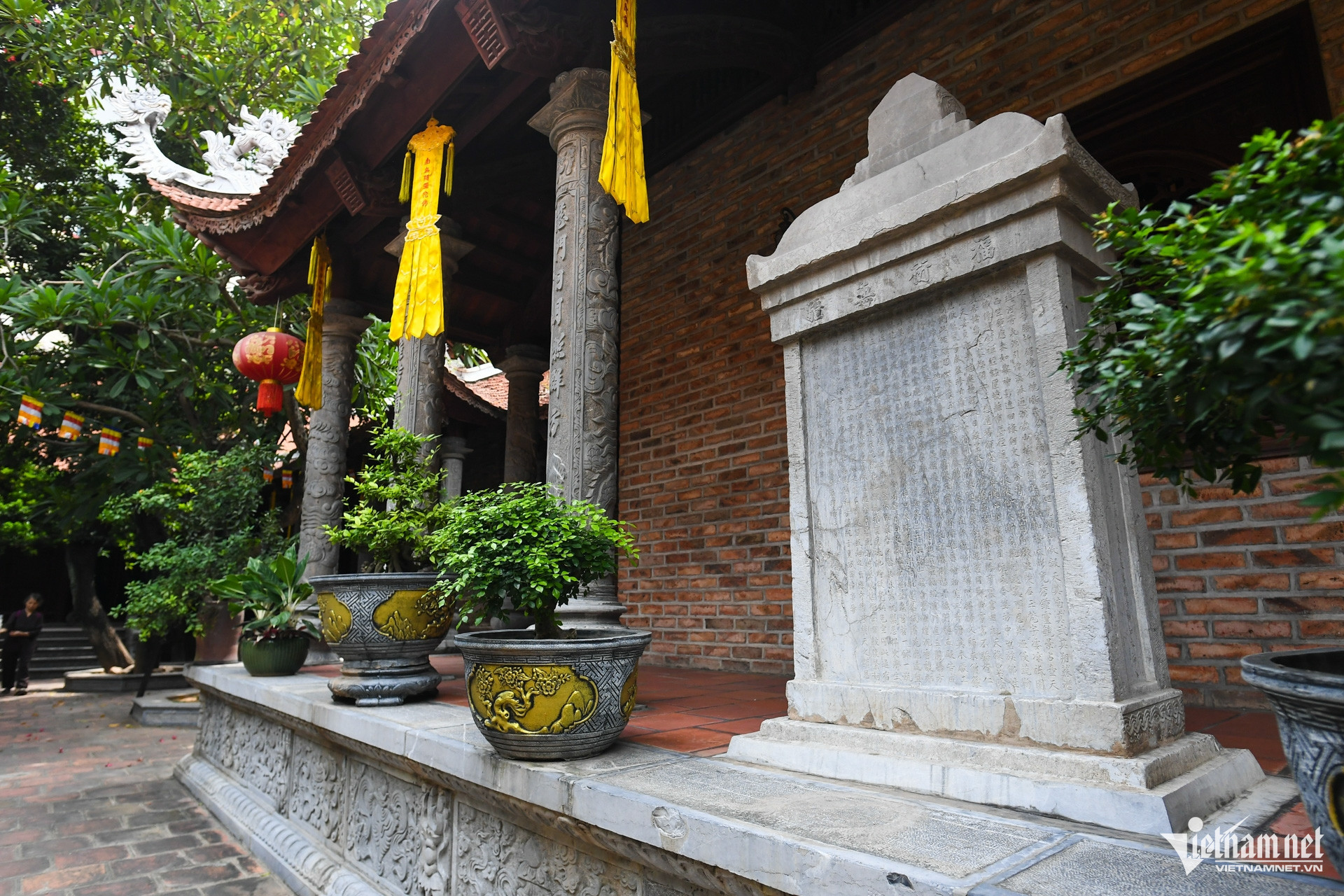
Hoe Nhai Pagoda preserves numerous ancient statues and historical traces associated with the Buddhist heritage of Thang Long.
It is also recognized as an important ancestral temple of the Tao Dong Zen tradition in northern Vietnam.
Yet among its many sacred images, the sculpture of the king carrying the Buddha stands apart because it places a profoundly human question at the center of a religious setting.
The kneeling monarch need not be seen as a tragic or diminished figure.
On the contrary, the image can be understood as the moment when a person begins to regain mastery over himself.
At that point, the greatest form of power is no longer the ability to command others.
It is the ability to change oneself.
Hundreds of years have passed, but visitors to Hoe Nhai Pagoda still know the sculpture by its simple, memorable name: "the king carrying the Buddha."
And in the Buddhist spirit, kneeling or bowing to carry the Buddha does not make a person smaller.
Sometimes, it is precisely by bowing down that a person discovers how to stand tall in an entirely different way.
Thach Thao - Thai An
.svg)
