 Vietnamnet.vn

 Podcast



From a community art project once warmly received, the music video Nguoi Viet minh thuong nhau (Vietnamese people love one another) composed by Chau Dang Khoa has unexpectedly become the center of controversy over the lyric: “Lua chin cao nhung chang he cui dau” (Ripe rice stands tall but never bows).
At its core, the image of “ripe rice bowing” is rooted in natural biology. As rice matures, its grains become heavier, causing the stalk to bend downward. This bending signals a fruitful harvest. By contrast, rice that remains upright when ripe is often hollow and unproductive.
Beyond agriculture, the image carries deep cultural and educational meaning in Vietnam. “Ripe rice bows” has long served as a metaphor for humility, suggesting that those with true ability tend to be modest. It reflects a philosophy that the more accomplished a person is, the less they need to display themselves outwardly.
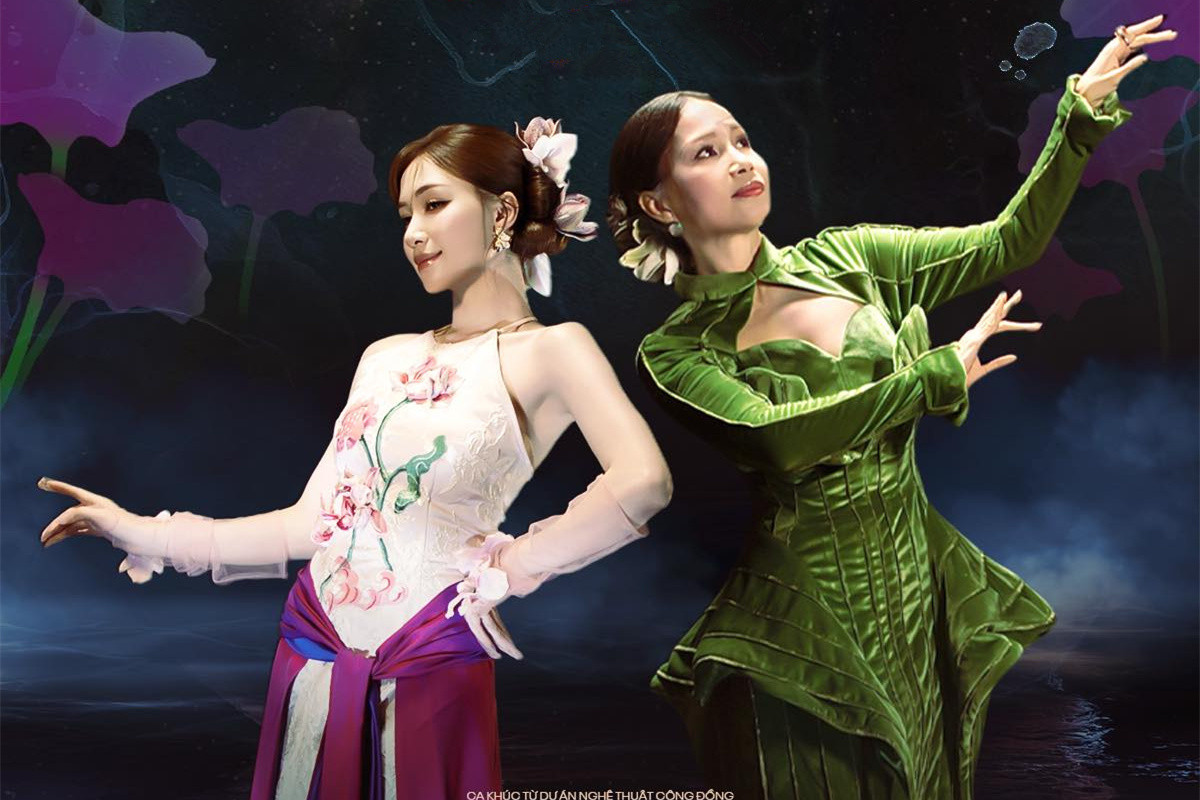
Singers Cam Ly (right) and Hoa Minzy appear in the music video. Photo: FBNV
In this context, “bowing” signifies humility rather than submission - a quiet confidence that does not rely on external validation or boastfulness.
The metaphor appears in many familiar Vietnamese sayings: “Deep rivers flow quietly, ripe rice bows low”; “Ripe rice bows, the humble speak little”; or “Bowing is rice, standing tall is wild grass.”
In a lengthy response, composer Chau Dang Khoa repeatedly emphasized that the lyric was intended as a metaphor for the Vietnamese spirit - resilient, proud, and unyielding in the face of adversity.
However, two key issues remain unaddressed and have failed to convince the public.
First, the phrase “ripe rice stands tall but never bows” is inherently controversial. It contradicts both natural law and a deeply ingrained cultural symbol recognized across generations in literature, art, and education.
If Chau Dang Khoa aimed for bold and creative expression, the expectation would be a work of equal artistic depth and refinement. Unfortunately, Nguoi Viet minh thuong nhau is seen as a relatively basic production, making the explanation less persuasive to audiences.
Second, the use of the word “but” raises unresolved questions. The relationship between “ripe rice stands tall” (symbolizing talent) and “never bows” (symbolizing resilience) is unclear. The two ideas are not inherently contradictory or concessive.
Using “but” to emphasize defiance appears forced. Without a clearer artistic rationale, it risks being perceived as naïve writing - an impression reflected in public reactions.
Concerns over the patriotic music trend
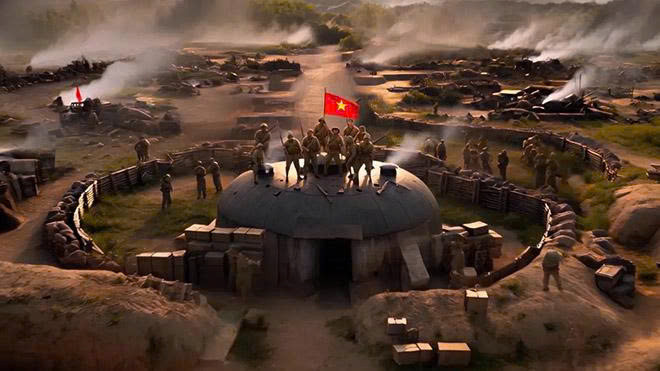
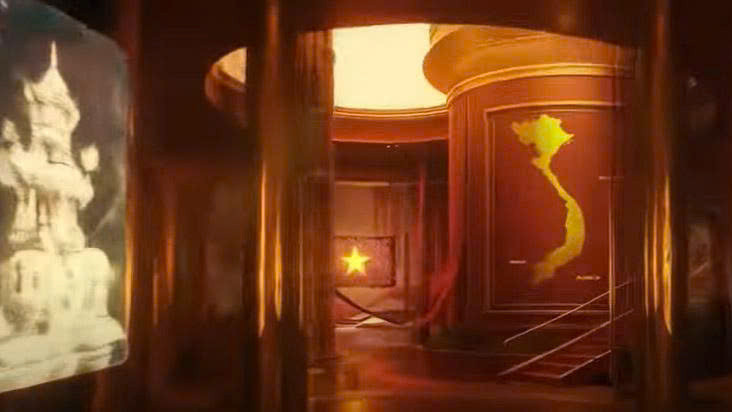
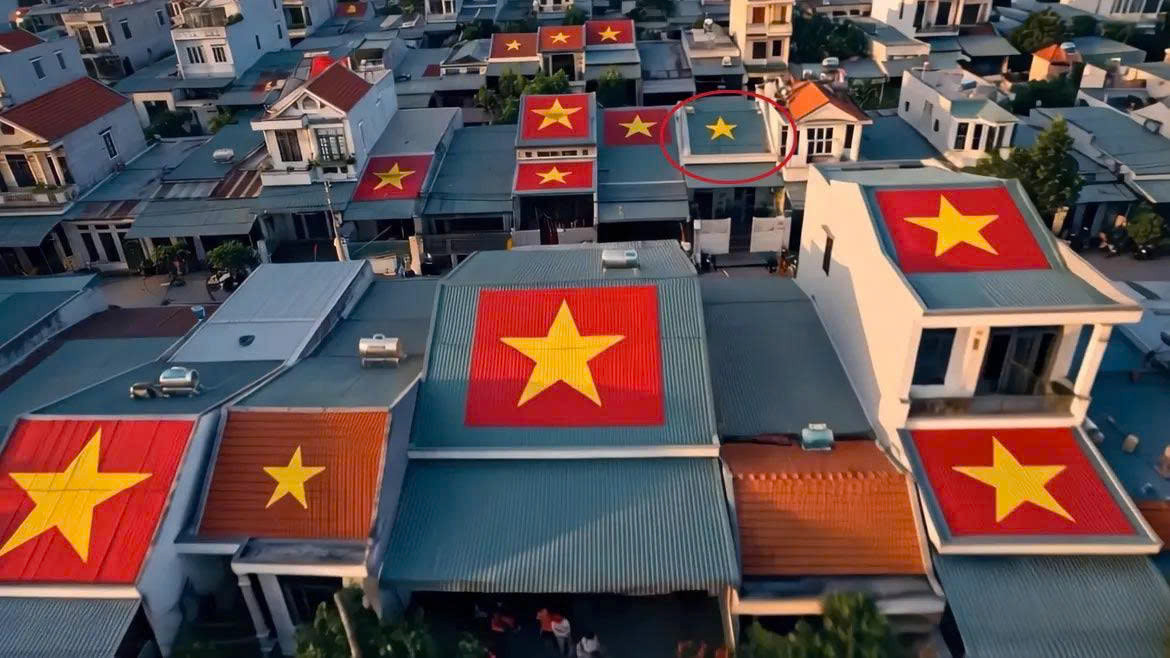
Following this controversy, many Vietnamese listeners have expressed concern about the growing wave of patriotic music.
In a time when national momentum is rising, the cultural and artistic sphere has become more vibrant than ever. Artists are actively participating in patriotic themes, and audiences have shown strong support.
However, the rapid and large-scale production of such works raises concerns about declining quality. Some products appear rushed, lacking refinement, and in certain cases even containing basic errors.
Prior to this incident, the AI-produced music video "Kiep sau van la nguoi Viet Nam" (In the next life, still Vietnamese) faced heavy criticism for numerous flaws, including historical inaccuracies. The production team eventually removed the video from platforms but did not issue an apology for the mistakes.
Speaking to VietNamNet, musician and music critic Nguyen Quang Long expressed optimism that younger generations are increasingly engaging with major themes such as the nation, homeland, and identity.
He noted that younger artists bring fresh perspectives, emotions, and aesthetics, helping these themes resonate with contemporary audiences and ensuring continuity across generations.
In that sense, the growing number of composers, performers, and works is, at first glance, a positive sign.
Yet, as he pointed out, “more” does not necessarily mean “better.” While young artists possess abundant creativity, experience and artistic maturity take time to develop.
Observing recent works, Nguyen Quang Long found the musical elements to be diverse, but sometimes lacking distinct identity. Lyrics can be difficult to grasp, overly grandiose, or even hollow.
According to him, the most important element of a song - especially one that praises the nation, homeland, or country - lies in its imagery and symbolism.
“Not every grand statement can touch emotions. On the contrary, it is often concrete, evocative images that create lasting vitality,” he said.
He cited the dan bau, a traditional monochord instrument, as an example of a powerful cultural symbol. In the song Dat nuoc (The homeland) (Pham Minh Tuan - Ta Huu Yen), the image of a “drop of dan bau sound” transcends mere music to represent the soul of the nation. In Tieng dan bau (The sound of the monochord) Dinh Phuc - Lu Giang), the line “the high note is mother’s voice, the low note is father’s tone” elevates the instrument into a symbol of family, origin, and identity.
Similarly, songs like Tinh ca (Love song) (Hoang Viet) and Dat nuoc tron niem vui (The country in full joy) (Hoang Ha) achieve deep emotional impact without grandiose language, relying instead on clear, relatable, and richly suggestive imagery.
The image of bamboo in Nguyen Duy’s poetry - “Thin stalks, fragile leaves, yet forming strong ramparts” - has been adapted into various musical forms, symbolizing the Vietnamese spirit: resilient, united, and steadfast through hardship.
Like bamboo, rice also carries strong symbolic value. Young rice shoots rise upward, while mature rice bows down - a cycle that reflects both prosperity and humility, as well as the spirit and character of the Vietnamese people.
Long emphasized that the issue is not about writing quickly or slowly, nor about producing many or few works, but about how artists approach their craft.
“It is essential to carefully consider when using a concrete image to represent something as profound as national spirit. If a young composer uses an inaccurate image, it should be viewed objectively and fairly, so they can learn and be more careful in future works,” he said.
He believes that audiences are ultimately fair. Songs with strong imagery and depth will endure, while others will fade. Within the current flow, he is confident that truly mature and memorable works will continue to emerge.
Mi Le
.svg)
