 Vietnamnet.vn

 Podcast



They not only convey Party and State policies but also work directly with local people to reshape long-held mindsets and build more prosperous lives.
Reaching communities with genuine commitment
Although he has been retired for nearly two years, Nong Duc Ngoc still vividly recalls more than nine years working as head of the Ethnic Affairs Committee in Lao Cai province. For him, field trips - where he could see and hear firsthand the lives of ethnic communities - remain unforgettable.
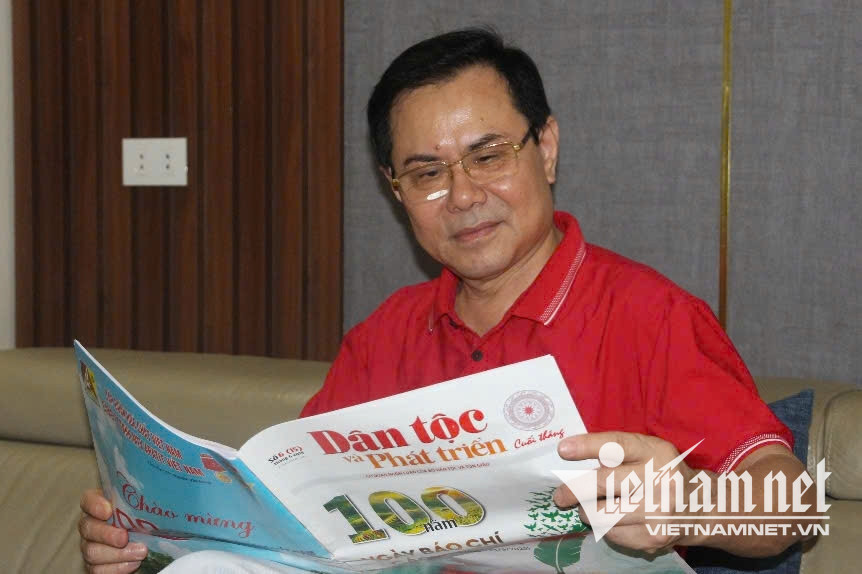
Although retired, Nong Duc Ngoc continues to follow news and developments related to ethnic minority communities. Photo: Trong Bao
According to Ngoc, those working in ethnic affairs must approach communities with sincerity and dedication. Listening to people’s concerns and aspirations helped him and his colleagues advise provincial leaders on policies that effectively addressed challenges in ethnic minority areas.
“We always believed that the faster and more effectively Party guidelines and State policies are implemented, the sooner they can meet the expectations of ethnic communities,” he said. “Those working in this field must be committed and deeply concerned about people’s difficulties.”
In recent years, Lao Cai has introduced numerous policies to promote socio-economic development in ethnic minority areas. With active input from the provincial Ethnic Affairs Committee, the provincial Party Committee issued Directive No. 33 in 2017 and Resolution 43-NQ/TU to strengthen leadership in preventing child marriage and consanguineous marriage.
“These policies became a guiding framework for local authorities,” Ngoc recalled. “They helped fundamentally change awareness and gradually reduce early marriage and consanguineous unions in remote villages.”
Thanks to sustained investment and coordinated efforts, living conditions in ethnic minority areas of Lao Cai have improved significantly. Alongside institutional support, the role of dedicated officials has been crucial.
Keeping the flame alive through small acts
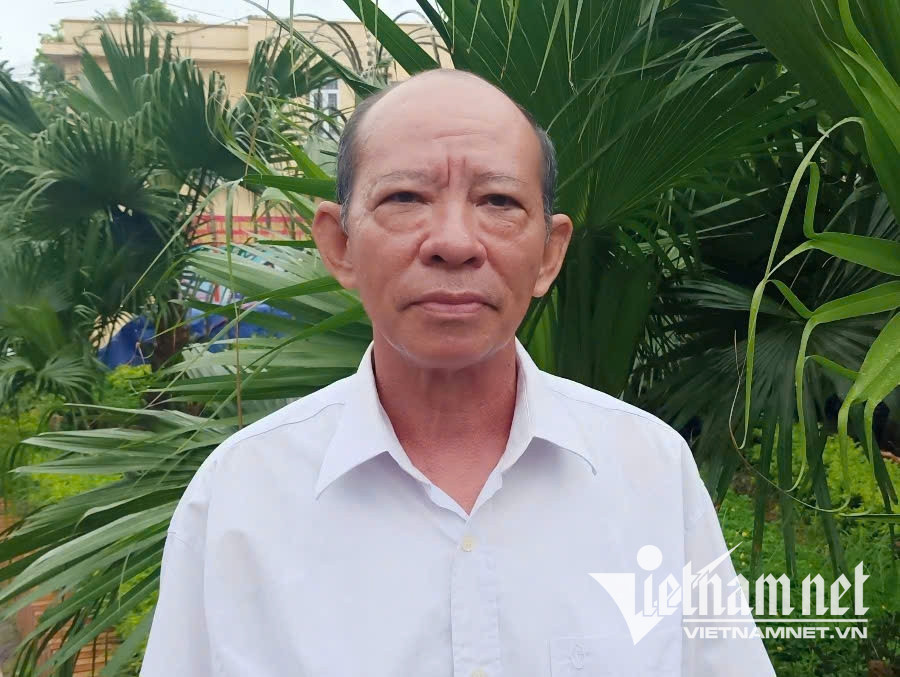
Despite being over 70, Hoang Mit’s eyes still reflect dedication and responsibility when speaking about his role as a respected community figure. Photo: My Dung
Fifteen years after stepping down from leadership, Hoang Mit - a respected figure in Village 1, Ba Che commune, Quang Ninh province - still goes door to door, patiently encouraging changes in deeply rooted habits.
Born in 1951, Mit once held key positions in the former Ba Che district, including vice chairman and chairman of the People’s Committee and chairman of the People’s Council. Since retiring in 2011, he has remained active in community work and is widely trusted.
“To be respected, you must stay close to the people and truly understand them. You cannot expect change after just one conversation,” he said.
One of his most notable efforts came during a campaign encouraging households to voluntarily register to exit poverty between 2016 and 2020.
“Not everyone wants to leave poverty,” he said with a gentle smile, pointing to a persistent mindset of dependence as a major barrier.
Rather than relying on formal meetings, Mit and local officials visited households individually, holding conversations in kitchens over cups of tea.
“You have to understand each family’s situation before explaining that leaving poverty means gaining independence, not losing support,” he explained.
Some households initially hesitated or refused. But through patience and sincerity, attitudes gradually shifted. During that period, 104 households in Ba Che district voluntarily registered to exit poverty - a sign of meaningful change in awareness.
As evening falls, the road in front of his home stays lit, reflecting a new rhythm of life in the highlands. “Seeing people’s lives improve is enough to make me happy,” he said.
Bringing policies closer to Khmer communities
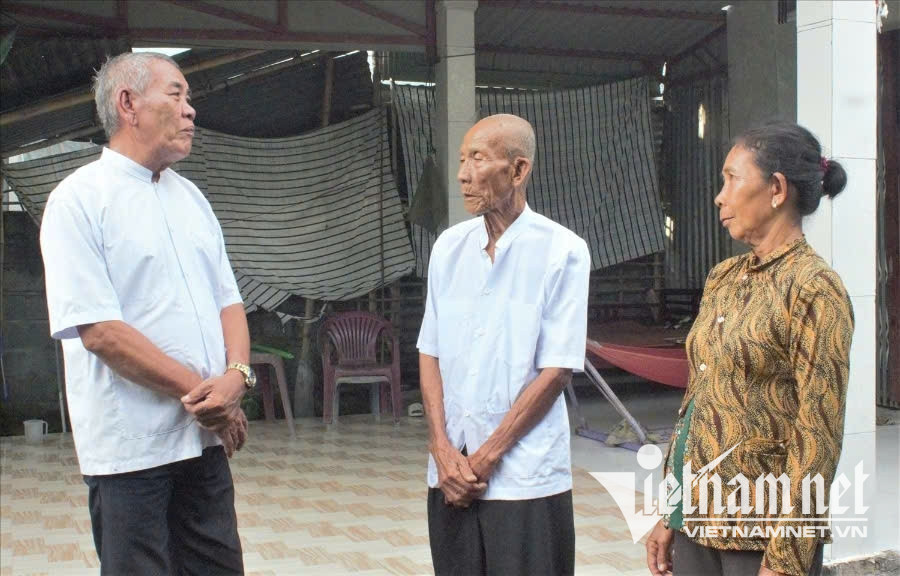
Chau Siem (left) visits households to explain and encourage adherence to Party guidelines and State policies. Photo: Tao Dat
In An Giang province, Chau Siem has spent nearly 20 years as a trusted community figure in Mang Ro hamlet, An Cu commune.
In his home, he keeps a small collection of newspapers and publications - not just as sources of information, but as tools for communication.
He regularly reads materials provided free of charge, keeping up to date with policies on ethnic and religious affairs. He then distills the information into simple, accessible explanations for local residents.
This knowledge has helped him encourage people to abandon outdated customs and adopt more progressive, cost-effective lifestyles.
One notable example is his role in persuading residents to donate land for road construction. Initially, many were hesitant. But through persistence and credibility, Siem helped them understand the long-term benefits. Gradually, more people volunteered land and labor to expand local roads.
Beyond advocacy, he also serves as a bridge between policy and daily life. In Mang Ro, many elderly residents are not fluent in Vietnamese. Siem translates policies into Khmer, making them easier to understand.
As a result, government policies have become more accessible, gradually shaping awareness across the community.
Today, Mang Ro has undergone visible transformation - thatched houses replaced by solid homes, improved infrastructure, and rising living standards. Behind these changes are individuals like Chau Siem.
A pillar of change in a border village
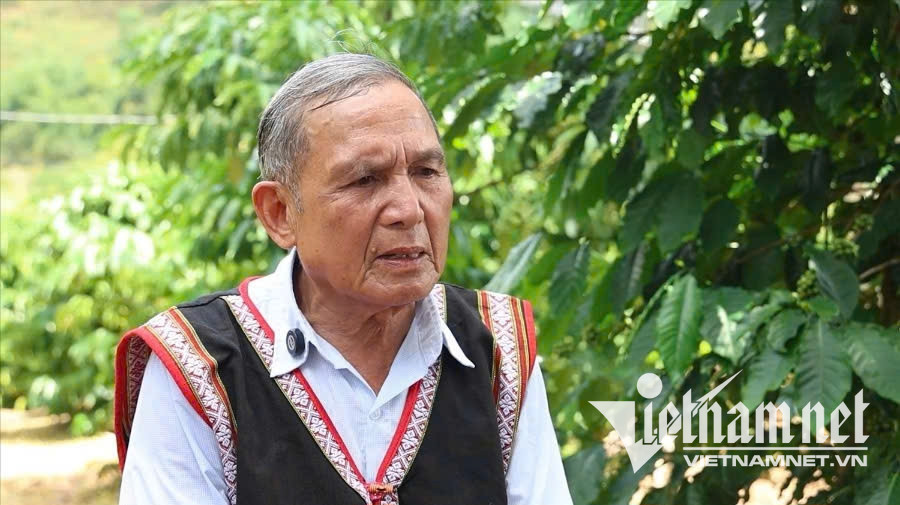
Village elder A Lao shares: “I have no formal education, but I have eyes to see, a heart to care, and the determination to help my people change.” Photo: Ngoc Chi
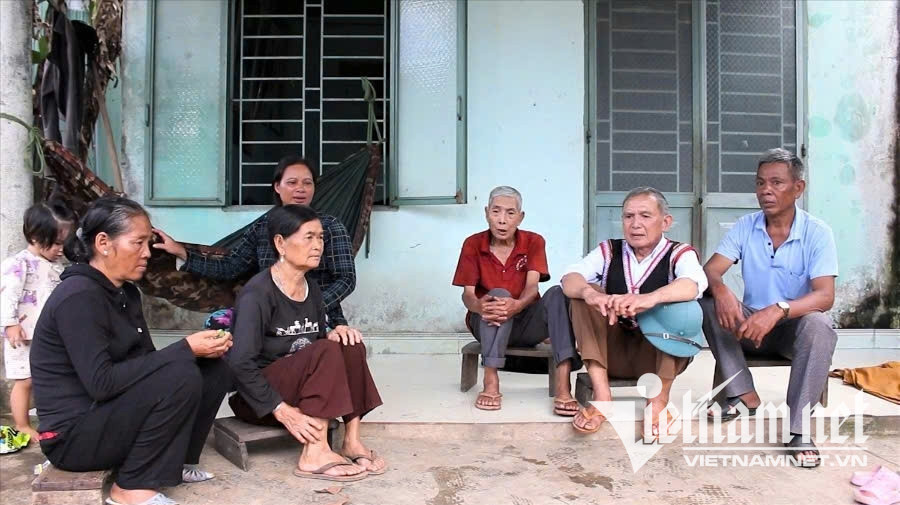
In Dak Rang village, Bo Y border commune, Quang Ngai province, village elder A Lao, now 80, continues to guide his community in preserving cultural identity while improving livelihoods.
Before 2000, the Xo Dang community in Dak Rang maintained many outdated practices. In times of illness or hardship, livestock would be sacrificed in rituals, trapping families in cycles of poverty.
“I have no formal education, but I have eyes to see, a heart to care, and the determination to help my people change,” A Lao said.
He encouraged villagers to adopt new community conventions, committing to eliminate harmful practices and build cultural families. Through village meetings and household visits, he guided people toward modern approaches to weddings, funerals, and healthcare.
“At first, it was very difficult. People didn’t listen,” he recalled. “But when one sick villager recovered quickly after going to the hospital instead of performing rituals, others began to believe.”
Today, residents seek medical care at health centers rather than relying on outdated customs.
Dak Rang village, home to 180 households and more than 600 people, has also transformed economically. Residents have planted nearly 150 hectares of coffee and rubber, with average annual incomes exceeding VND52 million (US$2,100).
The village has established gong performance and traditional dance teams, preserving cultural heritage while embracing change.
Step by step, a quiet but profound transformation has taken root in Dak Rang. At its heart stands A Lao - a man whose compassion and determination continue to shape the future of his community.
My Dung - Ngoc Chi - Trong Bao - Tao Dat
.svg)
