 Vietnamnet.vn

 Podcast



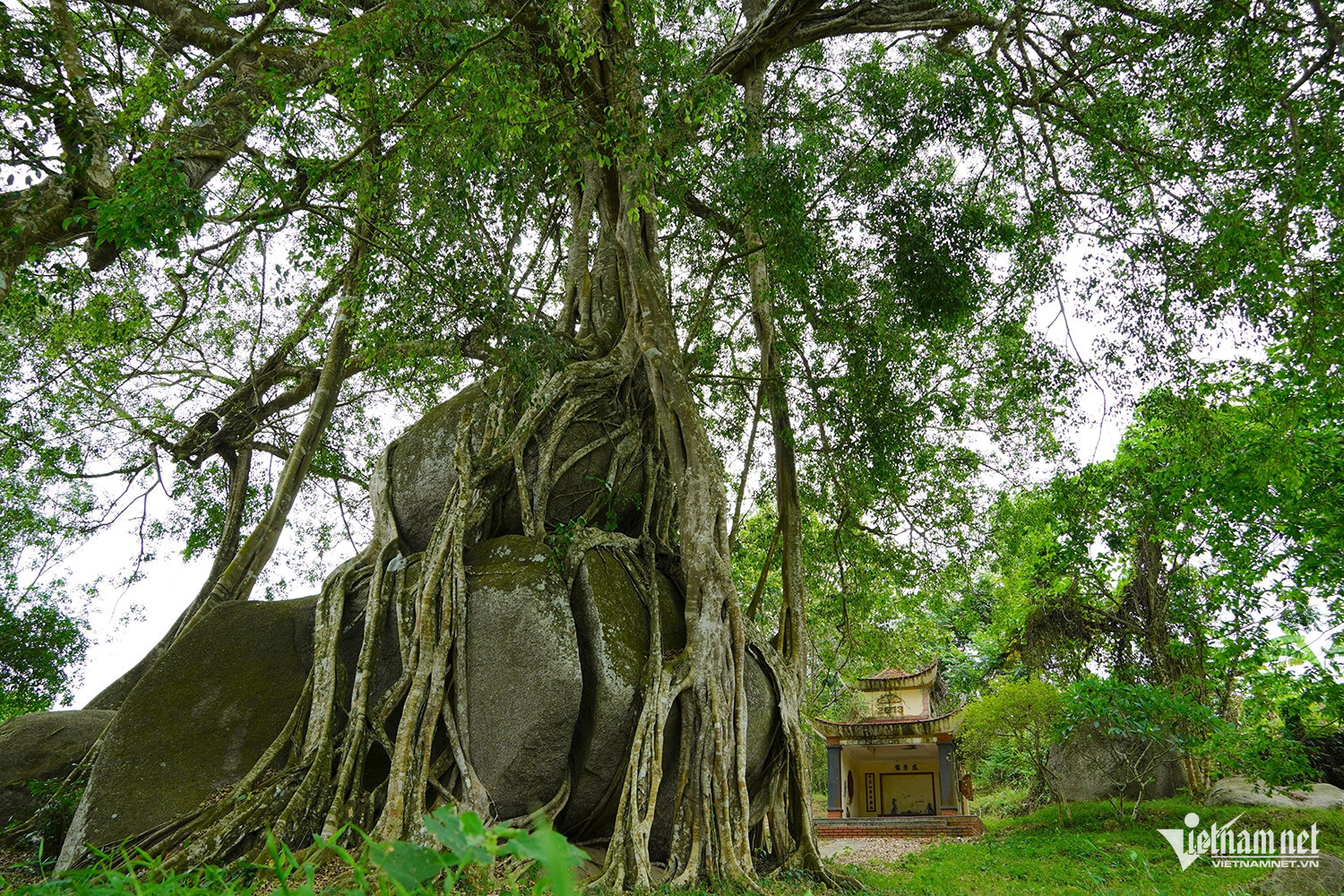
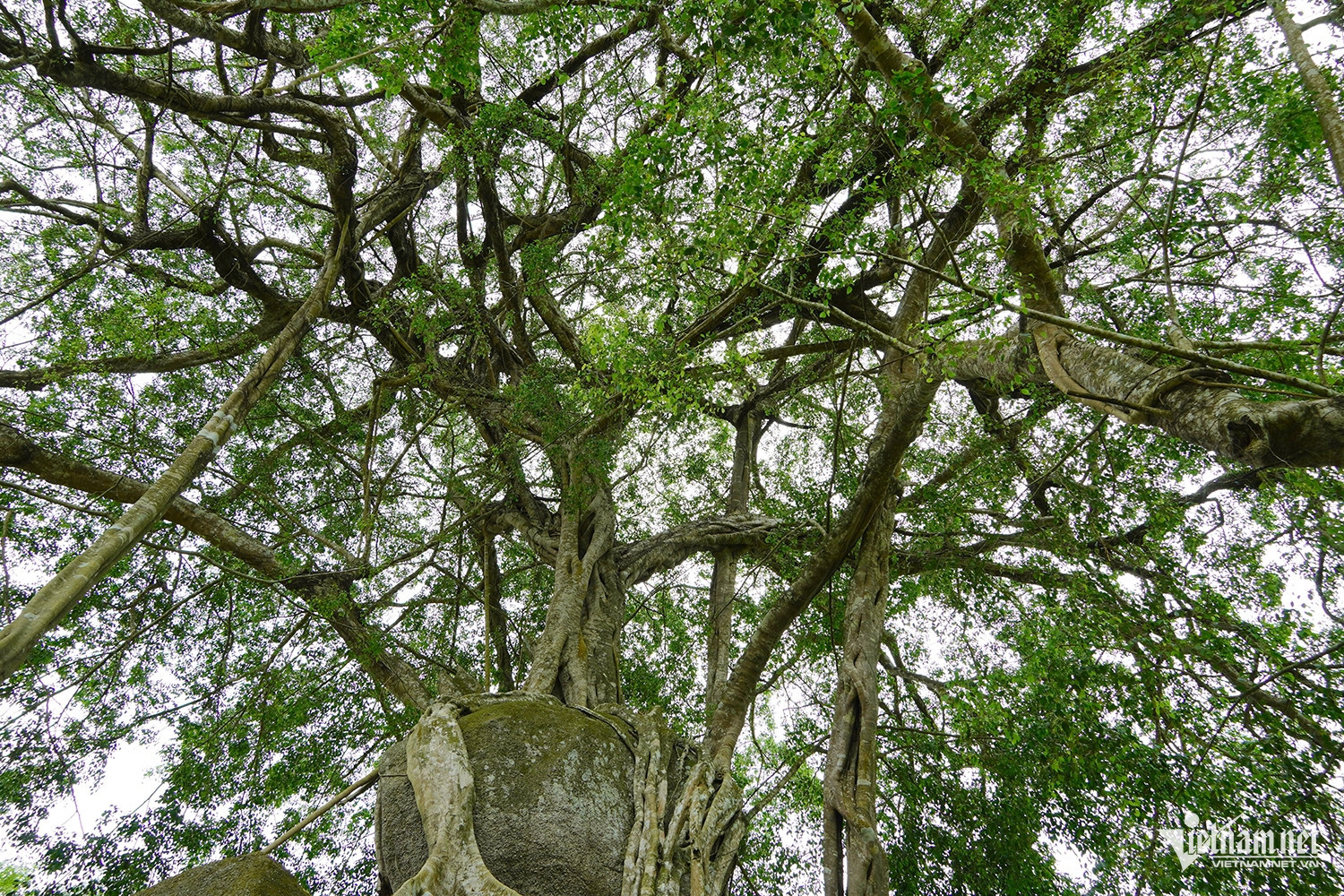
Hidden among the rolling hills of Khe Mui hamlet in Giai Xuan Commune, Nghe An Province, a thousand-year-old banyan tree has long been regarded as a treasured symbol of the local community. Rising about 30 metres high, the tree spreads its canopy across a vast area, remaining lush and green throughout the year.
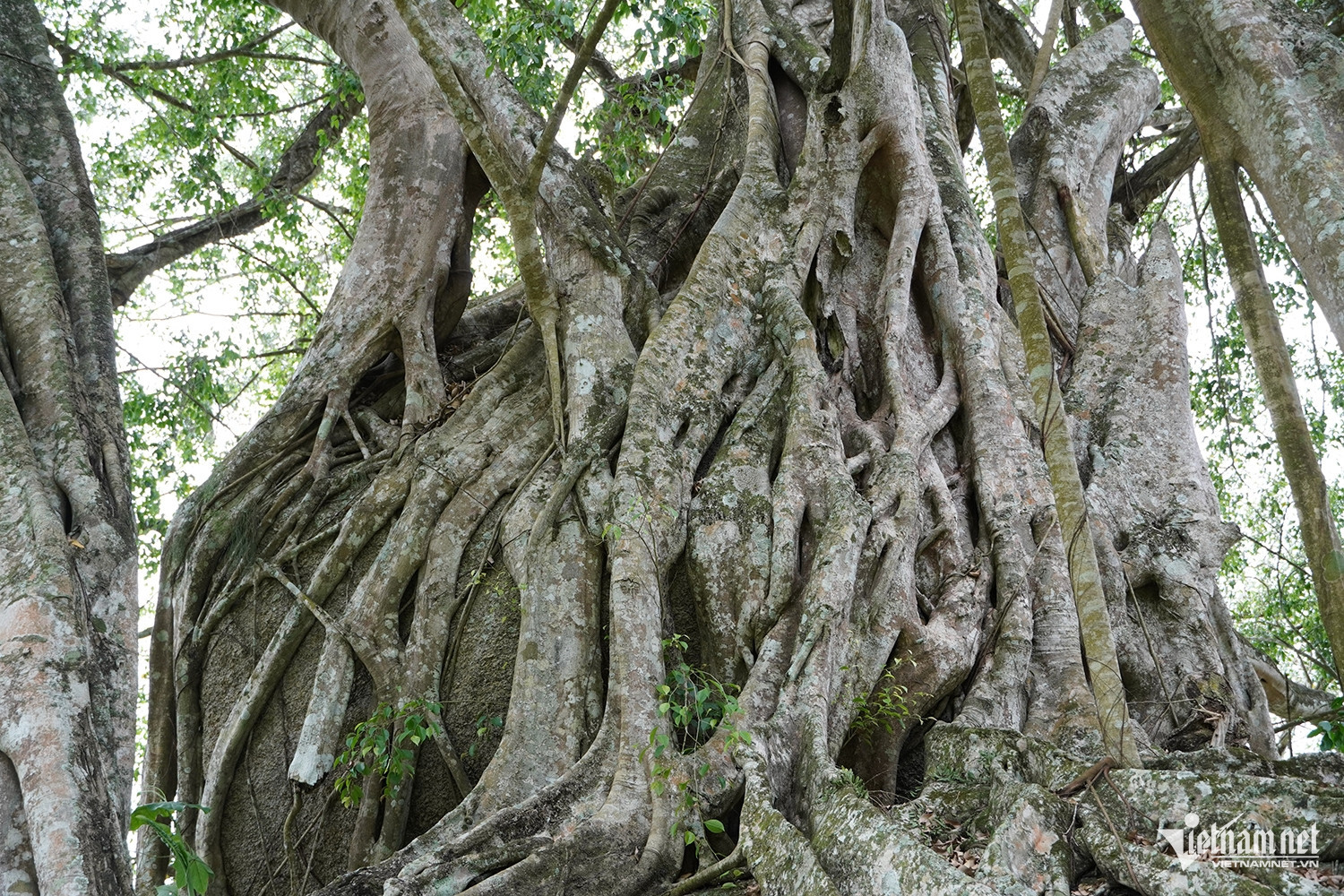
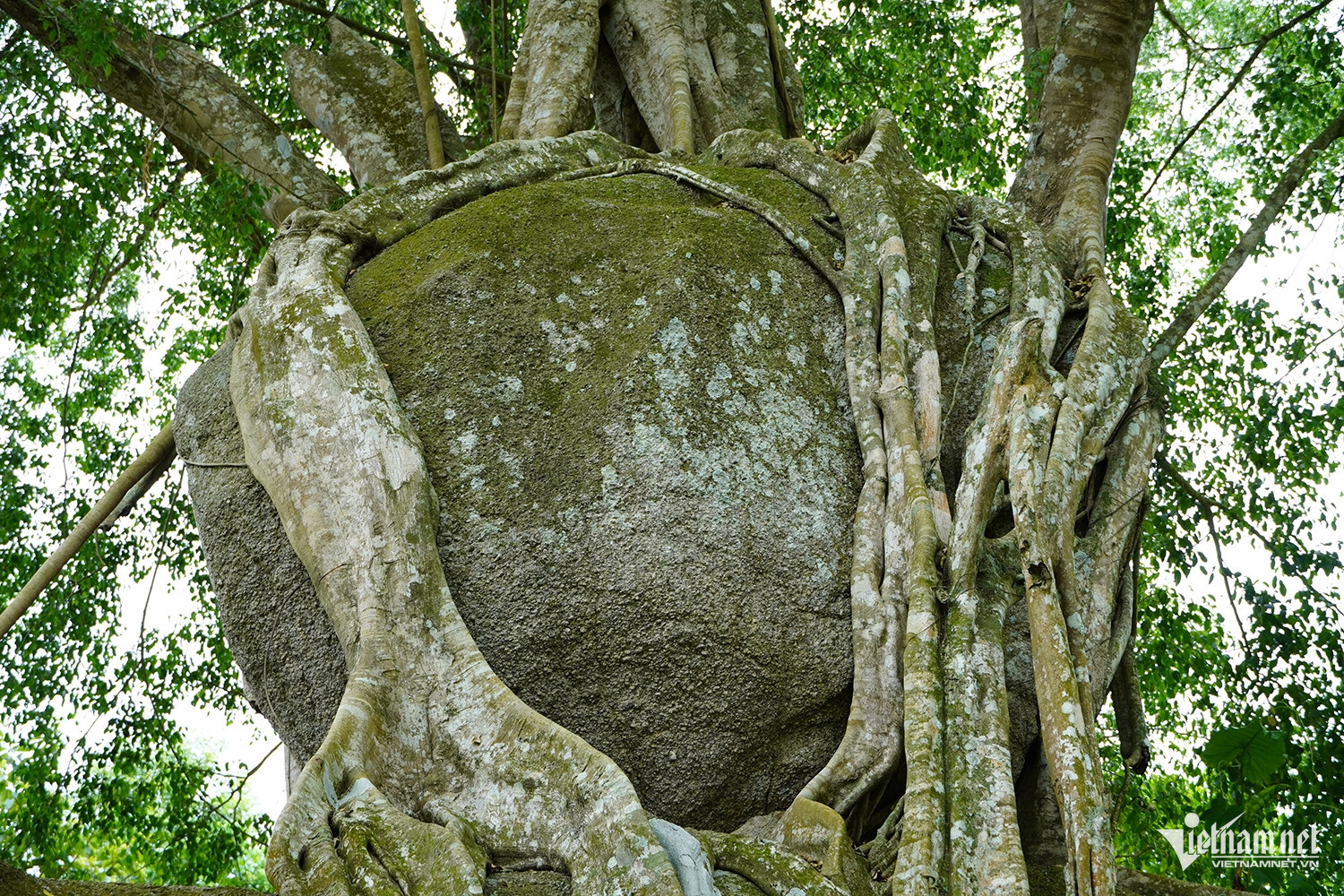
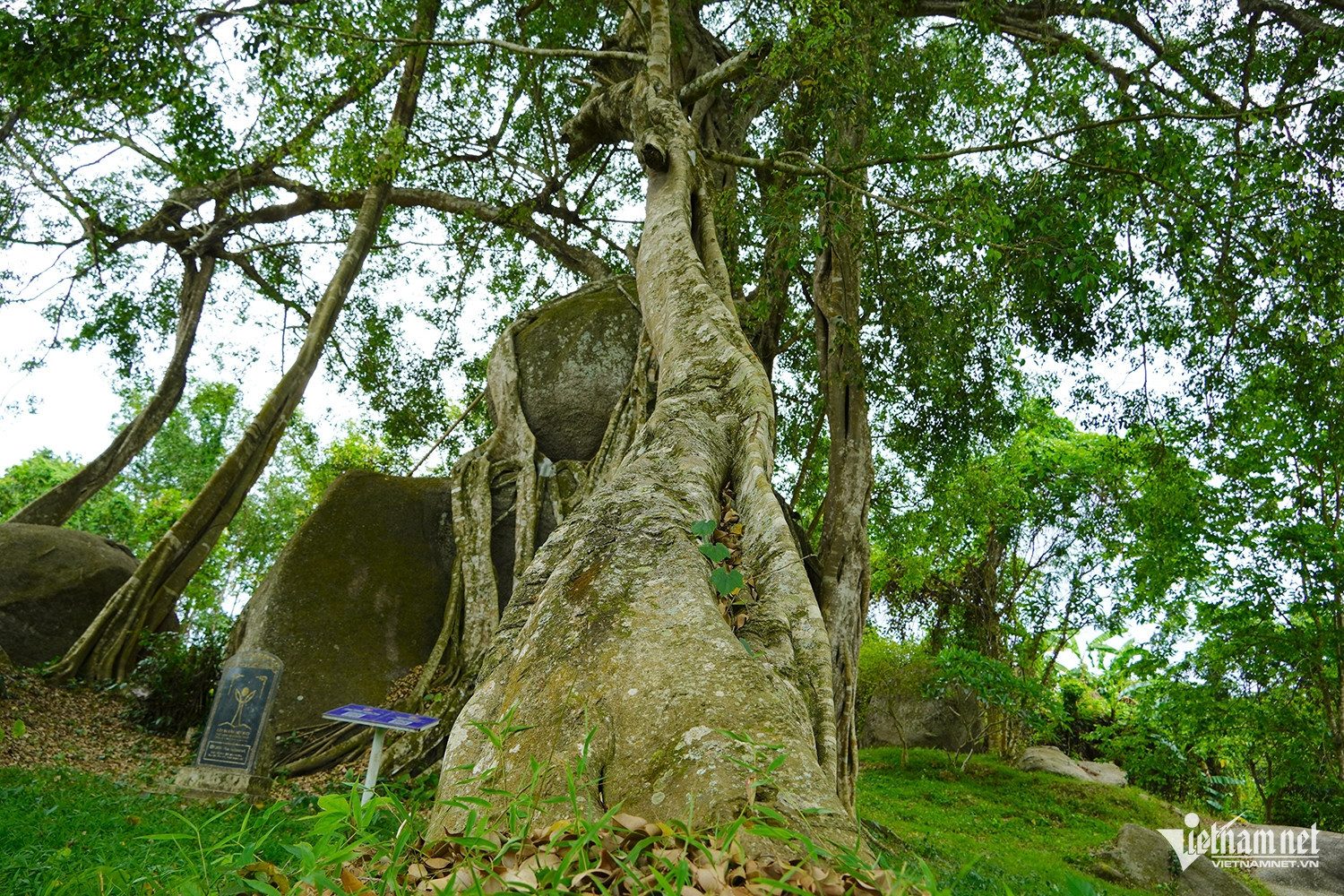
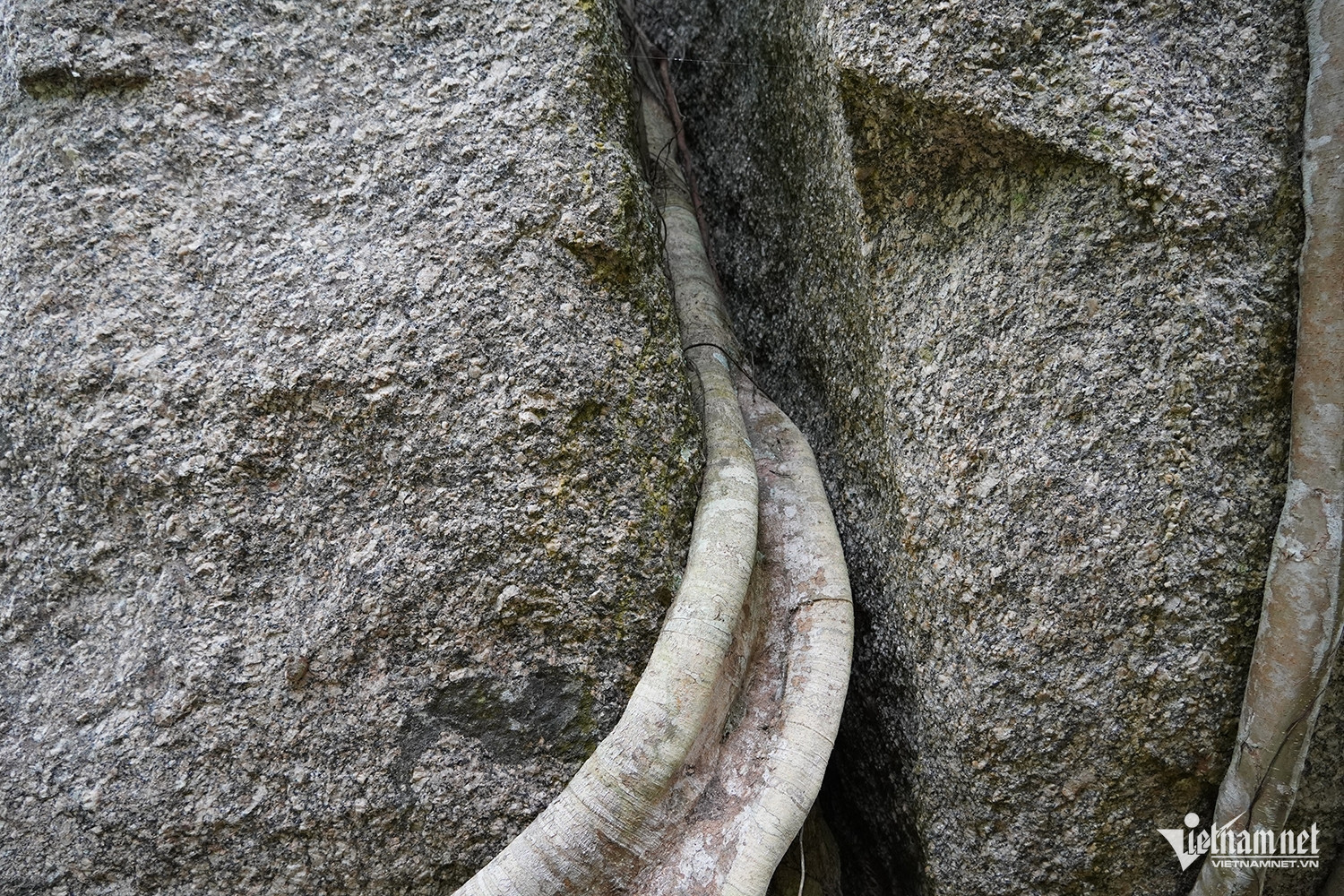
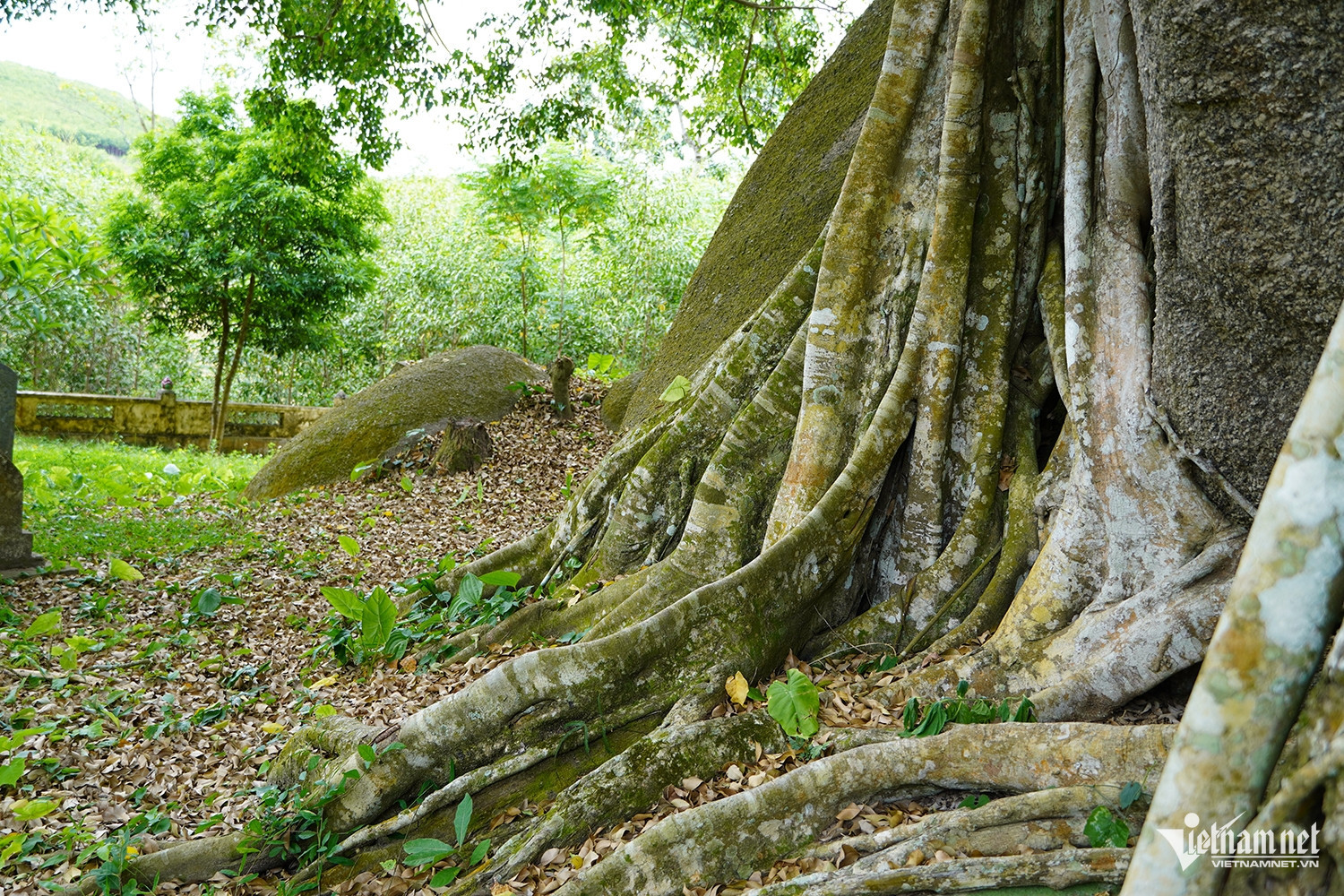
What makes the tree truly remarkable is its massive root system and unusual shape. Hundreds of aerial roots descend from the trunk and large branches like cascading streams, wrapping around three giant boulders beneath the tree. Two of the rocks sit side by side at the base, separated by roughly 30 centimetres, supporting a larger boulder balanced above them in a striking natural arrangement.
The roots, some as thick as a person's embrace, cling tightly to the rugged stone surfaces before weaving through cracks and plunging deep into the ground. Over centuries of growth, the roots and rocks have merged into a single formation, creating a rare landscape that local residents liken to a traditional "sticky rice and chicken" offering.
According to local folklore, the base of the tree embracing the two lower rocks resembles a tray of sticky rice, while the surrounding roots resemble chicken legs. The trunk rising above completes the image of a chicken holding its head high.
Surrounding the main trunk is a dense network of aerial roots extending from high branches directly into the soil, forming natural support columns. These structures have helped the tree withstand the harsh sun, strong winds and powerful storms that regularly sweep across the region.
Residents of Khe Mui say the tree has been part of the landscape for as long as anyone can remember. Passed down through generations, it has become a symbol of community solidarity and is affectionately known as the "unity tree". No one is allowed to cut or damage any part of it.
In 2009, a local company funded the construction of a shrine and protective embankment around the site. Six years later, in 2015, the banyan was officially recognised as a Vietnam Heritage Tree.
Tran Tuyen
.svg)
