 Vietnamnet.vn

 Podcast



Hanoi woke up on Thursday morning to murky skies and severely reduced visibility, with dense haze obscuring buildings across the city.
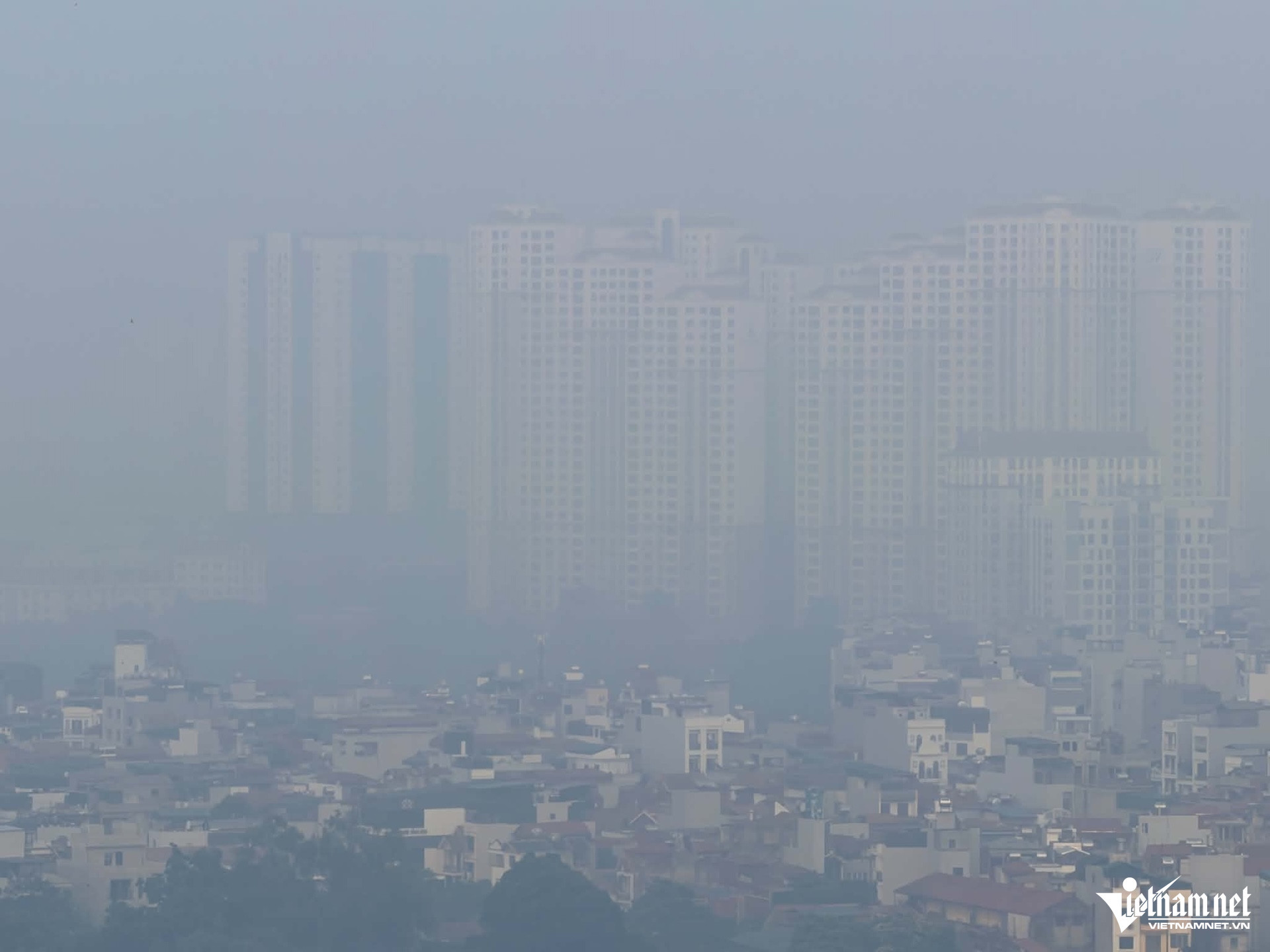
In the Xa La urban area of Ha Dong, reporters observed high-rise buildings fading into a thick, whitish haze as airborne pollution limited visibility.
At 8am, the Air Quality Index (AQI) near the Lang Ha overpass reached 175, indicating unhealthy air quality.
According to data from the Northern Environmental Monitoring Center under the Ministry of Agriculture and Environment, Hanoi recorded the worst air quality in Vietnam on October 15, with an AQI of 154, placing it in the red, or unhealthy, category.
Thanh Xuan district recorded the country's highest pollution reading and was also among the world's 100 most polluted locations.

Data from air quality monitoring platform IQAir showed that Hanoi's AQI stood at 175 at 8am, ranking third among major cities worldwide for air pollution, behind Medan in Indonesia and Singapore.
At this level, even healthy people may begin experiencing adverse effects, while vulnerable groups face a greater risk of serious respiratory problems.
The Northern Environmental Monitoring Center also reported that fine particulate pollution measured at 6:51am was 4.2 times higher than the World Health Organization's (WHO) recommended reference level.
Health experts advise residents to limit outdoor activities on days when air quality deteriorates and to keep windows and doors closed to reduce exposure to polluted air.
They also recommend regular vacuum cleaning and the use of air purifiers to help maintain cleaner indoor air.
Tighter dust controls needed at construction sites
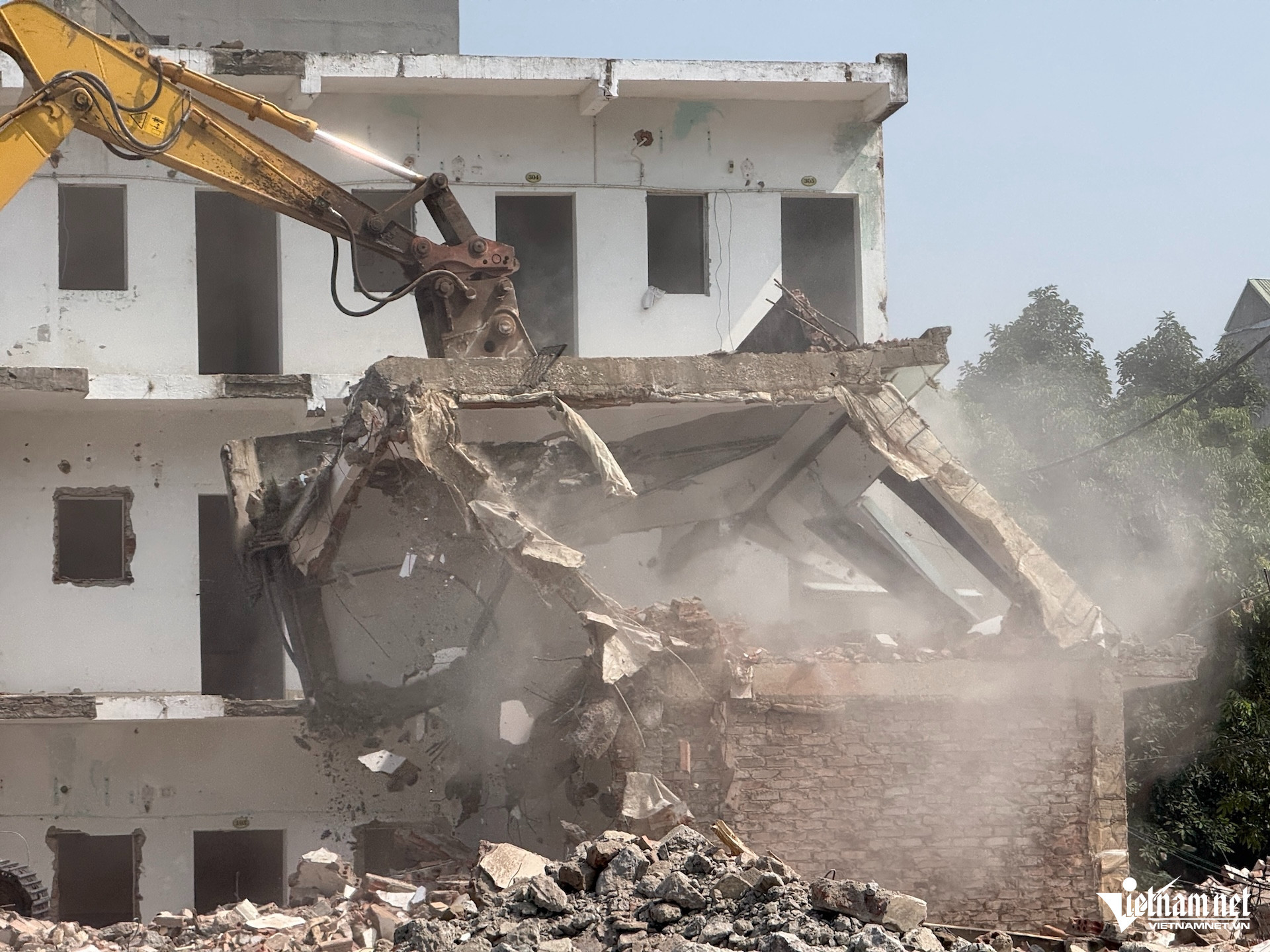
A representative of the Environment Department under the Ministry of Agriculture and Environment said northern Vietnam is entering its seasonal period of worsening air pollution, making air quality management and pollution control a key priority for the ministry.
In September, the ministry issued a directive requiring local authorities to strictly implement air quality management plans.
Major urban centers, in particular, were instructed to strengthen inspections and supervision of dust control measures at construction sites.
The ministry also required project developers and contractors to comply with regulations on construction site barriers, covering building materials, spraying water to suppress dust, cleaning construction areas and washing transport vehicles.
These measures are intended to prevent soil, rubble, waste and construction materials from spreading into surrounding areas and affecting air quality and public health.
In addition, the ministry urged Hanoi's municipal authorities and neighboring provinces in the Capital Region to fully implement their existing regional coordination agreement on environmental management.
Kieu Oanh
.svg)
