 Vietnamnet.vn

 Podcast



During the afternoon working session yesterday, delegates held group discussions on the draft documents submitted to the Congress. With high responsibility, deep intellect, and sincere commitment, participants offered thoughtful contributions to shaping the country’s development direction in this new era.
Turning adversity into strength
Reflecting on lessons from the Government’s previous term, PM Pham Minh Chinh highlighted key experiences in management and policymaking. He underscored the critical need to institutionalize the Party’s resolutions and create fresh engines for growth in the coming phase.
The Prime Minister reaffirmed that economic development remains central, with national defense, foreign affairs, and security as constant priorities, while culture must continue to serve as the nation’s spiritual foundation. Social welfare, he added, requires transformative breakthroughs. These collective challenges demand synchronized solutions across both the Government and the broader political system.
He noted the Party’s recent issuance of important resolutions across a range of areas including institutional reform, science and technology, the private and state economies, healthcare, education, and culture. These policies lay the groundwork for achieving the ambitious - but essential - goal of double-digit economic growth. While challenging, such growth is crucial to ensuring national security, social welfare, and long-term development momentum.
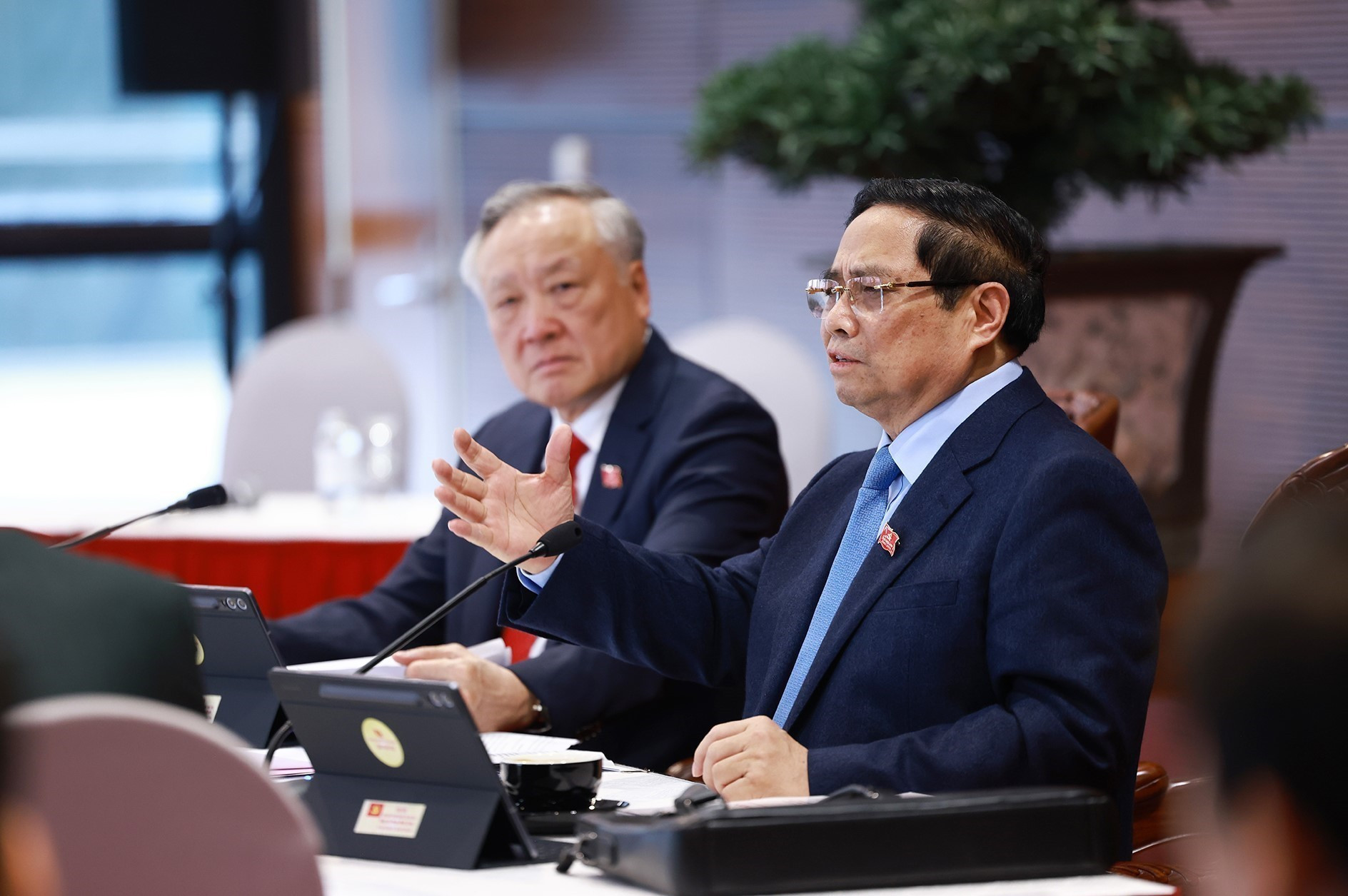
Unity and coherence across the Party and political system, he said, were instrumental in helping the country navigate unprecedented upheavals. The greater the hardship, the more we must strengthen our solidarity to maintain the Party’s consistent leadership, he said.
From his own experience in leadership, the Prime Minister shared this core philosophy: “Vision must be strategic, thinking must be breakthrough, and all resources must originate from the people.”
He emphasized the Government’s shift in governance style to overcome a chronic weakness across administrations: poor implementation. Vietnam has begun dismantling this issue by transitioning from reactive policies to agile, effective action.
He pointed to Vietnam’s response to the COVID-19 pandemic as a defining example of this “state shift” and “turnaround strategy.” Moving beyond rigid administrative orders, the Government adopted a science-based approach and launched an aggressive “vaccine diplomacy” campaign. As a result, Vietnam went from one of the countries with the lowest vaccine coverage to fifth globally - an outcome the PM described as evidence of practical responsiveness and strategic courage.
He also cited other examples of timely transitions: navigating global supply chain disruptions, countering geopolitical risks, responding to protectionist trade policies, and accelerating public investment to leverage private sector growth.
Above all, PM Chinh emphasized that the trust of the people, businesses, and global partners is the foundation upon which Vietnam can achieve its social and economic goals.
Looking ahead to 2026–2030, he reiterated the national ambition of achieving double-digit growth, noting that this would require bold reforms, strong execution of large-scale projects, and a dynamic mindset to propel Vietnam into a new development era.
Self-reliance and resilience as foundations of autonomy
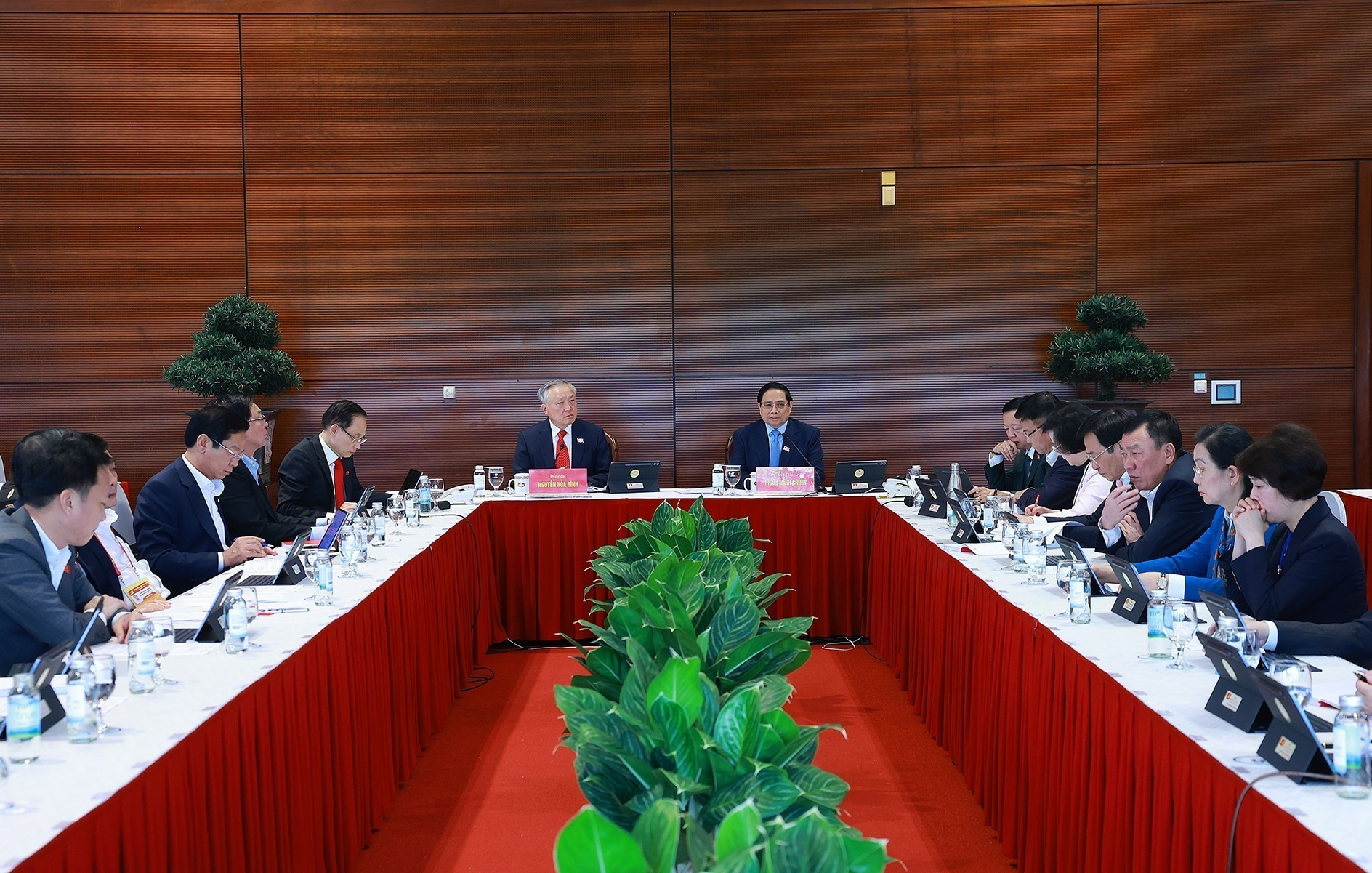
At the same session, Deputy Prime Minister Mai Van Chinh stressed that “self-reliance and resilience” must guide Vietnam’s rise - reducing dependence on external factors. Building on 40 years of reform achievements, he noted that the Party has strengthened its theoretical framework, providing a solid foundation for long-term development.
Echoing the ambition for double-digit growth, the Deputy PM emphasized that this would demand unwavering determination from the entire political system.
On the Party’s political report, he stressed that the Congress’s guiding documents must be concise, actionable, and grounded in real implementation. Every action plan must clearly identify executing bodies, mobilized resources, and desired outcomes.
Regarding national defense and security, he called for strategic clarity in identifying allies and challenges, rooted in the national interest. He also proposed developing dual-use defense industries - serving both economic and strategic purposes.
Delegate Tran Nam Hung from Da Nang emphasized the need for concrete targets in growth planning - such as per capita income and the Human Development Index (HDI) - while also laying out a long-term vision toward 2045.
He proposed elevating agriculture to a strategic growth engine. Despite 70% of the population living in rural areas and agriculture serving as the economic backbone, he noted that investment remains disproportionate. Over the next decade, he recommended doubling agricultural investment, with public investment accounting for 25–30% to lead private and foreign capital into the sector.
Delegate Nguyen Doan Toan from Hanoi agreed with the 2026–2030 GDP goals, but warned that growth must be coupled with inflation control. He called for mechanisms to stimulate domestic consumption, promote local products, and develop high-quality tourism for job creation. He also emphasized institutional reform as the key to turning resolutions into reality.
Prioritizing innovation, sustainability, and tech-driven growth
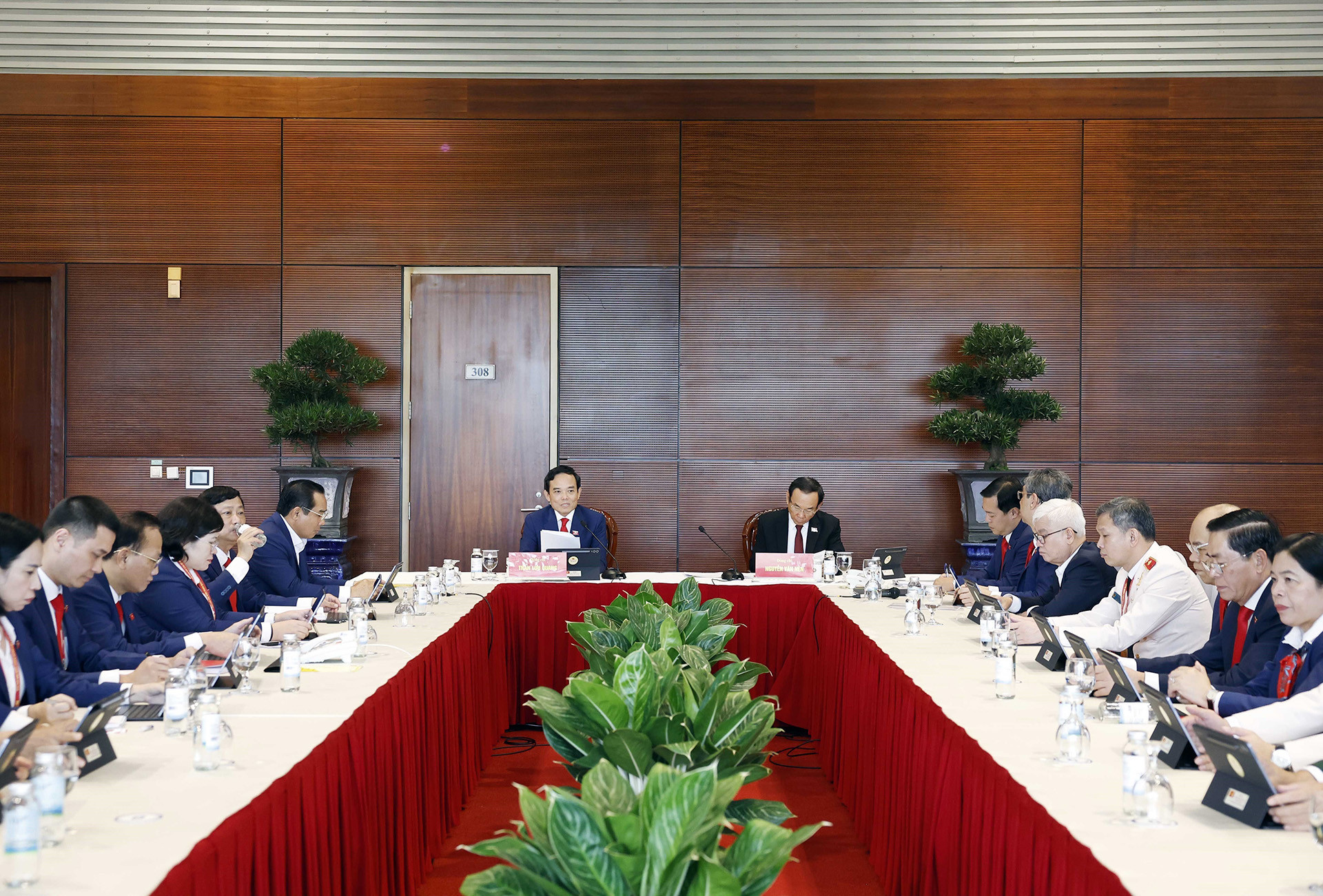
From Ho Chi Minh City, delegate Nguyen Ky Phung stressed the importance of improving growth quality through labor productivity, science and technology contributions, and green development. He candidly observed that Vietnam’s economy still relies heavily on assembly and low-value manufacturing, and that domestic enterprises remain underdeveloped.
He called for digital economy policies to be separated into a standalone pillar, positioning AI, digital governance, and digital society as new engines of growth.
He also expressed concern over water security and marine environmental protection. With over 3,260 kilometers of coastline, he urged stronger national programs to protect marine resources and proactively address saltwater intrusion in the Mekong Delta.
Delegate Phan Anh Son from the Vietnam Fatherland Front lauded the concise, strategic nature of the draft documents, especially in areas like health, science and technology, and sustainable development.
He supported shifting the growth model away from resource dependence and toward knowledge-based, innovation-driven development - aligned with global technological shifts under the Fourth Industrial Revolution.
He warned of intensifying geopolitical competition in core technologies and cyberspace, and emphasized Vietnam's need to build strategic autonomy based on knowledge power.
He also urged closer coordination across Party diplomacy, state diplomacy, and people-to-people diplomacy to enhance Vietnam’s international standing and ensure national security from the earliest stages.
Centering the people as the foundation of power
On the role of the people, delegate Nguyen Khanh Ngoc, also from the Vietnam Fatherland Front, reaffirmed the timeless lesson that “the people are the root.” He advocated for a clearer articulation of the concept “people as the true agents of change” in national policy.
He commended the documents’ frank acknowledgment of past limitations in fostering national unity and noted the inclusion of meaningful strategies to empower citizens more directly.
Ngoc called for detailed implementation plans - especially on the national solidarity agenda - to ensure effective and substantial outcomes.
Across the discussions, delegates agreed that the 14th Congress’s policy drafts reflect the collective intelligence, will, and aspirations of the entire Party and people. They provide a vital political foundation as Vietnam enters a new era - one defined by strength, self-reliance, and national pride.
TTXVN
.svg)
