 Vietnamnet.vn

 Podcast



In public administration, the early days of a new government term are critical in defining how it will operate. These are the moments when fundamental questions are answered: whether to manage or enable, to control or empower, to centralise or decentralise.
History shows that successful governments are not those that issue the most policies, but those that establish an effective “operating system” from the outset.
In that context, the simultaneous issuance of eight resolutions on cutting, decentralising and simplifying administrative procedures and business conditions in the first month of the new term is more than a routine administrative step. It is a political and institutional statement on how the government intends to act.
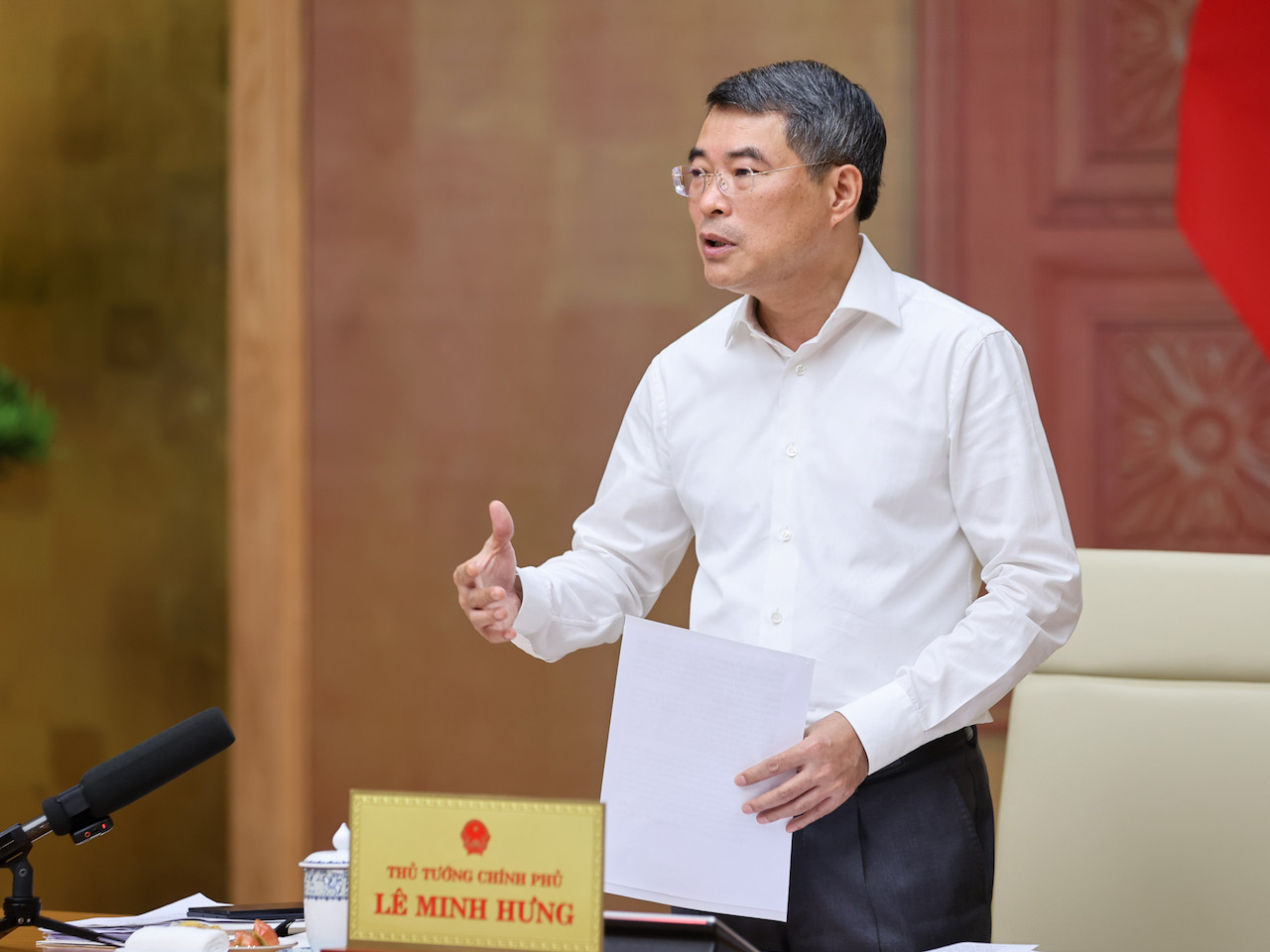
This approach aligns with the inaugural commitment of Prime Minister Le Minh Hung to build a modern, facilitative and service-oriented government, united under the leadership of the Party Central Committee, with General Secretary and State President To Lam at its core.
An unprecedented decision: scale, speed and approach
The most striking aspect of the reform lies in its scale. Under the resolutions, the government will amend and supplement 163 legal documents, including 155 decrees - an unprecedented figure compared to previous reform waves.
As a result, 184 administrative procedures will be abolished, 134 decentralised and 349 simplified.
In addition, 890 business conditions will be removed, while the proportion of administrative procedures handled directly by central authorities will be reduced to around 27%. The goal is to cut more than 50% of compliance time and costs for both citizens and businesses.
These figures reflect not only scale, but also a shift in approach: moving from piecemeal adjustments to comprehensive and systemic reform.
Equally notable is the speed of implementation. The simultaneous issuance of all eight resolutions within the first month of the term demonstrates that these are not experimental measures, but carefully considered decisions carried out with strong determination.
In public governance, speed is not merely technical. Rapid and coordinated reform signals not only political will but also the capacity to act.
More importantly, this is not simply about reducing procedures, but about redesigning how the administrative system operates. The government is not just cutting regulations, but fundamentally reshaping the logic of state power in a more effective way.
Three strategic shifts
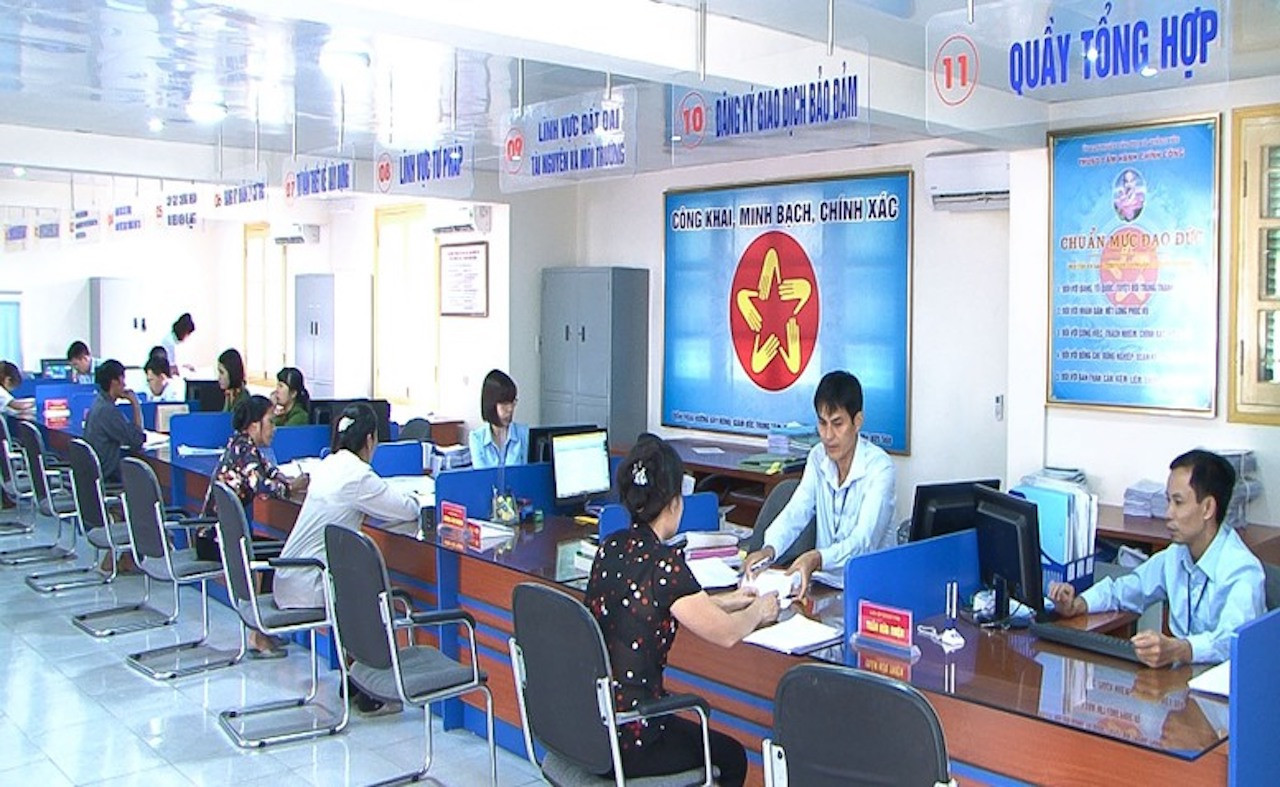
A closer look at the resolutions reveals three major transformations - strategic choices that define how the government intends to operate.
The first is a shift from pre-approval to post-supervision.
For years, governance has followed a pre-approval model, requiring permission before action. While this approach reduces risk, it also imposes high compliance costs and slows economic activity.
The new resolutions signal a clear transition: from upfront control to risk management during implementation.
The state is no longer positioned as a gatekeeper, but as a standard-setter and regulator, relying on data and legal frameworks to monitor and address violations. This represents not only a change in tools, but a shift in governance philosophy.
The second shift is from centralisation to decentralisation.
By delegating 134 administrative procedures, the government significantly reduces the proportion handled at the central level. This reflects a clear choice: central authorities focus on institutional design and oversight, while execution is entrusted to local levels.
Decentralisation, when paired with accountability and performance measurement, can become a powerful driver of governance efficiency.
The third shift is from control to facilitation.
By eliminating 890 business conditions, the government sends a strong message: businesses are not entities to be tightly controlled, but partners to be empowered.
The state is moving away from granting permission for existence towards creating an enabling environment for development.
This marks a transition from a management-oriented administration to a facilitative one - a shift long discussed, but now clearly materialising through large-scale policy action.
Rebuilding trust and growth momentum

These changes carry direct implications for citizens, businesses and the broader economy.
For businesses, fewer procedures and conditions mean significantly lower compliance costs, both official and informal. Faster and clearer processes enable quicker decision-making and improved competitiveness.
For citizens, reduced administrative steps and less direct interaction with authorities help minimise the risk of bureaucratic friction, while improving the quality of public services.
For the economy, the most significant impact lies in unlocking resources. With fewer procedural barriers, capital, ideas and production capacity can flow more efficiently, supporting higher growth in the coming period.
More importantly, these reforms contribute to rebuilding trust - trust among businesses in the business environment and among citizens in the effectiveness of the administrative system.
As Prime Minister Le Minh Hung emphasised upon taking office, public trust is the nation’s most valuable resource.
In his meetings with ministries and agencies, he has consistently stressed the need to decisively cut administrative procedures and business conditions as one of the fastest ways to improve the institutional framework, create a healthier business environment and directly support growth, including the ambition of achieving double-digit expansion.
Challenges ahead
However, this reform path also comes with significant challenges.
Shifting to post-supervision requires advanced data systems and monitoring capacity. Without adequate tools, reducing pre-approval could increase management risks.
Decentralisation demands new mechanisms for controlling power. Without them, there is a risk of weakened oversight or blurred accountability.
Most critically, it requires a shift in mindset across the administrative system. Without changes in thinking, reforms on paper may not translate into real-world impact.
As the Prime Minister has noted, the directive spirit from the central leadership must be fully internalised not only at ministerial and local leadership levels, but also throughout implementing agencies.
Ultimately, the most important reform lies not in documents, but in how they are executed every day.
A clear direction
The early days of a government term do not determine everything, but they define its direction.
With these eight resolutions, the government has made its choice clear: pursuing substantive reform, empowering stakeholders and fostering development.
With strong determination, these decisions are expected not only to streamline procedures and reduce costs, but to reshape the economy’s operating logic - towards one built on trust, efficiency and sustained growth.
Nguyen Si Dung (VGP)
.svg)
