 Vietnamnet.vn

 Podcast



PV
On November 18, in Ninh Binh, the Vietnam National Authority of Tourism (VNAT) and the Swiss State Secretariat for Economic Affairs (SECO) co-hosted the International Conference on Sustainable Tourism Development in the Greater Mekong Subregion. The event took place on the sidelines of the 56th GMS Tourism Working Group Meeting (GMS TWG-56) held in Vietnam.
The conference comes at a time when the GMS region faces major challenges such as climate change and resource exploitation pressure.
Etienne Jenni, Director of Trade Promotion at SECO, emphasized that while the GMS is rich in cultural heritage, it remains “fragile” under the impacts of climate change.
He stated that sustainable tourism requires a balance among economic, environmental, and social priorities - with communities placed at the center. Ninh Binh, he said, serves as a prime example of this balance.

GMS country delegates also highlighted the essential role of local communities in ensuring sustainable tourism, noting that their direct participation, benefit-sharing, and social equity are crucial.
In Laos, Cambodia, and Myanmar, authorities have empowered local communities to lead in tourism development, ensuring both sustainability and inclusiveness.
Somxay Sipaseuth, Deputy Director of the Department of Tourism Development at Laos’ Ministry of Information, Culture and Tourism, remarked: “In every model of community-based tourism, local people are the key to success. They must be informed and understand the true value of tourism.”
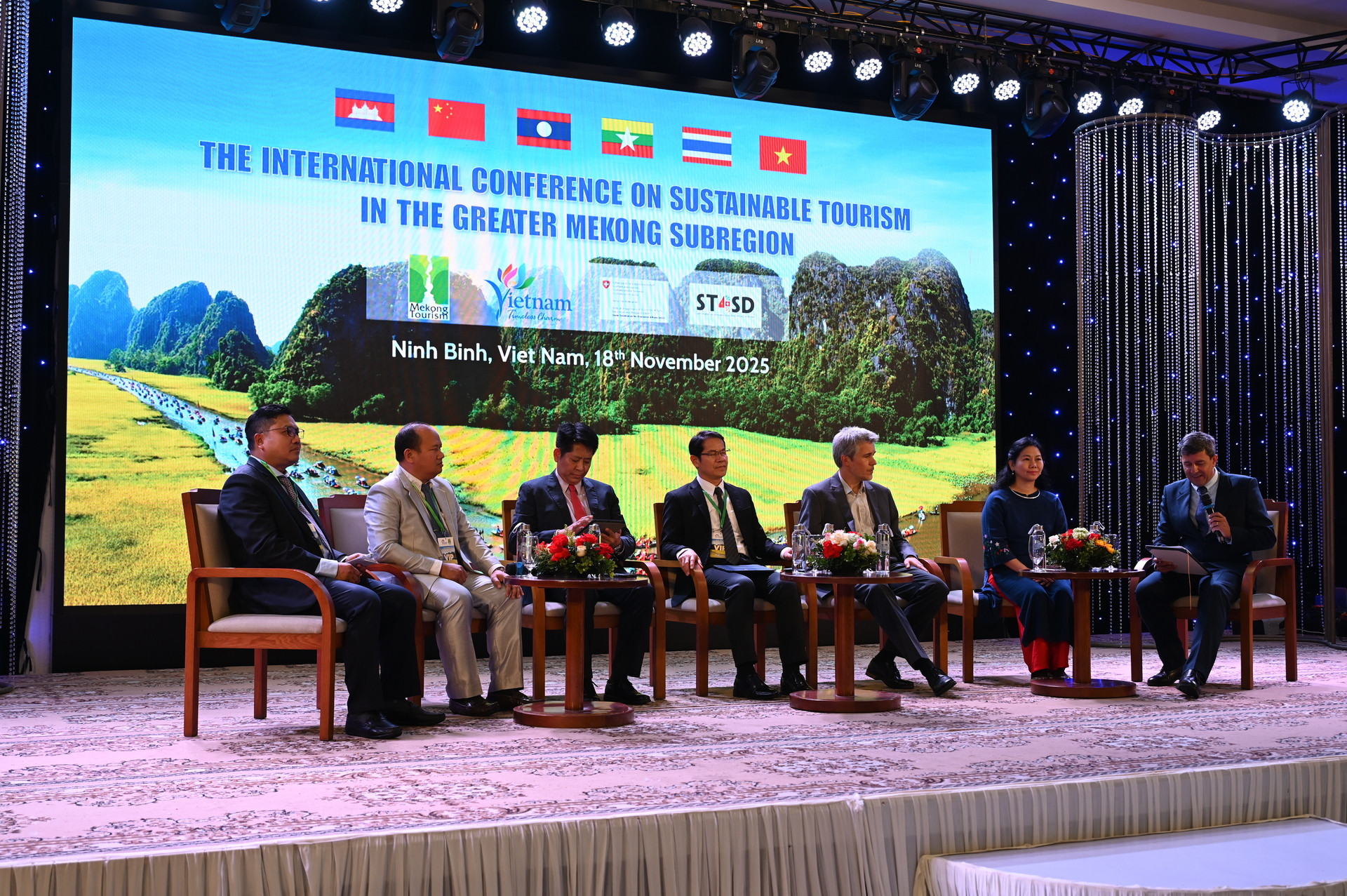
During the event, participants exchanged insights on effective tourism models, international standards, resource mobilization, and international cooperation.
Dee Suvimol Thanasarakij, Executive Director of the Mekong Tourism Coordinating Office (MTCO), proposed four strategic actions for sustainable tourism in the GMS: building a joint sustainable destination, developing human resources, enhancing public-private partnerships, and promoting the region’s brand.

Ha Van Sieu, Deputy Director of VNAT, affirmed that Vietnam is implementing the Green Tourism Development Program 2023–2025, which aims to create sustainable destinations, accelerate digital transformation, reduce carbon emissions, and ensure fair benefit sharing with local communities.
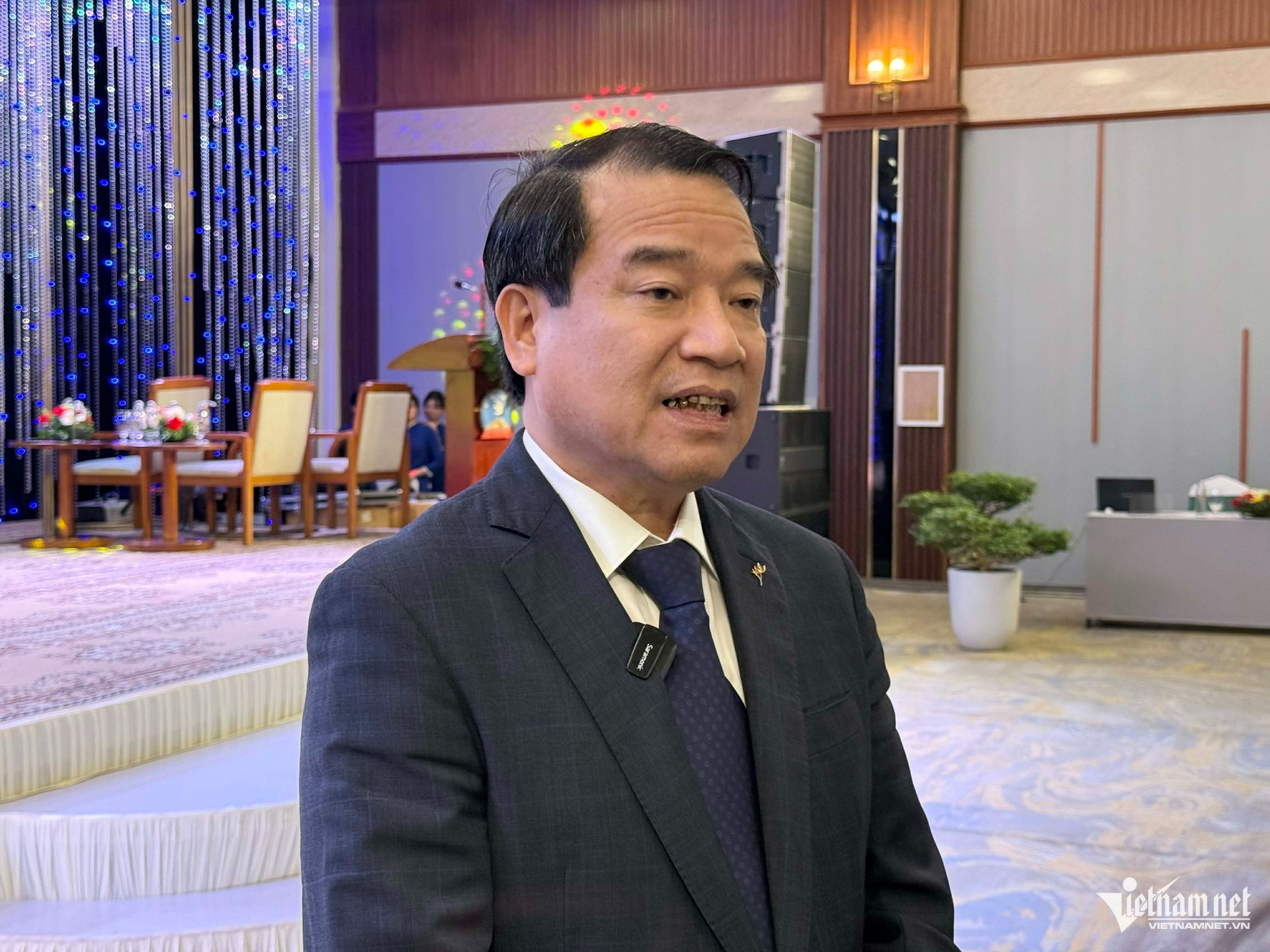
He emphasized that Vietnam’s green tourism development pays special attention to cultural respect, human values, and community inclusion.
The program’s goal is to develop sustainable tourism models, boost digital innovation, cut carbon emissions, and ensure that the benefits of tourism are fairly distributed to local populations.
Vietnam reaffirmed its commitment to working with GMS countries to realize the region’s shared sustainable development goals.

.svg)
