 Vietnamnet.vn

 Podcast



The legislation defines the right to freedom of belief and religion, religious activities, religious organizations, as well as the rights and obligations of agencies, organizations, communities and individuals involved in such activities.
Core principles governing belief and religious activities include compliance with the Constitution and laws; preservation and promotion of national cultural values and traditions; safeguarding national security, social order and safety; ensuring thrift and preventing waste; and protecting natural resources and the environment.
The law also clearly outlines prohibited acts. These include discrimination or stigmatization based on belief or religion; coercion, inducement or obstruction of individuals in following or not following a religion; and acts that insult belief or religion.
Religious activities are not permitted to infringe upon national defense, security, sovereignty, social order, the environment or social ethics. They must not harm life, health, property, dignity or honor, nor obstruct citizens’ rights and obligations or create divisions among ethnic groups, religions or between believers and non-believers.
Notably, the law prohibits the exploitation of belief and religion for personal gain. It also bans the use of cyberspace, artificial intelligence or emerging technologies to violate regulations related to belief and religion.
For online religious activities, organizations and individuals - including religious leaders, administrators of belief establishments, religious organizations and registered religious groups - are required to notify, register or seek approval from competent state authorities in accordance with the law.
State agencies are tasked with guiding, supervising, inspecting and handling violations related to religious activities in cyberspace.
Organizations and individuals engaging in such activities must comply with both this law and other relevant legal regulations. Meanwhile, service providers operating online platforms are required to implement technical measures and coordinate with authorities to remove or block unlawful content. Telecommunications providers must also restrict access to such content upon official request.
Regarding the management and use of assets, the law stipulates that property belonging to belief establishments and religious organizations includes contributions from members, donations from individuals and organizations, and other lawful sources.
These assets must be managed and used for their intended purposes in a transparent and lawful manner.
Assets of belief establishments formed through community contributions are recognized as jointly owned by the community. Transactions involving land-use rights - including transfer, lease, mortgage or capital contribution - must comply with relevant legal provisions.
The receipt and management of foreign donations by religious organizations, as well as fundraising activities, must also follow legal regulations. Land used for belief and religious purposes is governed by land law.
Decentralizing administrative procedures to provincial level
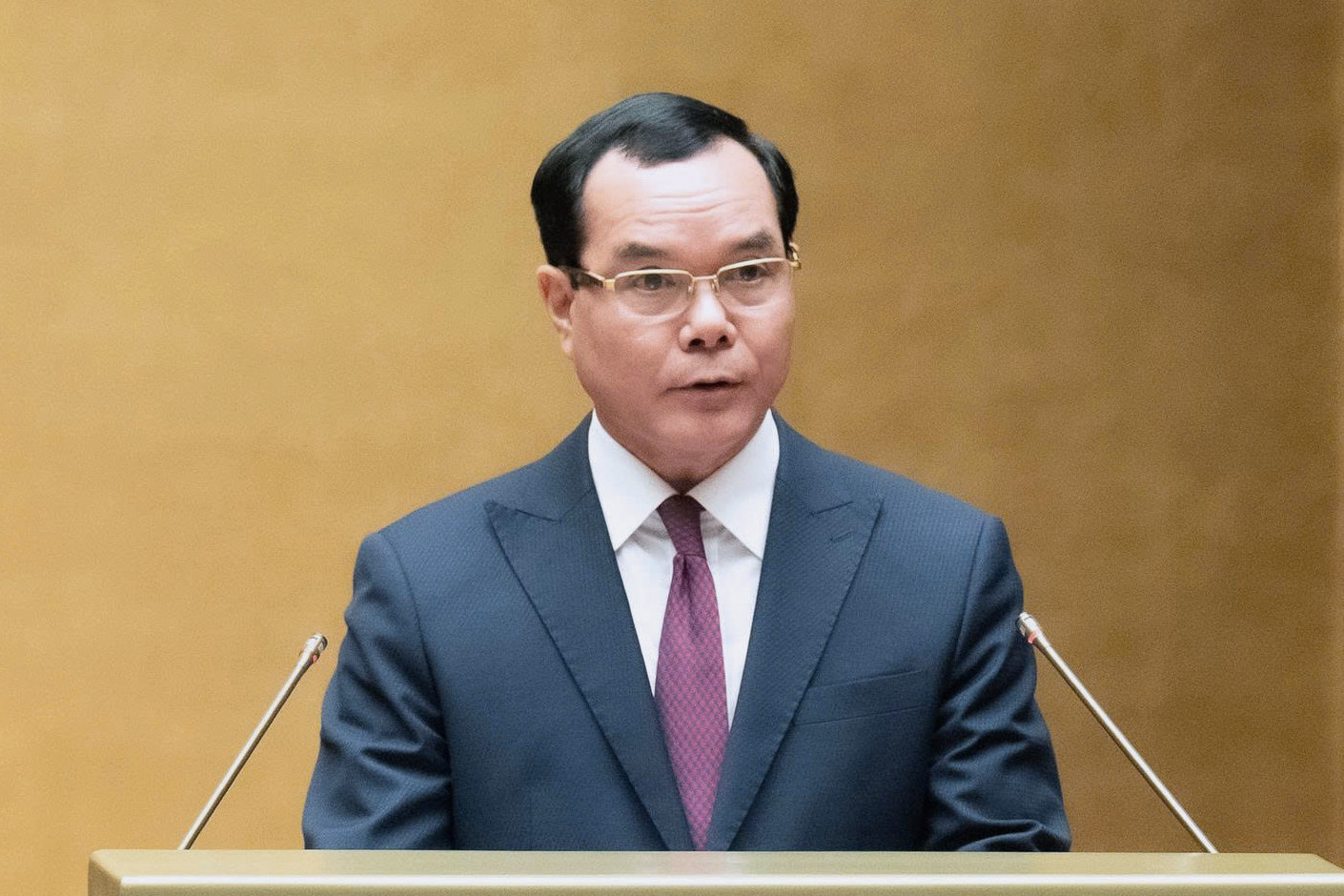
Minister of Ethnic and Religious Affairs Nguyen Dinh Khang presents the explanatory report before the National Assembly adopts the revised law. Photo: QH
Presenting the report on revisions and explanations before the vote, Minister of Ethnic and Religious Affairs Nguyen Dinh Khang said the government had reviewed the draft and continued efforts to decentralize administrative procedures. The goal is to ensure that ministries handle no more than 30% of procedures in this field.
Accordingly, eight administrative powers and procedures will be transferred from the Ministry of Ethnic and Religious Affairs to provincial-level People’s Committees.
These include procedures related to the recognition of non-commercial legal status for religious organizations operating across multiple provinces; voluntary dissolution of such organizations; dissolution of religious training institutions; organization of conferences with foreign elements or interfaith participation; invitation of foreign religious dignitaries to preach; sending religious personnel abroad; and conferring religious titles to foreign nationals residing legally in Vietnam.
On April 17, 2026, the ministry sought feedback from leaders of 34 provinces and cities regarding this decentralization. By April 21, it had received responses from 25 localities, of which 21 agreed to transfer all eight authorities, while four suggested partial transfers.
The newly adopted law is expected to provide a stronger legal foundation for managing belief and religious activities, while ensuring the legitimate rights of individuals and organizations.
Tran Thuong
.svg)
