 Vietnamnet.vn

 Podcast



The plan marks a shift from standalone support measures toward building employment ecosystems tailored to the conditions and potential of individual localities.
On August 26 in Hanoi, the Ministry of Ethnic and Religious Affairs held a scientific workshop on tasks and solutions for job creation, service development and sustainable employment connections in ethnic minority and mountainous areas during the 2026-2035 period.
The workshop also gathered feedback on the draft plan, its accompanying submission and a decision to be presented to the Prime Minister for approval. Deputy Minister of Ethnic and Religious Affairs Nong Thi Ha chaired the event.
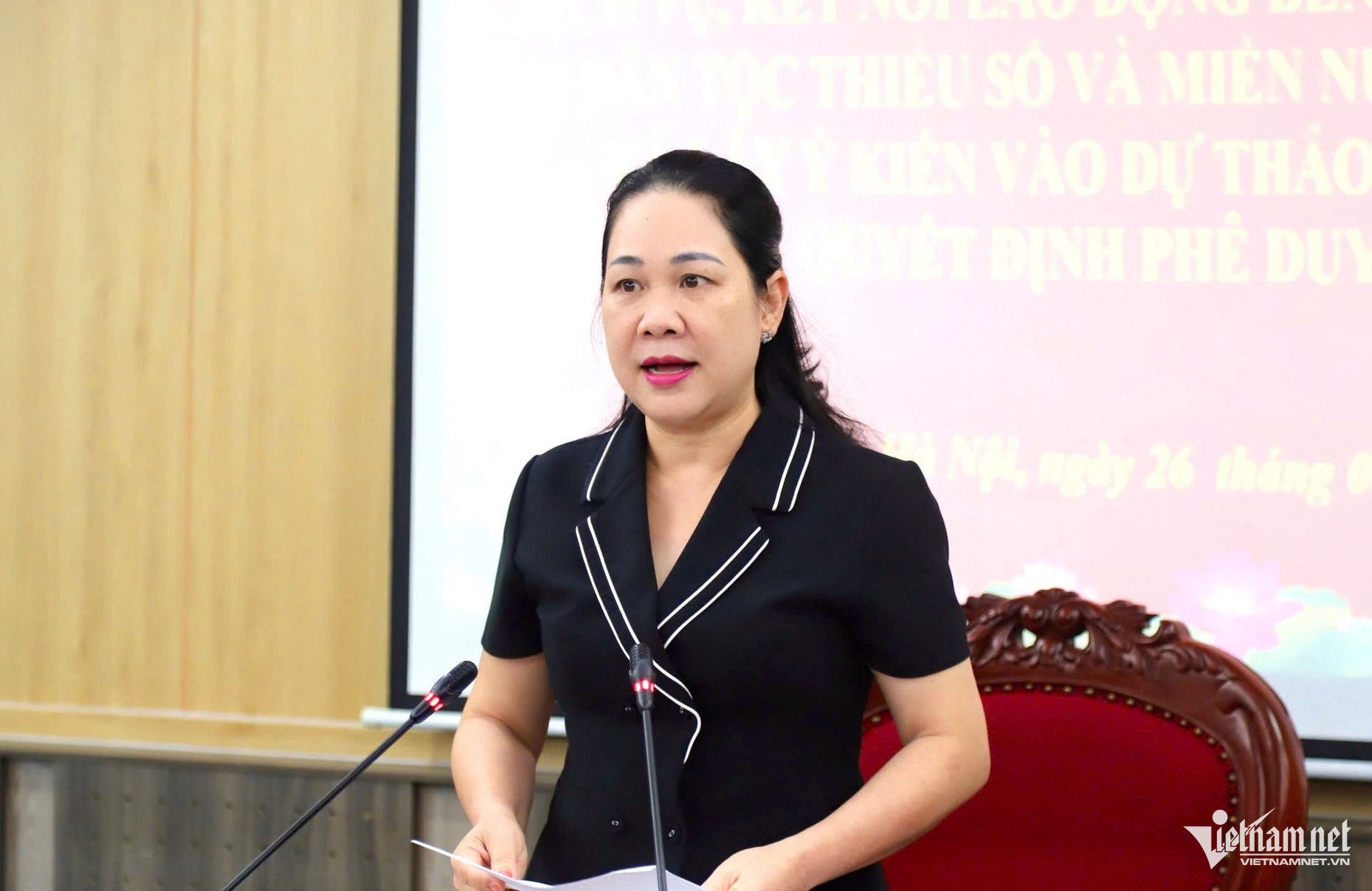
In her opening remarks, Ha stressed that creating jobs in ethnic minority and mountainous areas is about more than economic development. It also plays an important role in ensuring social welfare and narrowing development gaps between regions.
In turn, this contributes to maintaining political stability, social order and safety, while strengthening solidarity among Vietnam’s ethnic communities.
Against this backdrop, the plan is considered necessary to translate the Party’s guidelines and State policies on human resource development, employment and economic development in ethnic minority and mountainous areas into concrete action. It will also provide a framework for integrating and coordinating existing programs and policies more effectively.
The plan will be implemented in two phases, from 2026 to 2030 and from 2031 to 2035. It aims to develop a sustainable job-creation ecosystem in ethnic minority and mountainous areas, empower local people and mobilize their resources, and make better use of each locality’s potential and advantages.
It also seeks to expand access to jobs and sustainable livelihoods, raise incomes, promote socio-economic development, support sustainable poverty reduction and narrow development disparities.
Key tasks and solutions include developing local economies to create sustainable jobs for workers in ethnic minority and mountainous areas; improving workforce management and quality; and developing and connecting employment services.
Vocational training must respond to market demand
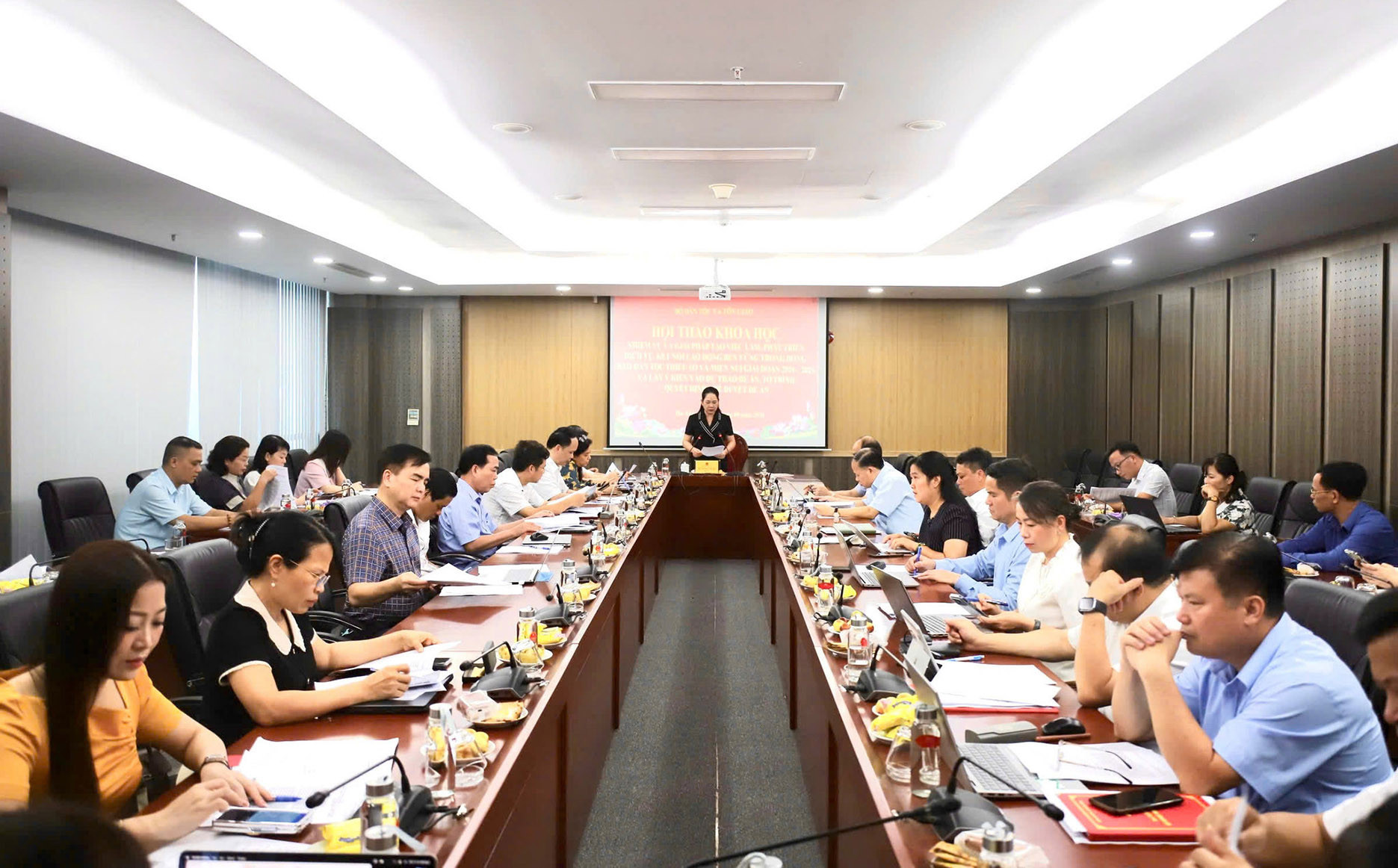
An overview of the workshop.
During discussions, delegates highlighted a range of challenges emerging from the implementation of policies at the local level.
Many areas still have limited capacity to generate jobs locally. Vocational training is not yet sufficiently aligned with employers’ recruitment needs, while the proportion of workers holding formal qualifications and certificates remains low. Labor market information also does not fully reach local communities.
Meanwhile, several service industries with considerable job-creation potential - including community-based tourism, agricultural processing, trade, logistics and production-related services - remain underdeveloped, small in scale and poorly connected to value chains.
Delegates called for the plan to introduce solutions suited to the conditions, potential and socio-cultural characteristics of individual regions and localities.
They emphasized the need for stronger links between vocational education institutions and businesses, with training organized around actual market demand and connected directly to employment opportunities after graduation.
At the same time, mechanisms are needed to encourage businesses to invest in ethnic minority and mountainous areas. Greater use of technology and digital platforms should also be promoted to provide labor market information, career counseling and better connections between workers and employers.
Concluding the workshop, Deputy Minister Nong Thi Ha thanked representatives of ministries, sectors, local authorities, research institutions, experts and scientists for their active and constructive participation.
She said the discussions and presentations provided important practical input that would help the ministry continue reviewing, incorporating feedback and refining the draft plan, submission and decision before they are presented to the Prime Minister.
Ha said that once finalized and approved by the Prime Minister, the plan would provide an important foundation for the coordinated implementation of measures to create jobs, develop services and establish sustainable employment connections across ethnic minority and mountainous areas.
These efforts are expected to help raise incomes, improve people’s living standards and promote socio-economic development in local communities.
Ha expressed hope that ministries, sectors, local authorities, experts and scientists would continue working closely with the Ministry of Ethnic and Religious Affairs, sharing information, practical experience and expertise as the initiative moves forward.
PV
.svg)
