 Vietnamnet.vn

 Podcast


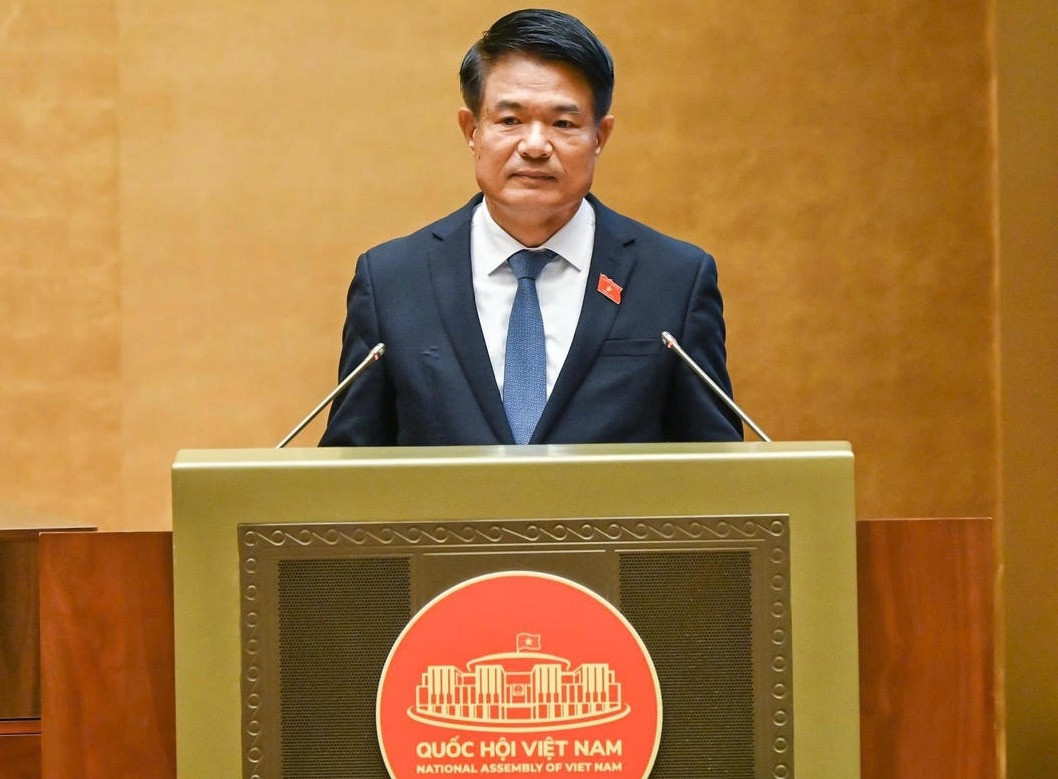
Nguyen Huy Tien, Prosecutor General of the Supreme People's Procuracy, presented a draft National Assembly resolution on piloting the recovery and disposal of crime-related assets without criminal convictions at a parliamentary session this morning.
Preventing assets from being concealed or losing value
According to the proposal, asset recovery remains difficult in practice, creating risks that assets may be transferred, concealed, lost or diminished in value.
The Supreme People's Procuracy was tasked with drafting the resolution to institutionalize Party policies, fulfill international commitments, address practical legal obstacles and improve the effectiveness of asset recovery.
The proposed resolution is also intended to strengthen efforts against corruption, wastefulness and other misconduct, protect state interests and improve crime prevention and enforcement.
The draft seeks to establish a pilot mechanism for recovering and handling crime-related assets through civil proceedings.
Under the proposal, when criminal liability cannot be pursued or criminal proceedings cannot continue under existing laws, the People's Procuracy would be authorized to initiate civil lawsuits requesting that the People's Court consider and order the recovery of assets for the State.
The pilot mechanism would not replace criminal prosecution when sufficient grounds exist.
Instead, it would introduce an additional legal avenue for handling assets originating from criminal activities.
"The application of this mechanism must simultaneously safeguard the interests of the State, respect rights and protect the legitimate rights and interests of relevant organizations, individuals and bona fide third parties," the proposal states.
The draft resolution consists of three chapters and 22 articles covering its scope, applicable subjects, jurisdiction, asset recovery procedures, implementation arrangements and enforcement provisions.
Regarding Article 7, which specifies the circumstances in which assets may be recovered without a criminal conviction, Tien said the draft identifies three qualifying situations, subject to the relevant legal grounds.
The first involves criminal cases in which proceedings have been initiated but the decision to initiate the case is subsequently annulled.
The second covers cases in which criminal investigations or proceedings have been temporarily suspended.
The third applies when criminal investigations or proceedings have been terminated.
Two-year pilot proposed from March 1, 2027
Regarding asset recovery procedures, the draft retains the fundamental principles of the Civil Procedure Code while introducing specific provisions suited to the nature of non-conviction-based asset recovery.
These provisions aim to ensure that cases are resolved promptly and effectively while allowing the parties involved to submit evidence, exercise their rights to adversarial proceedings and protect their legitimate rights and interests.
The courts would determine the origin of assets, assess evidence and decide how the assets should be handled in accordance with the law.
Such decisions must also safeguard the legitimate rights and interests of bona fide third parties.
The proposed pilot would run for two years beginning March 1, 2027.
The resolution would not apply to criminal offenses committed before midnight at the start of March 1, 2027.
Presenting the appraisal report, Phan Chi Hieu, Chairman of the National Assembly's Committee on Legal and Judicial Affairs, said the committee agreed on the necessity of adopting the resolution.
He explained that the mechanism would help promptly institutionalize Party policies, meet Vietnam's international commitments and address practical requirements for recovering assets lost or misappropriated in criminal cases.
The committee assessed the draft as constitutionally and legally compliant, consistent with Vietnam's legal system and compatible with international treaties.
It also found that the proposal met national defense and security requirements.
The submitted documentation was considered complete and eligible for presentation to the National Assembly.
The appraisal committee also supported the draft provisions allowing the application of temporary emergency measures.
However, it recommended specifying which authorities would be responsible for compensating affected parties at each procedural stage if emergency measures were improperly applied and caused damage.
Such clarification, the committee said, would help ensure transparency, legal certainty and consistency in implementation.
Thanh Hue

