 Vietnamnet.vn

 Podcast



Amid escalating tensions in the Middle East, fuel - a strategic commodity - has been among the first to experience sharp volatility, directly affecting both global and domestic markets. Supply disruptions and rising prices have raised concerns over inflation and the risk of stagflation, where high inflation coincides with slowing growth.
Yet over the past month, Vietnam has managed to maintain stable fuel supplies, ensuring uninterrupted distribution chains. Price increases have been contained, with domestic levels retreating from recent peaks to more manageable ranges. This has helped relieve pressure on production, business operations and household expenses.
The government’s swift and flexible response, coupled with decisive policy actions, has reinforced confidence among businesses and consumers, supporting economic stability.
Timely communication and transparency have also played a critical role.
According to Dang Anh Tuan, Deputy CEO of Vietnam Airlines, every US$1 increase in Jet A1 fuel above the annual plan adds more than VND300 billion (US$12.3 million) to the airline’s operating costs each year. With fuel prices rising from US$85 to US$242 per barrel and averaging over US$190 in March, the national carrier faces an additional burden exceeding VND30 trillion annually (US$1.23 billion).
He described soaring fuel costs as a “headwind” for the aviation sector, but noted that prompt government intervention has helped ease concerns, allowing airlines to maintain flight operations and contribute to economic development.
Similar sentiments are echoed across the transport sector. For businesses operating in cold-chain logistics, fuel is not only a transportation input but also a critical energy source for maintaining storage conditions.
Luong Quang Thi, Founder and CEO of ABA Cooltrans, emphasized that fuel price management is not merely about cost control but about ensuring the survival of essential goods.
“For frozen and fresh food, even a brief disruption due to fuel shortages or power loss in cooling systems can result in total losses. Stable fuel pricing ensures the seamless flow of food from farms to consumers,” he said.
Transparent communication of pricing mechanisms has also helped businesses avoid defensive behavior, enabling them to focus on optimizing operations rather than preparing for potential energy disruptions.
At the macro level, energy prices remain one of the most direct channels affecting inflation. Research by Savills shows that energy typically accounts for 5-10 percent of inflation baskets in developed markets. A 10 percent rise in oil prices can push overall inflation up by 0.1 to 0.3 percentage points. With global oil prices already up about 40 percent since the start of the year, cost pressures are increasingly evident.
While Vietnam is not immune to these effects, the impact is largely indirect, transmitted through production and supply chains.
Economist Huynh Thanh Dien from Nguyen Tat Thanh University noted that timely and well-calibrated policies have effectively kept domestic fuel prices at lower levels, limiting spillover effects on transportation, manufacturing and logistics costs.
Without such measures, fuel prices could have surged further, amplifying inflationary pressures.
He highlighted the role of the price stabilization fund in smoothing fluctuations, alongside tax and fee reductions that helped ease external cost pressures. Flexible pricing mechanisms have also prevented abrupt spikes in domestic markets.
More importantly, these policies have stabilized market sentiment, reducing the risk of speculation, hoarding or widespread expectations of price hikes. When businesses and consumers are shielded from sudden shocks, economic behavior remains more predictable, supporting macroeconomic stability.
Sharing this view, Dau Thi Mai Lien from Ho Chi Minh City Banking University said Vietnam’s open economy makes it vulnerable to global shocks, but the government’s rapid response in managing fuel prices has been commendable.
Without early intervention, rising production costs and negative sentiment could have spread across the economy.
However, she cautioned that policy effectiveness also depends on business behavior and consumer psychology.
Citing Thailand as an example, she noted that while the government has imposed limits on fuel sales to ensure supply, there has been no widespread opportunistic price increases. Prices only rise when directly affected by fuel costs - a dynamic Vietnam needs to monitor closely.
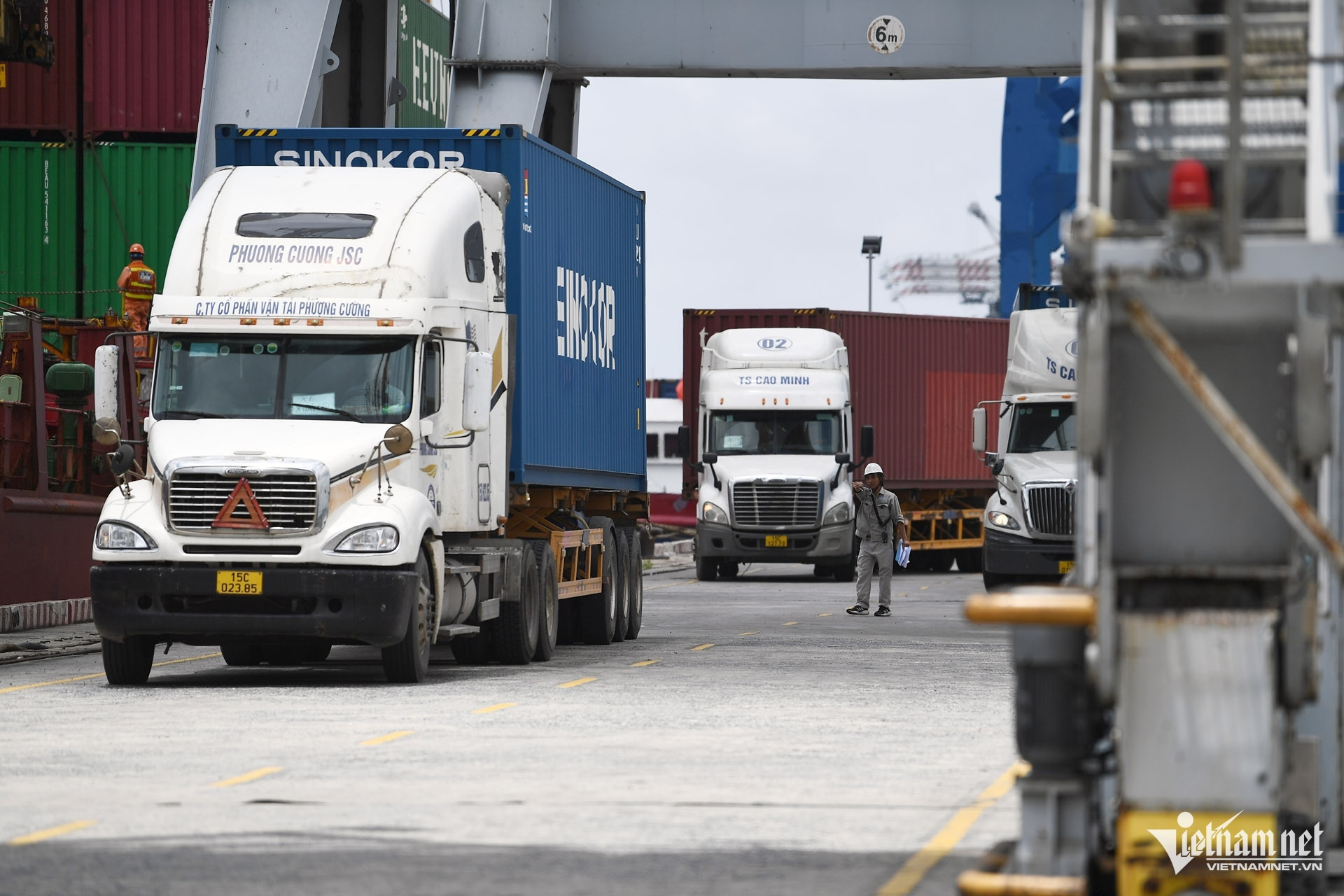
Despite stable supply, diesel prices remain high, posing challenges for logistics firms. In cold-chain transport, vehicles must operate continuously to maintain low temperatures, making diesel both a transport fuel and a core energy source.
When fuel accounts for 35-40 percent of transport costs, the burden inevitably shifts to consumers through higher food and essential goods prices. Without effective price control measures, the competitiveness of domestic agricultural products could be significantly undermined.
To address this, businesses have proposed targeted solutions, including differentiated tax policies that prioritize diesel - a key input for production and logistics - over gasoline, which is primarily used for personal consumption.
They also suggest prioritizing the use of the price stabilization fund for diesel, helping to directly reduce logistics costs and contain inflationary pressures.
Tran Chung
.svg)
