 Vietnamnet.vn

 Podcast



A remarkable journey of ironwood logs and rare Asian craftsmanship
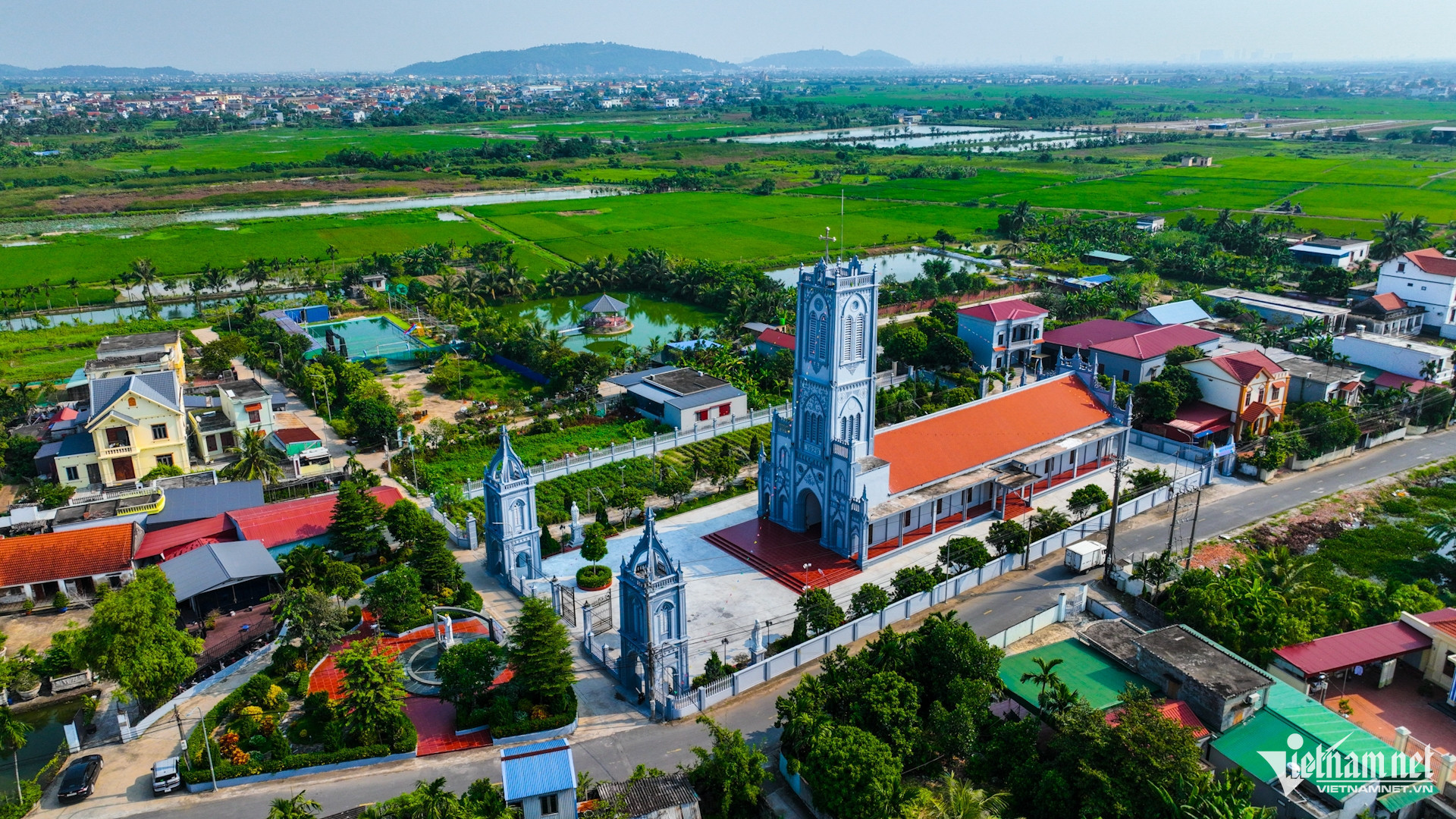
The historic church of Van Khe Parish in Hai Phong, northern Vietnam, was begun in the late 19th century and officially completed in 1916.
Its construction history remains engraved on the church's roof beams, including a Latin inscription recording that the roof was raised on April 6, 1914, and a Han-Nom inscription stating that the pillars were erected at 8 a.m. on the 18th day of the third month of the Giap Dan year, the eighth year of Emperor Duy Tan's reign (1914).
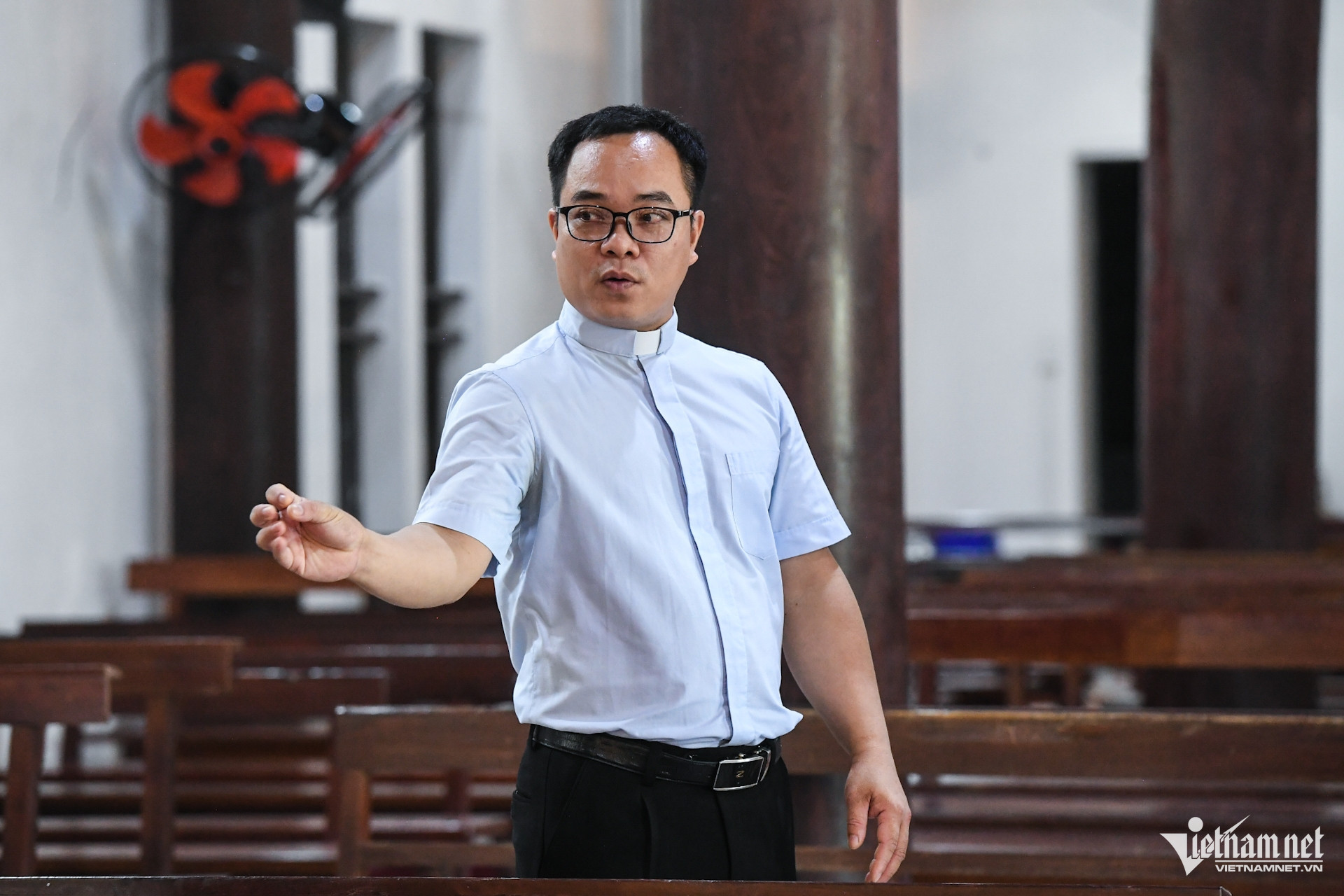
Speaking to VietNamNet, Father Gioan Baotixita Pham Van Thu, parish priest of Van Khe, explained that before the imposing ironwood church was built, the community had worshipped in a modest structure made of earth and roofed with palm leaves.
The parish priest at the time was determined to build a larger, more permanent place of worship.
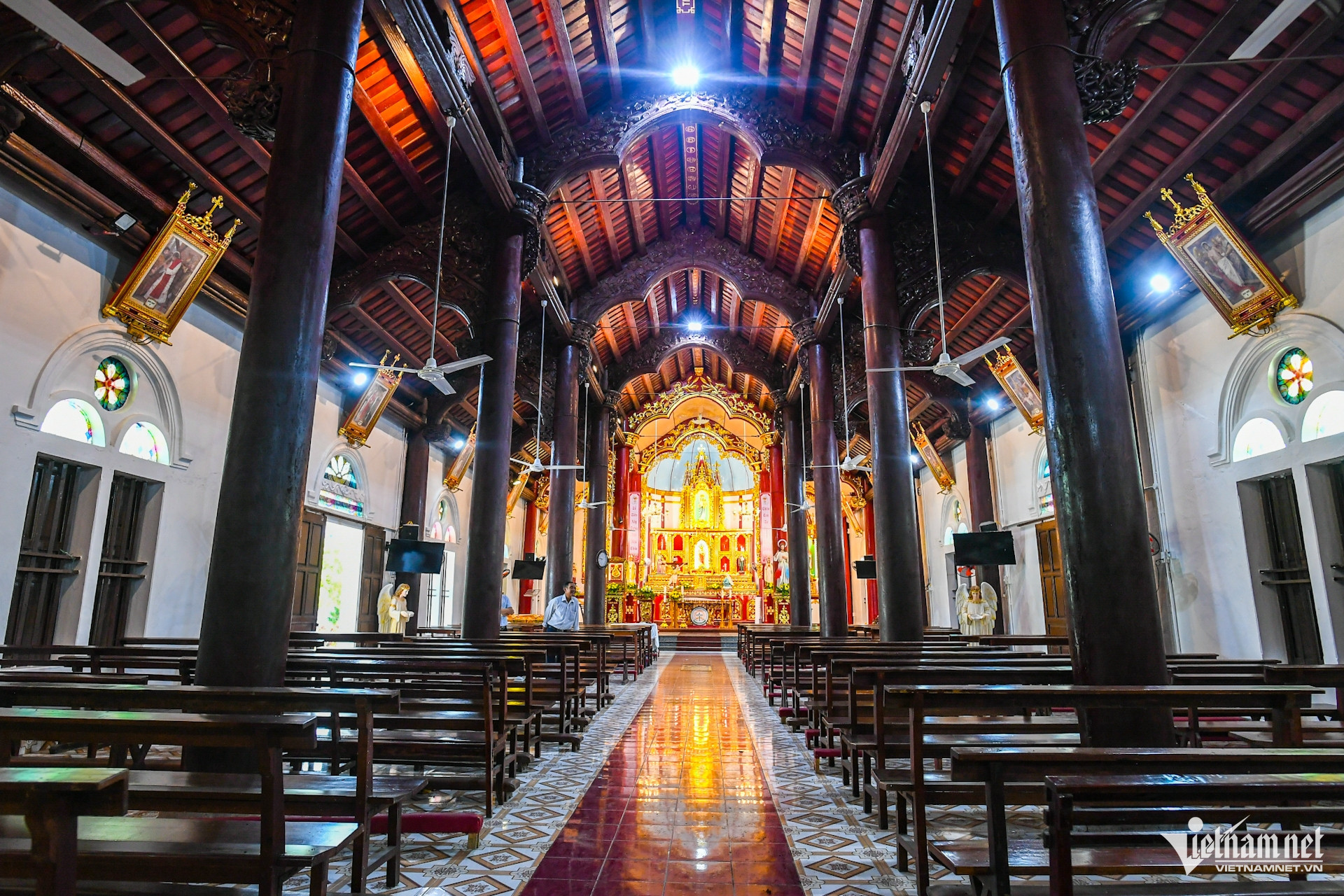
According to stories passed down by elderly parishioners, their ancestors traveled to the mountainous areas of the former Bac Giang and Ha Giang provinces to select more than 100 ironwood trees for the church's pillars, beams, purlins and rafters. Each log measured between eight and ten meters long.
Transporting such enormous quantities of timber, along with stone bases weighing several tons for the pillars, was an extraordinary undertaking with the rudimentary equipment available more than a century ago.
The logs were assembled into rafts and floated down rivers toward the village. Once they arrived, villagers used levers, wooden rollers and sheer physical strength to maneuver each massive piece of timber into position.
The painstaking process of cutting, shaping and carving the wood continued for three to four years before the main wooden framework was completed.
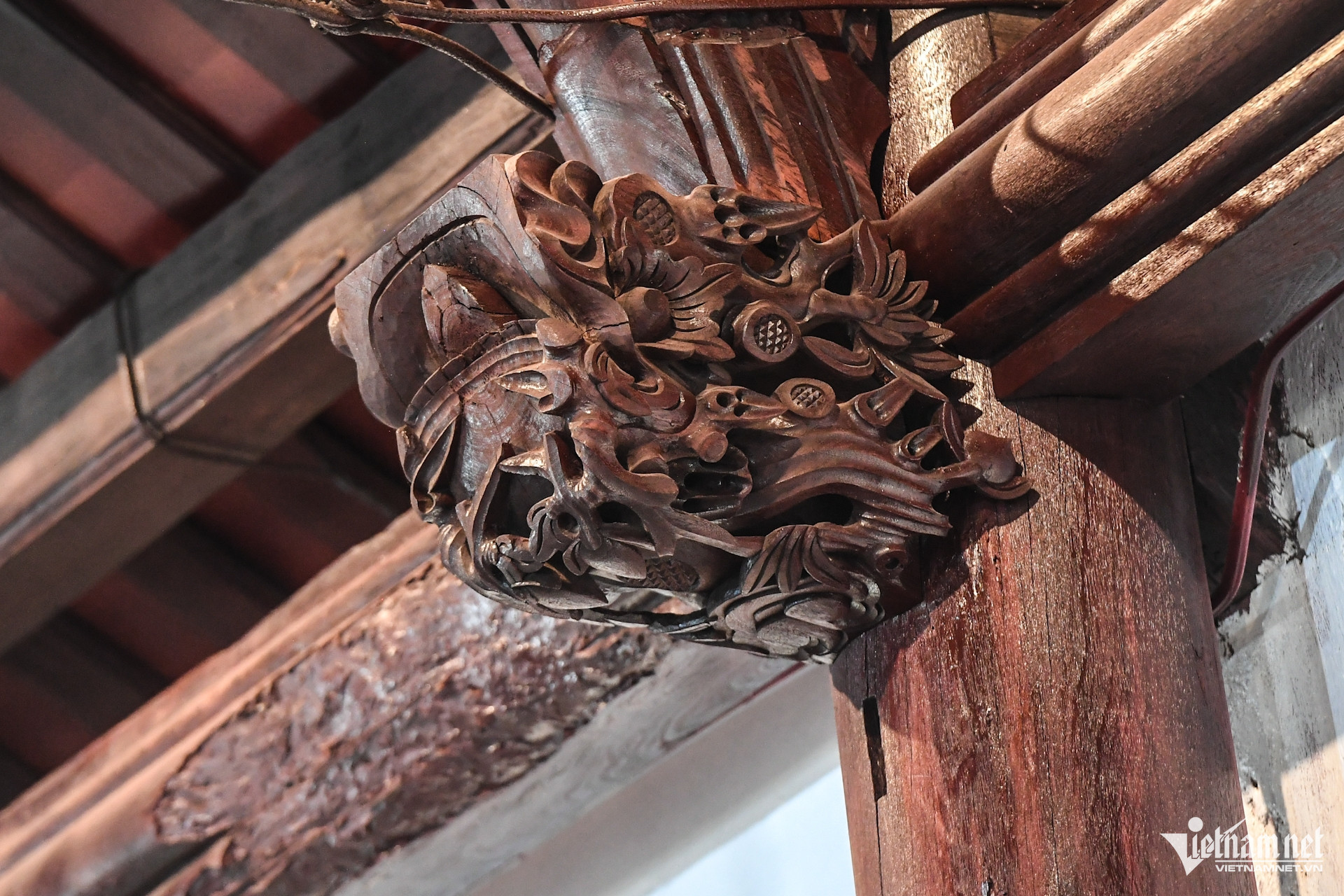
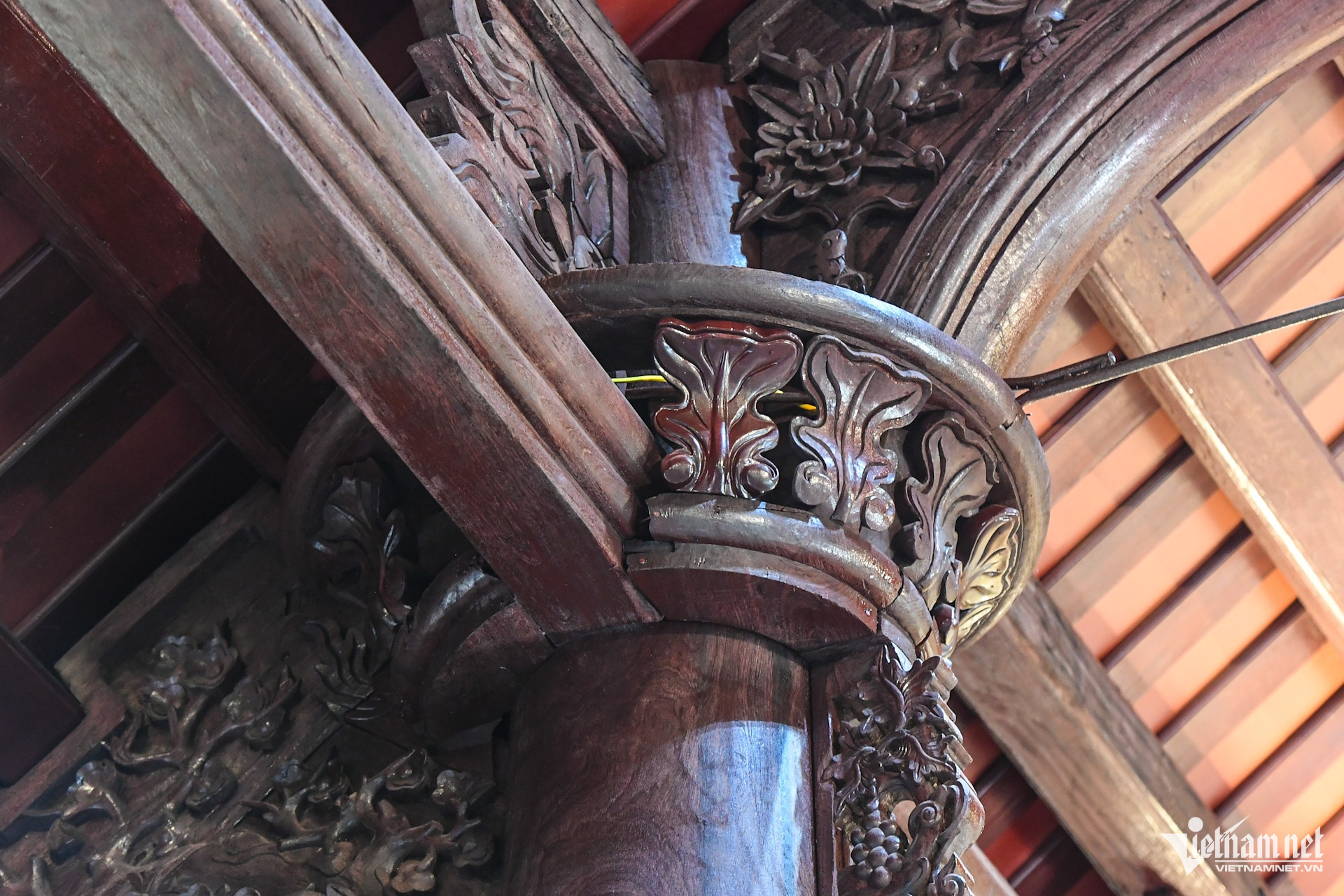
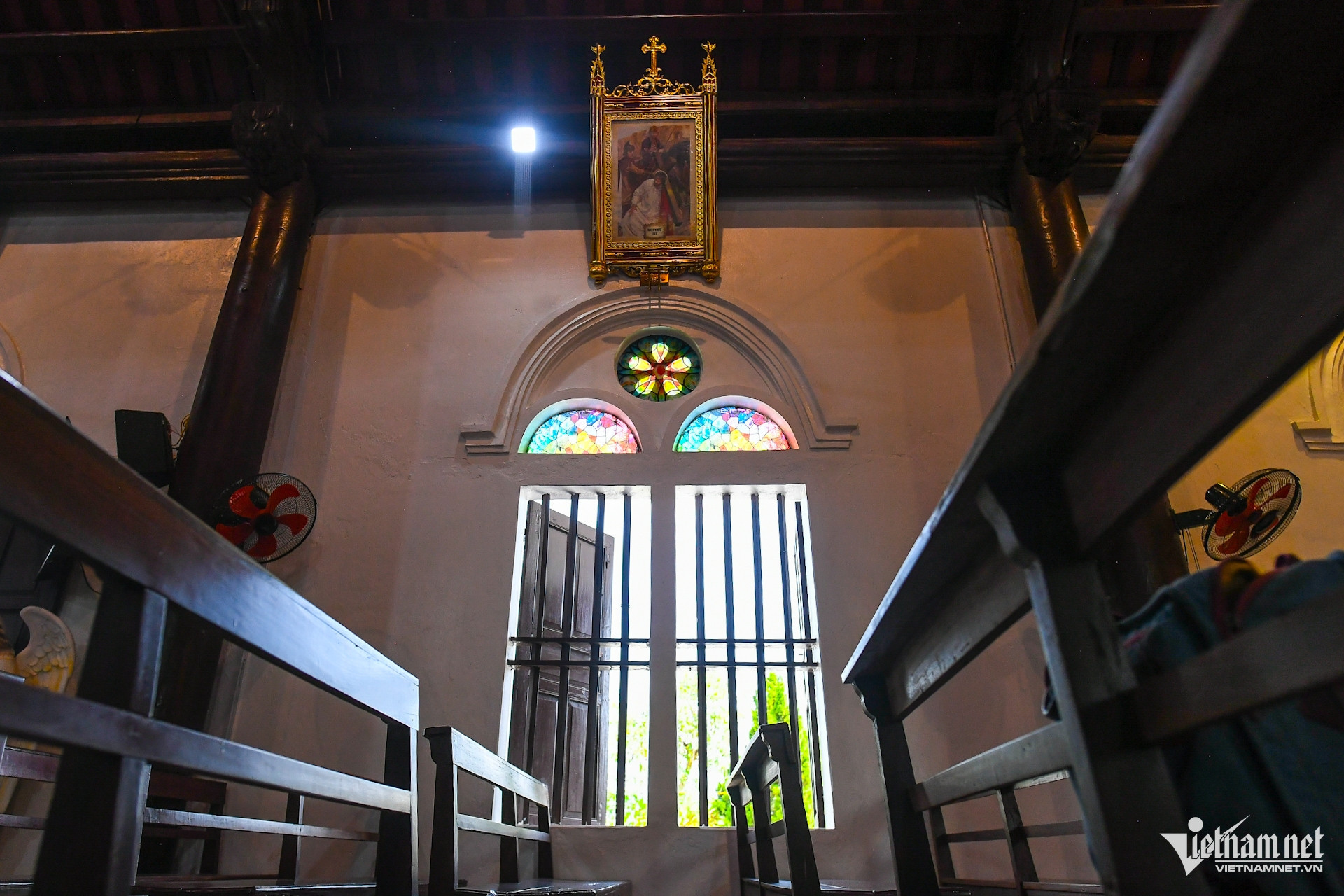
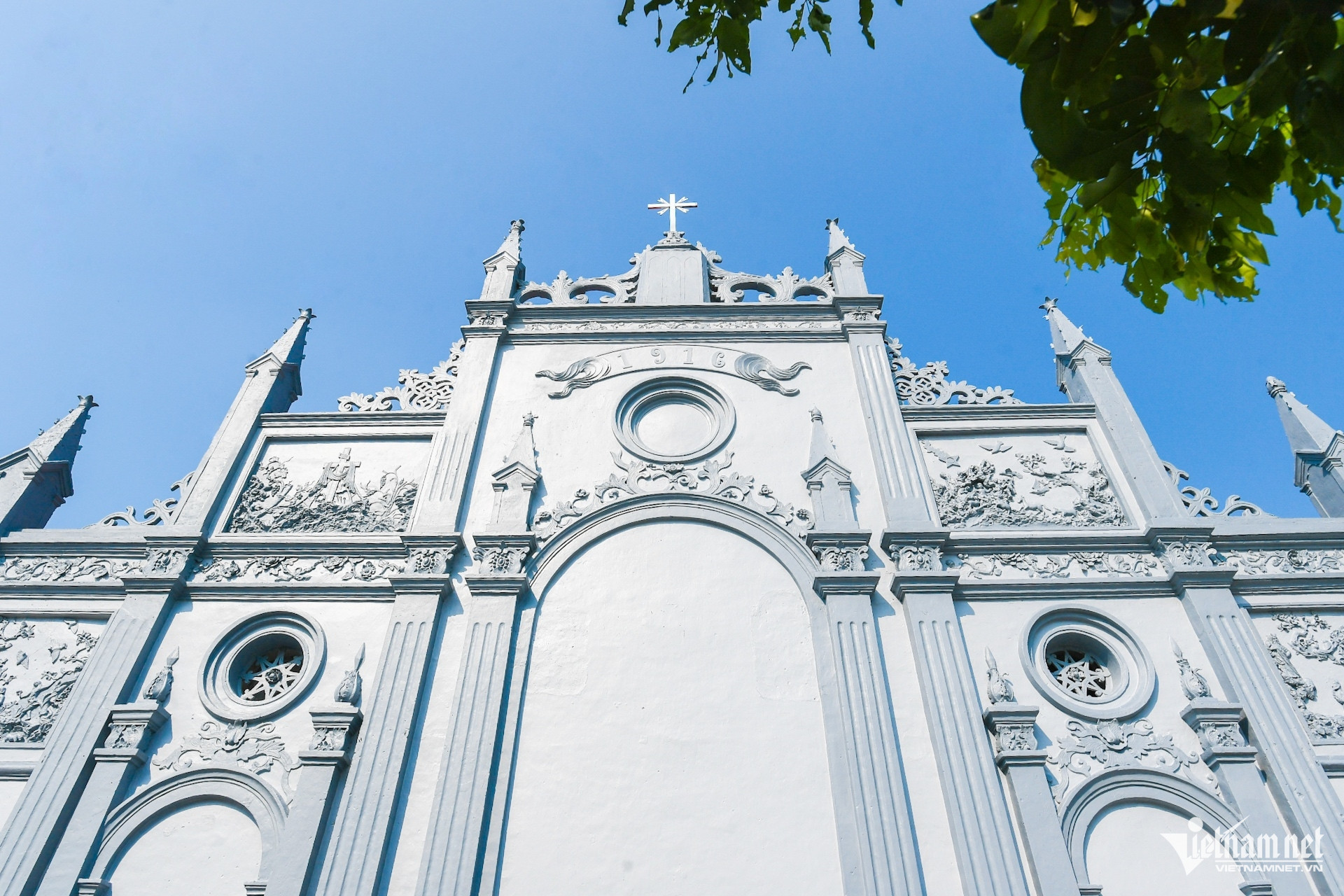
Unlike the Western Gothic architecture commonly associated with Catholic churches, Van Khe's sanctuary incorporates striking elements of traditional Asian decorative art.
Its pillars and roof trusses are adorned with intricate carvings inspired by familiar aspects of Vietnamese life, including rice stalks, grape clusters and bamboo, alongside gracefully sculpted dragon heads.
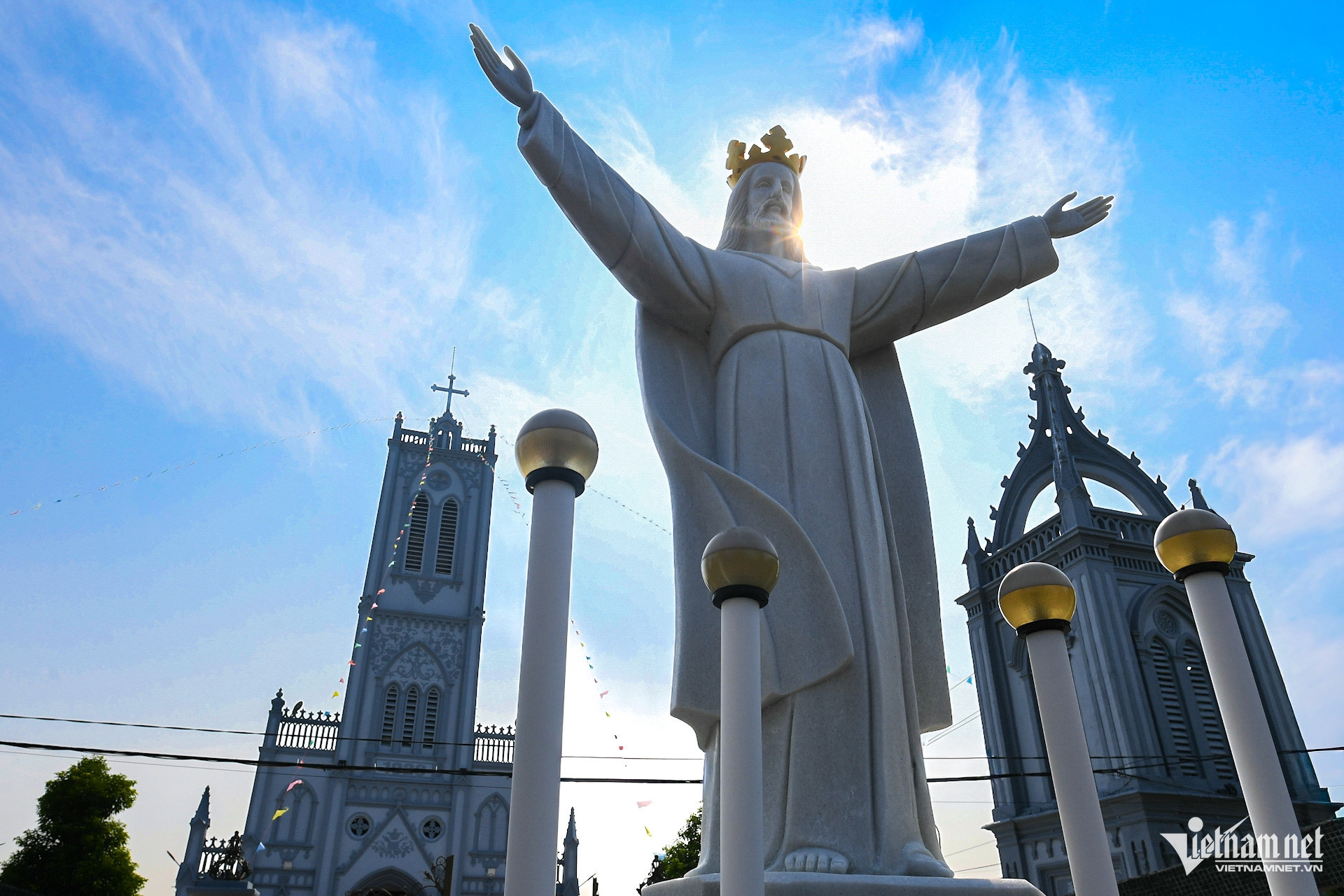
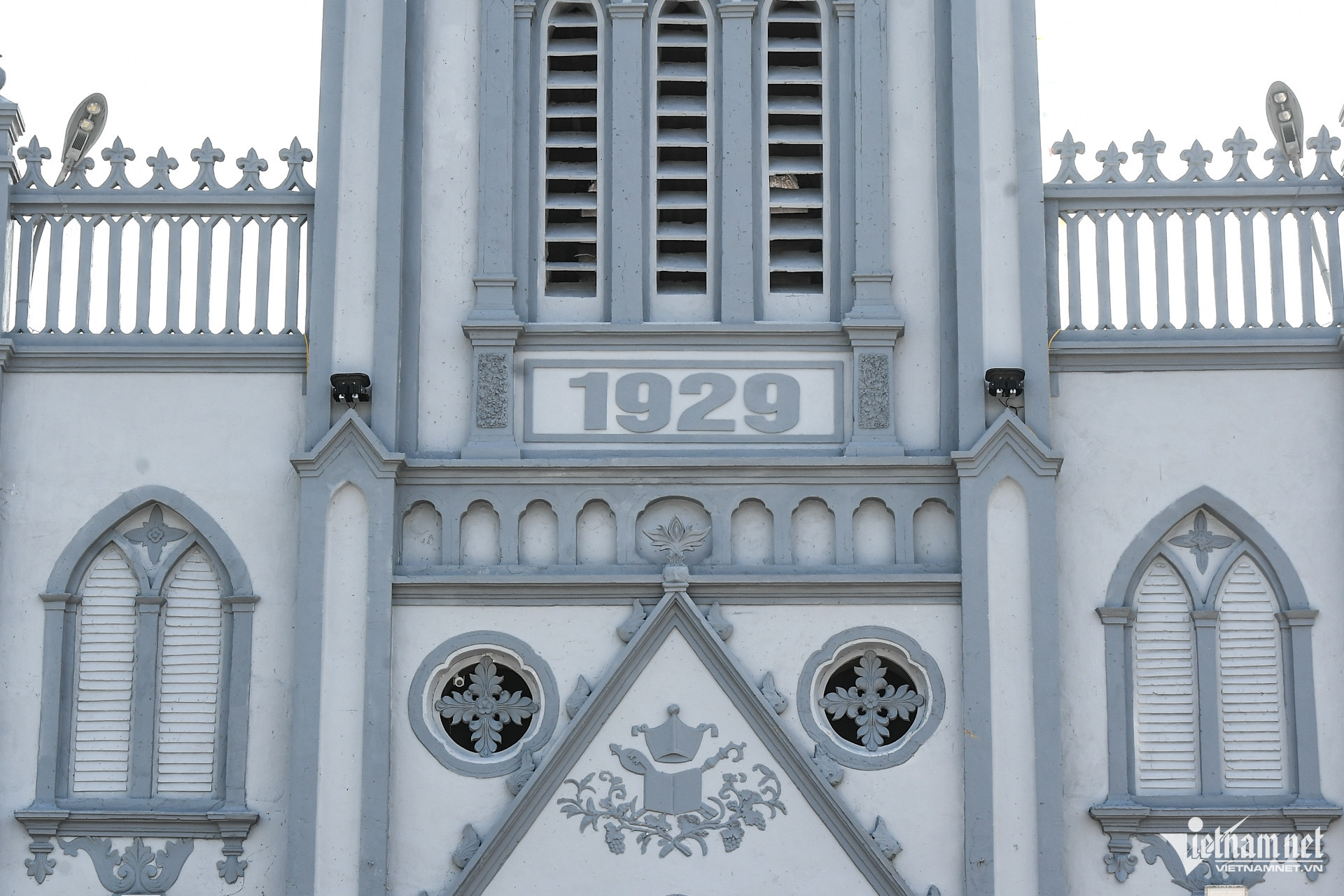
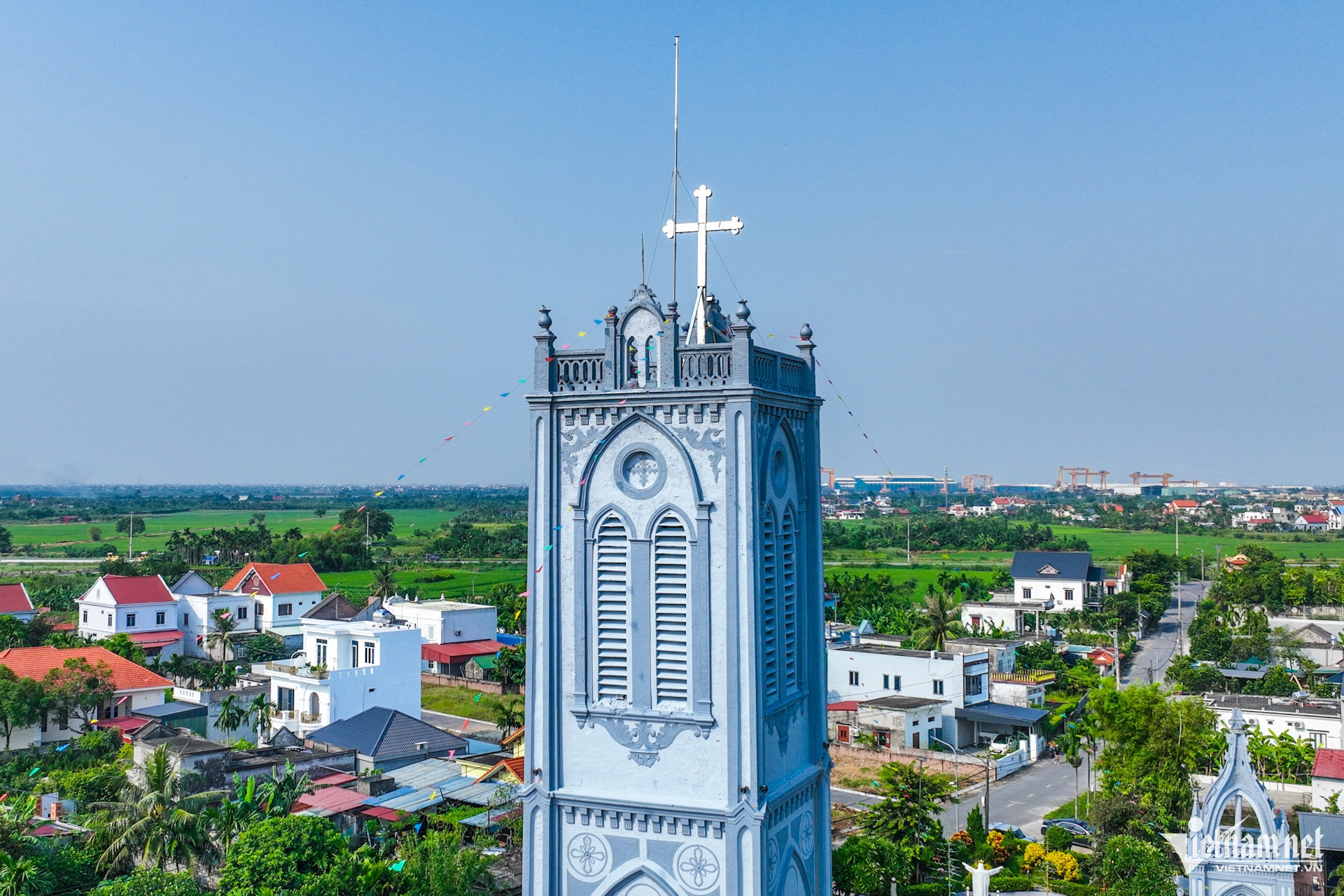
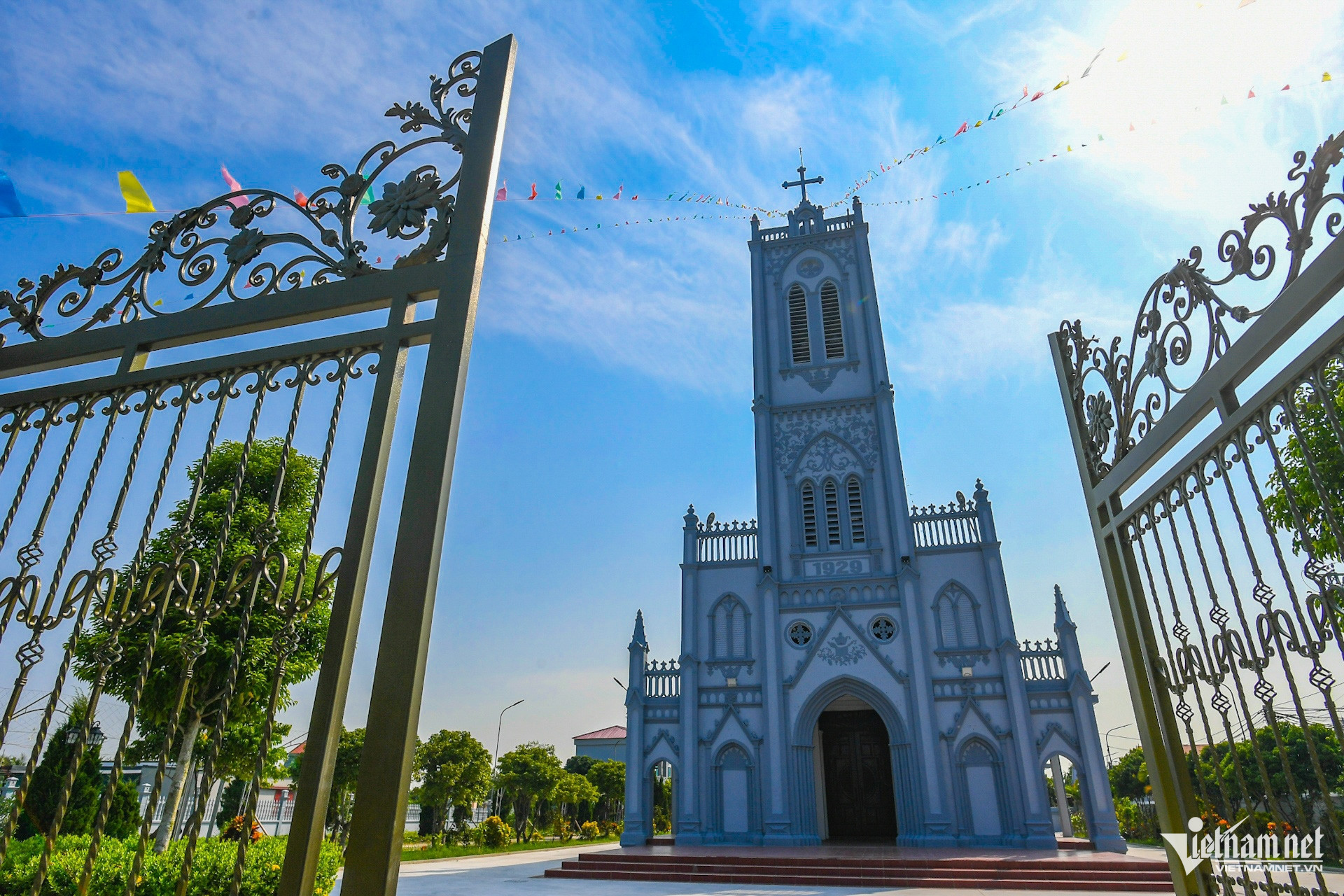
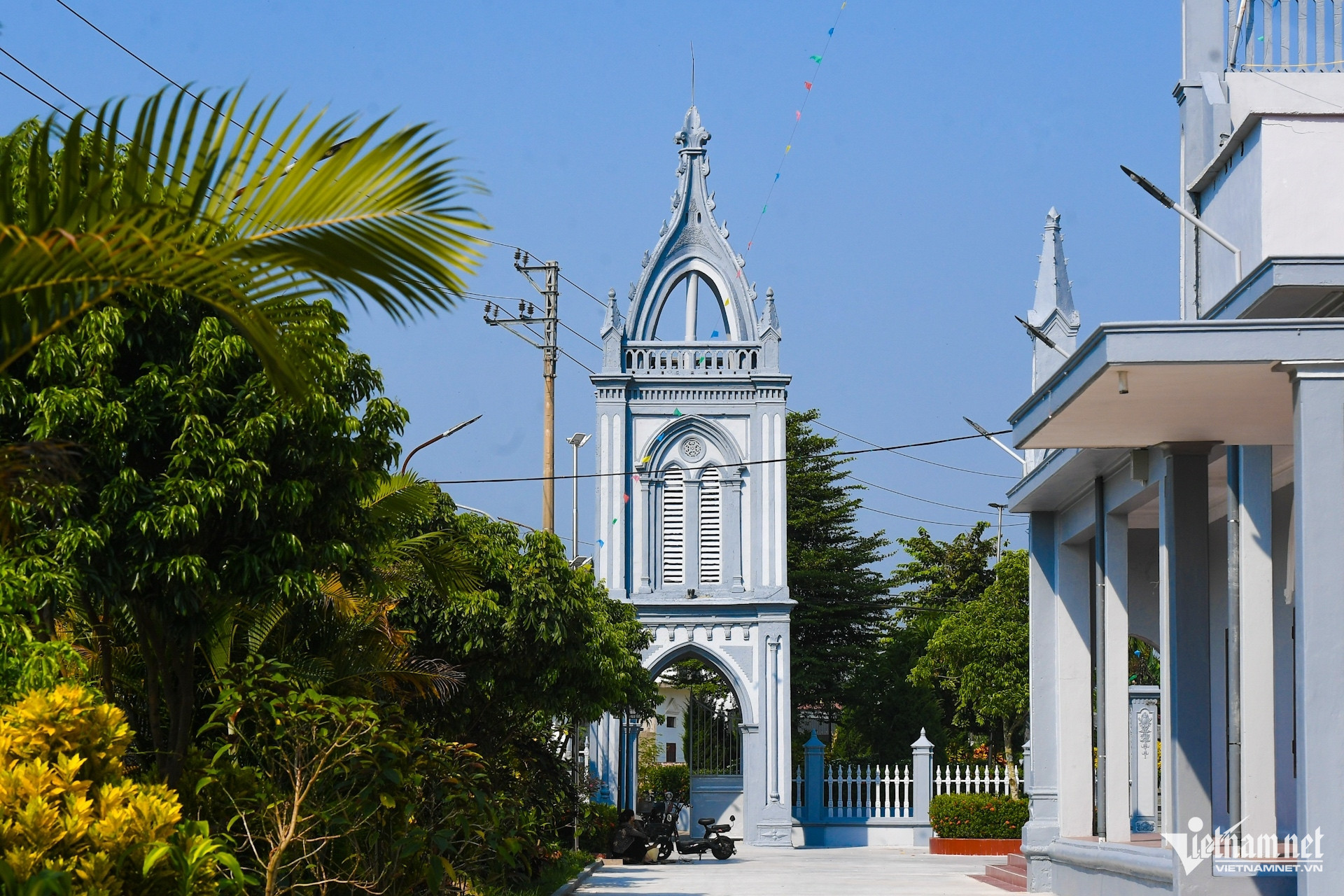
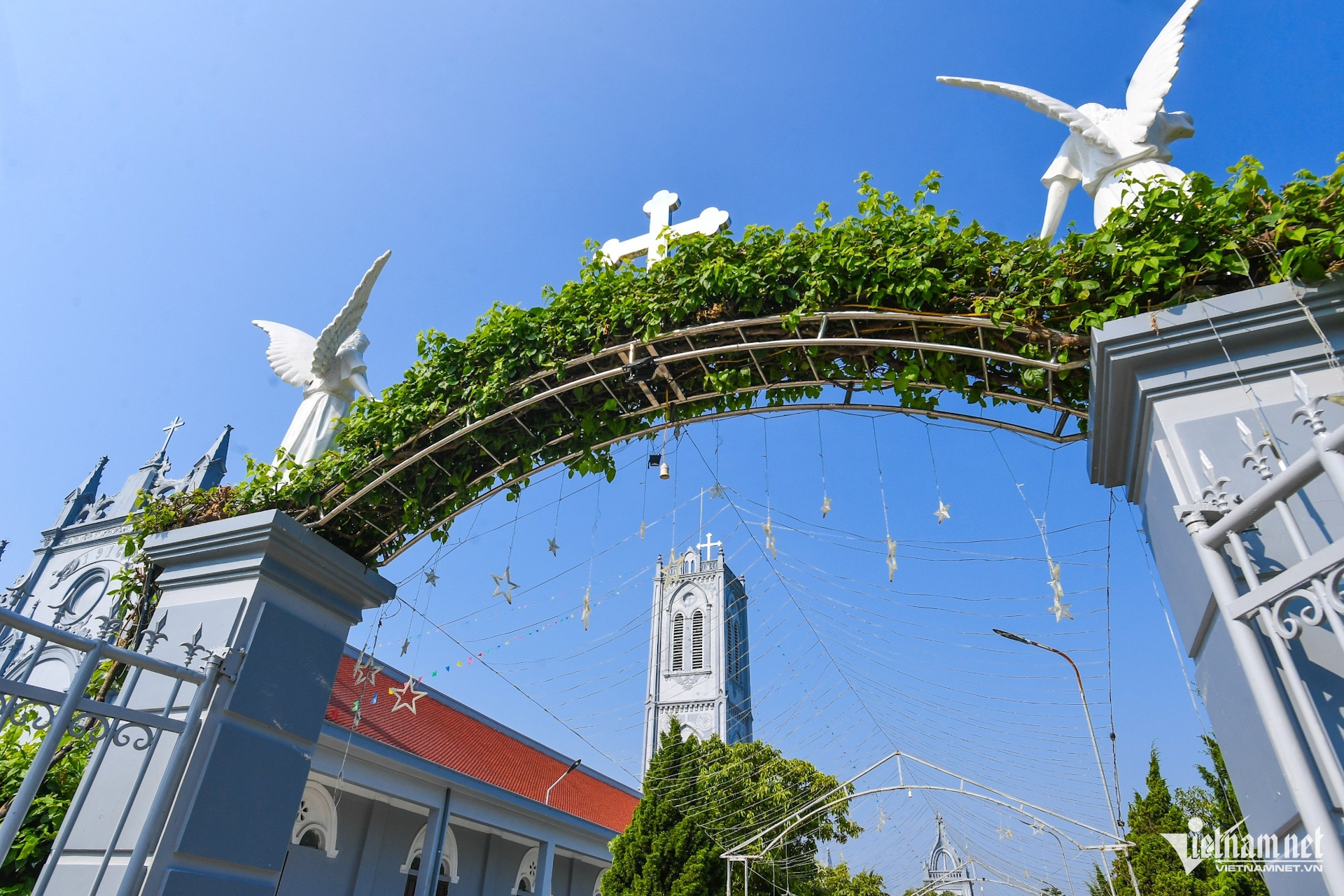
Construction continued over the following decades. The church's main tower was completed in 1929, followed by two smaller towers in 1935, creating a harmonious and imposing architectural complex.
The flowing dragon motifs, bamboo patterns and floral decorations recall the artistic traditions of East Asia.
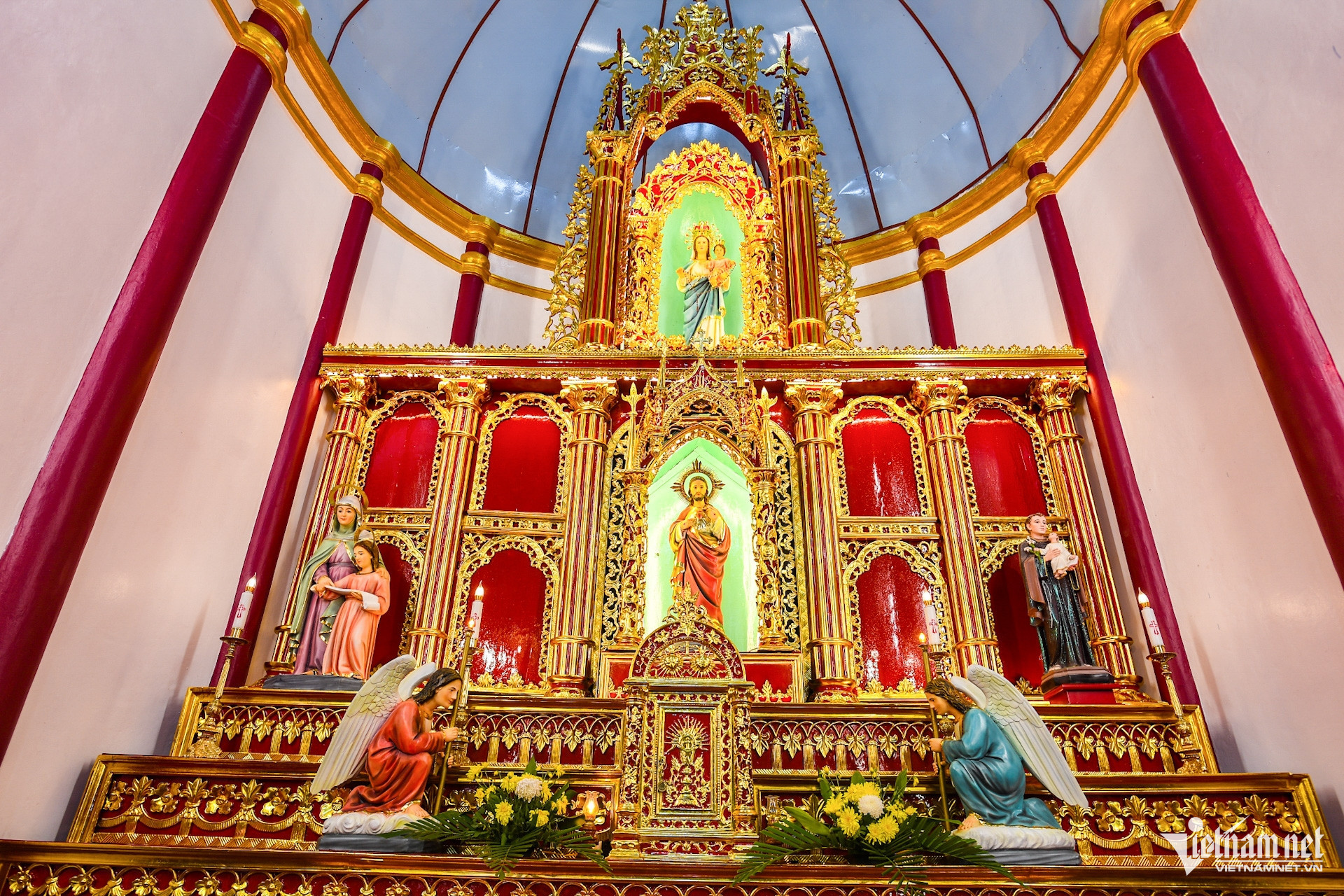
Set within a Catholic sanctuary, these details form an unusual meeting point between local cultural heritage and religious life, giving the building a distinctive character rarely found in conventional church architecture.
The remarkable resilience of an ancestral home
Situated in the coastal region of Hai Phong, Van Khe Church has endured more than a century of exposure to rain, sunshine, storms, high humidity, salt-laden air and termites, all of which can gradually damage wooden structures.
Father Thu recalled that generations of parishioners had adopted various methods to protect the timber from termites and deterioration.
Traditional preservation techniques, constant care and repairs carried out over successive generations have helped the church survive for more than 100 years.
Some storms tore away sections of the roof and damaged parts of the building, but the main wooden framework remained intact.
At certain points, the church deteriorated considerably, prompting parishioners to contribute money, labor and whatever resources they could to carry out repairs.
On the second Sunday of Easter in April 2026, Father Thu and the Van Khe Catholic community decided to undertake another restoration of their historic church.
Over more than four months, carpenters and roof tilers from the Bui Chu area of the former Nam Dinh Province worked alongside painters and builders, often laboring through intense summer heat.
The restoration retained the church's precious original ironwood framework, replacing only damaged purlins and rafters while reinforcing the flooring.
On August 23, 2026, the parish celebrated a thanksgiving Mass marking the completion of the restoration and the church's 110th anniversary.
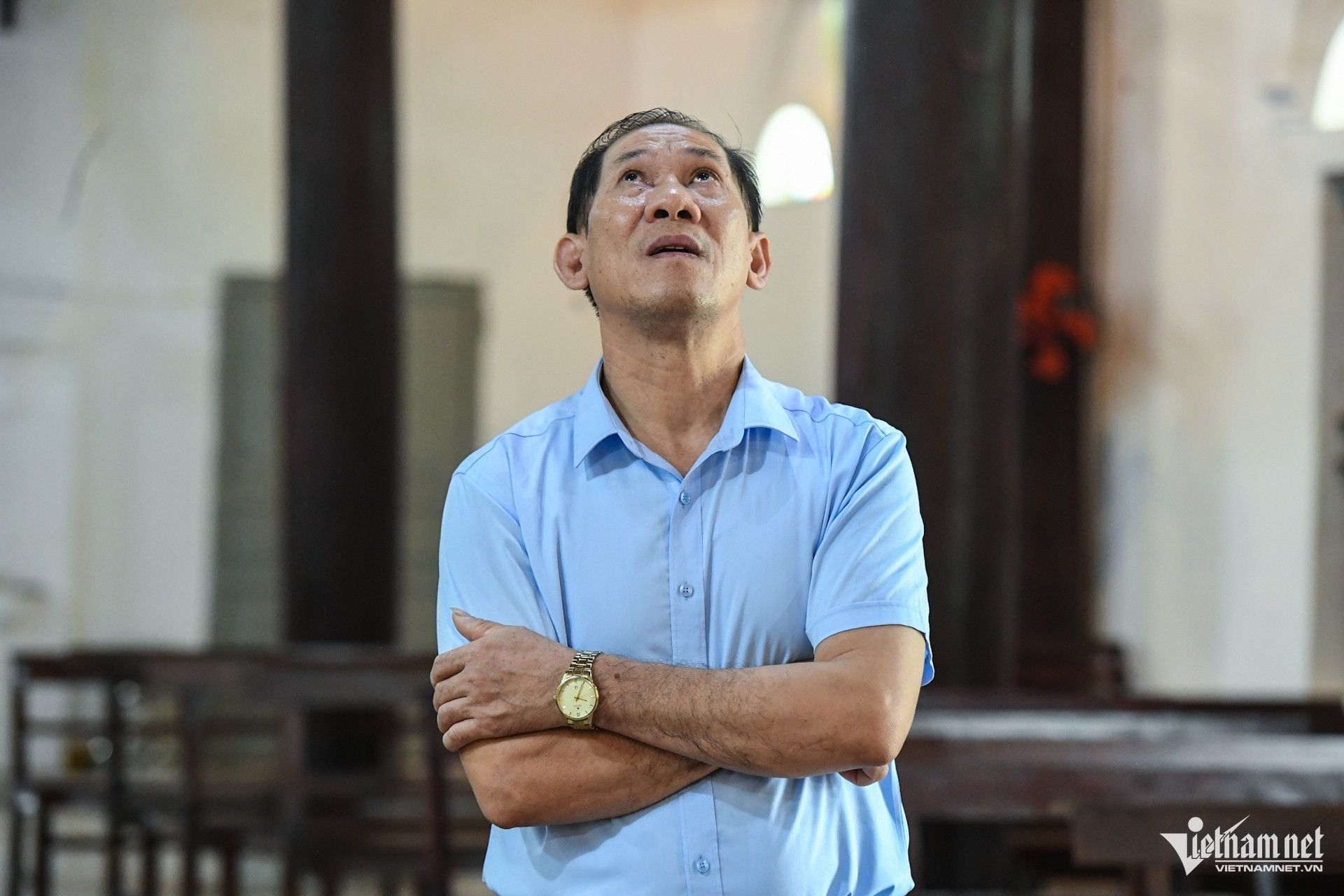
For former senior parish lay leader Augustino Vu Van Huong, seeing the building restored to a dignified condition while retaining its historic character was an emotional moment.
"I feel deeply satisfied and happy now," he said. "All the effort that our parish priest, parish council and community members have put into preserving and protecting the heritage left by our ancestors has finally borne fruit."
United in preserving a legacy of faith for future generations
Following the migration upheaval of 1954, only about 100 Catholics remain in the Van Khe parish community today.
Yet their affection for the church and their determination to protect it have never diminished.
Beyond its architectural significance, the 110-year-old sanctuary is an irreplaceable part of the community's spiritual life, carrying generations of memories and deep emotional attachments.
"Our ancestors left us a very beautiful church. To us, this is our shared ancestral home," said senior parish lay leader Augustino Vu Van Bau. "It is where we worship God, but also where we remember and pray every day for our ancestors who have passed away."
Today, the century-old church stands not only as a source of pride in a remarkable piece of architectural and artistic heritage, but also as a living testament to solidarity, religious devotion and the bonds connecting generations of Catholics in Van Khe.
Its enduring presence reflects the community's commitment to living a meaningful religious life while contributing positively to society.
Father Pham Van Thu hopes that, given sufficient resources, the community will be able to continue improving and preserving the church for future generations.
"I hope that in the future, if conditions allow, we can make this church even more beautiful and better preserved, while fully maintaining its meaning as a house where God is present," he said.
Perhaps, as the stories of more than 100 massive ironwood logs traveling down rivers, the exquisite Asian-inspired carvings and the generations who have protected this Catholic sanctuary become more widely known, Van Khe Church will draw visitors curious about a remarkable architectural legacy.
For more than a century, it has stood as a place where traditional craftsmanship, local culture and enduring faith come together.

Thach Thao - Binh Minh
.svg)
