 Vietnamnet.vn

 Podcast



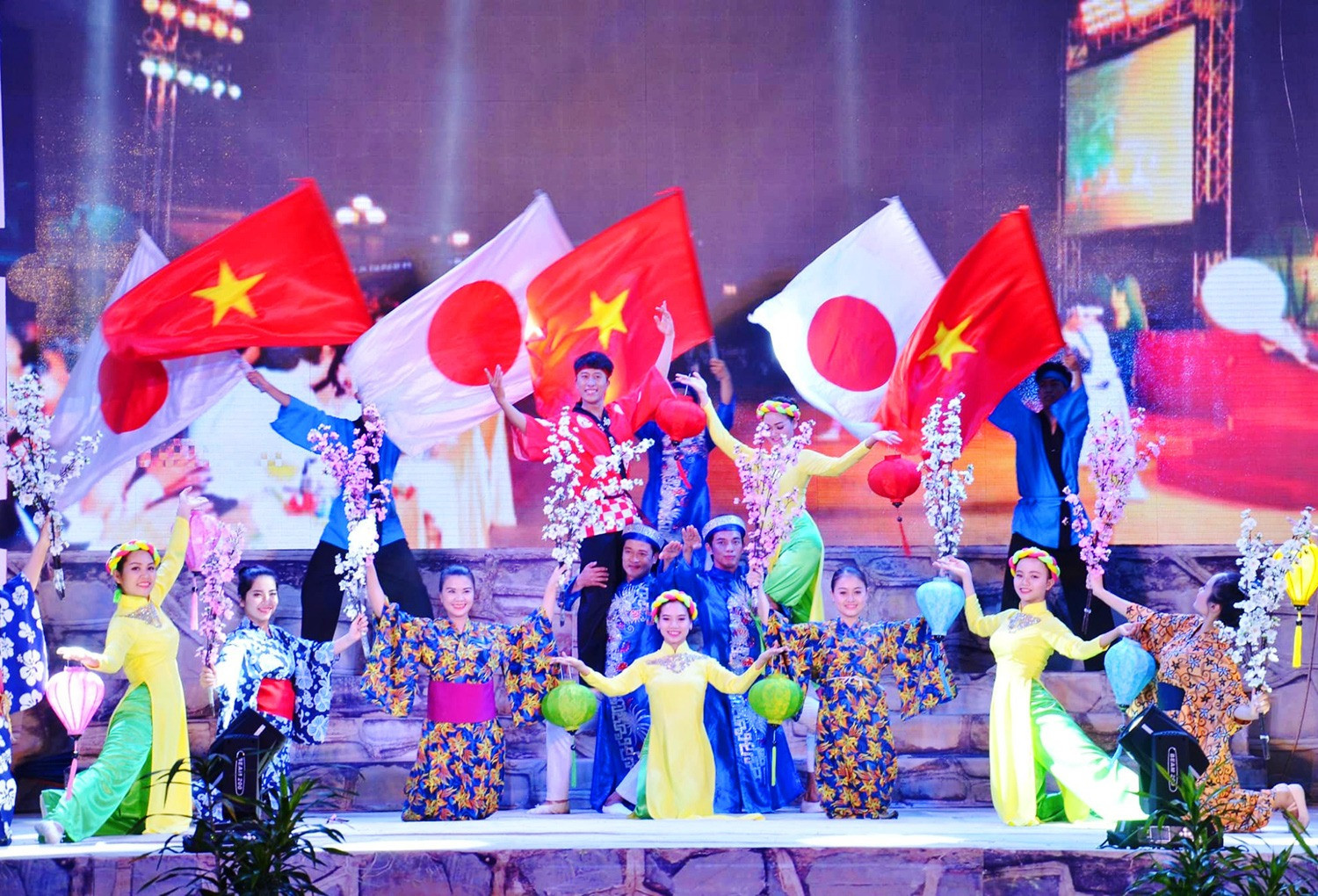
Photo: File
The achievements of Vietnamese cultural diplomacy since the 13th National Party Congress have not only elevated the country’s global image, but also generated new strategic momentum for its journey toward long-term national milestones - including the centennial anniversaries of the Communist Party’s founding and national independence.
Post-Congress, cultural diplomacy was officially recognized as one of the three pillars of Vietnam’s modern, comprehensive diplomacy. The focus has shifted to bolstering national soft power and promoting the Vietnamese identity worldwide - key to reinforcing political trust and expanding Vietnam’s international credibility in an era of deepening integration.
The 13th Party Congress resolution laid out the foreign policy vision for 2021–2030: “Continue the independent, self-reliant, multilateral and diversified foreign policy; actively and proactively integrate into the world in a comprehensive, extensive, and effective manner; maintain a peaceful and stable environment; and constantly elevate Vietnam’s international standing.” Cultural diplomacy has since advanced significantly under this strategic framework.
Cultural diplomacy: A bright spot in high-level foreign policy
Vietnam’s cultural diplomacy in recent years has been implemented broadly and methodically, engaging the entire political system. High-level diplomatic missions led by Party and State leaders have left lasting impressions, strengthening strategic trust with international partners.
At the same time, programs such as Vietnam Days and Weeks abroad, global tributes to President Ho Chi Minh, and cultural exchange events have been revitalized, spreading the values of Vietnamese culture far beyond its borders.
Efforts have also expanded beyond central-level activities. Provinces, businesses, and local communities have become active players, with nearly 9,000 festivals annually and numerous international cultural cooperation programs. These grassroots initiatives present a rich, approachable image of Vietnam to the world.
Cultural diplomacy has emerged as a vital “soft power weapon,” helping global audiences understand the character, spirit, and identity of the Vietnamese people - thereby earning broader support for Vietnam’s independent and self-reliant foreign policy.
UNESCO milestones signal rising soft power
In 2023, Vietnam made significant strides in cultural influence. UNESCO recognized the Cat Ba Archipelago as a World Heritage Site, added Hoi An and Da Lat to its Creative Cities Network, and honored Hai Thuong Lan Ong as a global cultural figure.
Vietnam now holds the position of Vice President of the UNESCO General Conference and is a member of all five key UNESCO mechanisms - making it one of the few nations with significant influence in global cultural, educational, and scientific policy.
As of now, Vietnam holds 67 UNESCO-recognized heritage titles and honors, well beyond its target of 60 by 2030.
These accolades not only boost Vietnam’s international stature but also have tangible economic and social benefits. In Ninh Binh, for instance, the Trang An World Heritage Site has helped transform the local economy - cutting the agricultural labor force to just 10% while doubling 2023 tourism revenues compared to 2019.
In 2024 and 2025, Vietnamese culture reached new territories. For the first time, Vietnam Days were held in Latin America - where Brazilian children were captivated by water puppetry.
In Saudi Arabia, Vietnamese culture lit up the desert as locals experienced traditional to he figurine sculpting and watched artists craft Vietnamese-style camels. Such exchanges revealed the finesse and humanity of Vietnamese culture to the wider world.
Artistic initiatives like the Vietnam–Japan Festival, the 2024 International Dance Festival, performances in Italy, and the Vietnam Film Week in France continued to spotlight Vietnamese cultural vitality and its capacity for dialogue with the world’s great artistic traditions.
Vietnam is emerging as one of Asia’s most attractive cultural destinations. At the 2024 World Travel Awards, it was named Asia’s Leading Destination, Leading Heritage Destination, and Leading Nature Destination.
That same year, Vietnam welcomed 17.5 million international visitors - a 38.9% increase over 2023, one of the highest growth rates in the region.
According to the Lowy Institute’s Asia Power Index 2024, Vietnam’s overall national power rose by 1.2%, with the strongest gains in diplomatic and cultural influence.
Strategic breakthroughs as the Congress term ends
According to Nguyen Phuong Hoa, Director General of the International Cooperation Department, 2025 marks a strategic turning point for Vietnamese cultural diplomacy, shaped by visionary thinking and bold initiatives.
Among the highlights is Vietnam’s pioneering proposal of the “International Decade of Culture for Sustainable Development” at MONDIACULT 2025, with participation from 163 countries. The initiative was approved by UNESCO for submission to the United Nations - demonstrating Vietnam’s leadership in shaping post-2030 global development discourse.
Domestically, the first World Cultural Festival in Hanoi drew over one million visitors from 48 countries, featuring 30 performances, 34 films, and raising over $100,000 for charity. Organizers hope to make it an annual event, positioning Hanoi as a new crossroads of global civilization.
At the high-level diplomatic front, the Ministry of Culture, Sports and Tourism staged seven major performances to support visits by top Vietnamese leaders to other countries. It also organized performances for welcoming foreign heads of state and celebrating the 80th anniversary of National Day.
Vietnam’s national pavilion at EXPO 2025 Osaka won two international awards and attracted nearly 1.7 million visitors in six months - further boosting the country’s global image.
Vietnam continues to play an active role in UNESCO, ASEAN, and other multilateral platforms. In 2025, it was re-elected to the Intergovernmental Committee of the 2005 UNESCO Convention. The Yen Tu–Vinh Nghiem–Con Son, Kiep Bac complex was added to the World Heritage list, while Phong Nha–Ke Bang was expanded to become Vietnam and Laos’ first transboundary World Heritage Site.
Ho Chi Minh City officially joined UNESCO’s Creative Cities Network in the field of cinema, opening new avenues for collaboration in the cultural industries.
Within ASEAN, Vietnam is contributing to the ASEAN Community Vision 2045 and frameworks for sustainable creative economic development, while hosting numerous culture and sports events in Hanoi.
These cultural diplomacy achievements have not only strengthened Vietnam’s global position but also laid a strong foundation as the country approaches the centennial milestones of Party and nation.
Cultural diplomacy has become and will continue to be a cornerstone of modern Vietnamese diplomacy - a resilient soft power force that spreads the Vietnamese identity worldwide while fostering peace, cooperation, and development.
Tinh Le
.svg)
