Building globally competitive cultural industries requires more than talented artists. Vietnam needs a professional creative workforce capable of connecting art with technology, culture with economics, and creativity with markets.
Developing a skilled workforce for cultural industries
We often discuss the development of cultural industries in terms of ambitious goals: building a national cultural brand, establishing creative hubs, and developing cinema, music, fashion, video games, cultural tourism and digital content industries.
But before pursuing these ambitions, we must answer some fundamental questions: Who will create high-quality cultural products? Who has the ability to turn an idea into a creative work, a work into a commercially valuable product, a product into a brand, and a brand into a vehicle for extending the nation's cultural influence?
Cultural industries need more than artists. They require a diverse, professional workforce capable of connecting art with technology, culture with economics, and creativity with markets.
This workforce includes screenwriters, directors, producers, designers, animation and visual effects specialists, game developers, copyright managers, marketing professionals, distributors and international market development specialists.
A creative work may begin with individual talent, but transforming it into a globally competitive product requires an entire ecosystem of skilled professionals.
The reality is that Vietnam's cultural workforce remains insufficient to meet its development ambitions. The scope of cultural activities is expanding and creative methods are constantly evolving, while many cultural and arts education institutions still face limitations in resources, facilities, practical training equipment and their ability to keep pace with technological advances.
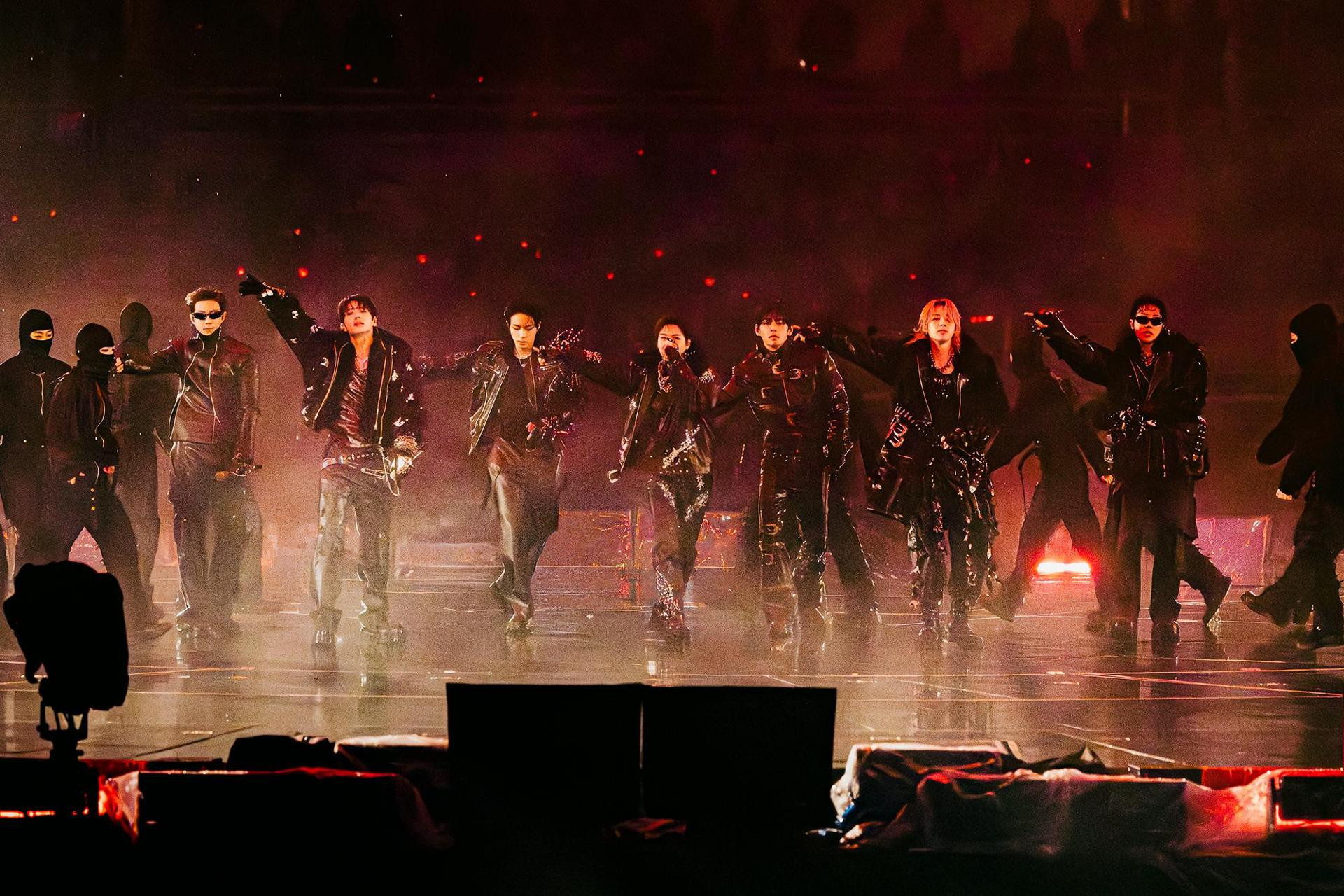
The success of the Korean Wave stems not only from famous artists and acclaimed works but also from the development of a professional creative workforce, stronger production capabilities and a comprehensive support system for content industries. File photo
The supply of specialists in emerging fields such as digital content production, animation, cinematic visual effects, game design, intellectual property management and international distribution of cultural products has yet to meet demand.
The gap between Vietnam's development aspirations and the capabilities of its workforce is becoming a bottleneck that deserves serious attention.
One approach that warrants particular consideration is proactively creating opportunities for Vietnamese cultural professionals to study, gain experience and build connections overseas.
South Korea's experience demonstrates that the success of the Korean Wave cannot be attributed solely to a handful of famous artists or internationally acclaimed works. It is also the result of sustained efforts to build a professional creative workforce, strengthen production capabilities and establish a support system for the content industries.
South Korea has invested not only in training artists but also in developing professionals in production, technology, marketing and content exports.
Vietnam should consider establishing a national program for training and professional development in the cultural and creative industries.
Such a program needs a long-term vision, clearly defined priority sectors, an assessment of workforce requirements, designated core training institutions and mechanisms for mobilizing resources.
It should offer scholarships, international training partnerships and internship opportunities at leading film studios, technology companies, arts organizations and creative hubs around the world.
Vietnam must identify the sectors in which it has development potential and formulate corresponding training strategies.
Particular attention should be paid to professional roles that have long received insufficient recognition, including producers, screenwriters, art directors, creative technology specialists, copyright managers, marketing professionals and international distributors.
These are the critical links that determine whether individual talent can be transformed into the collective strength of an industry.
Importantly, training must respond to the actual needs of the industry, involve businesses and provide mechanisms connecting trained professionals with domestic creative projects and institutions.
Equal importance should be attached to nurturing young talent, reskilling existing professionals and attracting highly qualified Vietnamese and international experts to contribute to the development of creative industries.
Learning from the world's best practices should enable us to create values rooted in our own national identity, rather than simply replicate the products or models of others.
Recognizing cultural professionals as drivers of the creative economy
Covers content
Not interested
Inappropriate
Seen too often
ADBRO is the full service ad network for high impact contextual advertising with direct access to the exclusive in-image inventories across major local publishers.
We provide free creative adaptation into rich media, interactive and playable ads formats. Campaigns in our channel are delivered under guaranteed prices for actions with programmatic & managed delivery. We provide contextually segmented in-target audiences for over 60 industries with a full range of brand safety solutions.
ADBRO operates across SE Asia, including Singapore, Vietnam, Indonesia, Thailand, Philippines and Malaysia.
To test our channel for your advertising campaigns or consider partnership programs for publishers, please contact us at www.adbro.me
A country seeking a distinctive voice in the global cultural landscape needs artists with cultural depth. File photo
First and foremost, Vietnam needs meaningful reform and investment in cultural and arts education institutions.
Education in culture and the arts must remain closely connected to professional practice without sacrificing its humanistic foundations, aesthetic thinking or cultural depth.
Professional skills may enable someone to create a product, but it is cultural depth that gives that product its distinctive identity and enduring vitality.
Alongside education and training, identifying talent, recognizing its value and creating an environment in which it can flourish must be placed at the heart of development efforts.
In the cultural sector, talent does not always emerge through conventional academic qualifications or traditional career paths.
Young digital content creators, independent designers, small filmmaking teams and experimental artists may possess original ideas and remarkable abilities to engage audiences.
Mechanisms are needed to identify, support and provide opportunities for these individuals. Administrative barriers, professional prejudices and rigid evaluation criteria must not be allowed to squander their potential.
Cultural professionals must also be recognized as active participants in the creative economy.
Vietnam needs to strengthen intellectual property protection, address copyright infringement in the digital environment, facilitate access to capital, support creative entrepreneurship and establish transparent markets.
Protecting creators is not simply about safeguarding individual rights. It is about protecting the creative incentives that sustain an entire industry.
The State should invest in education, research, cultural preservation and the promotion of cultural values, while expanding opportunities for experimentation, encouraging public-private partnerships and enabling businesses to become important players in cultural industries.
Mechanisms for commissioning, selecting and funding creative projects must be transparent, prioritizing quality, creative effectiveness and the potential for wider social impact.
More importantly, Vietnam needs to foster an environment where talented individuals are given opportunities, those who dare to innovate are protected, and those who create value receive the rewards they deserve.
A strong cultural industry does not mean that every cultural value must be measured in revenue.
Economic activity can drive cultural development, but culture itself must also remain a foundation and an objective of development. Cultural professionals are the people who bring these two dimensions together.
Building Vietnam’s cultural influence through human talent
A country seeking a distinctive voice in the global cultural landscape needs people capable of telling its national stories in the language of our times.
These include artists with cultural depth, producers who understand international markets, technology specialists who know how to serve creativity, and entrepreneurs capable of transforming cultural values into resources for development.
We cannot wait until market demand emerges before beginning to train people. Nor can we wait until successful cultural products appear before thinking about building the professional teams behind them.
We must invest in people today through a long-term strategy, an open institutional framework and investment commensurate with our ambitions.
Ultimately, buildings can shape the physical landscape, technology can expand the possibilities for creativity, and investment can increase production capacity. But it is people who determine the depth and vitality of cultural industries.
A country cannot produce cultural works of international stature without first developing a creative workforce of international caliber.
What makes Vietnamese culture compelling is not how many buildings or advanced pieces of equipment we possess, but how many talented, imaginative and dedicated people are bringing Vietnamese values to life, making them globally competitive and enabling them to touch the hearts of audiences around the world.
 Vietnamnet.vn

 Podcast