 Vietnamnet.vn

 Podcast



Editor's note: As Vietnam moves to implement the Politburo's Resolution No. 80-NQ/TW, Hanoi is seeking to transform its vast cultural heritage into a powerful resource for the creative economy. This series explores the changing face of the capital's cultural industries, from artistic experiences enhanced by modern technology to expert perspectives on policies, institutional mechanisms and the creative workforce needed to sustain growth.
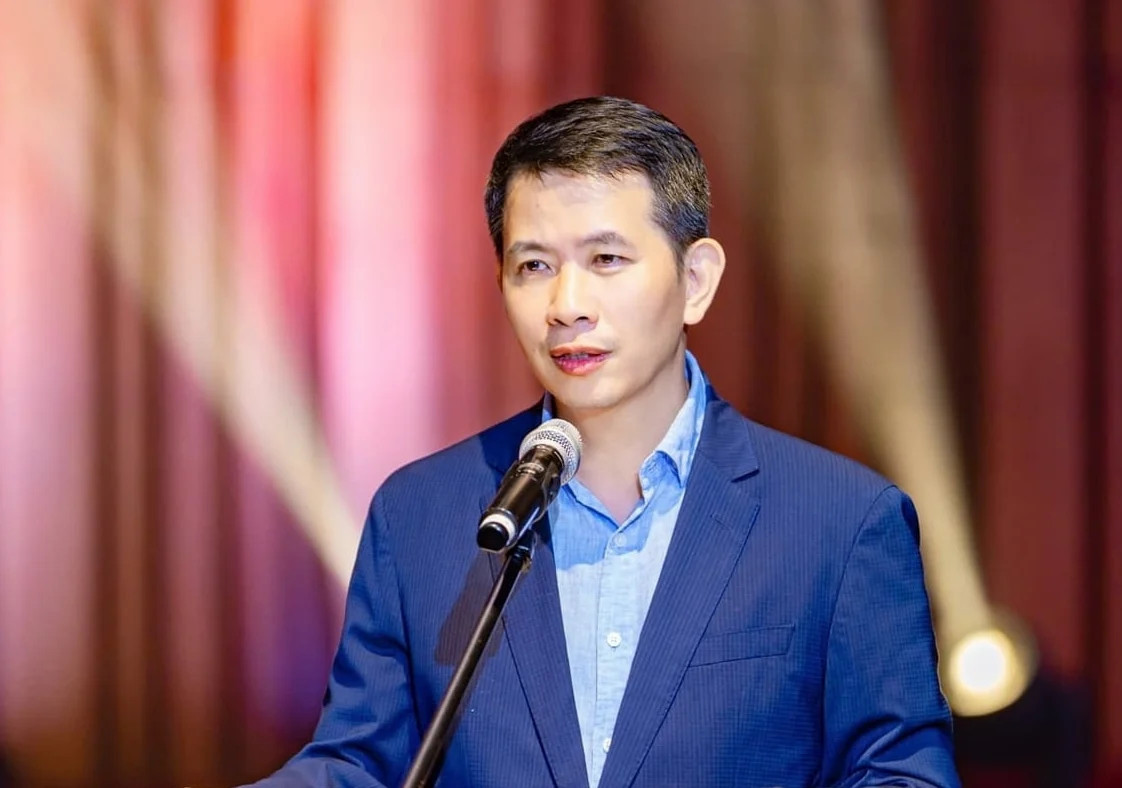
At a conference outlining priorities for the culture and sports sector in 2026, Pham Tuan Long, Director of the Hanoi Department of Culture, Sports and Tourism, said the sector would focus on innovation, digital technology, cultural industries, the sports economy and tourism in line with the objectives of Resolution No. 80-NQ/TW.
The development of cultural industries, he stressed, must go hand in hand with institutional reform, market development and stronger governance capacity.
Accordingly, Hanoi's cultural authorities will review and refine existing regulations while advising the municipal People's Committee on new policies within its jurisdiction. The aim is to translate national cultural and sports development objectives into practical measures consistent with central government strategies and the capital's long-term planning.
Against this backdrop, Decision No. 5287 issued by the Hanoi People's Committee, approving the outline of a project to establish statistical indicators for the city's cultural industries, is seen as an important policy instrument.
The proposed indicators will help measure the industries' contribution to Hanoi's gross regional domestic product (GRDP), providing a clearer evidence base for policymaking, investment attraction and sector management. They are also expected to support a more systematic approach to development, grounded in reliable data and measurable criteria.
Positioning Hanoi as Vietnam's cultural industry leader
According to Associate Professor Dr. Bui Hoai Son, Deputy Head of the Party Central Committee's Commission for Information, Education and Mass Mobilization, Hanoi has undergone a remarkable creative transformation since joining UNESCO's Creative Cities Network in 2019.
Festivals and creative events have become increasingly prominent across the capital. By 2025, virtually any street corner in Hanoi could become a space for artistic expression and innovation.
From changes in policy to the growing diversity of cultural activities, Son believes Hanoi has established itself as a national frontrunner and a guiding force in the development of cultural industries.
From a policy perspective, however, he cautioned against attempting to develop every cultural industry at the same pace.
Instead, each locality should identify priority sectors based on its distinctive strengths and develop a workforce capable of meeting the demands of those industries.
That workforce, he argued, must understand cultural industries as market-driven economic activities. Creative professionals need to know what audiences enjoy, what consumers expect and how to develop products that meet those expectations without sacrificing their distinctive cultural identity.
Brand building and professional communications are equally essential.
Only with strong brands can Hanoi's creative products reach broader markets and win over audiences both at home and abroad.
For cultural industries to become a key economic sector of Hanoi during the 2025-2030 period, Son believes the city must make a fundamental shift from "cultural management" to "cultural governance", and from a subsidy-oriented approach to a creative market mindset.
Culture, people and technology should form the foundation of that development strategy.
With Vietnam identifying cultural industries as a pillar of green and sustainable growth, Hanoi should take the lead in building a comprehensive cultural industry ecosystem.
Such an ecosystem would bring together creative centers, cultural industry clusters and interconnected value chains linking heritage, art, technology, tourism and commerce.
The implementation of Plan No. 270/KH-UBND on the development of a cultural industry center should be regarded as the first major breakthrough toward establishing a new engine of growth.
Under this approach, cultural products would not only serve public enjoyment but also generate economic value, export opportunities and stronger international recognition for Hanoi.
Son suggested that the city could pilot "creative cultural free zones", where businesses, artists and designers would have access to resources, dedicated spaces, preferential tax policies and mechanisms allowing them to test new cultural products.
Public-private partnerships (PPPs) should also be applied flexibly across cinema, theater, fine arts, museums, festivals and cultural tourism.
Such partnerships could mobilize private investment, technological expertise and creative talent alongside public resources.
Hanoi should introduce targeted support policies for creative enterprises, establish venture capital funding for cultural startups and develop indicators to measure the contribution of cultural industries to economic output.
These measures would help demonstrate the sector's tangible economic value and provide a stronger foundation for future investment decisions.
Another priority is human capital.
Son argued that Hanoi should become Vietnam's leading training center for cultural industry professionals, bringing together arts institutions, technology universities and creative businesses in what he described as a "creative knowledge alliance".
Scholarships, international exchange programs and talent development initiatives should be introduced to nurture young professionals in music, design, gaming, cinema, communications and digital heritage preservation.
Particular attention should be given to developing a new generation of "digital cultural engineers", professionals capable of transforming heritage, artistic works and creative ideas into products for the digital economy.
This interdisciplinary workforce, combining cultural understanding with technological expertise and commercial awareness, should become a central pillar of Hanoi's cultural industry development.
The city's physical spaces also need to evolve.
Creative areas around Hoan Kiem Lake, Hanoi's Old Quarter and West Lake, together with heritage routes connecting Thang Long and Co Loa or the Temple of Literature and the Imperial Academy, could be reorganized into "creative corridors" linking historical heritage with contemporary innovation.
Beyond the urban center, communities in Son Tay, Duong Lam, Dong Anh and Gia Lam could develop rural cultural industry clusters.
These clusters would preserve and digitize traditional crafts, local cuisine and folk arts while connecting them with green tourism.
Such an approach would allow Hanoi to expand its creative economy beyond the city center while building a distinctive cultural map rooted in Vietnamese identity.
For Son, the development of cultural industries must ultimately be connected to creative citizenship and urban culture.
Every resident, organization and neighborhood has the potential to become a "creative cultural cell", contributing to the city's wider cultural ecosystem.
When culture becomes an integral part of everyday life, shaping not only consumption but also production, creativity and ways of thinking, Hanoi can move closer to its ambition of becoming a truly creative and livable city and a national leader in cultural industries.
Tinh Le
.svg)
