 Vietnamnet.vn

 Podcast



Following the 14th National Party Congress, Foreign Minister Le Hoai Trung spoke in an exclusive interview about Vietnam’s foreign policy in 2025 - a year of global volatility when diplomacy, alongside defense and security, was officially declared a “strategic and constant priority” for the first time.
Reflecting on the past year, Minister Trung acknowledged that 2025 had been the most turbulent in recent memory, echoing the Party’s assessment that “the world is undergoing epochal changes.”
“Against that backdrop, what stood out in Vietnam’s foreign policy was our ability to seize opportunities, defuse risks, and help shape a new diplomatic landscape for the country’s entry into a new era,” he said.
A record-setting year in diplomacy
In 2025, Vietnam’s foreign affairs sector delivered on its highest strategic responsibilities, upholding the directive of General Secretary To Lam: “Maintain peace and stability, accelerate sustainable socio-economic development, and improve people’s livelihoods - all for the people.”
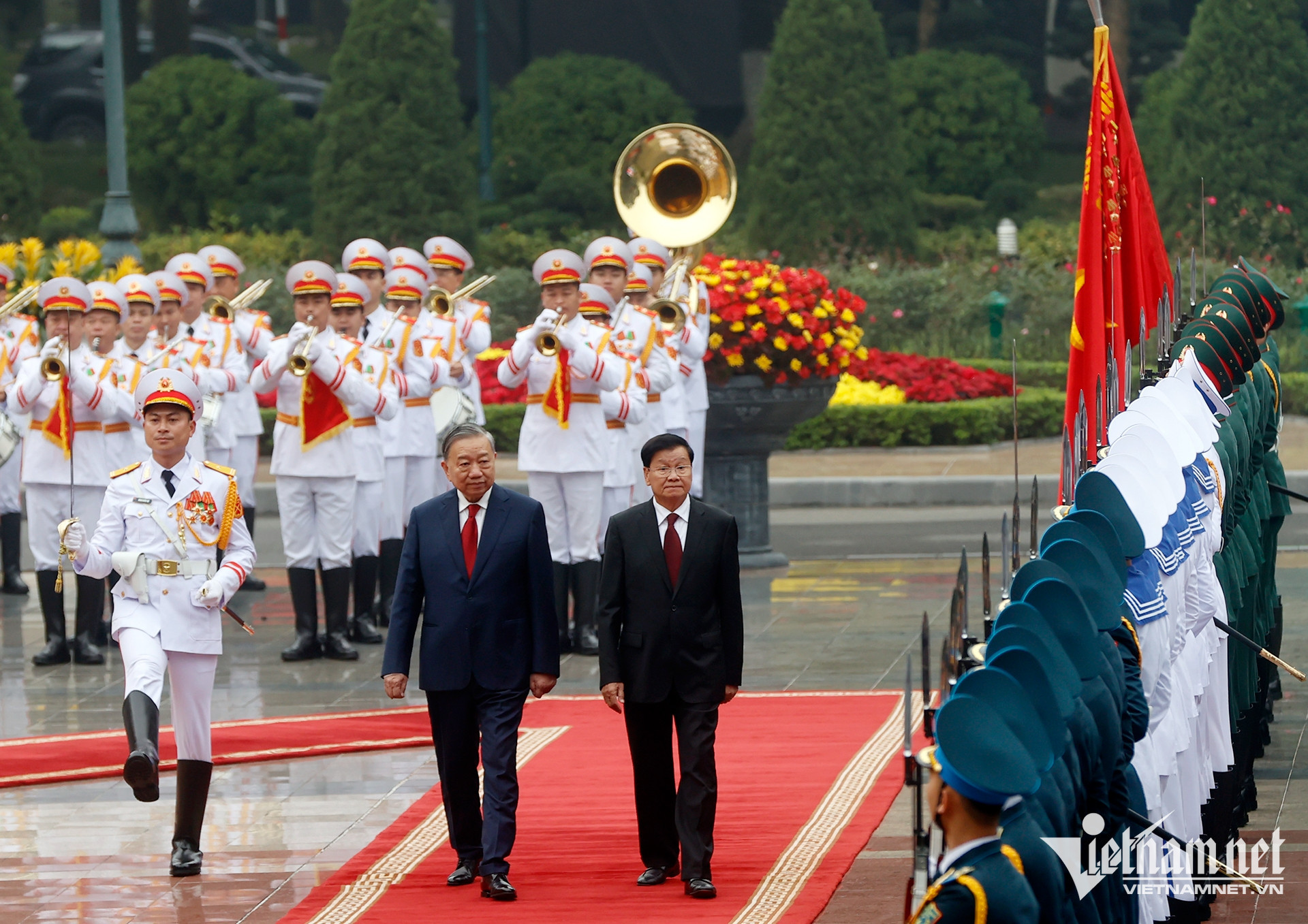
Vietnam's top leadership was highly active on the diplomatic stage. The country elevated its relationships with 17 partners, bringing the total number of countries with Comprehensive Partnerships or higher to 42.
This expansion was not only broad but also deeply substantive. Nearly 350 cooperation agreements were signed - 2.5 times more than in 2024 - marking a new record. Vietnam also enhanced ties with political parties and further diversified forms of people-to-people diplomacy.
While multilateral institutions faced global headwinds, Vietnam continued to demonstrate strong commitment to multilateralism. “Vietnam has consistently voiced support for multilateral cooperation and actively contributed to setting strategic directions, regulations, and norms within multilateral frameworks,” said Minister Trung.
Vietnam’s contributions were especially noted in peacekeeping, humanitarian aid, energy and food security. The country secured leadership roles in the UN Human Rights Council and six of UNESCO’s seven governing bodies.
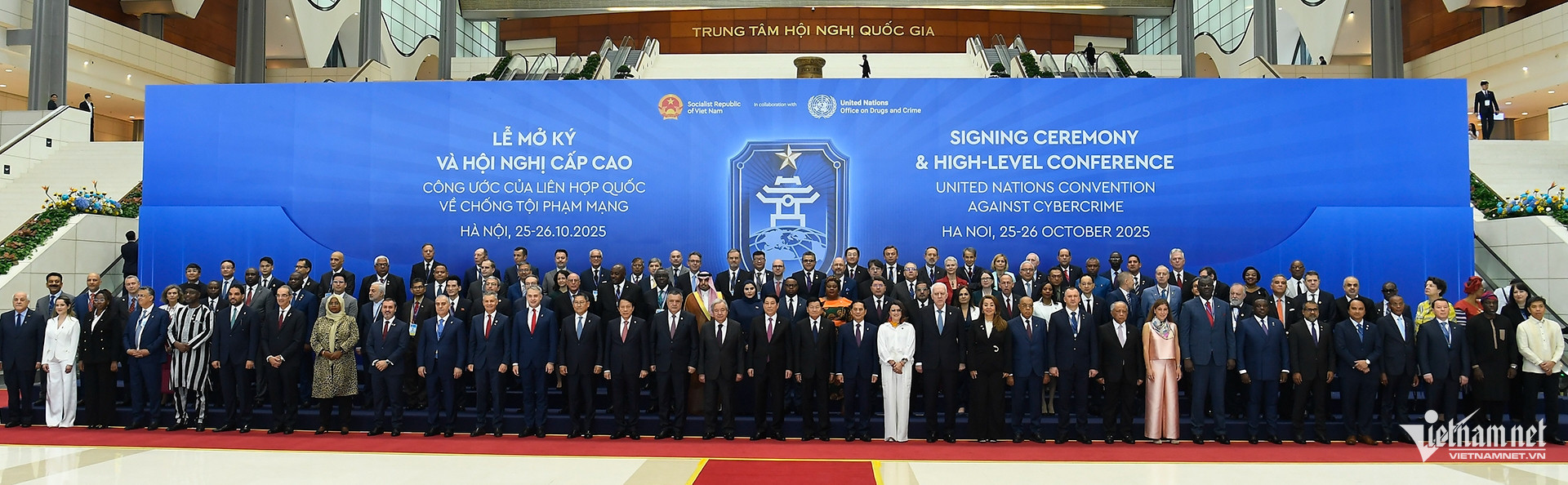
Major international events hosted in Vietnam further strengthened its global standing, including the ASEAN Future Forum, the P4G Summit, and the Signing Ceremony of the Hanoi Convention on Cybercrime, which drew the UN Secretary-General and other top leaders to Hanoi.
Driving growth through economic and tech diplomacy
Vietnam’s economic diplomacy played a vital role in supporting the country’s 8% growth target. It accurately tracked global economic trends and emerging sectors to inform government strategy.
Tied closely to high-level diplomatic engagements, economic diplomacy achieved record-setting results in agreements, market expansion, investment promotion, and regional-global supply chain integration.
Science and technology diplomacy also emerged as a key pillar - focused on innovation, digital transformation, and green transition - advancing Vietnam’s 11 strategic technology sectors.
Cultural diplomacy and overseas Vietnamese engagement
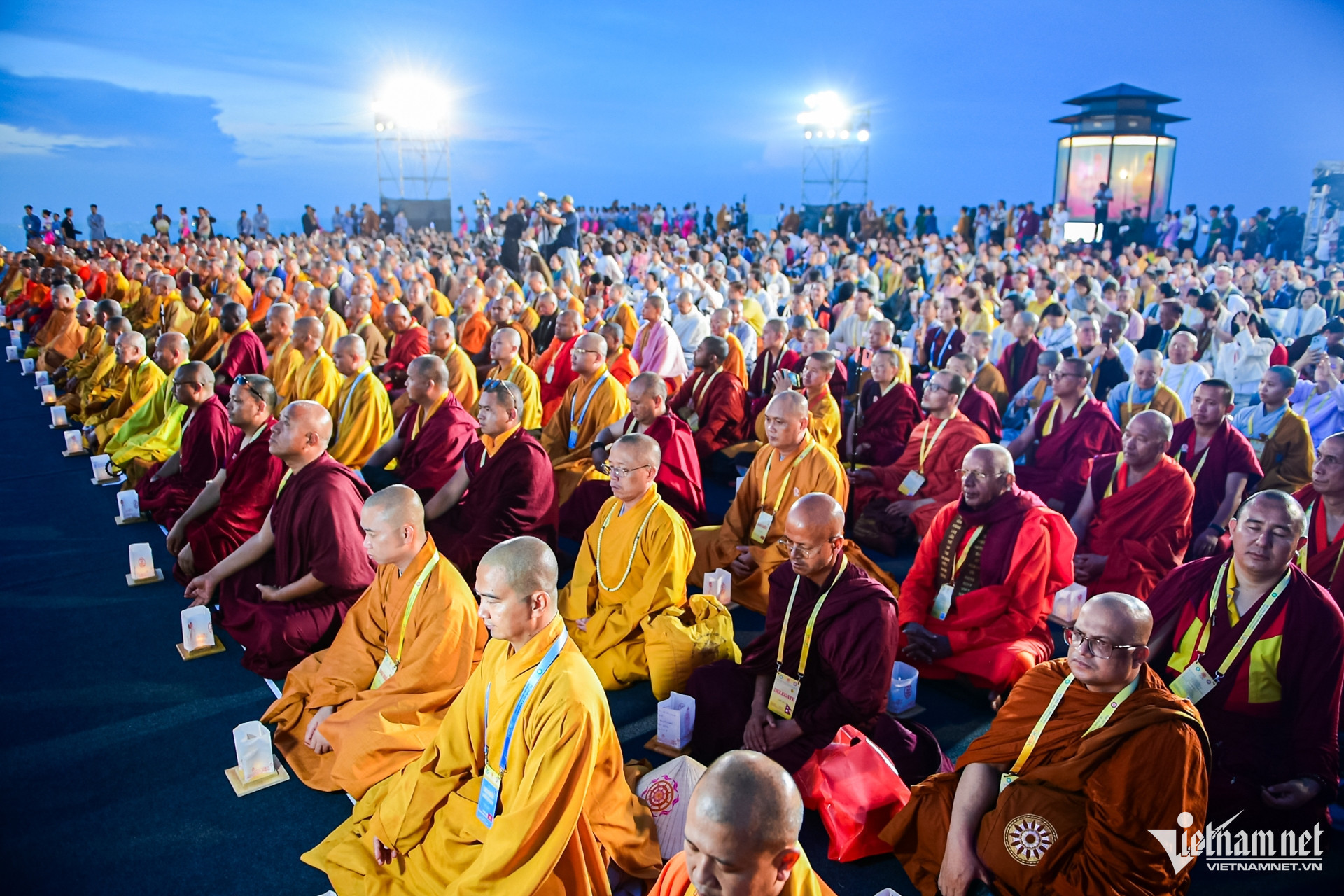
Vietnam also amplified its soft power through strategic cultural diplomacy, notably hosting the 2025 Vesak Day celebrations and successfully securing seven new UNESCO recognitions. This brought Vietnam’s total number of UNESCO titles to 77.
External communication efforts helped shape global perceptions of Vietnam, defending national interests in a complex information landscape. Citizen protection efforts swiftly responded to global crises, repatriating thousands of Vietnamese nationals from high-risk areas.

Policies supporting overseas Vietnamese helped ignite pride and patriotism. This was reflected in record-high remittance flows sent home in 2025.
People-to-people diplomacy continued to serve as a crucial bridge - forming the foundation for Vietnam’s broader external relationships.
Foreign affairs as a constant national priority
Minister Trung emphasized the importance of the Party’s 14th Congress decision to classify diplomacy, alongside defense and security, as “strategic and constant.” He called it both an honor and a major responsibility for the diplomatic corps - and a significant evolution in the Party’s strategic thinking.
Since Vietnam’s earliest days of independence, President Ho Chi Minh affirmed the vital role of diplomacy: “After defense, foreign affairs are essential for an independent nation.”
Now, by declaring diplomacy and international integration as “strategic and constant,” the Party is reaffirming the enduring relevance of Ho Chi Minh’s diplomatic philosophy.
Minister Trung explained that the phrase “strategic and constant” implies foreign affairs are of the highest national importance - tied to the country’s survival and prosperity, embedded in its long history of nation-building and defense, and vital to achieving its twin strategic goals of development and protection.
With that in mind, he stressed that foreign affairs must not be seen as the sole responsibility of the diplomatic corps or the Ministry of Foreign Affairs - but a shared mission of the entire Party, people, and armed forces.
The foreign ministry will coordinate closely with defense, security, central agencies, and local authorities nationwide to safeguard peace, sovereignty, unity, and territorial integrity - working proactively to prevent threats before they arise.
Vietnam will also continue mobilizing external resources and favorable international conditions - especially by strengthening economic and technology diplomacy - to accelerate national development and target double-digit growth.
Positioning Vietnam globally
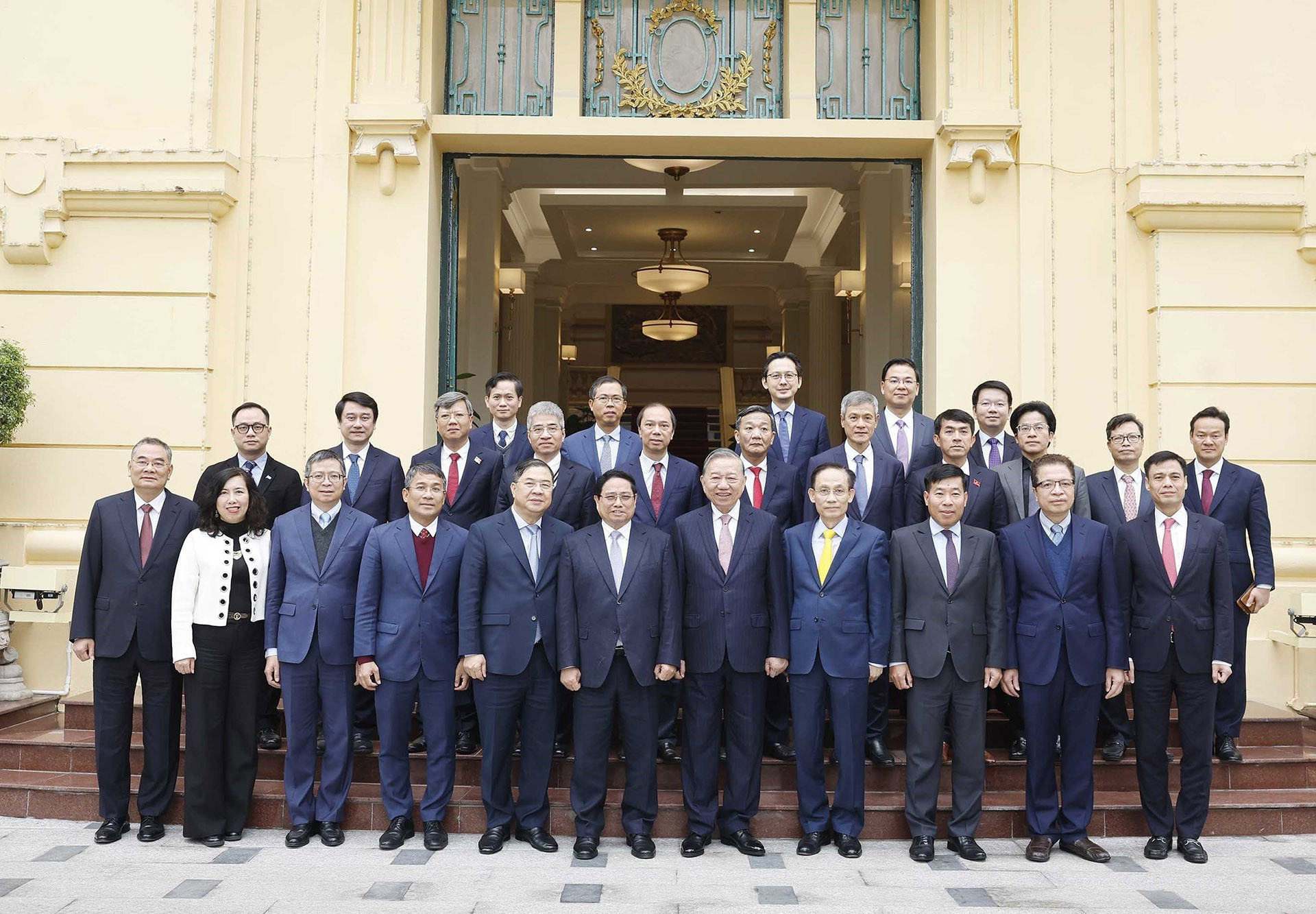
Minister Trung said Vietnam must further elevate the Party’s and nation’s international reputation and influence in global politics, economics, and civilization - moving toward the vision of “standing shoulder to shoulder with world powers,” as envisioned by President Ho Chi Minh.
Resolution 59 from the Politburo on international integration provides the foundation to amplify the pioneering, strategic, and constant role of foreign policy.
Minister Trung outlined a major strategic shift: Vietnam’s integration mindset must now move from “receiving to contributing,” from “deep to full integration,” and from being “a latecomer adapting to global systems” to “a pioneer leading in new areas.”
He called for full coordination across all pillars of Vietnam’s foreign affairs: Party diplomacy, state diplomacy, and people-to-people diplomacy. He also emphasized the importance of synchronized, coordinated action throughout the political system, from central to local levels, and greater involvement of political organizations and overseas Vietnamese communities.
Finally, Minister Trung said the foreign service must adopt a results-driven mindset - one of practical implementation - where “words must be matched by action, and actions must be seen through to the end,” following the guidance of General Secretary To Lam. This means that every international commitment and agreement must be backed by corresponding reforms in domestic policy and institutions.
Tran Thuong
.svg)
