 Vietnamnet.vn

 Podcast


Vietnam's decision to lower average retail electricity prices by 2% and reduce the special consumption tax on gasoline to zero is expected to provide immediate relief to households and businesses while helping contain inflationary pressures.
The measures come as global energy, raw material and transportation costs continue to weigh on production, business operations and domestic consumer prices.
Beyond lowering operating expenses, the policies could also give the government greater flexibility in managing the economy and create more favorable conditions for businesses to improve their competitiveness.
Nguyen Bich Lam, former director general of Vietnam's General Statistics Office, now the Statistics Office under the Ministry of Finance, said the measures were timely and necessary, particularly as businesses continue to face high production costs and uncertain market conditions.
According to Lam, the government's coordinated approach targets essential inputs with far-reaching effects across the economy.
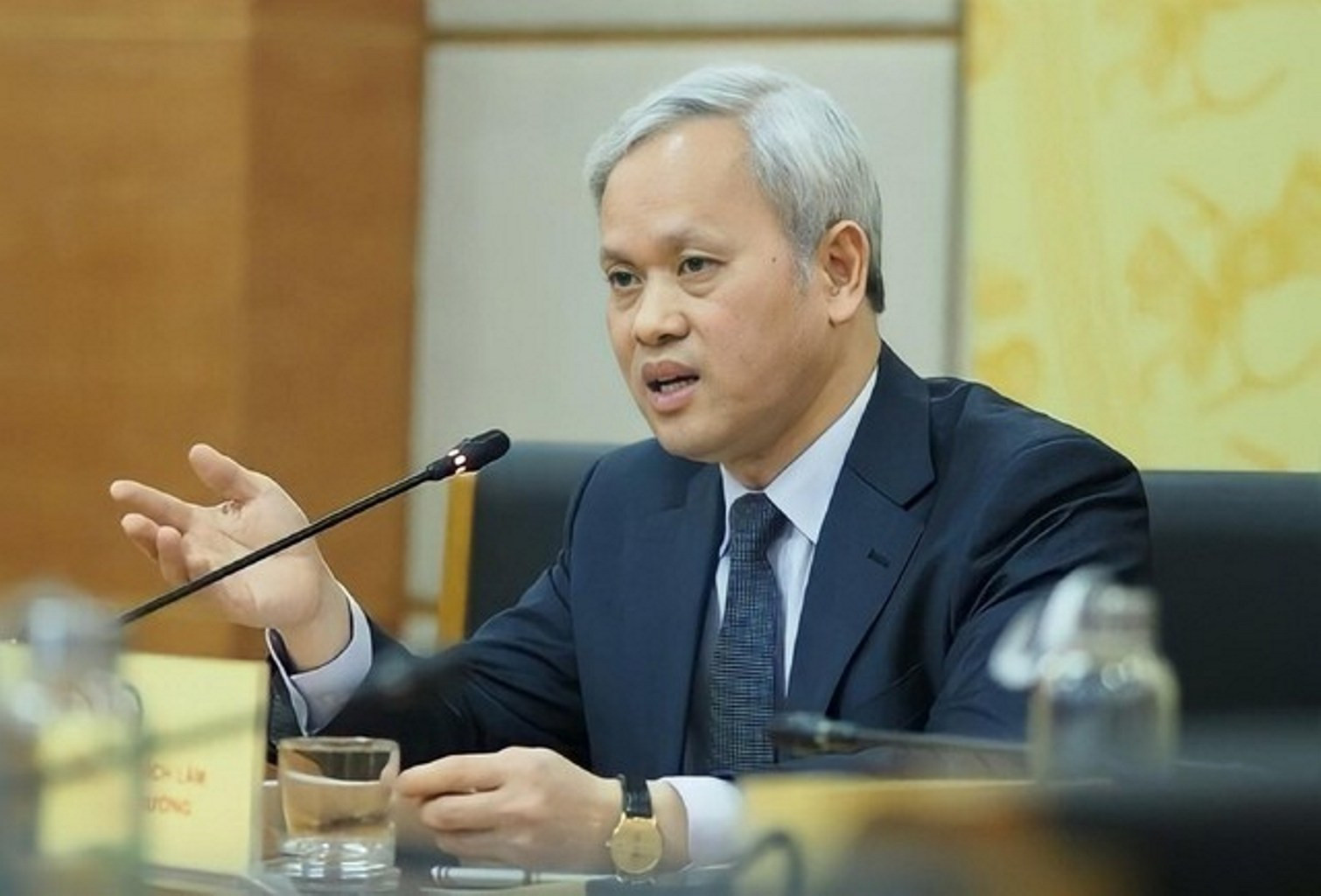
By adjusting electricity and fuel prices and using tax measures, the government can cushion the domestic economy against external price shocks that might otherwise push up production costs, consumer prices and inflation.
The measures also provide direct financial relief to households and businesses, as electricity and fuel account for a significant share of everyday spending and are essential inputs for most economic activities.
Electricity and fuel price cuts could lower inflation
The impact of lower energy prices extends well beyond household electricity bills and spending at gasoline stations.
According to the Statistics Office, household electricity and petroleum products together account for 9.34% of the basket of goods and services used to calculate Vietnam's Consumer Price Index (CPI).
During the first 10 months of 2026, the CPI rose 4.57% year on year. Household electricity prices increased 3.97%, while the fuel price index climbed 13.09%.
These figures highlight the importance of energy price management in controlling inflation, Lam said.
He noted that the timing of the reductions was particularly significant because inflationary pressures remained substantial and many businesses still needed support to maintain operations, recover and expand production.
The average 2% reduction in retail electricity prices, effective November 1, 2026, could bring meaningful savings to energy-intensive industries.
Steel, cement, chemicals, construction materials, textiles and manufacturing are among the sectors expected to benefit most.
Although a 2% reduction may appear modest for an individual company, the cumulative savings can be considerable for large manufacturers operating continuously.
Lower gasoline prices, meanwhile, are expected to have the strongest direct impact on transportation and logistics companies, where fuel represents a major operating expense.
Reduced transportation costs could subsequently benefit trade, distribution, agriculture, fisheries, food processing and import-export businesses.
For companies facing weak demand or uncertain orders, lower energy expenses could also improve cash flow, reduce working capital pressures and strengthen their ability to meet financial obligations.
The resulting savings may allow businesses to maintain production, pay employees, upgrade equipment and explore new markets.
Lower input costs could also help companies improve profit margins or adjust selling prices to retain customers, particularly in export markets where price, quality and delivery times are critical competitive factors.
However, Lam cautioned that the benefits would not be distributed equally.
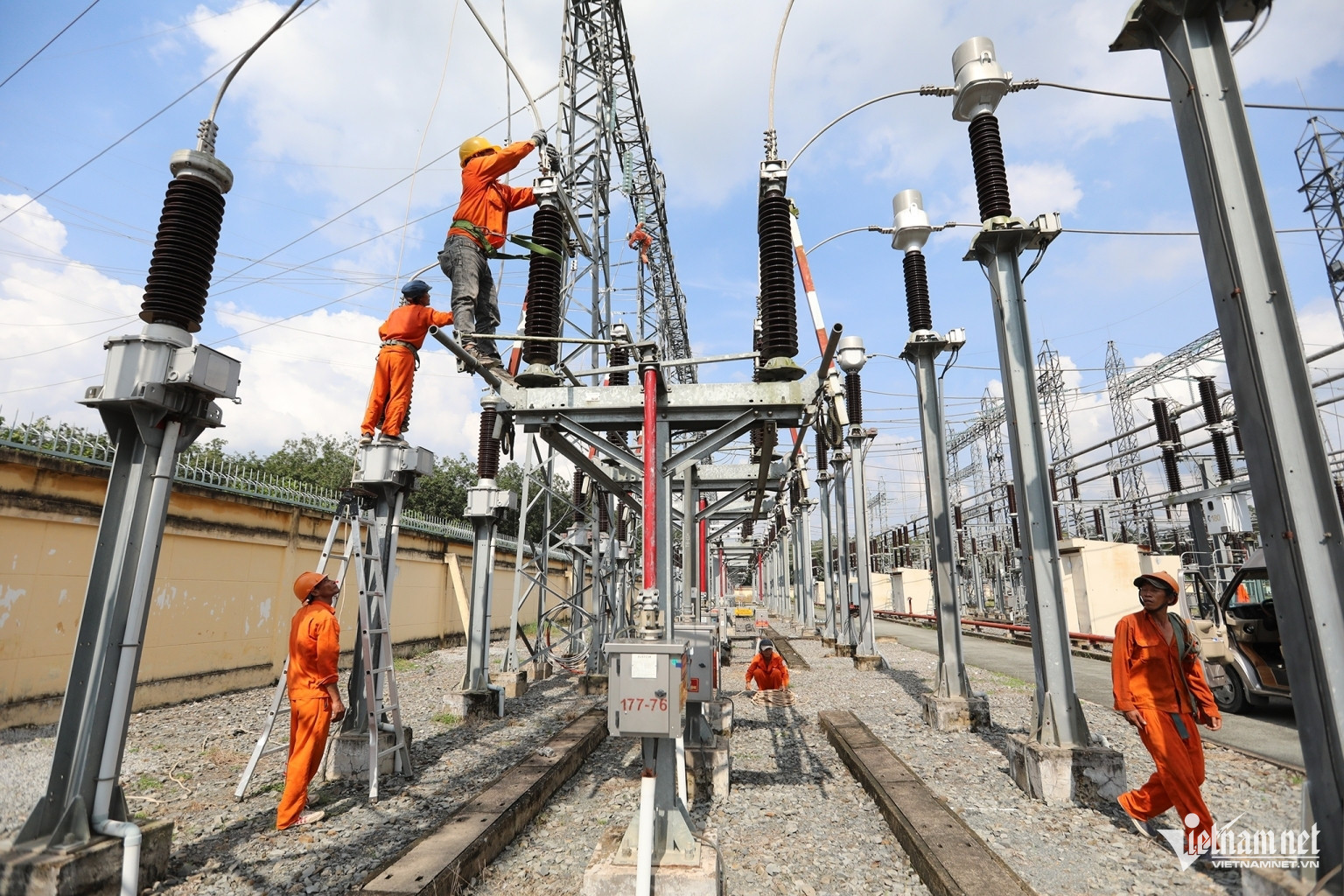
Businesses with a higher proportion of electricity and fuel expenses would gain more directly, while the actual impact would depend on production technology, energy efficiency, business scale, purchasing contracts and the ability to pass savings on to customers.
Inflation could fall by 0.5 percentage points in November
The combined effects of lower electricity prices and the elimination of the special consumption tax on gasoline could have a measurable impact on Vietnam's inflation figures.
According to estimates cited by Lam, the two measures could reduce the November 2026 CPI by approximately 0.5 percentage points compared with the previous month.
They could also lower average inflation for the whole of 2026 by around 0.08 percentage points.
The gasoline tax reduction is scheduled to remain in effect until March 31, 2027.
Lam emphasized that the benefits would extend beyond the immediate decline in consumer prices.
Lower electricity and fuel costs could also limit the secondary effects of inflation by reducing pressure on transportation charges and the prices of goods and services.
This could help stabilize inflation expectations and discourage businesses from raising selling prices in anticipation of higher input costs.
Reduced cost-push inflation would also provide more favorable conditions for coordinating monetary and fiscal policies.
With less pressure from production costs, the State Bank of Vietnam would have greater flexibility in managing interest rates, credit and exchange rates while balancing inflation control with economic growth.
Lam warned against relying solely on monetary tightening to address inflation driven by rising input costs.
Such an approach could increase borrowing expenses, place additional strain on businesses and undermine production and commercial activities.
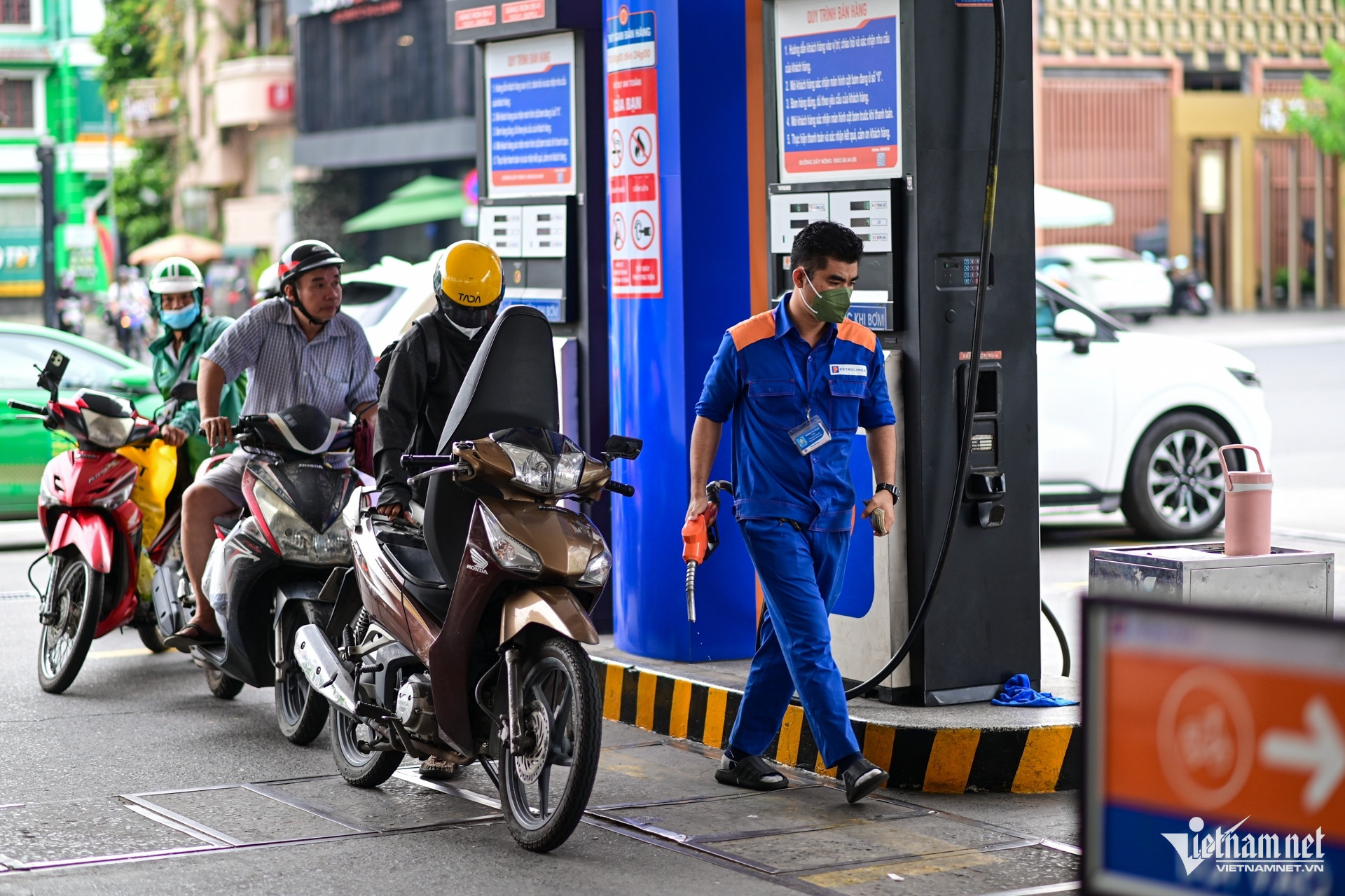
Tax reductions may reduce government revenue in the short term, but well-timed, appropriately targeted and temporary measures could help sustain business operations, employment and government revenue over the medium term.
At the same time, Lam stressed the importance of prioritizing public spending on development investment, particularly transportation infrastructure, energy infrastructure and projects that strengthen the economy's productive capacity.
Policy coordination must nevertheless maintain fiscal discipline, control credit growth and ensure exchange rate stability.
Short-term support measures should not create macroeconomic imbalances over the medium or long term, he said.
The objective, according to Lam, should not simply be to push inflation as low as possible, but to maintain it at an appropriate level while preserving macroeconomic stability, supporting strong economic growth and improving the quality of that growth.
Lower costs alone cannot secure Vietnam's long-term competitiveness
For Vietnamese exporters, cheaper electricity and fuel could provide welcome relief by reducing production, transportation and delivery expenses.
Industries such as textiles, footwear, seafood, wood products, steel and other processing and manufacturing sectors could benefit significantly, particularly those that consume large amounts of energy or depend heavily on logistics.
More affordable energy and transportation could also improve Vietnam's investment environment.
Foreign investors consider more than labor costs and tax incentives when choosing production locations. They also assess overall operating expenses, infrastructure quality, electricity supply reliability, policy stability and logistics efficiency.
Reducing input costs while improving infrastructure and the business environment could therefore make Vietnam more attractive to international investors.
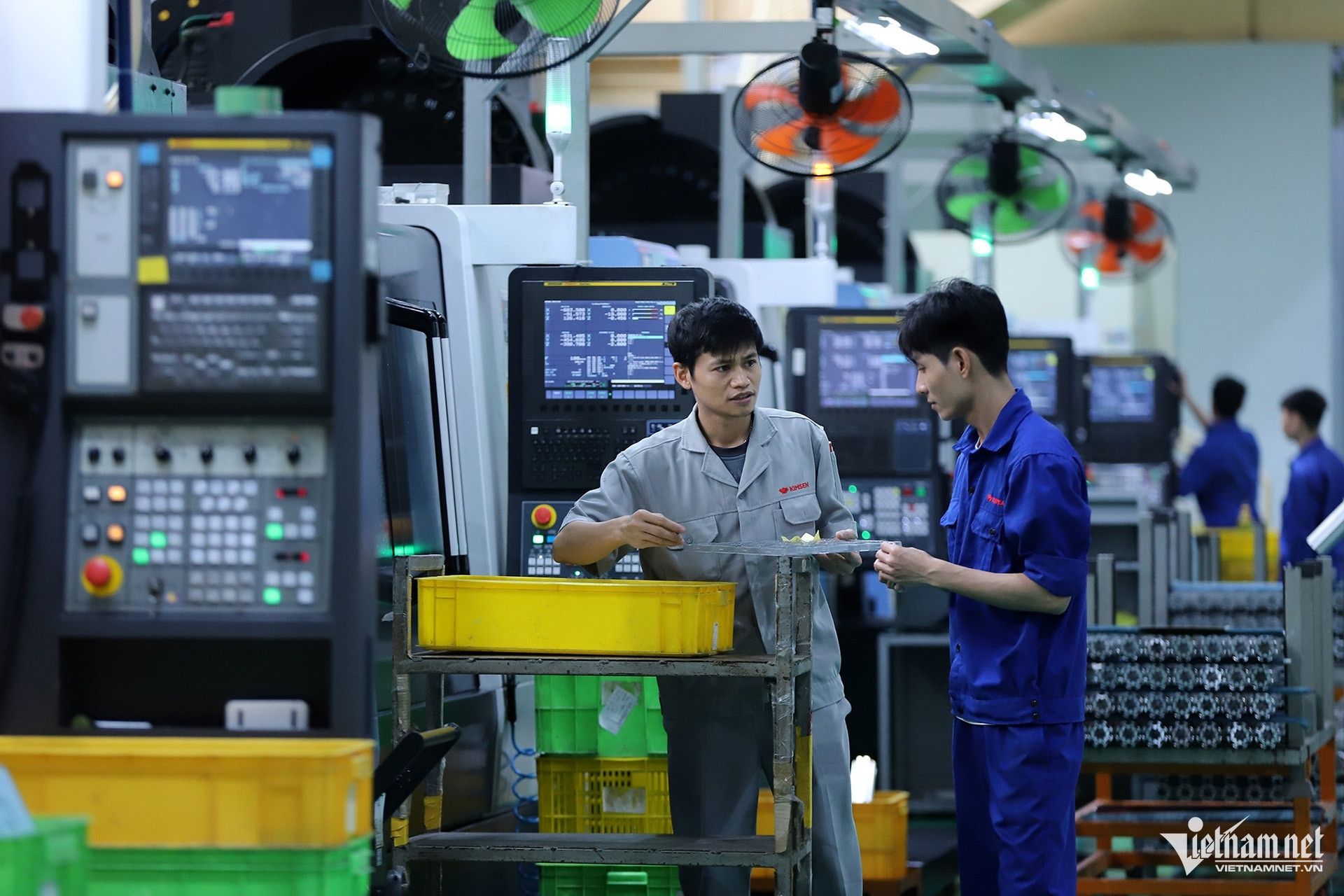
However, Lam warned that cheaper energy should not be mistaken for a sustainable competitive advantage.
Price reductions mainly provide short-term support. Long-term competitiveness must instead be built on higher labor productivity, technological capabilities, workforce quality, management efficiency, innovation and stronger participation by domestic companies in global value chains.
Despite Vietnam's rapidly expanding import-export turnover, the economy remains heavily dependent on imported raw materials, components and technologies.
Foreign-invested enterprises continue to play a dominant role in exports, while many domestic companies have limited capacity to participate deeply in international supply chains.
Addressing these structural weaknesses will require stronger supporting industries, higher localization rates and closer cooperation between foreign-invested and domestic enterprises.
Lam also called for greater support to help Vietnamese companies acquire, develop and master new technologies.
Such improvements would enable domestic businesses to capture more value from manufacturing and participate more effectively in global production networks.
Ultimately, Vietnam should aim to become more than a destination offering relatively low production costs.
The country's longer-term ambition should be to build an economy with stronger manufacturing capabilities, higher productivity, more reliable supply chains and greater value-added production.
That, Lam argued, would provide a more durable foundation for Vietnamese products to compete internationally and for Vietnam to remain an attractive investment destination.
Nguyen Le

