 Vietnamnet.vn

 Podcast



There are vehicles built simply to transport people, others designed to conquer the toughest terrain, and a select few that transcend their mechanical purpose to become cultural icons. The classic Toyota Land Cruiser belongs firmly in the latter category.
In Vietnam, vintage Toyota Land Cruisers have earned a loyal following among collectors. Their appeal extends beyond older enthusiasts to a younger generation captivated by traditional engineering and timeless design. Yet preserving and enjoying these vehicles is becoming increasingly challenging.
Born from America’s legendary Jeep
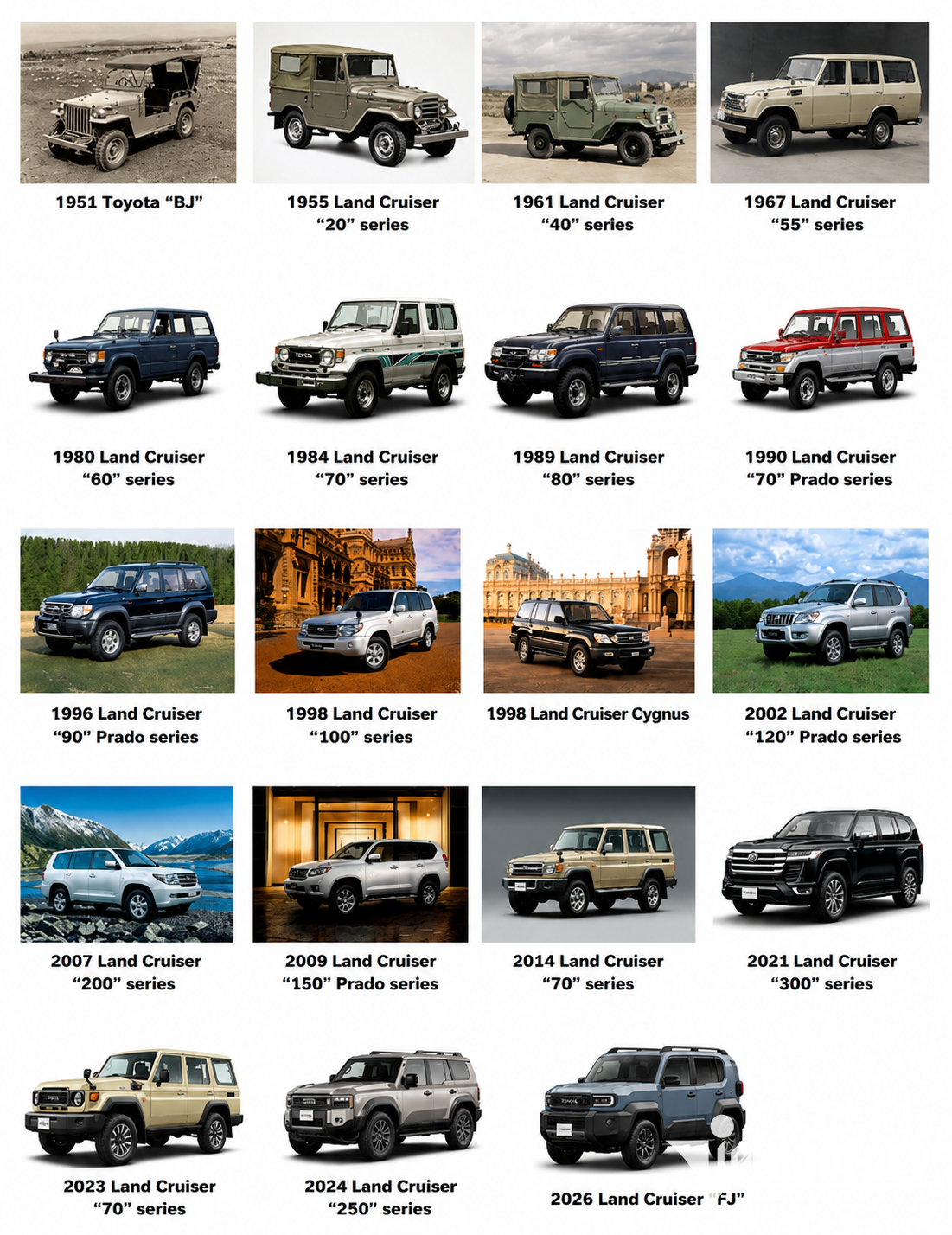
All generations of the Land Cruiser spanning more than 70 years. Photo: Toyota
Few people realize that the origins of the Land Cruiser can be traced back to the famous Willys Jeep used by the United States military.
Following World War II and during the outbreak of the Korean War, demand grew for light military vehicles capable of handling difficult terrain. Toyota was tasked with developing a four-wheel-drive vehicle similar to the American Jeep for Japan’s security and defense forces.
As a result, the Toyota Jeep BJ prototype was introduced in 1951. It featured a boxy design, rugged chassis and engineering philosophy clearly influenced by the Willys Jeep.
The Japanese manufacturer, however, had no intention of producing a simple copy. The BJ was equipped with a larger six-cylinder engine, a stronger chassis and greater load-carrying capability than many contemporary off-road vehicles.
In 1954, because the name "Jeep" was trademarked by Willys-Overland, Toyota officially renamed the vehicle the Land Cruiser. The name would eventually become one of the most respected off-road brands in automotive history.
A legend on Vietnamese soil
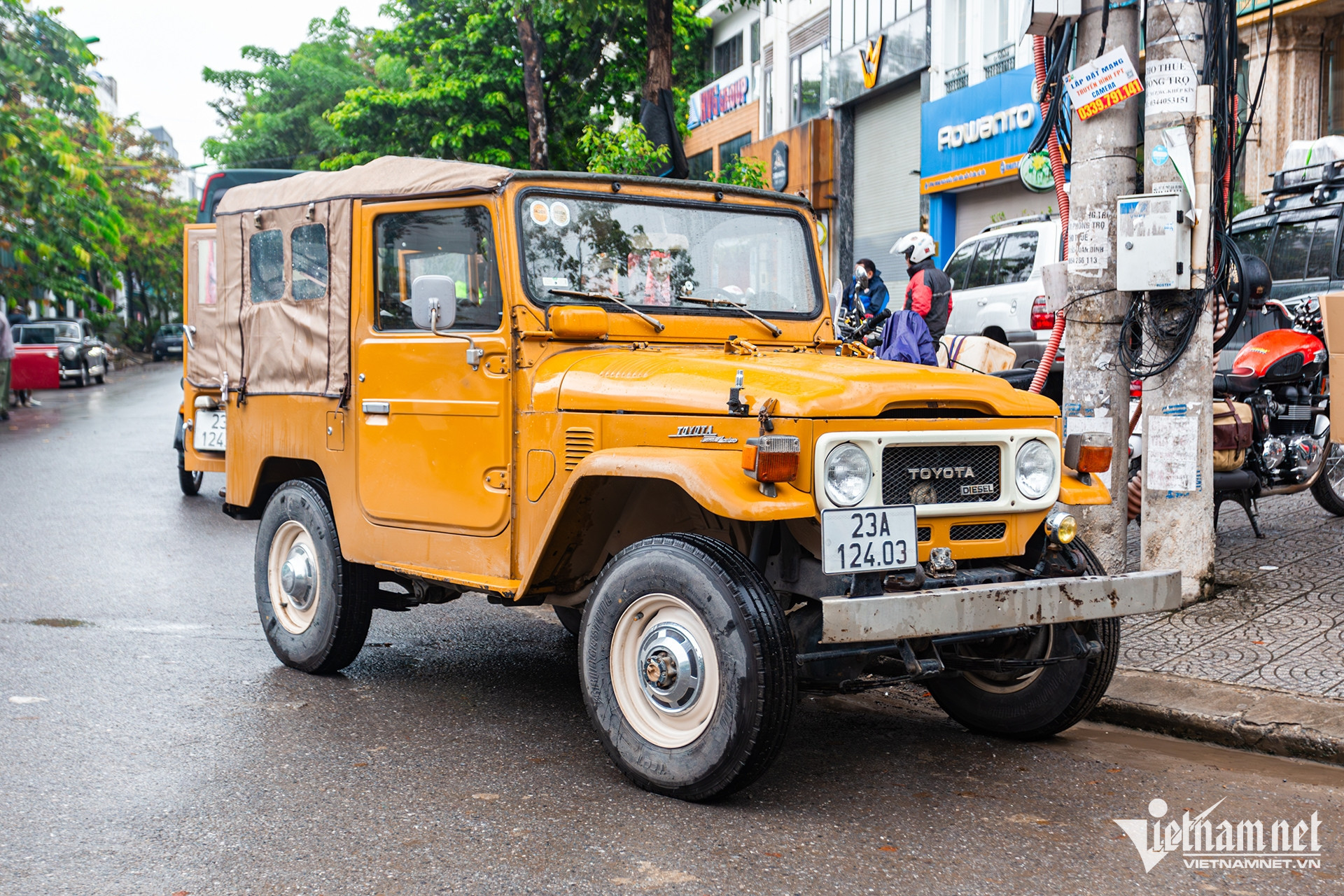
A 1974 Toyota Land Cruiser owned by Nguyen Xuan Thuy of the Saigon Classic Car Club during an overland journey through Vietnam, China and Laos. Photo: Nguyen Tien Dung
If Mercedes, BMW, Jaguar, Triumph and Cadillac represented the aspirations of the wealthy during the 1960s, the Land Cruiser became synonymous with remote and challenging landscapes.
Most Land Cruisers arrived in Vietnam during the 1980s through various channels. Many were brought in by international organizations, foreign businesses and expert delegations working in the country. Others were privately imported during Vietnam's early economic opening period.
A 1974 Toyota Land Cruiser owned by Nguyen Xuan Thuy of the Saigon Classic Car Club during an overland journey through Vietnam, China and Laos. Photo: Nguyen Tien Dung
From the 1980s through the early 2000s, the Land Cruiser became the default choice for many regions with difficult terrain.
Whether in the mountains of Ha Giang, Cao Bang and Son La, across the Central Highlands, or at mining and construction sites, models such as the FJ40, BJ40, HJ45, FJ60, FJ62 and various 60 and 70 Series vehicles became familiar sights.
Vietnamese owners embraced the Land Cruiser for a simple reason: it was nearly impossible to break.
Many owners recall their Land Cruisers operating for decades under harsh conditions with minimal maintenance. Toyota’s diesel-powered versions became so reliable that locals jokingly described them as vehicles that only needed fuel to keep running. This extraordinary durability helped establish the Land Cruiser's legendary reputation throughout Vietnam.
Although classic Land Cruisers have long been popular in countries such as Japan, the United States, Australia, Mongolia, Thailand, nations across the Middle East, Europe and Africa, Vietnam’s collector movement only began gaining serious momentum a little over a decade ago.
Initially, small groups of Japanese off-road enthusiasts restored old Land Cruisers because of their strong, capable chassis. Over time, however, collectors began to appreciate the vehicles' historical significance and symbolic value.
Today, enthusiasts range from older collectors to younger drivers drawn to the purity of traditional automotive engineering.
In an era dominated by electronics, touchscreens and software, vintage Land Cruisers offer something entirely different. Their commanding driving position, expansive visibility, solid metal doors, long mechanical gear levers and purely mechanical four-wheel-drive systems deliver what many enthusiasts describe as the soul of a classic vehicle.
A difficult future for an automotive icon
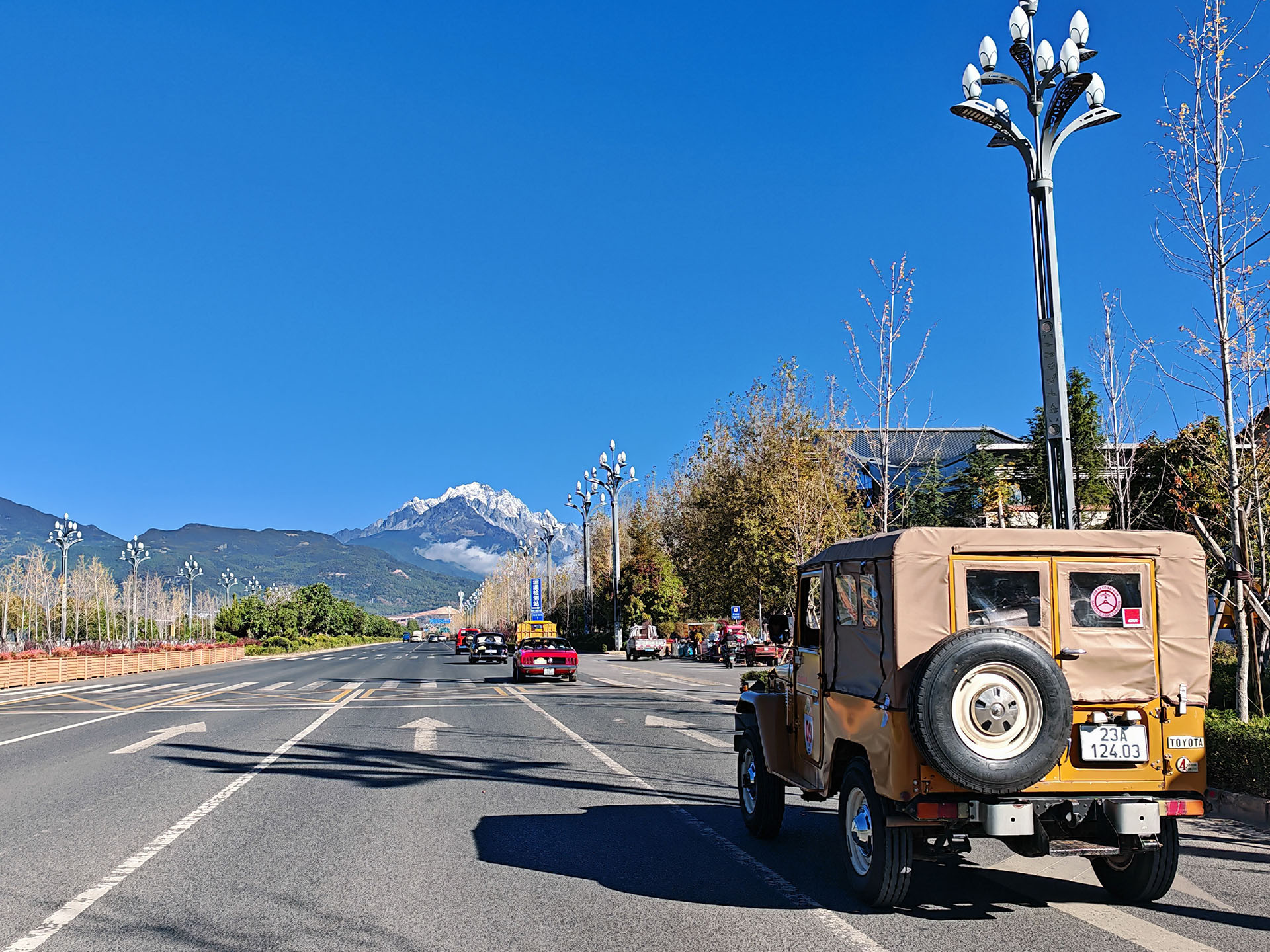
A Toyota Land Cruiser BJ40 owned by Nguyen Xuan Thuy successfully completed a nearly 9,000-kilometer international expedition through Vietnam, Laos and China in 2025. Photo: Hoan Ta
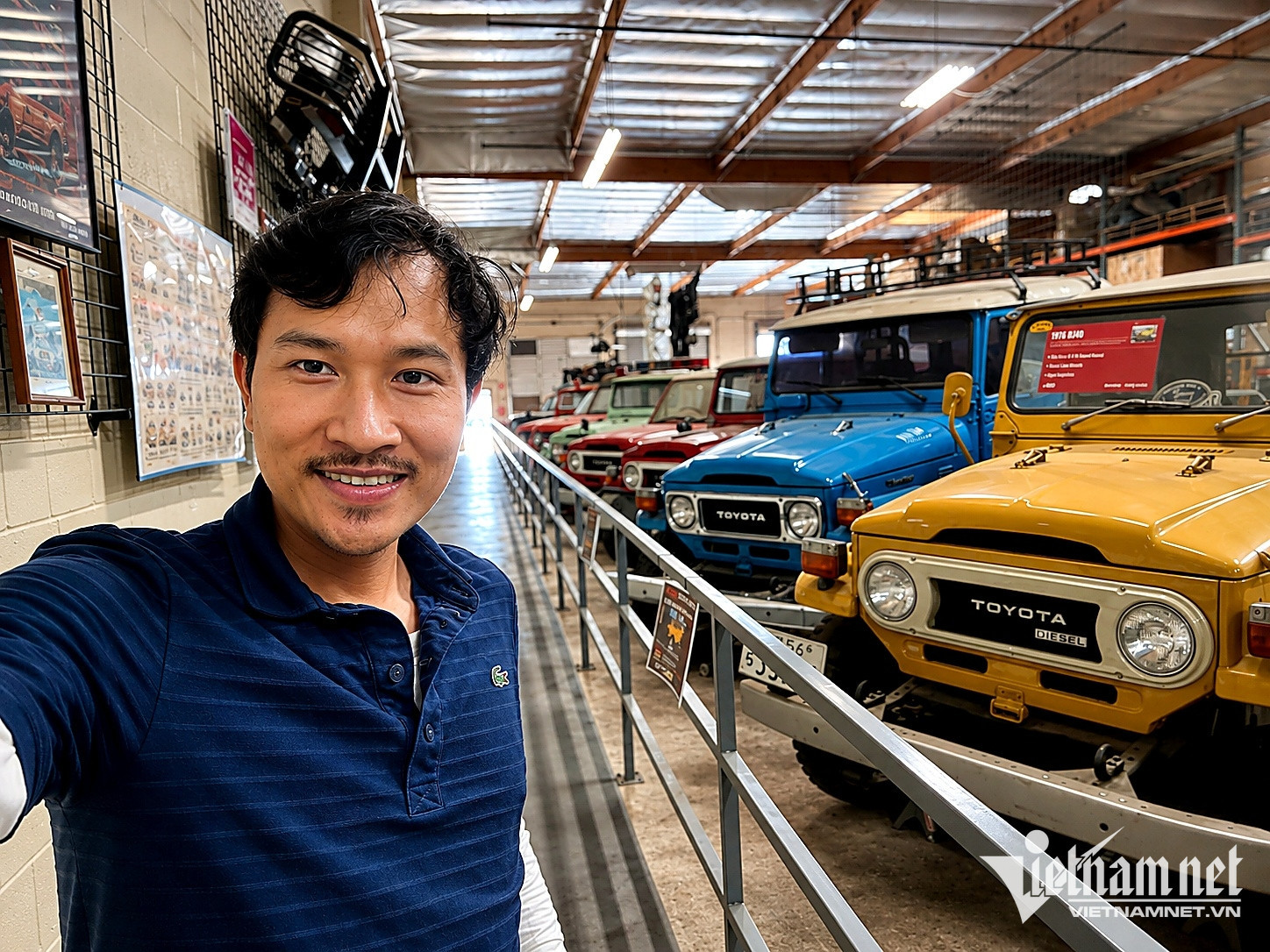
Nguyen Xuan Thuy, a classic car collector, visits the showroom of Specter Offroad, a United States company specializing in restoration and parts supply for vintage Land Cruisers. Photo: Courtesy of the owner
Original, unmodified Land Cruisers are now extremely rare in Vietnam.
Because these vehicles spent decades traversing forests, mountains, rivers, construction sites and remote rural regions, many surviving examples have suffered severe deterioration or have been dismantled for spare parts.
The shortage of original components led many owners to replace factory Toyota engines with alternative diesel powerplants that were easier to maintain. As a result, numerous Land Cruisers have become hybrids assembled from different generations and engine types.
Such modifications significantly reduce their collectible value.
Vietnam’s humid climate and limited long-term storage options have also accelerated corrosion. Consequently, most surviving vehicles have undergone extensive and costly restorations.
Finding a classic Land Cruiser in Vietnam that still retains its original chassis, engine and legal documentation has become exceptionally difficult.
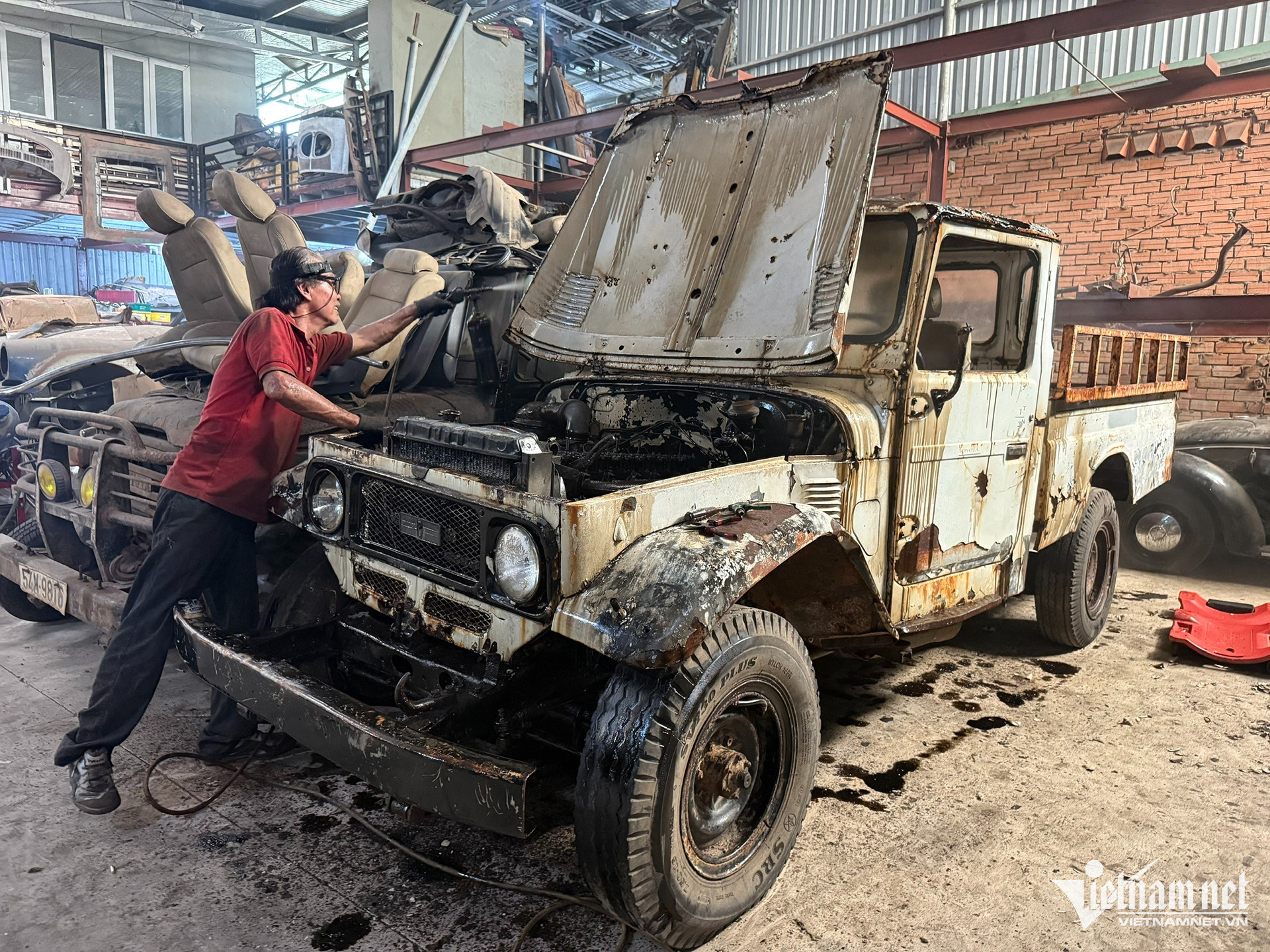
A Toyota Land Cruiser HJ45 owned by Nguyen Xuan Thuy after years of neglect and deterioration. Photo: Courtesy of the owner
At the same time, enthusiasts face growing challenges as environmental regulations become stricter.
Most classic Land Cruisers in Vietnam are powered by older gasoline or diesel engines that struggle to meet modern emissions requirements. The planned expansion of E10 biofuel usage also raises concerns regarding compatibility with engines designed decades ago.
These realities mean that ownership today requires far more than passion alone. Collectors must be prepared with financial resources, technical expertise and the ability to adapt to evolving vehicle regulations.
A Toyota Land Cruiser BJ40 owned by Nguyen Xuan Thuy successfully completed a nearly 9,000-kilometer international expedition through Vietnam, Laos and China in 2025. Photo: Hoan Ta
Nguyen Xuan Thuy, a classic car collector, visits the showroom of Specter Offroad, a United States company specializing in restoration and parts supply for vintage Land Cruisers. Photo: Courtesy of the owner
The biggest question facing collectors today extends beyond the Land Cruiser itself and applies to Vietnam’s entire classic vehicle community: Do vehicles more than half a century old still have a place in modern society?
The answer may lie in the cultural value they represent.
Every classic vehicle tells a story about engineering, design and the social history of a particular era. In many developed countries, classic automobiles are regarded not merely as private property but as part of industrial heritage worthy of preservation and supported through appropriate policies.
Whether Vietnam adopts a similar perspective may ultimately determine the future of its classic Land Cruiser community and the survival of many other historic vehicles.
Xuan Thuy
.svg)
