 Vietnamnet.vn

 Podcast


The year 2026 marks the 10th anniversary of UNESCO's inscription of the Practices Related to the Viet Beliefs in the Mother Goddesses of Three Realms on the Representative List of the Intangible Cultural Heritage of Humanity.
Over the past decade, the recognition has helped raise awareness of the heritage, creating new opportunities for its preservation and transmission to younger generations. Yet alongside the rapid expansion of religious practices, increasingly ostentatious ceremonies, commercialization and departures from traditional rituals have raised concerns about the future of the tradition.
Speaking to VietNamNet, Nguyen Van Thu, honorary chairman of the Association for the Preservation and Promotion of the Mother Goddess Worship Heritage in Ninh Binh Province and former director of the Nam Dinh Provincial Museum, discussed these challenges and proposed ways to ensure the heritage's sustainable development.
Thu acknowledged the achievements of the past decade but stressed that safeguarding cultural heritage must go beyond ceremonies celebrating its international recognition. What matters most, he said, is preserving the cultural and spiritual values at the heart of the tradition.
When spirit mediumship becomes a display of wealth and prestige
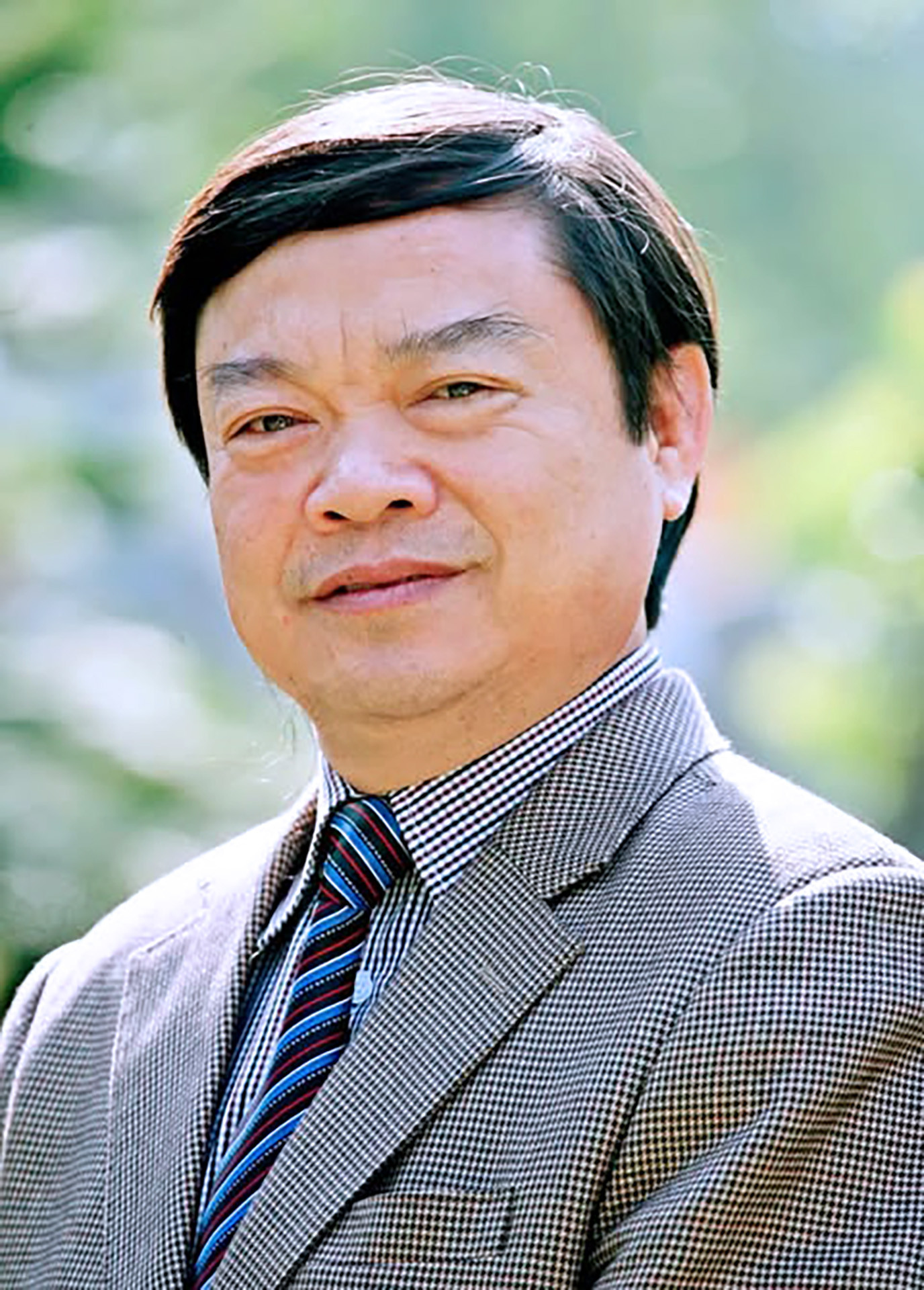
One of Thu's main concerns is the widespread misunderstanding of what UNESCO actually recognized.
He explained that the inscription covers the broader practices associated with the Vietnamese belief in the Mother Goddesses of Three Realms, including rituals, festivals, traditional performances, music, costumes, knowledge and customs embedded in community spiritual life.
Spirit mediumship, known in Vietnamese as hau dong, is an important part of this heritage, but it does not represent the entire tradition. Nor does UNESCO recognition confer special status on individual spirit mediums or authorize anyone to claim exclusive representation of the belief system.
According to Thu, such misunderstandings have contributed to a growing emphasis on appearances, with some practitioners treating expensive ceremonies as a way to demonstrate their status and influence.
Some spirit mediums spend substantial sums organizing rituals, purchasing elaborate offerings and burning oversized paper votive objects. Excessive votive burning not only wastes resources but also has negative environmental consequences.
More troubling, Thu said, is the exploitation of worshippers' faith through exaggerated spiritual pronouncements, fear-inducing predictions or suggestions that large financial contributions are necessary to receive blessings or ward off misfortune.
Such practices risk distorting the humanitarian values of Mother Goddess worship, a tradition rooted in the desire for protection, moral goodness and reverence for the maternal figure in Vietnamese spiritual life.
Financial excess is not the only concern. A lack of understanding of established ritual conventions has also led to practices that Thu considers inconsistent with tradition.
He pointed to ceremonies in which the customary sequence of spirit manifestations, known as gia hau, is not respected. In some cases, several practitioners take turns embodying the same deity during a single ceremony, something he believes conflicts with traditional ritual conventions.
Another emerging trend is the presentation of spirit mediumship at theatrical performances, wedding receptions and commercial events.
Thu emphasized the need to distinguish between religious rituals and artistic performances inspired by cultural heritage.
Artists who draw on chau van ceremonial singing, traditional dance movements and costumes to create stage productions can help introduce Vietnamese cultural traditions to wider audiences.
However, he disagrees with recreating spirit possession rituals as entertainment, particularly when practitioners and organizers fail to make clear whether an event is a sacred ceremony conducted in a place of worship or an artistic performance.
Thu also warned about self-organized festivals and gatherings where certificates, honorary titles and awards are distributed in exchange for participation fees.
The proliferation of such recognition schemes, he argued, may encourage practitioners to pursue titles and prestige rather than deepen their knowledge, refine their skills and pass on the heritage.
Letting communities safeguard the integrity of their own heritage
Faced with these challenges, Thu believes administrative measures alone cannot address every problem arising from the practice of Mother Goddess worship.
The tradition is a living heritage, sustained and passed down through communities. Those who practice it must therefore play a central role in identifying and correcting activities that depart from its established values.
One solution he proposed is a code of conduct for the practice of Mother Goddess worship, developed through consultation and consensus among community organizations, artisans, spirit mediums, temple custodians, ceremonial musicians and other stakeholders.
Such a code would establish shared principles covering ceremonial costumes, ritual procedures, the duration of spirit mediumship sessions, the use of votive offerings, chau van performances and appropriate behavior in sacred spaces.
Crucially, the guidelines should discourage extravagance and waste, prevent the exploitation of religious beliefs for financial gain and respect the diversity of local customs and practices.
Thu noted that Mother Goddess worship has no single centralized organization overseeing all practitioners. This makes the role of People's Artisans, Meritorious Artisans and respected spiritual masters particularly important.
These individuals are directly involved in transmitting traditional knowledge, ritual procedures and customary rules to subsequent generations.
At the same time, he said, developing a code of conduct requires input from cultural researchers, legal experts and government management agencies to ensure that the guidelines comply with existing regulations while respecting people's freedom of religion and belief.
Ten years after its UNESCO inscription, Vietnam's Mother Goddess worship faces the challenge of expanding its cultural reach while protecting itself against commercialization and the distortion of traditional rituals.
For Thu, sustainable preservation depends on empowering communities to take responsibility for their own heritage. Rules developed through consensus among practitioners are likely to carry greater legitimacy and influence than requirements imposed from outside.
Ultimately, the value of intangible cultural heritage cannot be measured by the grandeur of ceremonies, the money spent on rituals or the number of honorary titles awarded.
Its true worth lies in the knowledge, beliefs, standards of conduct and cultural practices that communities continue to preserve and pass down from one generation to the next.
Tinh Le

