 Vietnamnet.vn

 Podcast


With its rough skin and fragrant white flesh, ca thung, also known locally as ca moi, has long been a familiar food in the coastal communities of Cua Hoi and Cua Lo in Nghe An Province.
Once a staple in many Vietnamese households during the country's subsidy era, the fish still evokes memories of difficult times for local residents. Today, it draws attention not only for its flavor but also for an unusual preparation method: each fish is curled into a circle, with its tail tucked into its mouth, before being cooked and smoked.
Nguyen Trung, a resident of Cua Lo, deftly bends each fish into a ring and slips its tail between its jaws. He says he has watched people prepare the fish this way since childhood.
"In the old days, only relatively well-off families could afford smoked ca thung for Tet, the Lunar New Year holiday. They would buy it to braise at home. The fish was first offered to ancestors, then shared by the family with banh chung, the traditional sticky rice cake, or steamed rice," he recalled.
"When I was young, a pot of braised ca thung was something truly special, probably because life was so difficult back then. These days, families are better off and have a much wider variety of food, so this dish doesn't attract as much attention as it once did," he said.
Even so, residents of Cua Lo have continued the tradition of preparing and enjoying the fish.
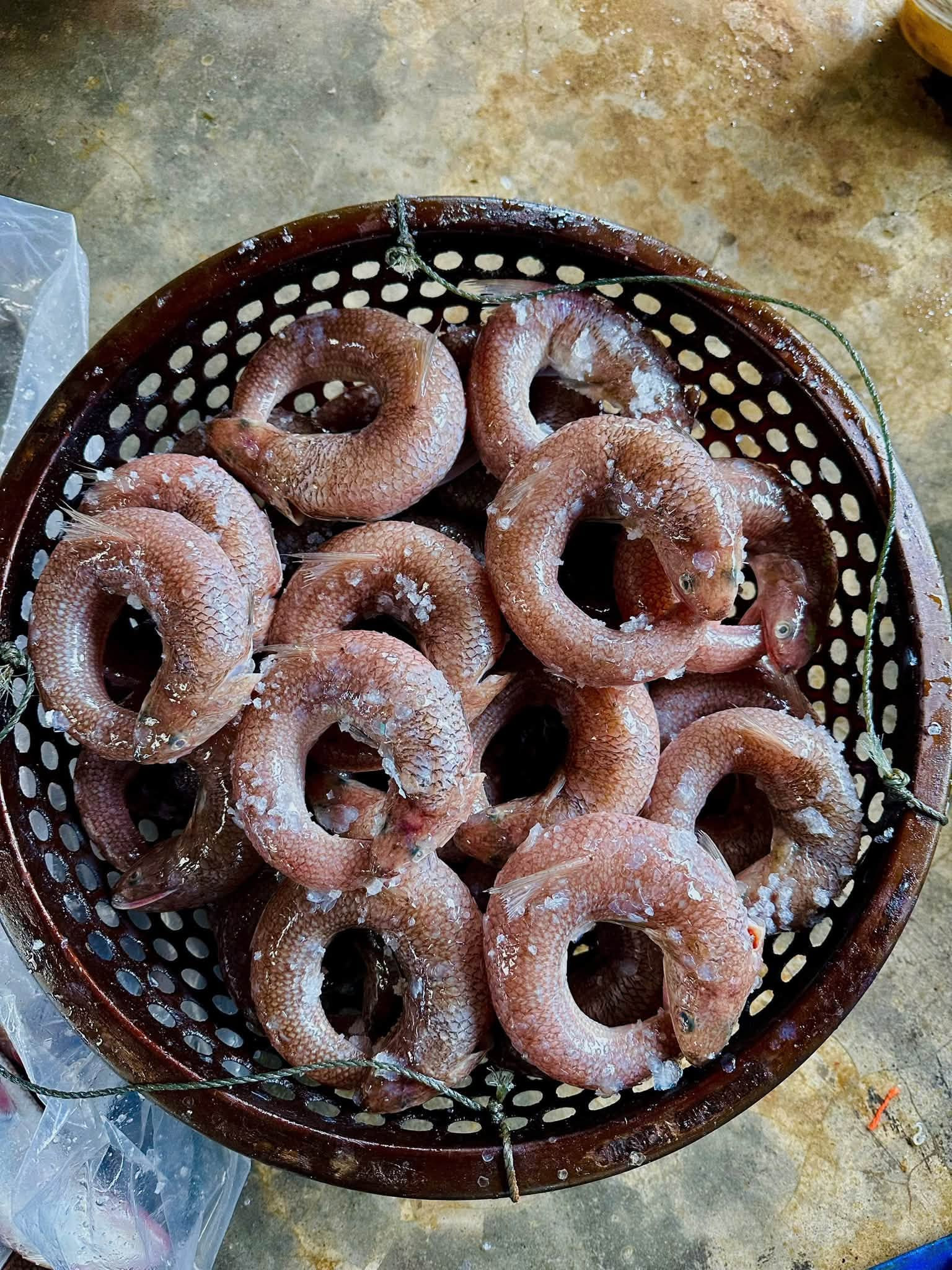
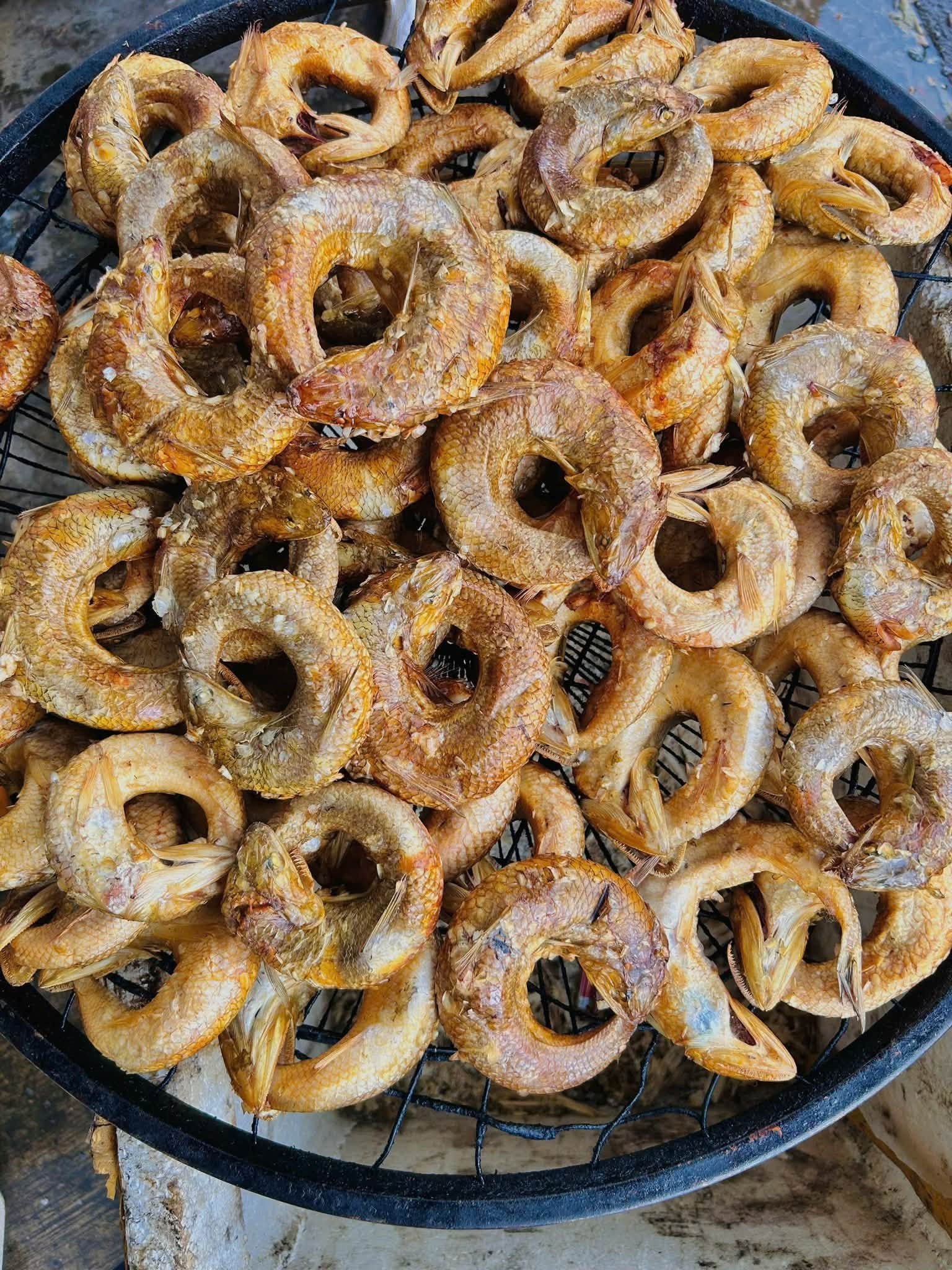
According to Trung, everyone has their own technique for curling the fish, but the basic method remains the same: the tail is tucked into the mouth to form a neat circle. The fish is then steamed until cooked and smoked over sugarcane husks, which give it an appealing color and distinctive aroma.
"Once the fish is cooked through, we take it out and let it drain before smoking it," Trung explained.
Rather than using ordinary charcoal or firewood, people in Cua Lo typically smoke the fish with sugarcane husks or bagasse, the fibrous residue left after sugarcane is crushed.
This process removes much of the fishy smell and imparts a delicate sweetness to its aroma. The finished fish takes on a rich golden hue, with oil glistening on its surface. Although the outside becomes dry to the touch, the flesh inside remains moist, tender and flavorful.
According to fishermen in Nghi Thuy fishing village in Cua Lo, curling the fish into a ring serves both practical and spiritual purposes.
The circular shape helps the flesh stay firm and prevents the fish from breaking apart during smoking. It also carries symbolic meaning.
Locals sometimes call the curled fish "ca ong troi," or "heavenly fish," because its circular form represents completeness, fulfillment and peace.
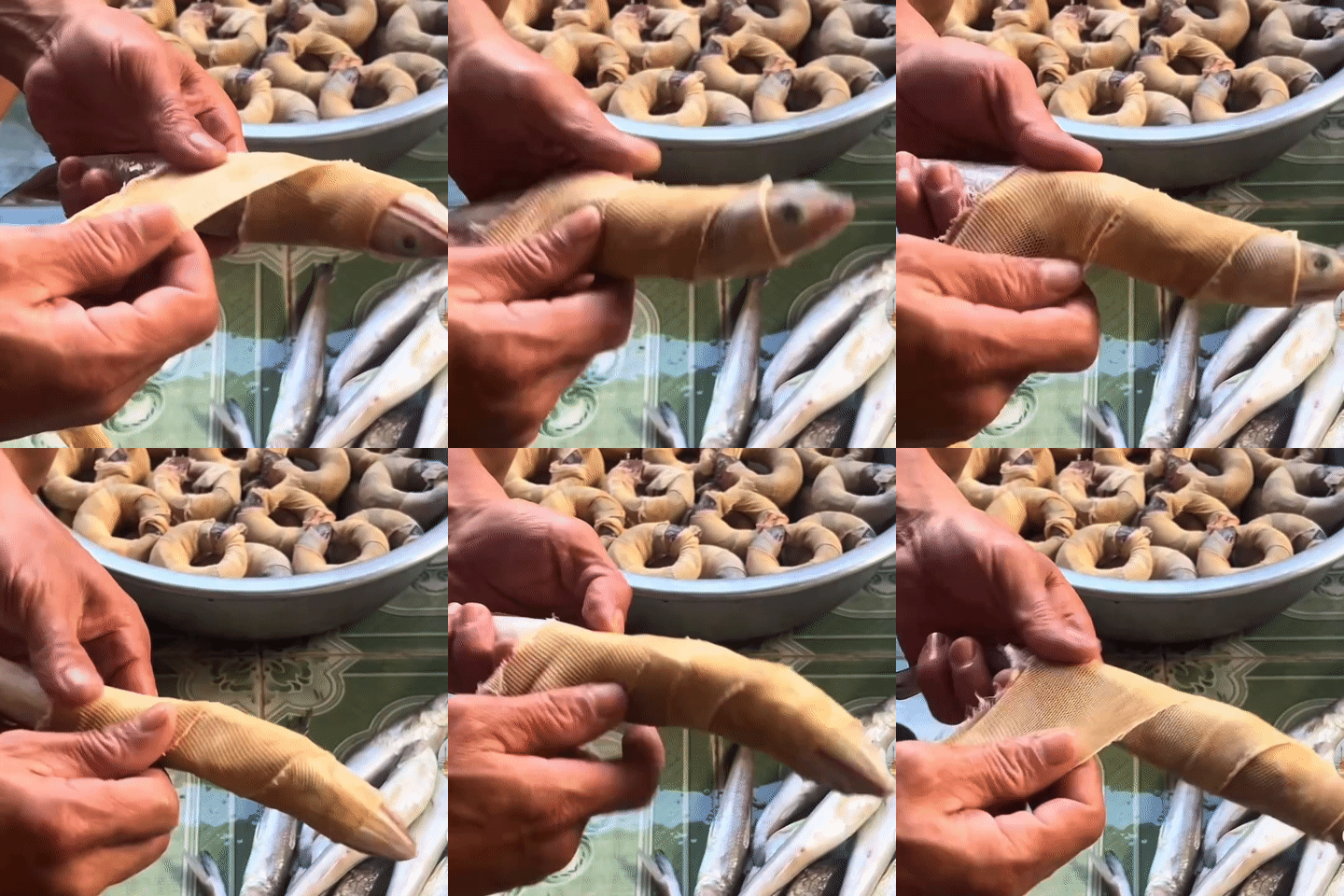
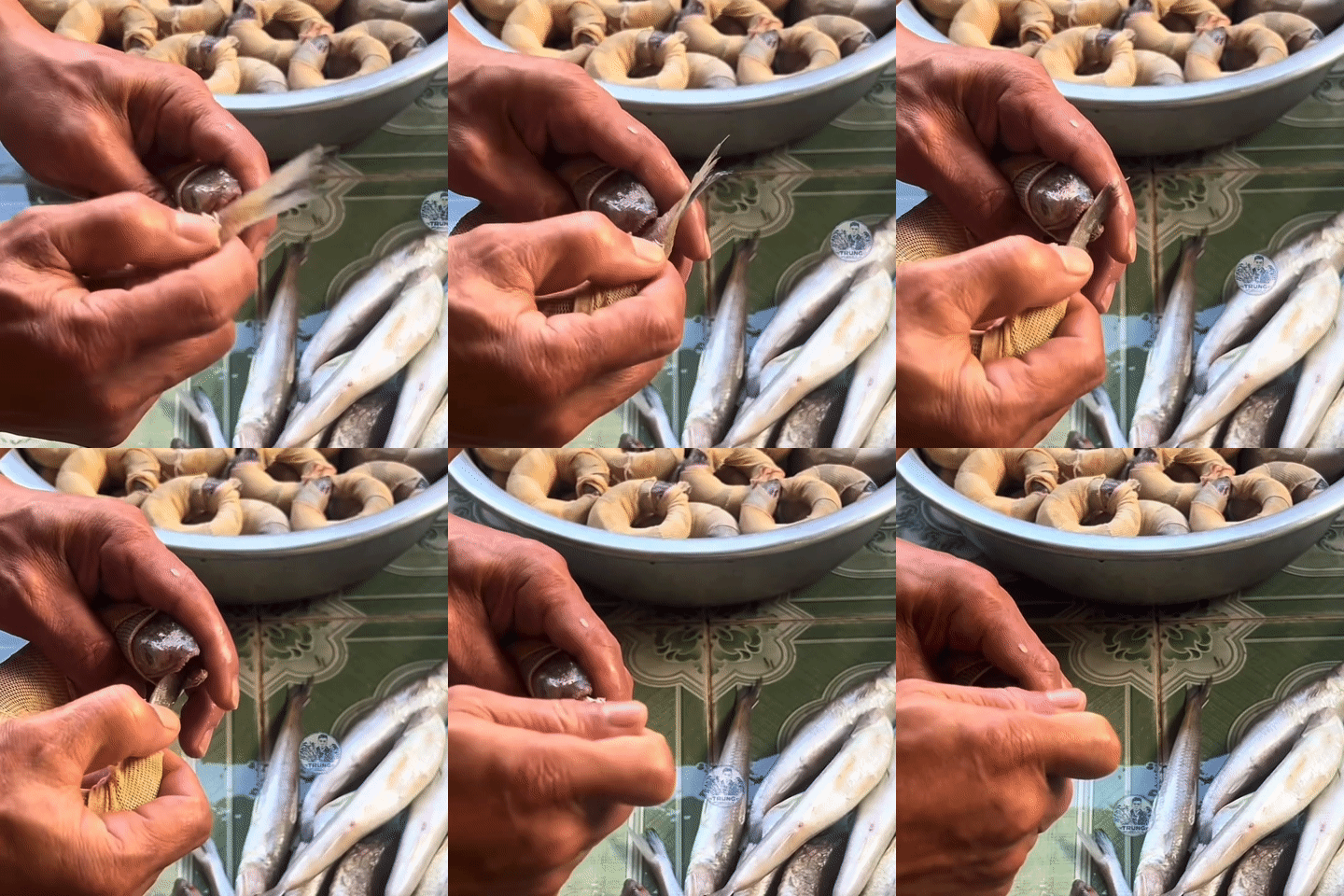
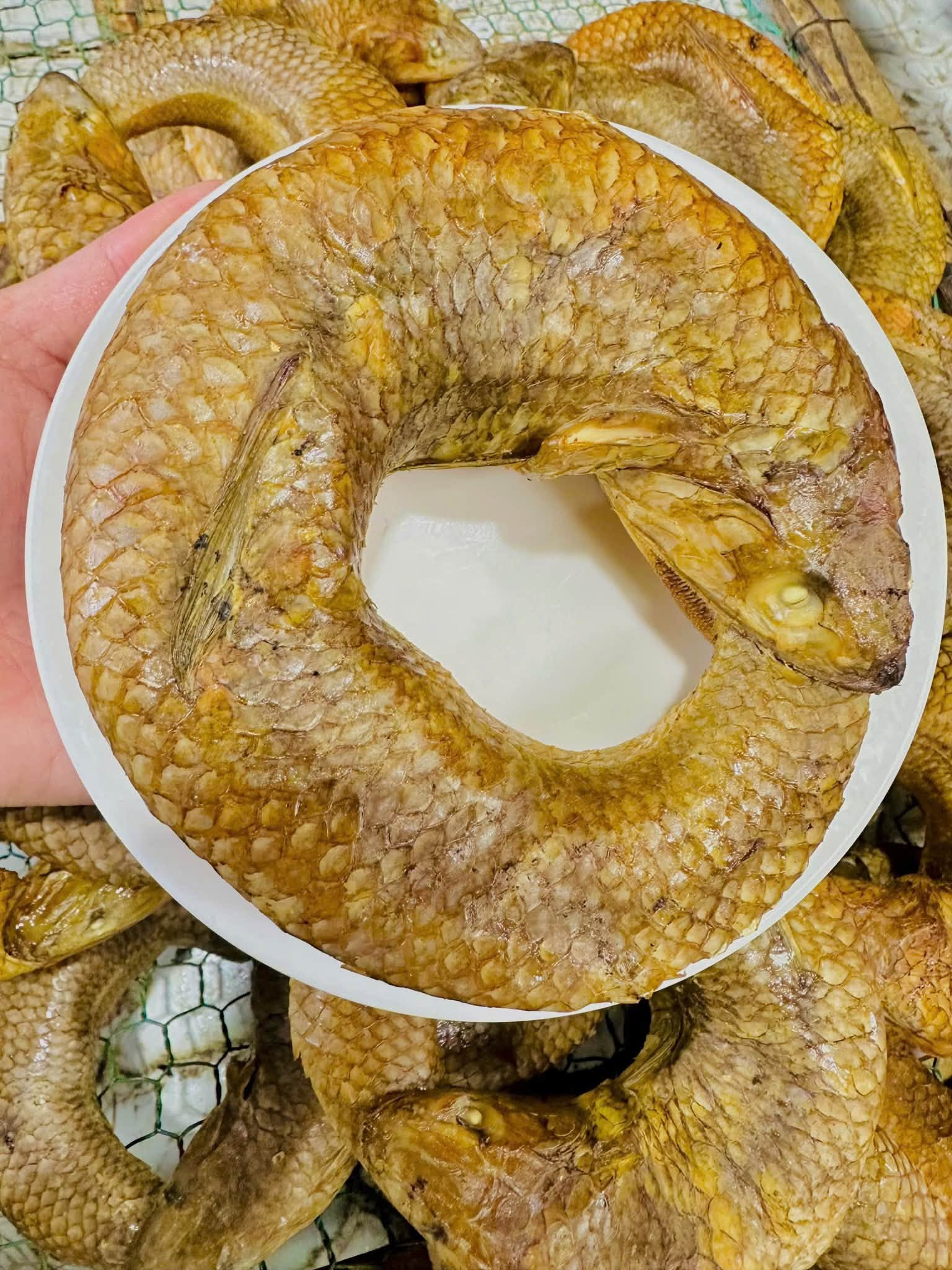
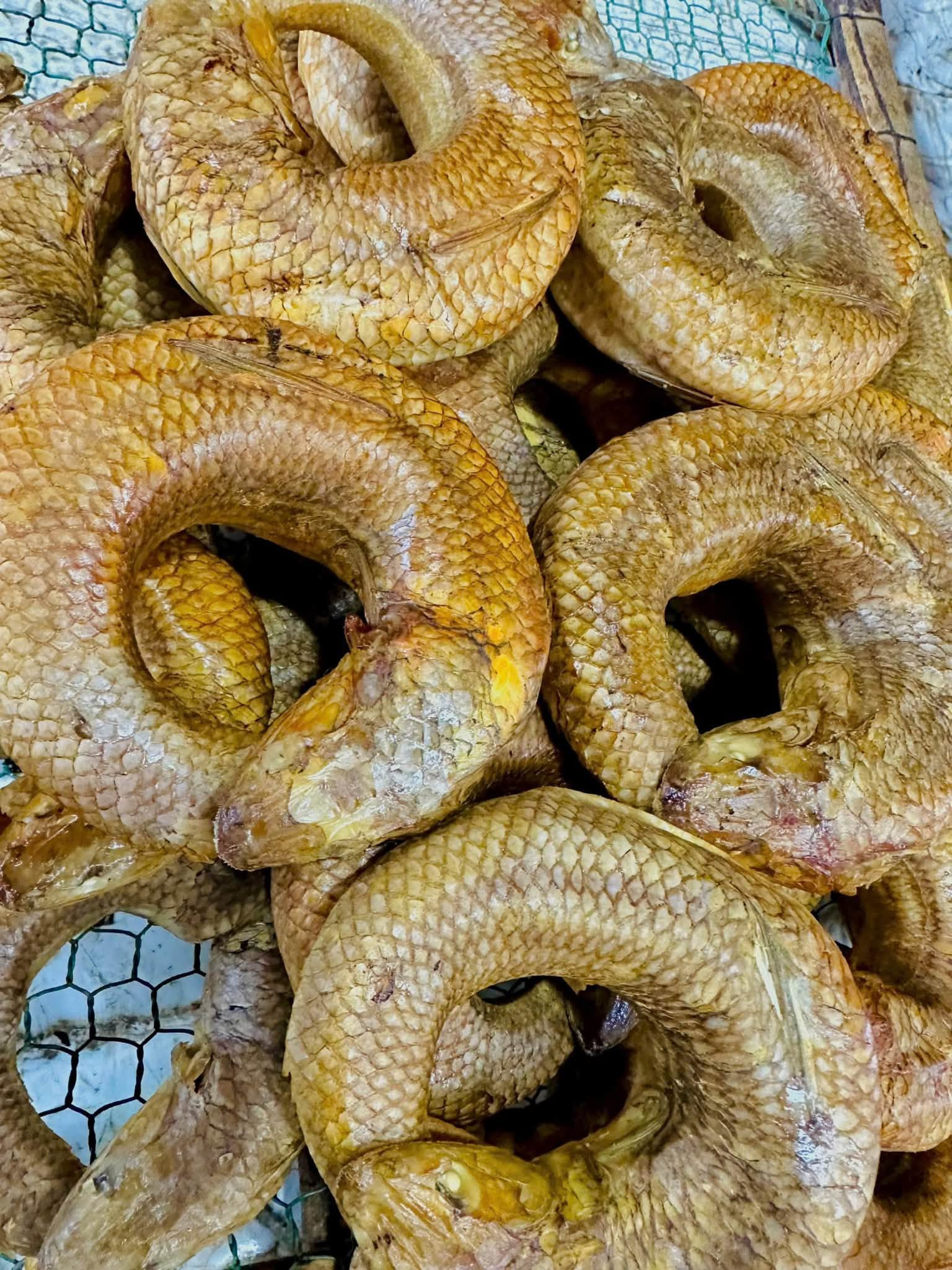
During Tet, a platter of golden fish arranged in neat circles is placed on the ancestral offering tray. Beyond its visual appeal, the dish expresses the family's hopes for prosperity, harmony and a fulfilling year ahead.
The fish is mainly caught from the ninth or tenth lunar month until Tet. During this period, trays of smoked ca thung, with their rough golden skin and distinctive aroma, become a familiar sight in coastal markets.
Ca thung contains numerous small bones, making it challenging for those unfamiliar with the fish, particularly children.
Local families often braise it with a combination of salty and sweet seasonings, adding chili and pepper before reheating it several times until the bones soften.
Once thoroughly braised, the fish can be eaten in crosswise bites, offering a rich, slightly spicy flavor and the characteristic fragrance of smoked fish.
The fish currently sells for around VND160,000 (approximately US$6) per kilogram, usually equivalent to three or four fish. Prices may rise during Tet as demand increases.
Dinh Thi Van, 63, from Nghi Loc in the Cua Lo area, said her family buys ca thung every year to braise with sugarcane molasses or make fish cakes.
"Ca thung has quite a lot of bones, but its flesh is firm. When braising it, we add layers of ginger and galangal, then season it with sugarcane molasses, fish sauce, salt and onions. We simmer it over low heat for hours until the fish turns a deep golden brown and absorbs the fragrance of the spices," she said.
Other popular preparations include scraping the flesh from the bones to make fish cakes, marinating the fish with lemongrass before frying it until crisp, or grilling it and serving it with a dipping mixture of salt, pepper and lime.
Thu Hien

