 Vietnamnet.vn

 Podcast



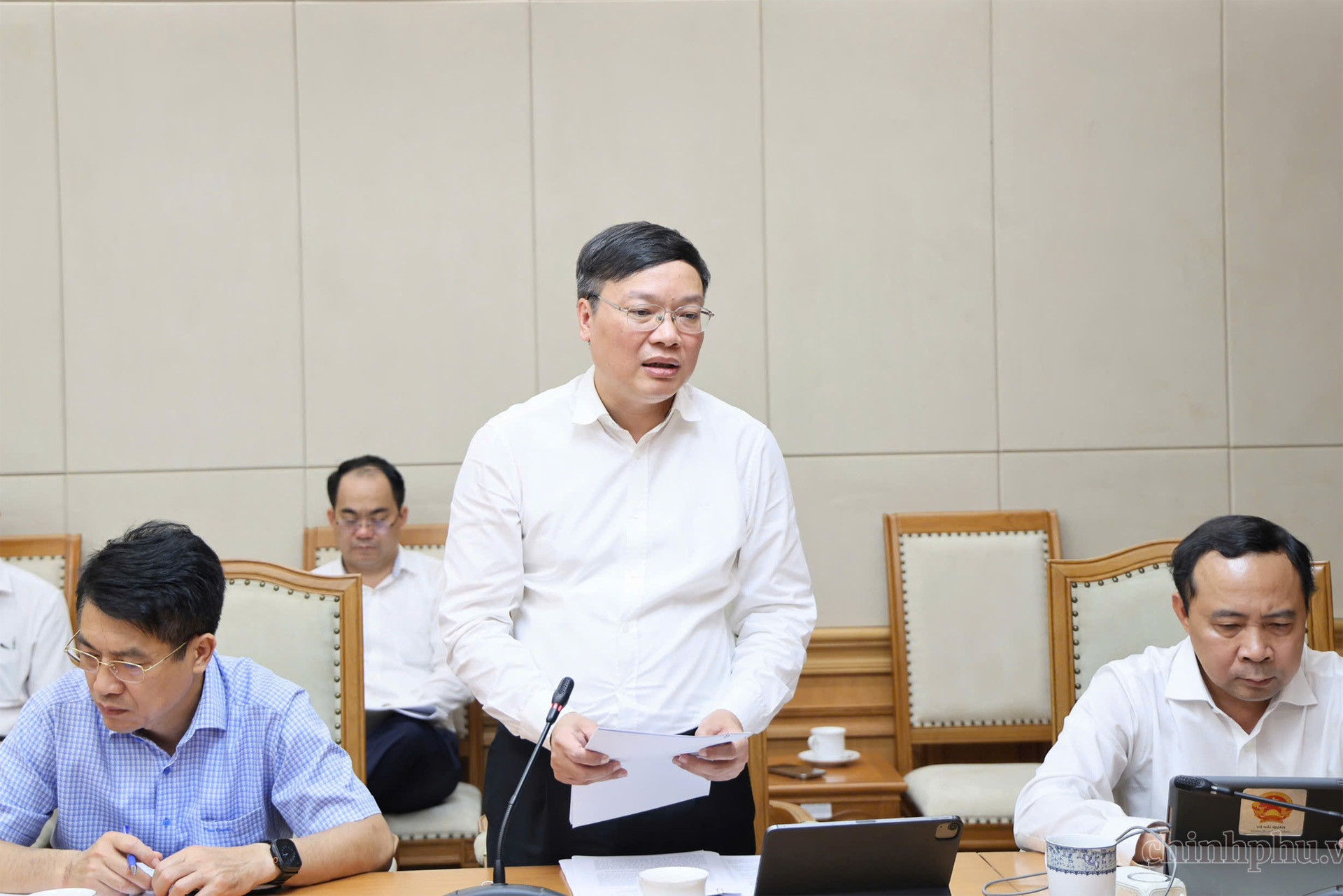
The Ministry of Home Affairs has proposed several key policy measures, including institutional reforms and more competitive incentives covering salaries, performance bonuses, housing and healthcare.
Among the proposals is the creation of a "Vietnam Talent Visa", alongside a global Vietnamese talent network designed to connect overseas Vietnamese professionals and international experts with opportunities in Vietnam.
The ministry also recommends granting greater autonomy to talented professionals, simplifying administrative procedures and evaluating performance based on measurable outcomes rather than traditional administrative criteria.
Beyond government recruitment
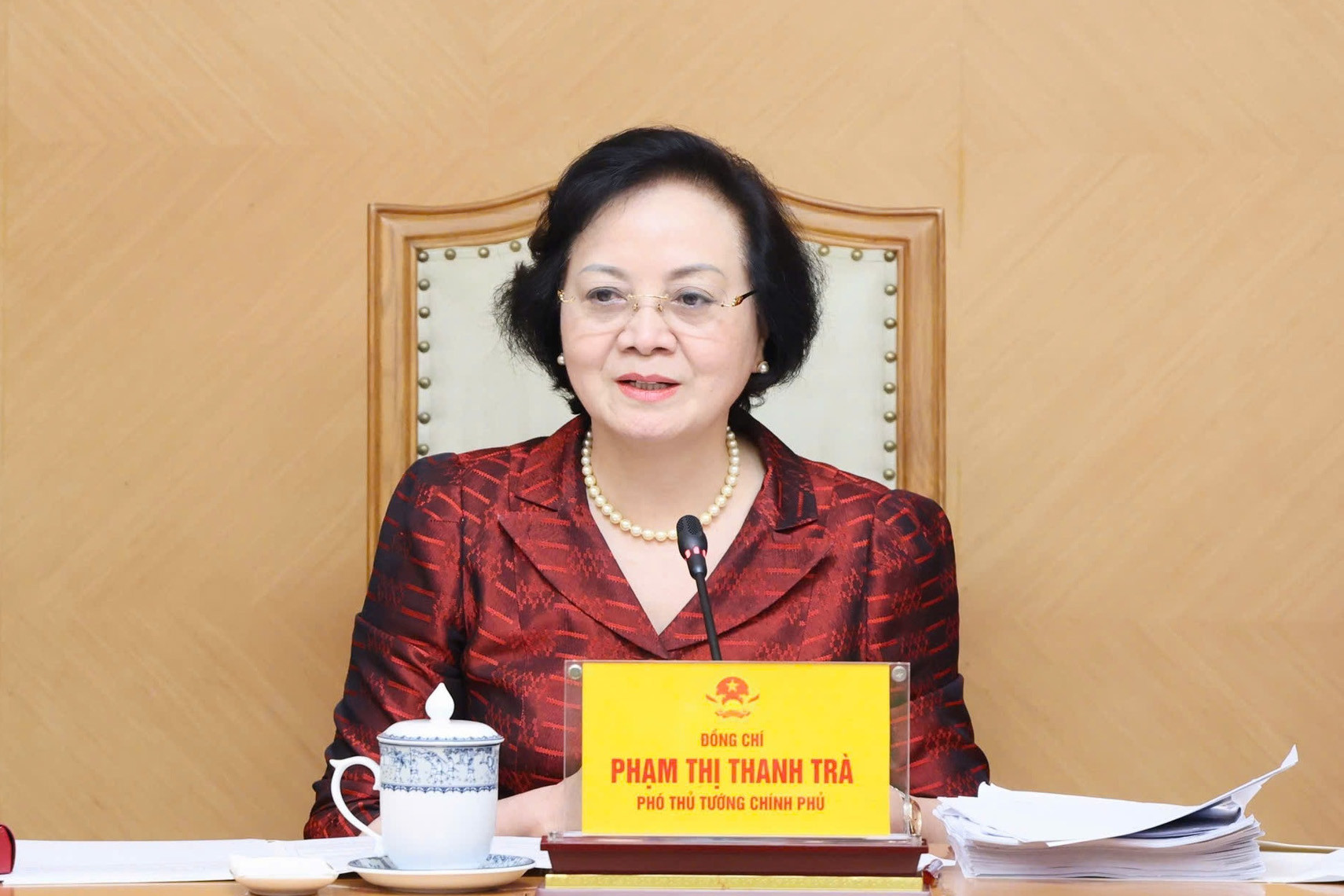
Concluding the meeting, Deputy Prime Minister Pham Thi Thanh Tra described the draft strategy as an ambitious and complex initiative requiring long-term strategic thinking and close alignment with the Party's broader development agenda.
She said Vietnam does not lack talented people but has yet to create an effective system for attracting, utilizing and maximizing their contributions.
According to the Deputy Prime Minister, the country's competitive advantage will not come simply from offering the highest salaries, but from designing policies and creating an environment where talented individuals can be identified, trained, recruited, empowered and supported throughout their careers.
"If talented people are recruited but cannot fully develop or apply their abilities, the strategy will fail to achieve its objectives," she said.
She called for the strategy to adopt an ecosystem approach, creating seamless links between talent identification, education, recruitment, deployment, development and long-term retention.
Focus on strategic industries
Pham Thi Thanh Tra said the strategy should prioritize sectors that are essential to Vietnam's competitiveness, self-reliance and long-term national development, with science, technology, innovation and digital transformation at the center.
She also urged policymakers to move away from an administrative approach to talent management toward a development-oriented model that values competence, measurable results and individual contributions.
The strategy, she said, must include concrete legal reforms and practical policy mechanisms capable of building a comprehensive national talent ecosystem rather than simply outlining broad principles.
Vietnam should build on existing policies while embracing greater international integration through more open mechanisms connecting the public and private sectors, as well as domestic and overseas talent networks.
Special attention should be given to attracting overseas Vietnamese professionals and international scientists while encouraging greater participation from the private sector in developing and supporting talent.
The Deputy Prime Minister also stressed that attracting talent should not be viewed solely as recruiting people into government agencies, but as creating opportunities for outstanding individuals to contribute across the entire economy.
Tran Thuong
.svg)
