 Vietnamnet.vn

 Podcast



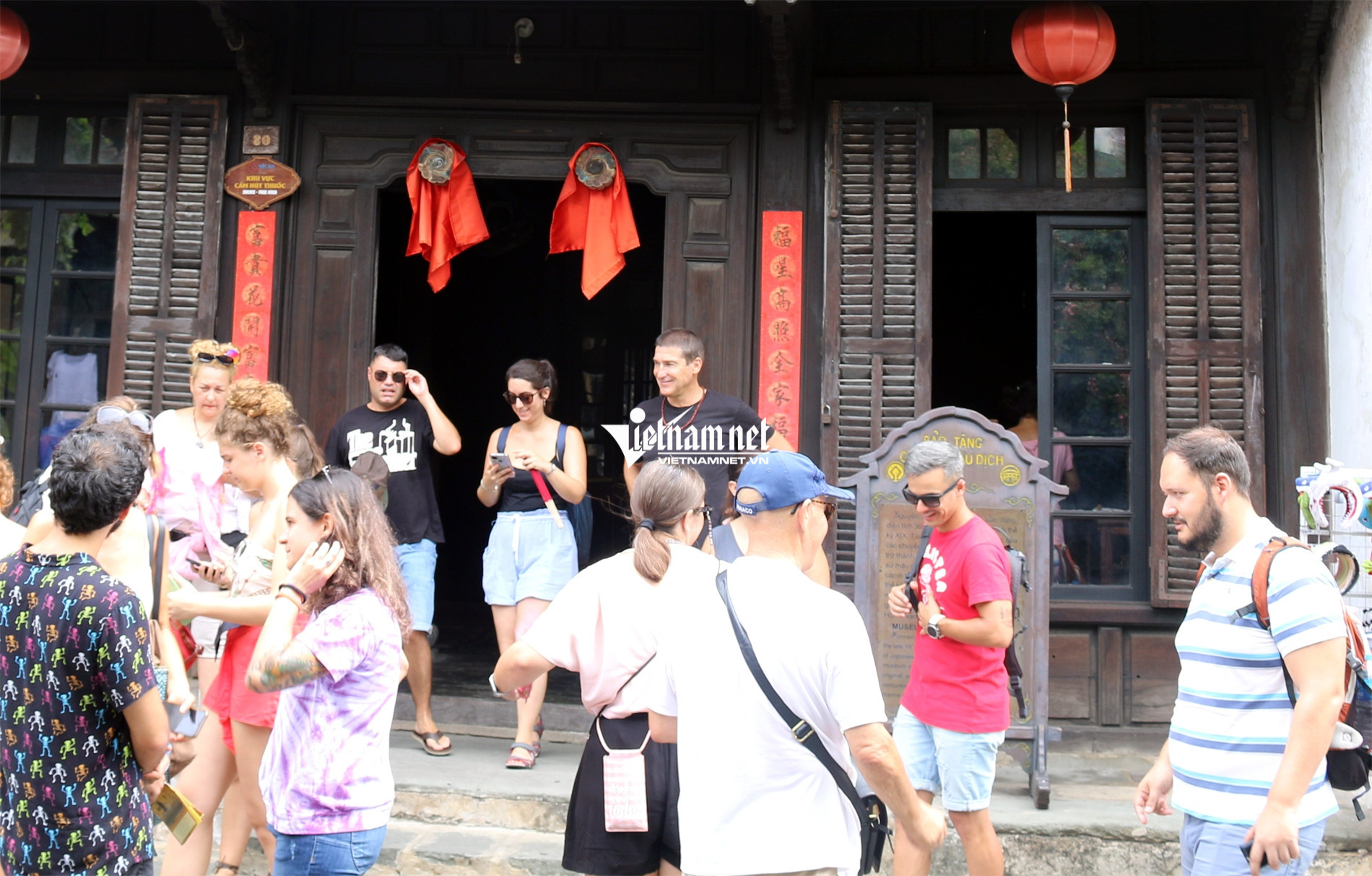
After the shock of the Covid-19 pandemic, Vietnam’s tourism industry has staged an impressive comeback, recovering to more than 110% of pre-pandemic levels - one of the highest recovery rates in the region. With an estimated 22 million international visitors in 2025, the sector is once again proving to be a key driver of national growth.
A post-pandemic miracle
At the national conference reviewing the five-year plan “Restructuring the Tourism Sector to Meet the Goal of Becoming a Key Economic Industry” on December 23, Nguyen Trung Khanh, Director General of the Vietnam National Authority of Tourism, said the past five years had been a true test for the industry.
The pandemic brought travel to a near standstill and disrupted the entire supply chain. Yet in adversity, Vietnam’s tourism demonstrated exceptional adaptability and resilience.
In 2019, Vietnam welcomed 18 million international visitors. By 2024, the figure had rebounded to 17.6 million - 98% of pre-pandemic levels - ranking among the top recoveries in Southeast Asia.
By December 2025, Vietnam celebrated its 20 millionth international visitor, setting a new national record and closing the year with an estimated 22 million arrivals.
Domestic tourism has also remained a cornerstone of the industry, with around 140 million domestic trips recorded. For the first time, total tourism revenue exceeded 1 quadrillion VND (about USD 39 billion), directly contributing 8.8% of GDP, underscoring the sector’s critical role in the country’s economic expansion.
According to Nguyen Trung Khanh, while global tourism recovery has been slow, Vietnam stands out as a bright spot.
In 2025, the number of foreign visitors to Vietnam rose 22% year-on-year, far above the global average of 5% and the Asia-Pacific average of 8%. Compared to pre-pandemic levels, Vietnam’s recovery surpassed 110%, while the broader region has reached only about 90%.
Reforming policy, reinventing the market
Deputy Director Phan Linh Chi attributed the success to a strategic mindset shift - from “passive reopening” to “proactive market creation.”
Breakthrough policies, particularly in visa reform - including extended stays and expanded e-visa access - have significantly enhanced Vietnam’s global competitiveness.
Simultaneously, the country’s tourism products have been refreshed and diversified. Alongside mainstays like seaside, cultural, urban, and eco-tourism, new segments such as nightlife tourism, wellness travel, rural and agricultural experiences, MICE tourism, and golf tourism have flourished.
Market diversification has also been striking, with strong growth from India, Australia, and the Middle East, while Northeast Asia rebounded rapidly. This diversification has helped balance and stabilize Vietnam’s international visitor base.
Both domestic and international markets are evolving toward more specialized experiences, as tourists increasingly seek wellness retreats, cultural exploration, and themed travel.
In 2025, Vietnam also achieved remarkable international recognition. UN Tourism named Lo Lo Chai Village and Quynh Son Village among the “Best Tourism Villages in the World.”
For the sixth time, World Travel Awards honored Vietnam as the “World’s Leading Heritage Destination,” and for the seventh time, “Asia’s Leading Destination.”
These distinctions have solidified Vietnam’s global tourism identity and set the stage for sustained growth in the years ahead.
The return of traditional markets
According to the Ministry of Finance’s Statistics Department, China remains Vietnam’s largest source market, sending 4.8 million visitors in the first 11 months of 2025 - about 25% of the total and up 43.1% year-on-year.
Before Covid-19, Chinese tourists accounted for around 60% of all foreign arrivals. Although recovery remains incomplete, the strong upward trend shows that momentum is returning.
South Korea followed with 3.9 million visitors (20.6%), Taiwan (China) reached 1.1 million, the United States 766,000, and Russia recorded the strongest growth among European markets - 593,000 visitors, up 190.9%.
Other European markets also posted positive results, reflecting the effectiveness of visa-free entry policies.
Targets for 2026 and beyond
Building on this momentum, Vietnam aims to welcome 25 million international visitors and 150 million domestic travelers in 2026, generating total tourism revenue of 1.125 quadrillion VND (about USD 43.8 billion).
However, Nguyen Trung Khanh emphasized that challenges remain. Many tourism products still overlap and lack distinctive cultural depth. Regional cooperation programs are sometimes formalistic, lacking strong, attractive routes.
Digital transformation also remains uneven nationwide, while productivity indicators and visitor return rates have yet to meet expectations.
Additionally, certain destinations still face issues of unprofessional or uncivil tourist behavior, calling for stronger management and enforcement.
He urged ministries, sectors, and localities to review and refine legal frameworks and mechanisms to create a transparent, investment-friendly tourism environment.
Decentralization and accountability should be strengthened alongside improved state management. The tourism market must be restructured toward sustainability - targeting high-spending, long-staying visitors and proactively expanding into new and emerging markets.
Binh An
.svg)
