 Vietnamnet.vn

 Podcast


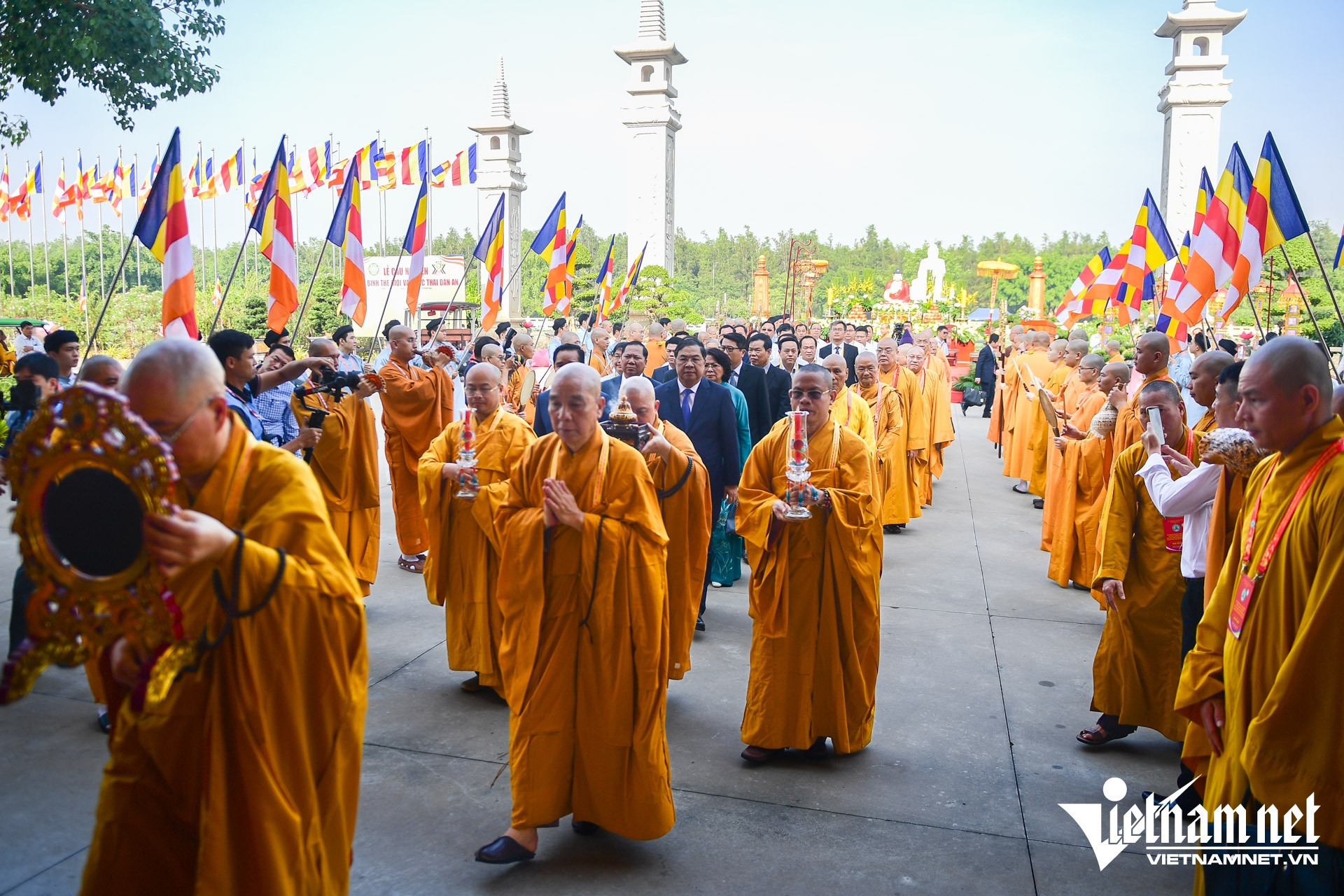
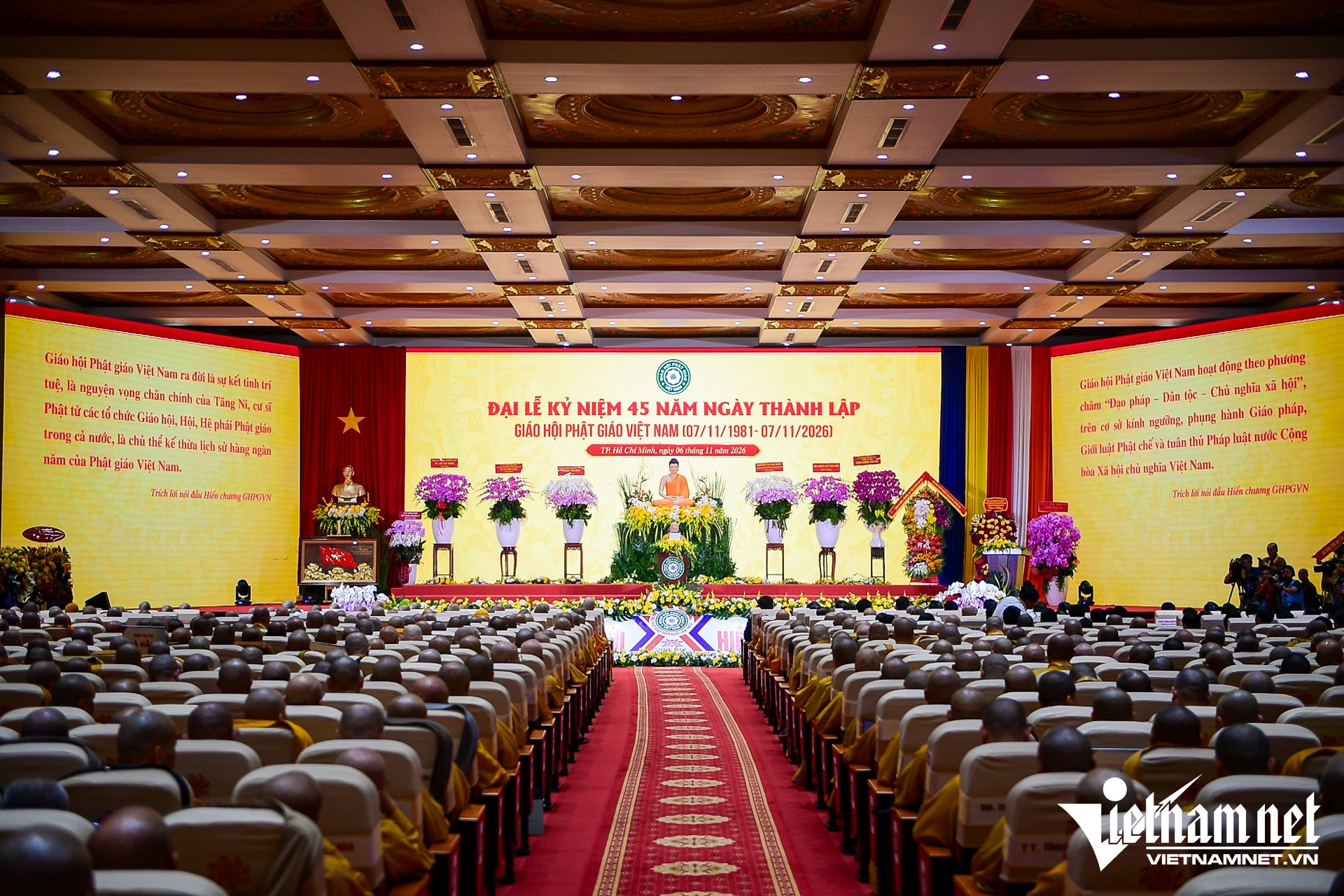
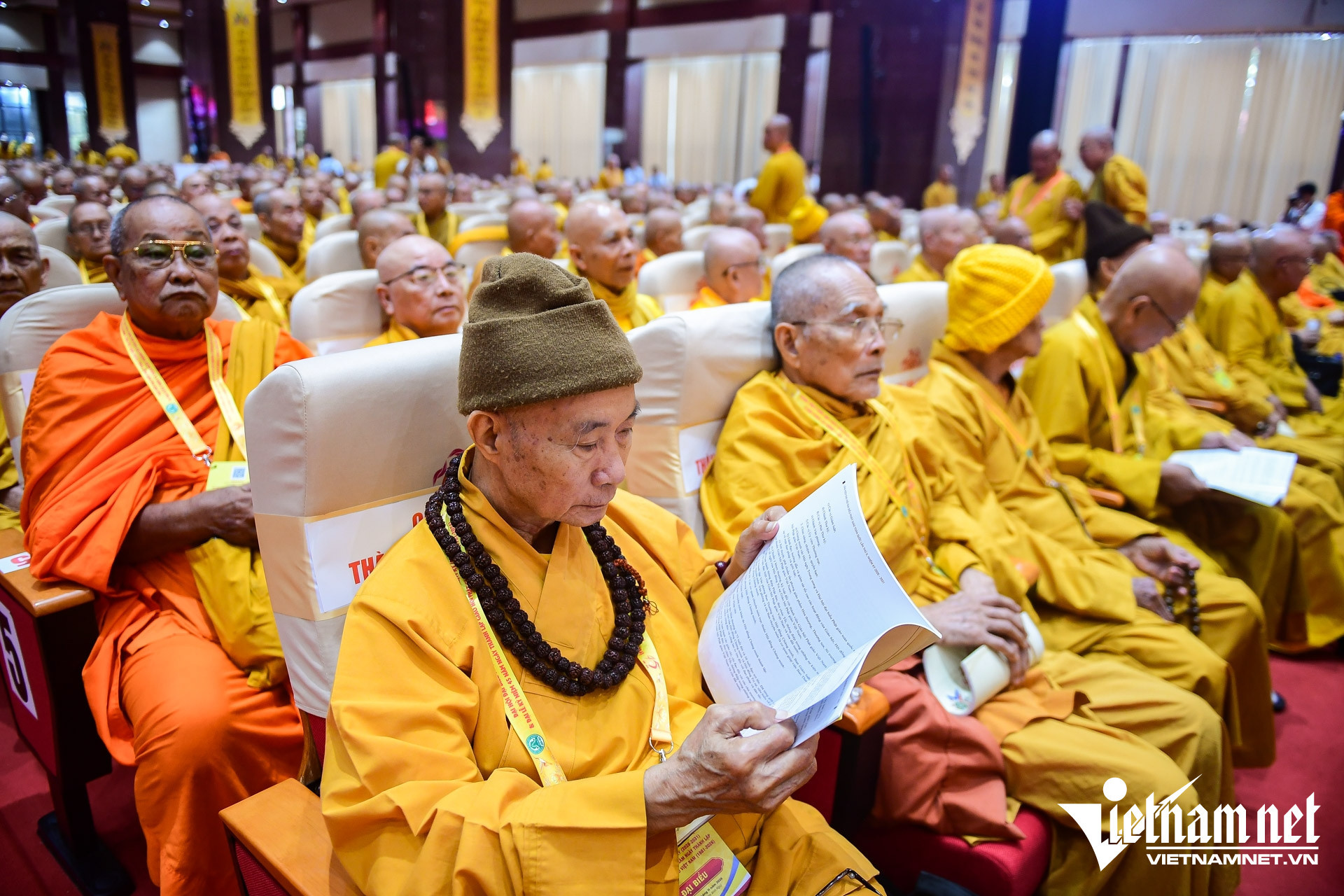
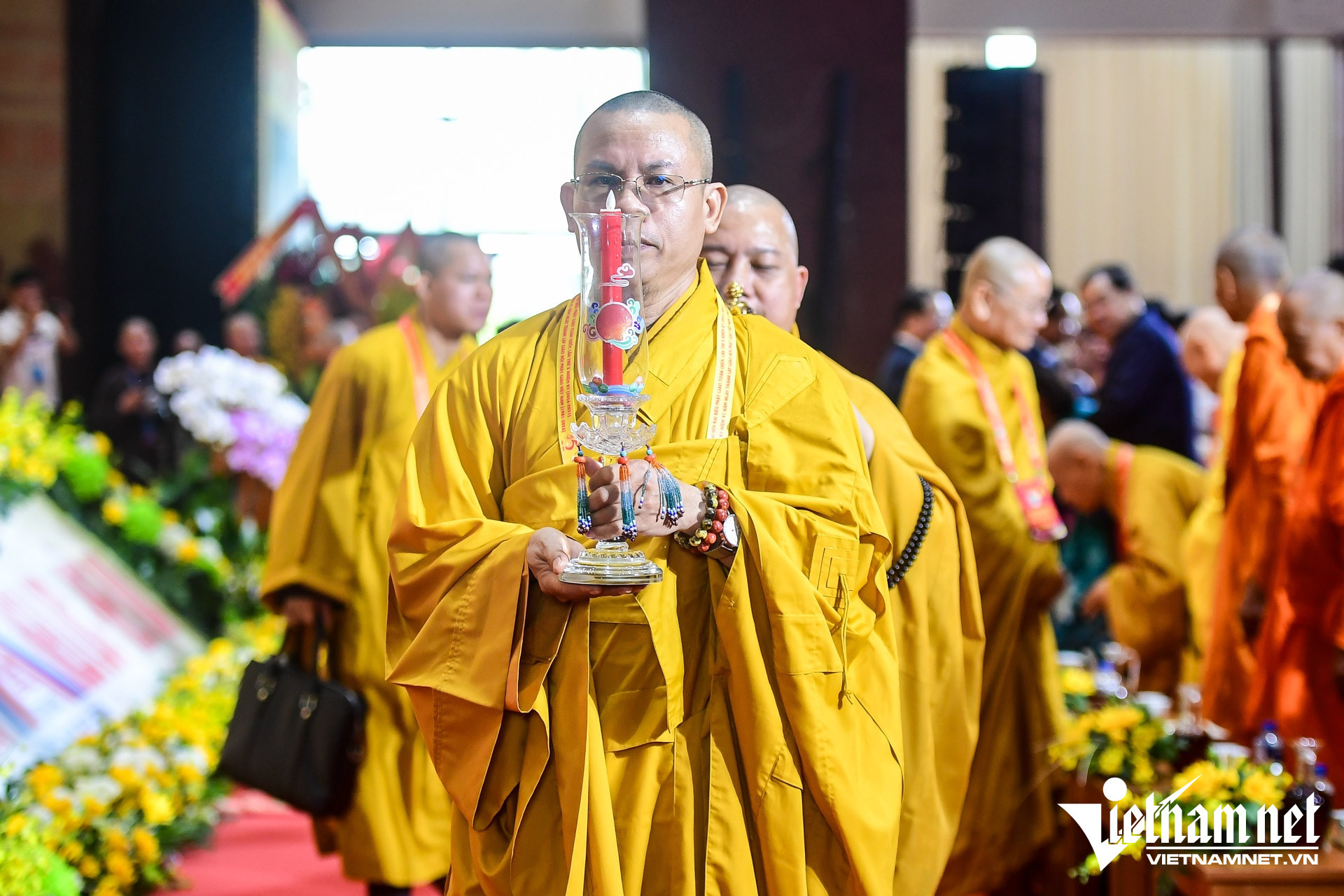
The Vietnam Buddhist Sangha (VBS) held a ceremony at the Vietnam Buddhist Academy in Ho Chi Minh City on November 6 to mark the 45th anniversary of its establishment (November 7, 1981 - November 7, 2026).
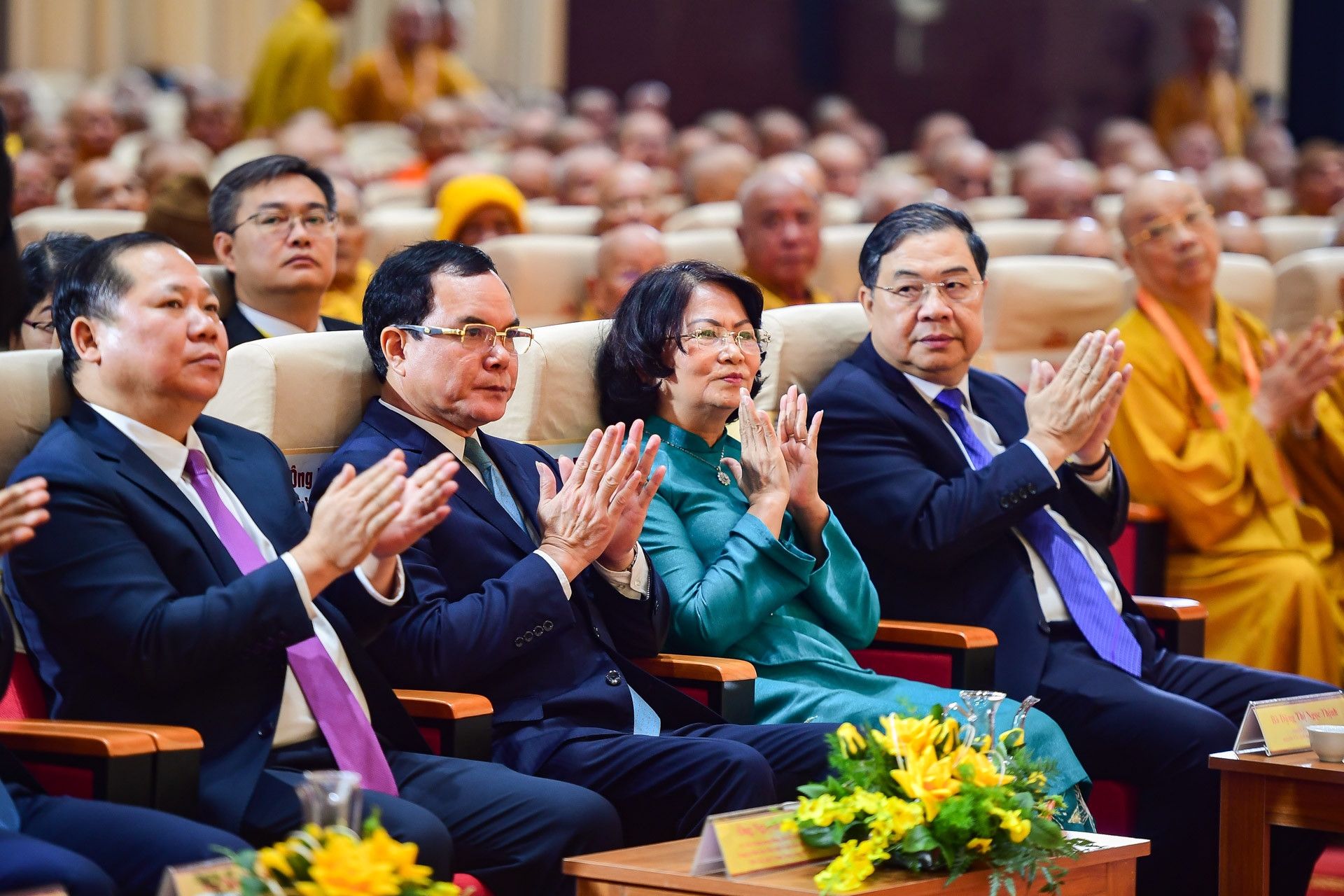
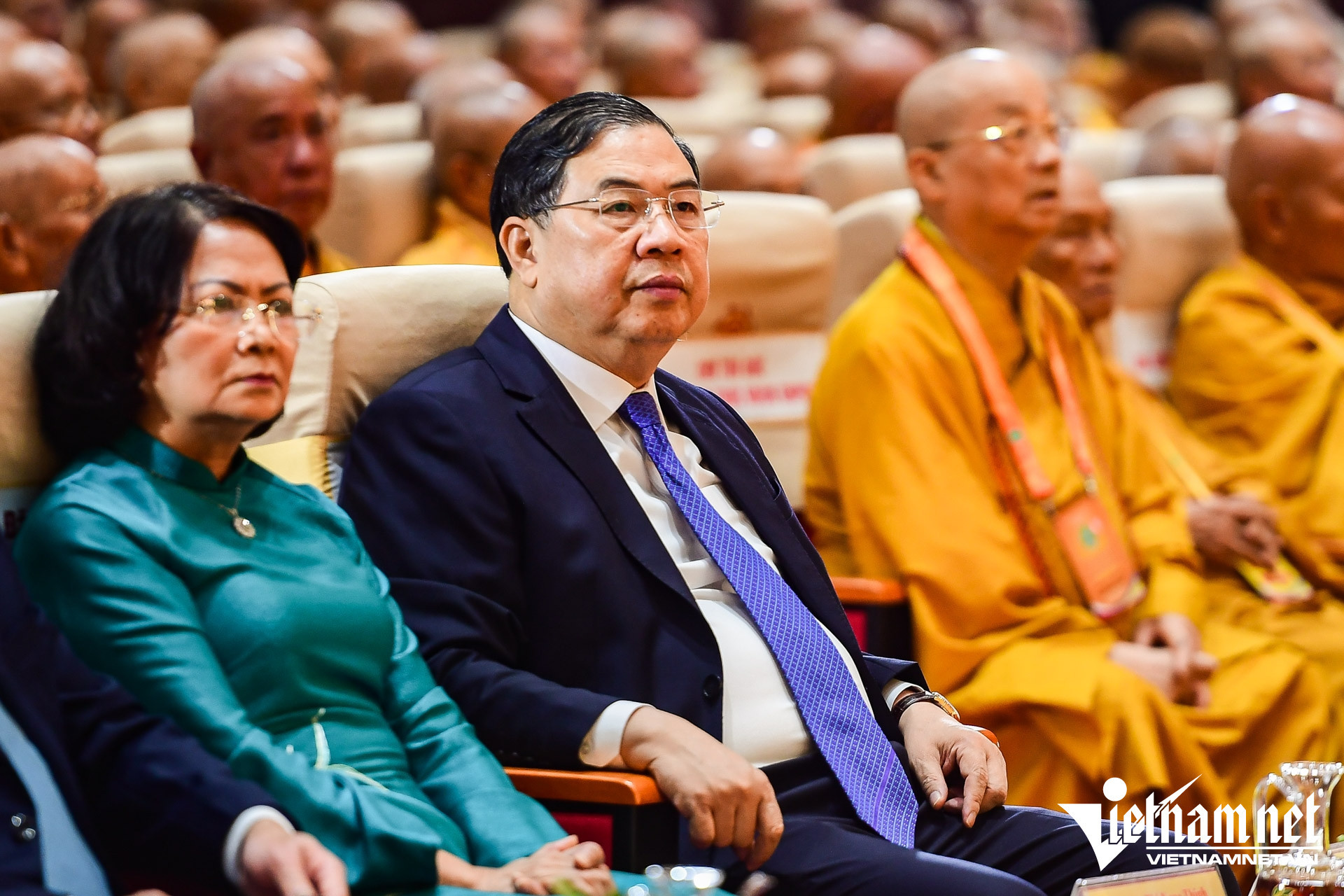
Attendees included Standing Deputy Prime Minister Pham Gia Tuc, Minister of Ethnic and Religious Affairs Nguyen Dinh Khang, Vice Chairman of the Vietnam Fatherland Front Central Committee Nguyen Phi Long, former Vice President Dang Thi Ngoc Thinh and Ho Chi Minh City People's Committee Chairman Nguyen Van Duoc.
The ceremony also brought together senior Buddhist dignitaries from the VBS Patronage Council and Executive Council, representatives of central ministries and agencies, Ho Chi Minh City officials, and large numbers of monks, nuns and Buddhist followers.
45 years of development alongside the nation
Addressing the ceremony, Most Venerable Thich Thien Nhon, Vice Supreme Patriarch of the VBS Patronage Council and Chairman of the VBS Executive Council, said the anniversary provided an opportunity for Buddhist monks, nuns and followers to reflect on the Sangha's history.
It was also an occasion to honor the contributions of previous generations of Buddhist leaders and express gratitude for the support of the Party, State and Vietnamese people.
According to Most Venerable Thich Thien Nhon, following Vietnam's reunification, the aspiration to bring different Buddhist organizations and traditions together under a unified national Sangha had been shared by generations of Buddhist practitioners.
From November 4 to 7, 1981, a national conference on Buddhist unification was held at Quan Su Pagoda in Hanoi, bringing together representatives of nine Buddhist organizations and traditions.
The Vietnam Buddhist Sangha was officially established on November 7, 1981, creating a unified organizational structure while preserving harmony among diverse Buddhist traditions and practices.
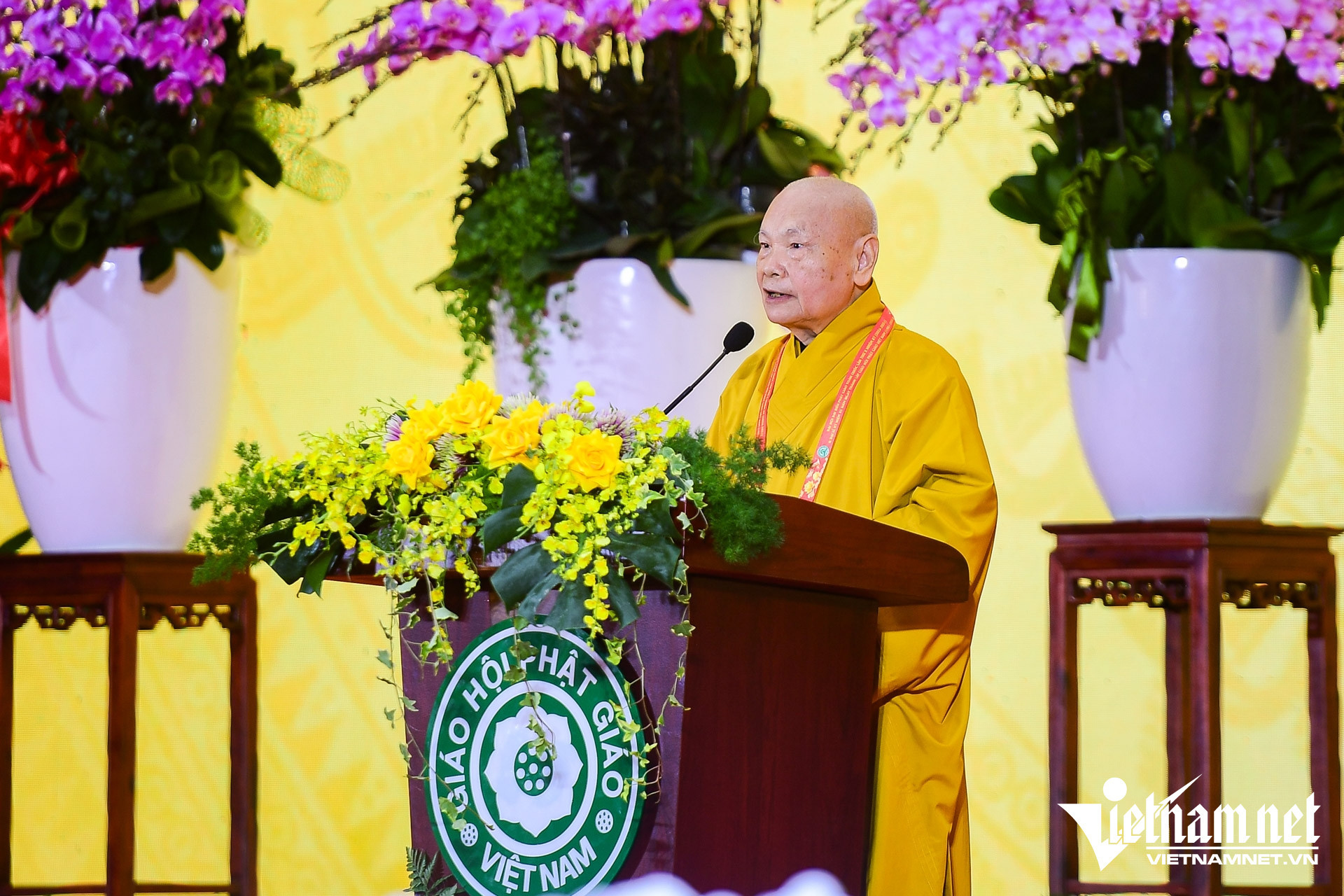
Over the past 45 years, the VBS has gradually strengthened its organizational system, reinforced solidarity among Buddhist traditions and expanded religious activities across numerous fields.
Education and training for monks and nuns have received particular attention through the Vietnam Buddhist Academy system and Buddhist educational institutions.
Activities involving the dissemination of Buddhist teachings, religious ceremonies, heritage preservation, restoration of pagodas and monasteries, communications and Buddhist research have contributed to safeguarding Vietnam's cultural identity.
Buddhist monks, nuns and followers have also supported communities affected by natural disasters and epidemics through charitable initiatives and social welfare programs.
In international relations, Most Venerable Thich Thien Nhon said the VBS has consistently sought to expand exchanges and cooperation with Buddhist organizations worldwide.
Vietnam has successfully hosted four United Nations Day of Vesak celebrations, including the 2025 event in Ho Chi Minh City.
Other significant religious events have included ceremonies welcoming the relics of Bodhisattva Thich Quang Duc and sacred relics of the Buddha brought from India to Vietnam.
These activities, he said, have helped strengthen the standing of Vietnamese Buddhism within the international Buddhist community.
"Throughout its 45-year journey, the Vietnam Buddhist Sangha has remained committed to the guiding principle of 'Dharma - Nation - Socialism,' carrying forward the tradition of protecting the nation and bringing peace to its people," Most Venerable Thich Thien Nhon emphasized.
He added that the Sangha has actively contributed to strengthening national solidarity and supporting the country's development and defense.
Four priorities for Vietnamese Buddhism in a new era
As the Vietnam Buddhist Sangha enters a new phase of development amid rapid global changes, it has identified four major priorities.
First, strengthening unity and harmony. The VBS will continue reinforcing solidarity among Buddhist traditions and schools while preserving unity in diversity, considering this a fundamental source of strength for the organization.
Second, improving Buddhist education and training. The Sangha will prioritize the education of monks and nuns, with religious discipline as the foundation, wisdom as the guiding pursuit and service to others as a central principle of action.
Third, modernizing Buddhist outreach and community engagement. The VBS aims to improve the dissemination of Buddhist teachings, provide guidance to followers and pay greater attention to younger generations.
It will also promote socially engaged Buddhism through participation in social welfare, environmental protection, climate change response and efforts to build healthy cultural communities.
Fourth, expanding international Buddhist cooperation. The Sangha will strengthen exchanges with Buddhist organizations worldwide, promote the distinctive identity of Vietnamese Buddhism and contribute to dialogue, harmony and peace.
Concluding his address, Thich Thien Nhon called on monks, nuns and Buddhist followers in Vietnam and overseas to deepen their religious practice, uphold Buddhist discipline and work together to build a strong and respected Sangha.
He encouraged them to contribute to building a prosperous, civilized and happy Vietnam.
"Every monk and nun should be an example of moral integrity and wisdom. Every Buddhist follower should be a positive influence within their family and society. Every pagoda should truly be a place that nurtures spiritual life, teaches ethical values and spreads compassion and kindness throughout the community," he said.
The VBS Executive Council Chairman also expressed gratitude to the Communist Party of Vietnam, the State, the Vietnam Fatherland Front, authorities at all levels, organizations and the Vietnamese people for their support over the past 45 years.
Phuoc Sang - Nguyen Hue

