 Vietnamnet.vn

 Podcast



Ha Nguyen
A side project becomes a livelihood
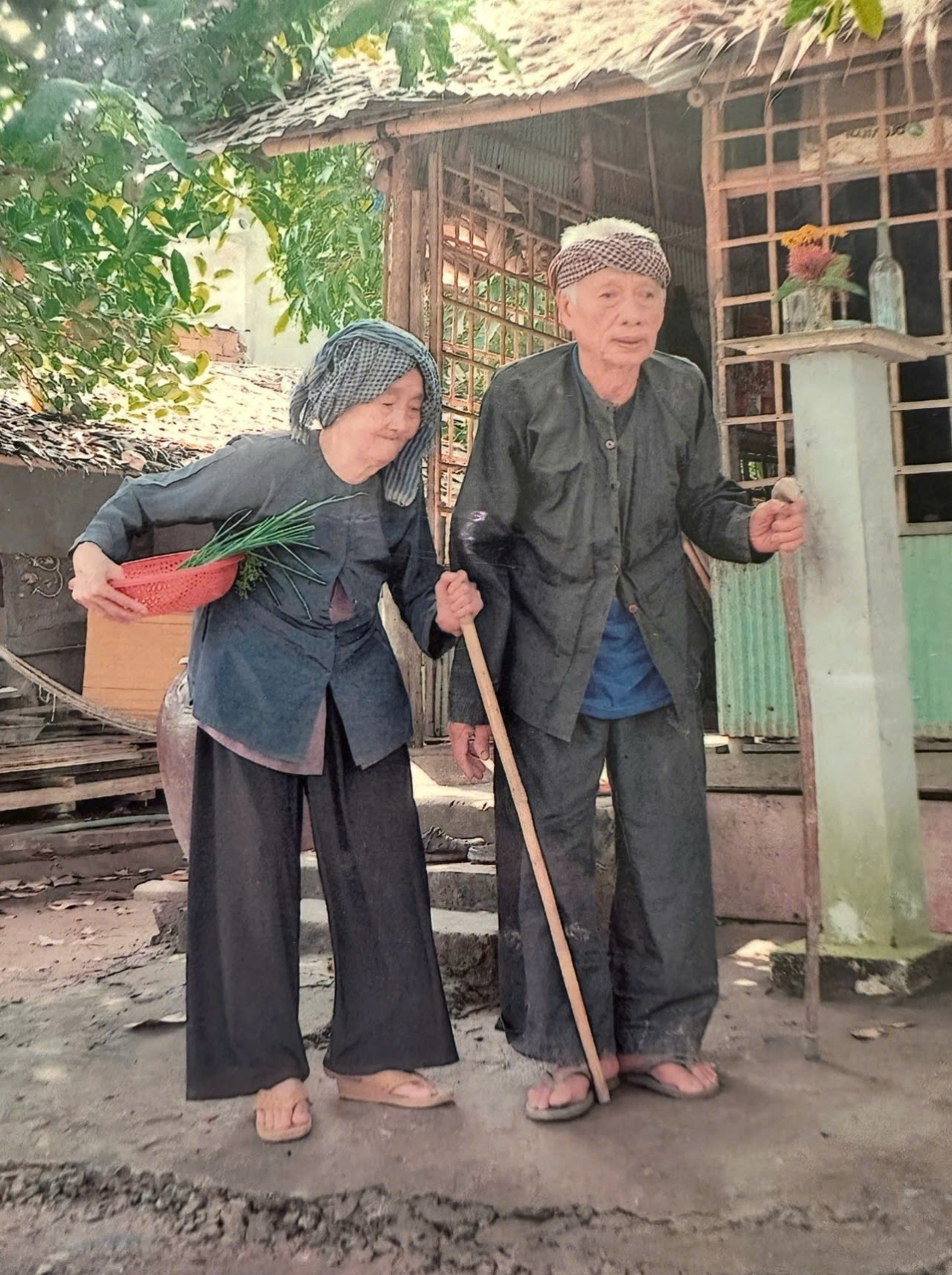
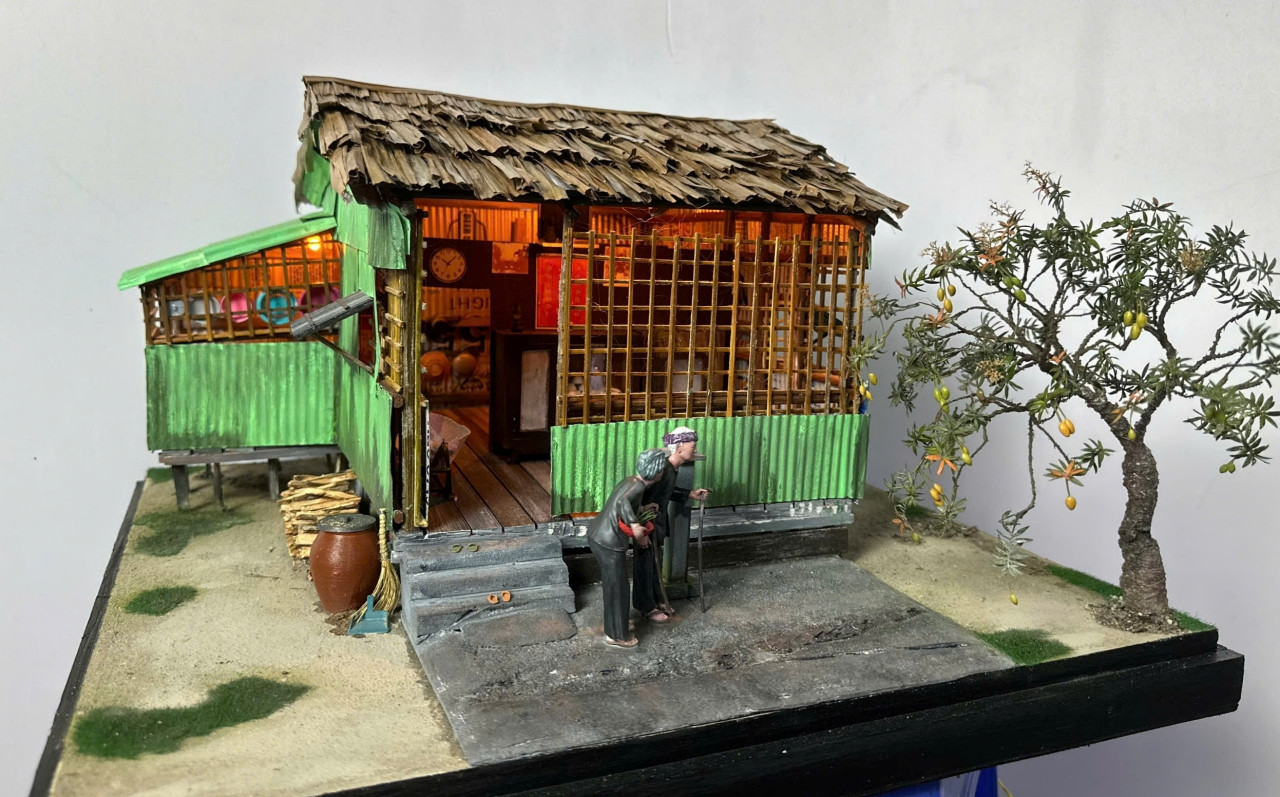
Holding a miniature model of an old house in her hands, Nguyen Thi Thanh Thao, born in 2004 and living in Lai Vung Commune, Dong Thap Province, could hardly believe what she was seeing. Despite being created from little more than an old photograph and her descriptions, the model looked strikingly like the real thing.
It was a miniature recreation of the former home of Thao’s great-grandparents. Known in the family for their kindness, the elderly couple had many children and grandchildren, and their house would fill with people and laughter whenever the extended family gathered for celebrations.
“The small house with its thatched roof became an unforgettable part of our family’s memories. That was why I wanted to have it recreated as a gift for my grandparents,” Thao said. “When my grandfather received the model of his parents’ old home, he was overjoyed. He showed it to everyone in the neighborhood and even built a shelf for it inside the house so he could sit and look at it at night. Everyone else loved it too. They said seeing the house was like seeing their childhood again.”
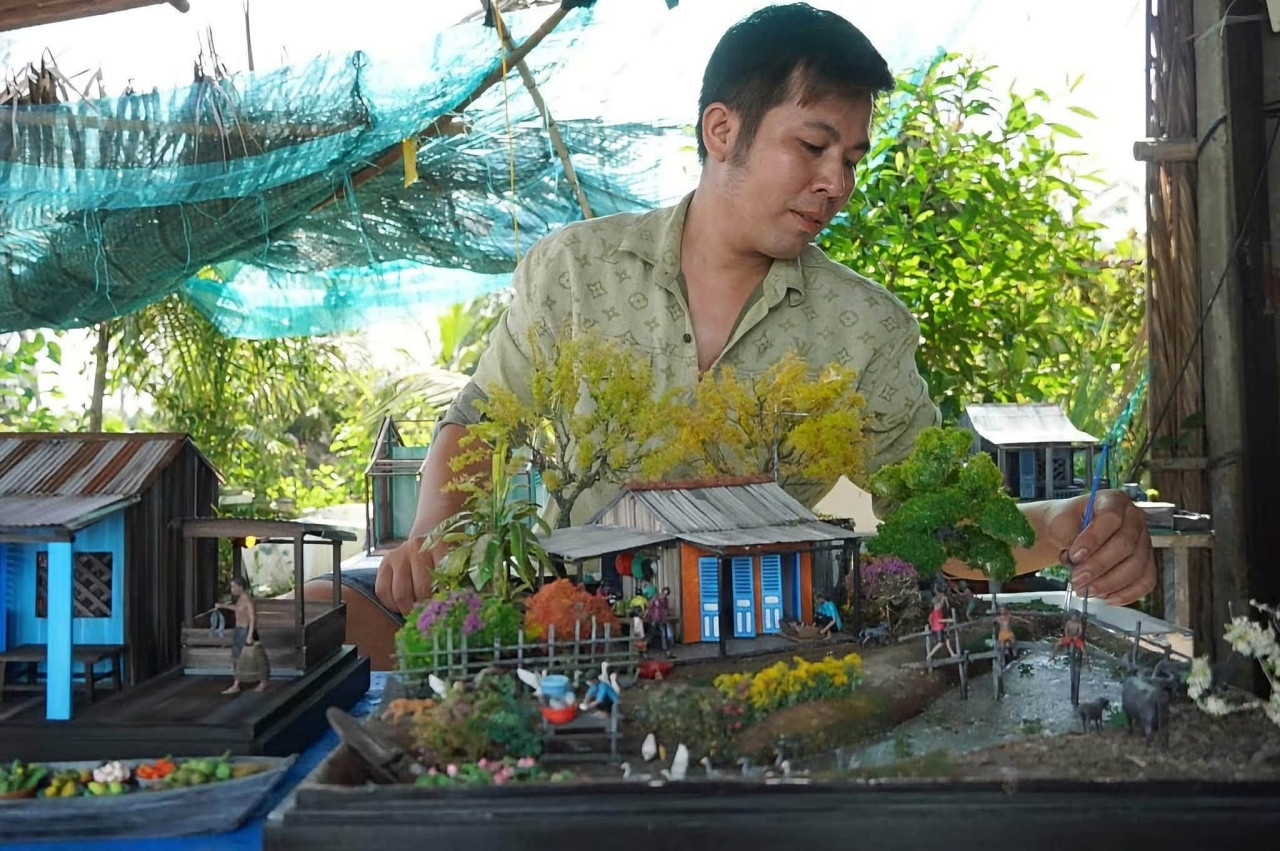
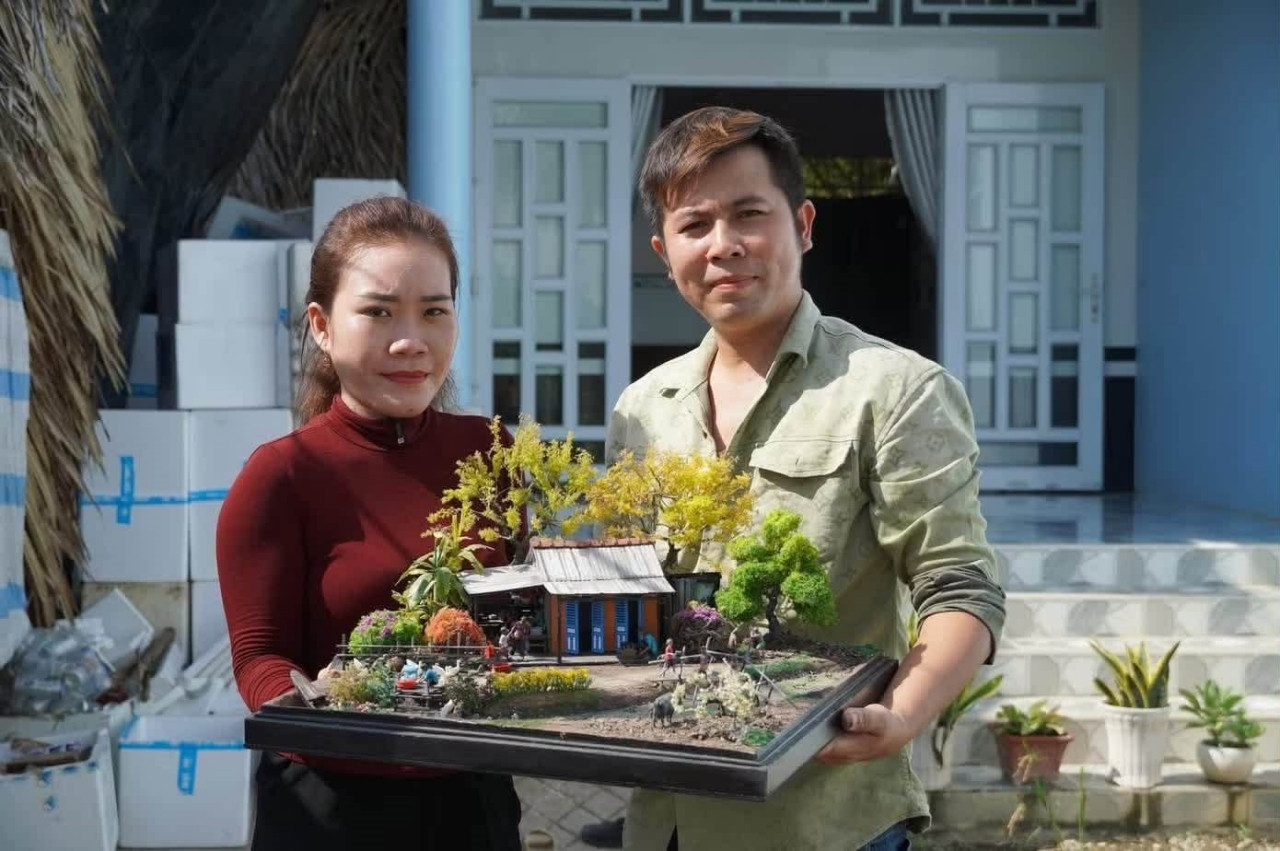
The craftsman behind the miniature is Tran Vu Truong, born in 1995 and now living in Nguyen Viet Khai Commune in the southernmost province of Ca Mau. He has been making miniature houses for four years.
Truong and his wife previously worked for a company in Dong Nai Province. When his wife returned to their hometown to give birth, Truong spent some of his free time browsing social media. One day, he came across someone making miniature houses and decided to try it himself.
Using materials readily available around him, including wood, paper, cardboard and discarded cans, he built a miniature version of his own family home in the countryside. He shared the finished piece with others and was surprised by the enthusiastic response, with people praising both its beauty and realism.
“After that, I started experimenting with models of houses typical of the Mekong Delta and posting them on social media. I never expected people to like them so much and start asking if they could buy them,” Truong said.
“Once I realized the work could generate an income, I kept learning and experimenting. As I gained experience, I developed techniques for making larger and more complicated miniature houses. In mid-2025, my wife and I decided to leave our factory jobs in Dong Nai and return home. We opened a workshop making miniature Mekong Delta houses, and we have been doing it ever since,” he added.
Tiny houses, powerful memories
At their home workshop, Truong and his wife painstakingly recreate the architecture and atmosphere of Vietnam’s Mekong Delta. Their miniature houses are often simple and familiar: weathered corrugated-metal roofs, green wooden shutters and rustic bamboo fences.
For larger pieces, Truong goes beyond the houses themselves, shrinking entire slices of everyday life in the riverine region into miniature form. Floating markets, fishing scenes, ferry landings and riverside shops all appear in his work, evoking the landscapes and rhythms of life familiar to generations of people in the delta.
Every model is made entirely by hand and passes through numerous stages, from building the frame and cutting and assembling individual components to shaping details and applying colors. Once completed, the pieces are designed not only to look polished but also to feel remarkably alive.
Alongside models created from his own imagination, Truong accepts commissions from customers who want long-lost family homes recreated in miniature.
Customers can send photographs or simply describe the house they remember. Truong then works from those details to reproduce the building as closely as possible. The resemblance can be so striking that some customers have been moved to tears when they receive the finished model.
For them, Truong said, the miniature is more than an object. It can bring back a childhood home that no longer exists, along with memories of the people and moments once contained within its walls.
Today, the couple typically make models measuring 40 by 50 centimeters, 60 by 60 centimeters or 80 by 80 centimeters, although they also take custom orders. Depending on size and complexity, a piece can take anywhere from a single day to more than a month to complete.
Prices range from a few hundred thousand Vietnamese dong to more than VND40 million, or roughly $1,500.
“In recent years, more people have come to know my work,” Truong said. “Besides customers in Vietnam, I now receive orders from the United States, South Korea, Taiwan, Malaysia and Australia. “This work brings my wife and me an income of around VND30-50 million a month, with annual revenue approaching VND500 million,” he said, equivalent to roughly $1,100-$1,900 a month and nearly $19,000 a year.
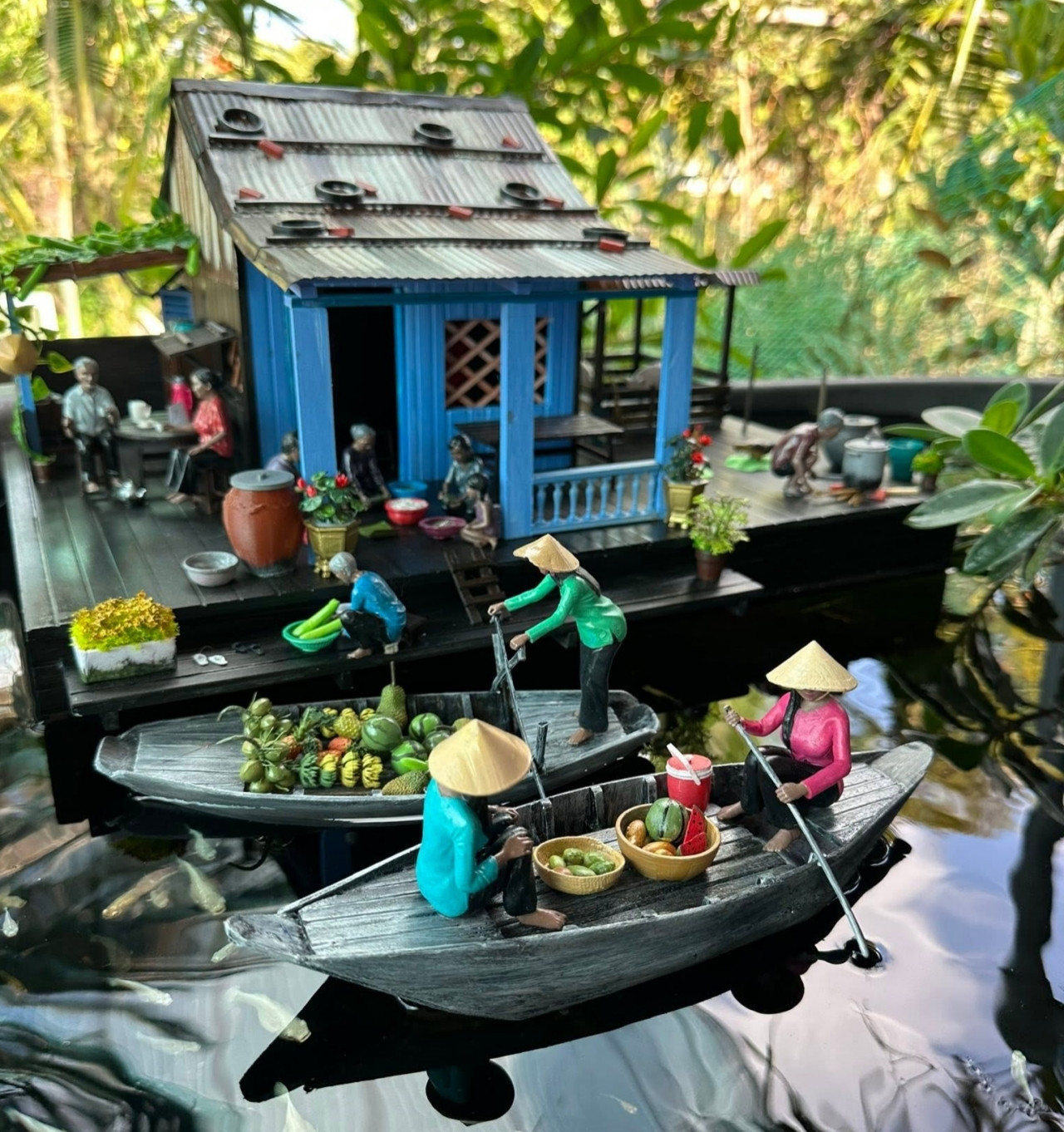
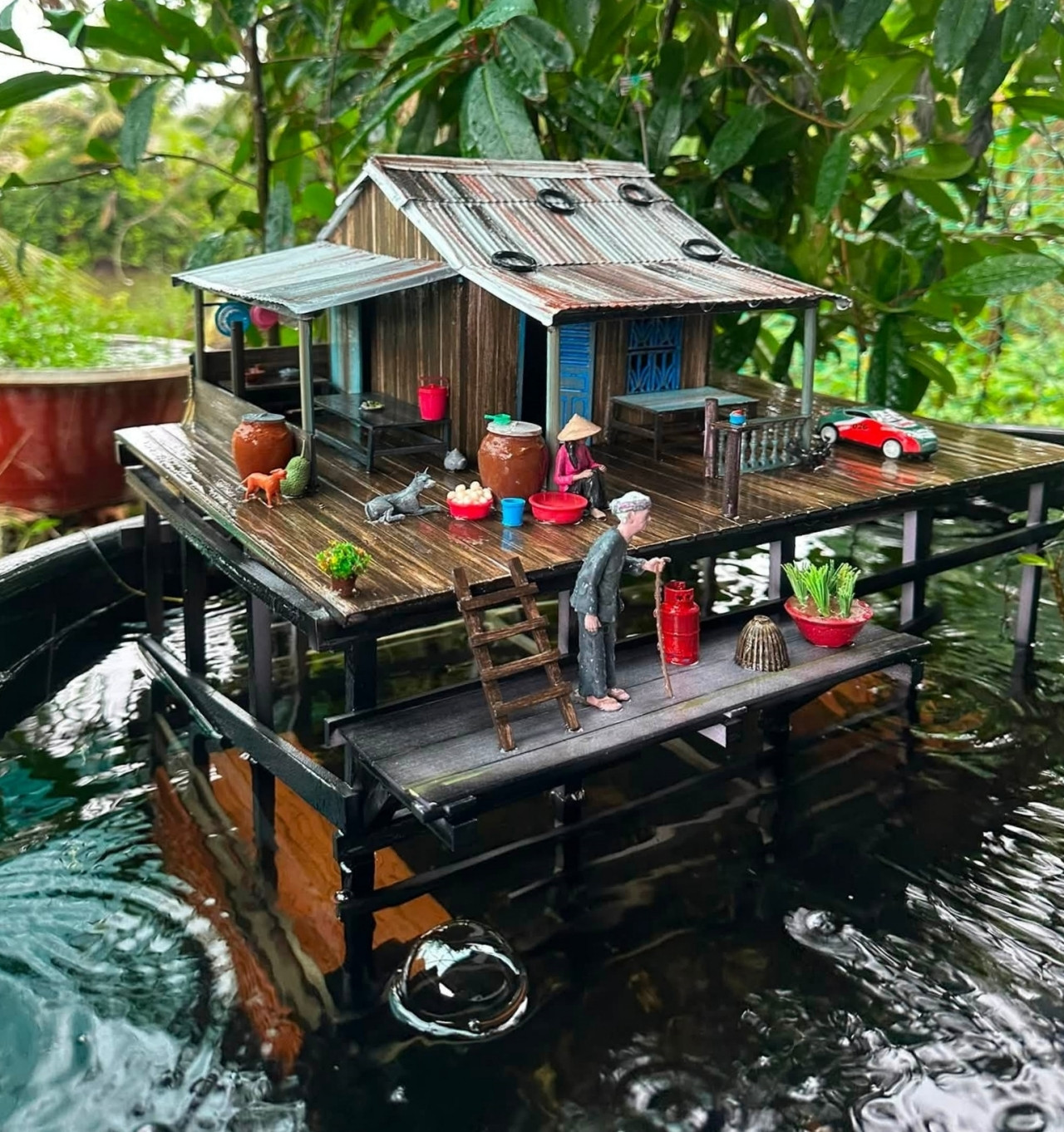
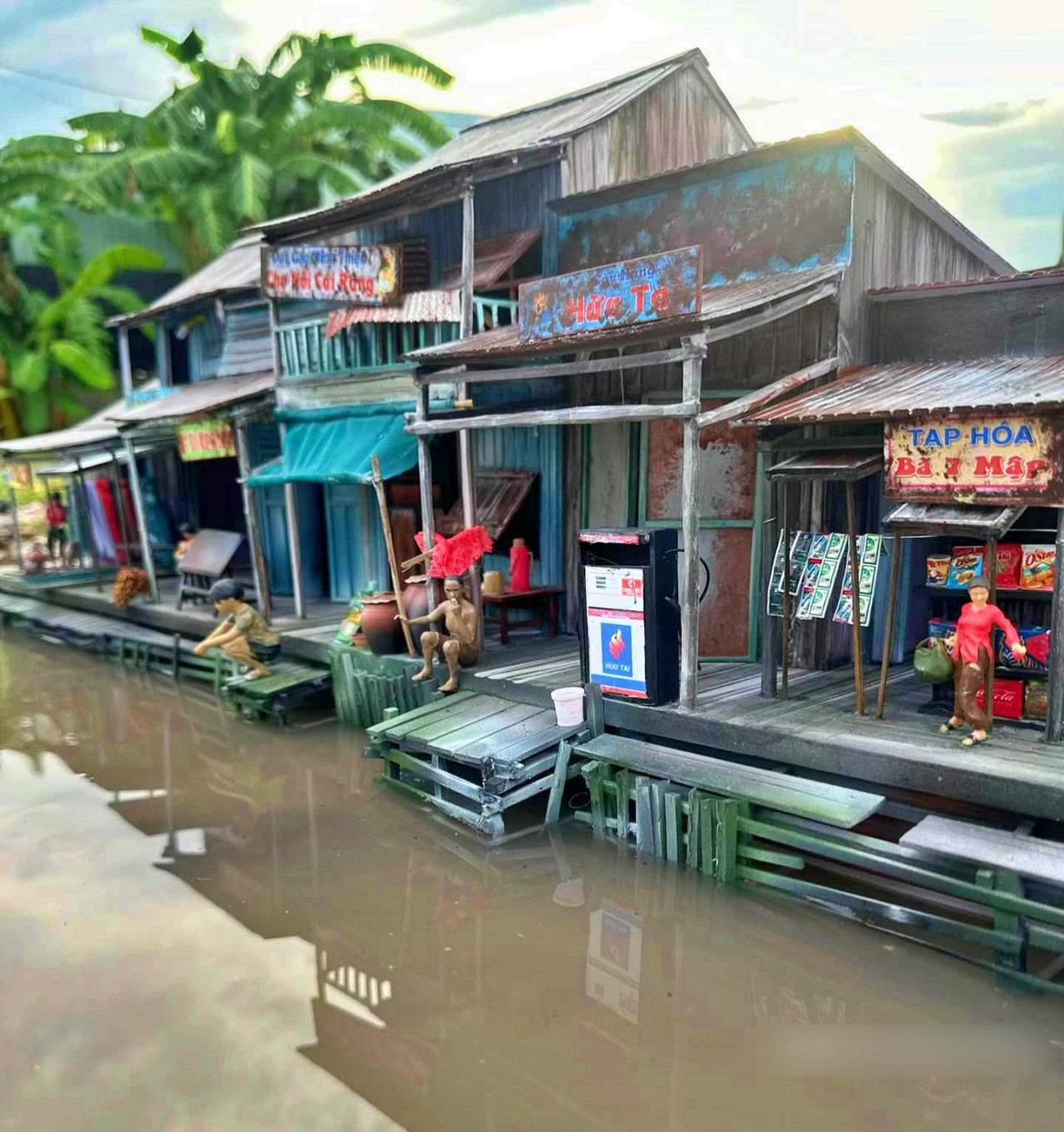
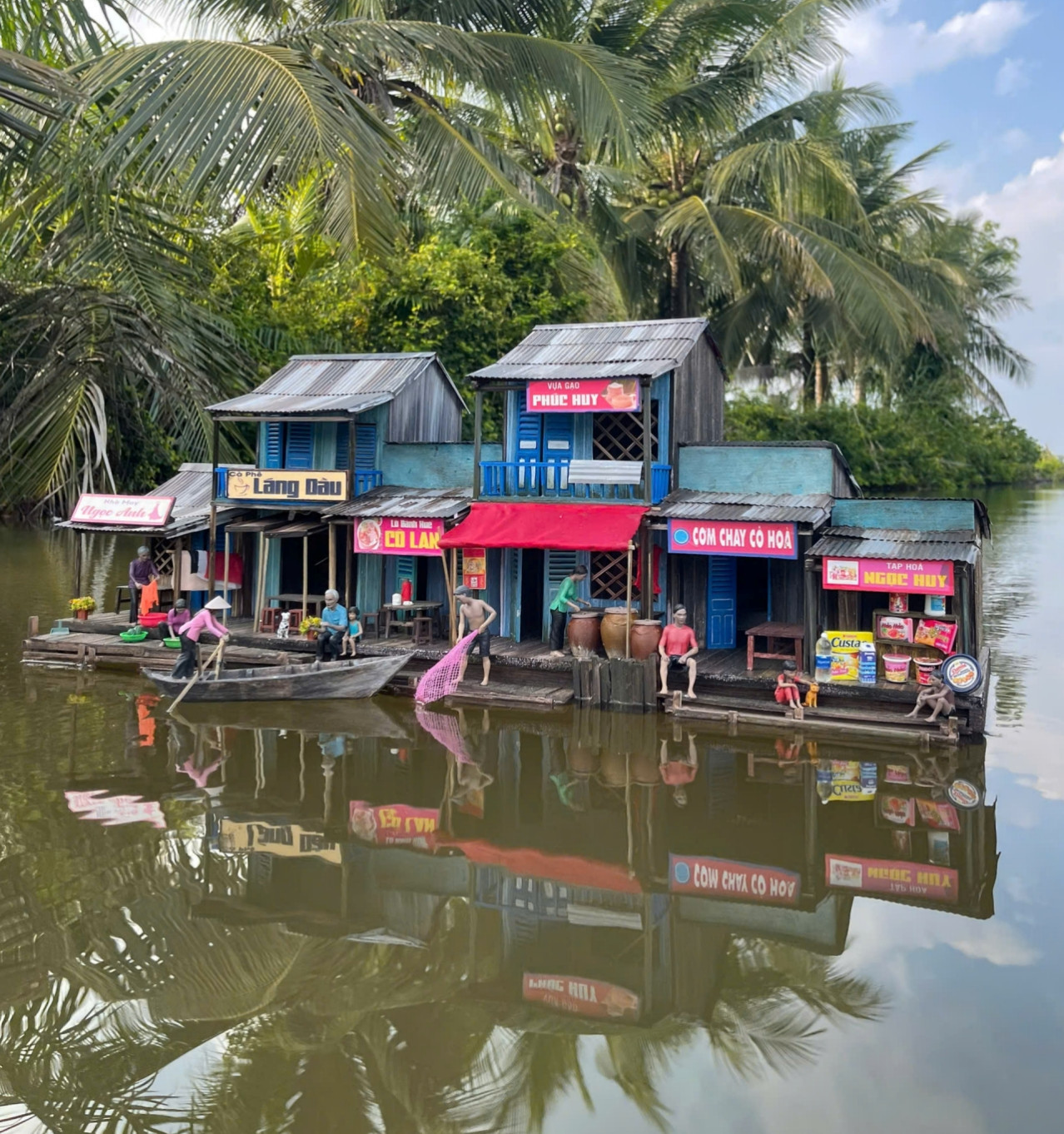
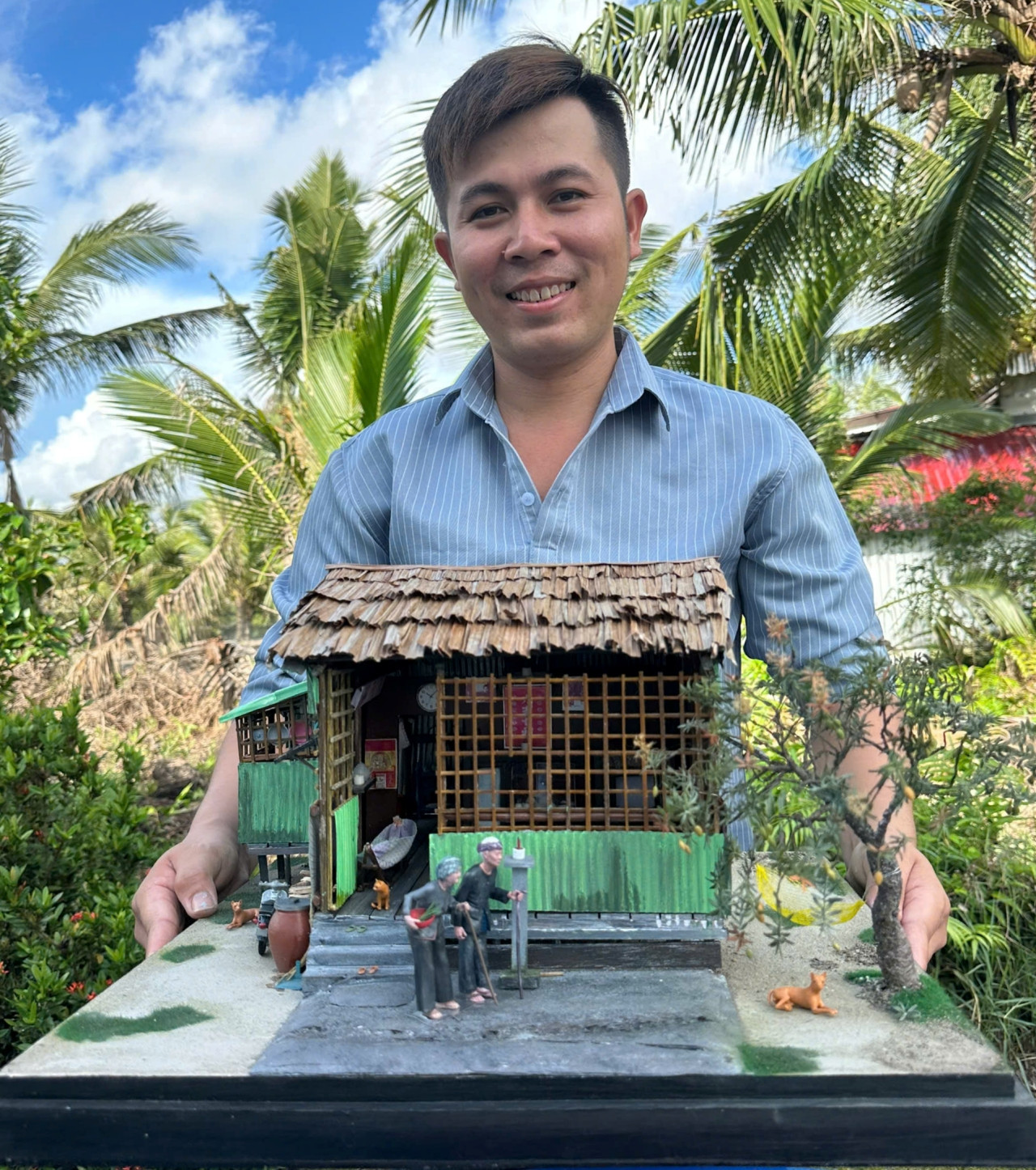
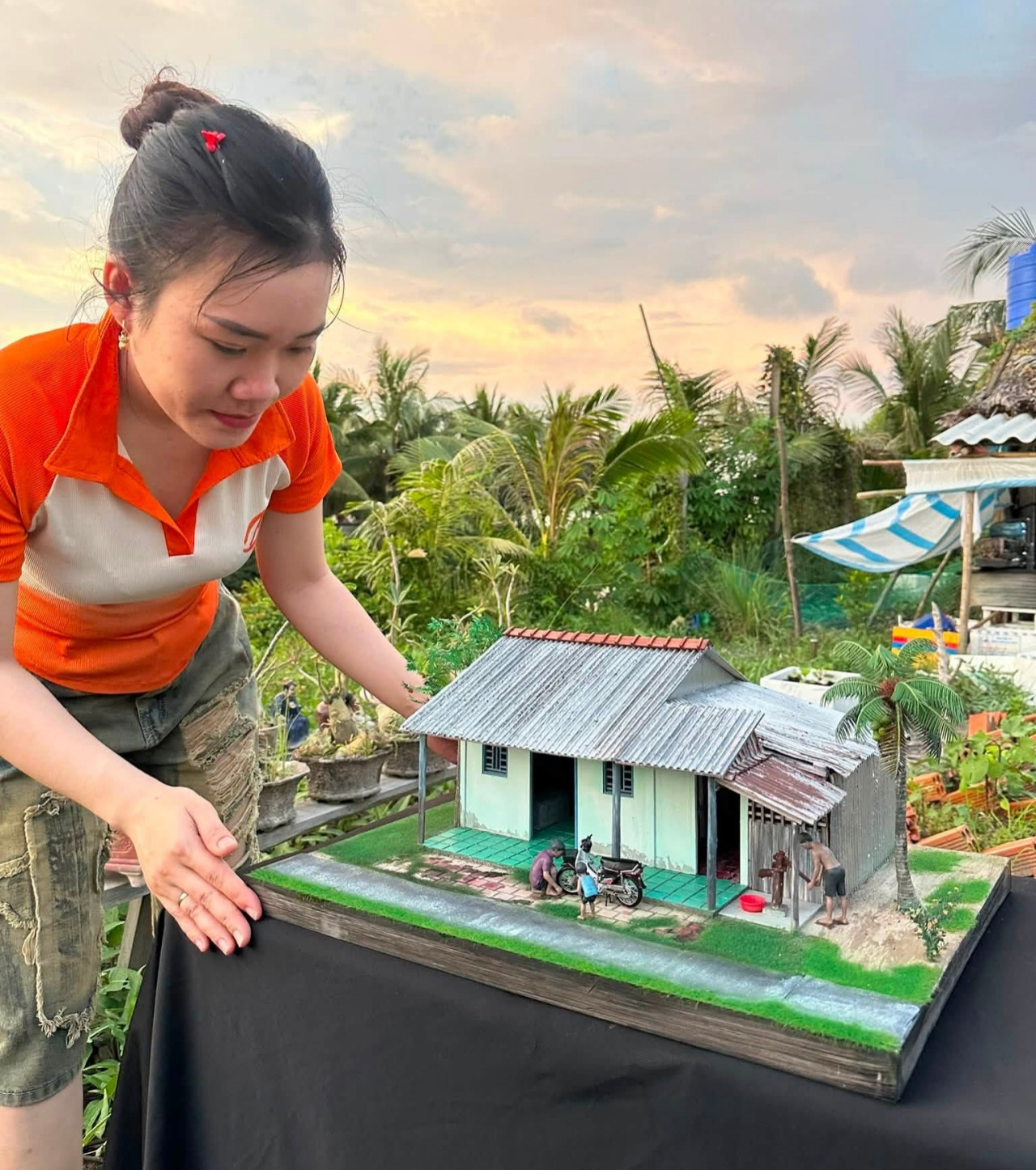
Photos: Courtesy of the characters
.svg)
