 Vietnamnet.vn

 Podcast


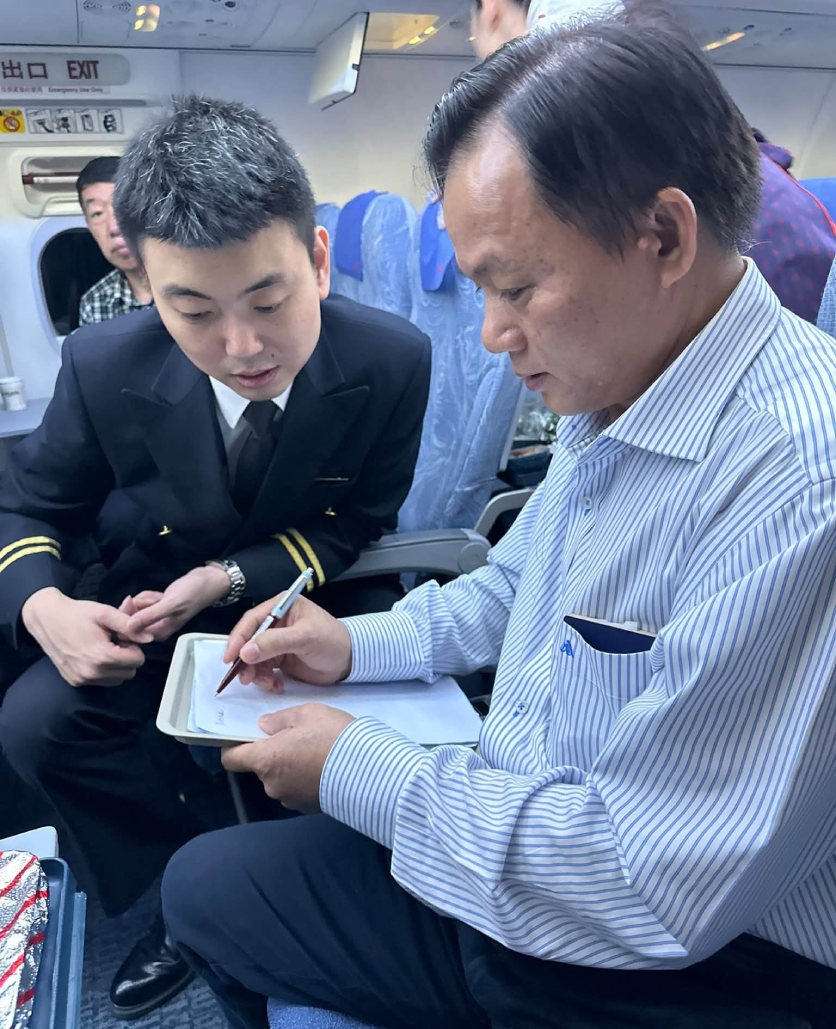
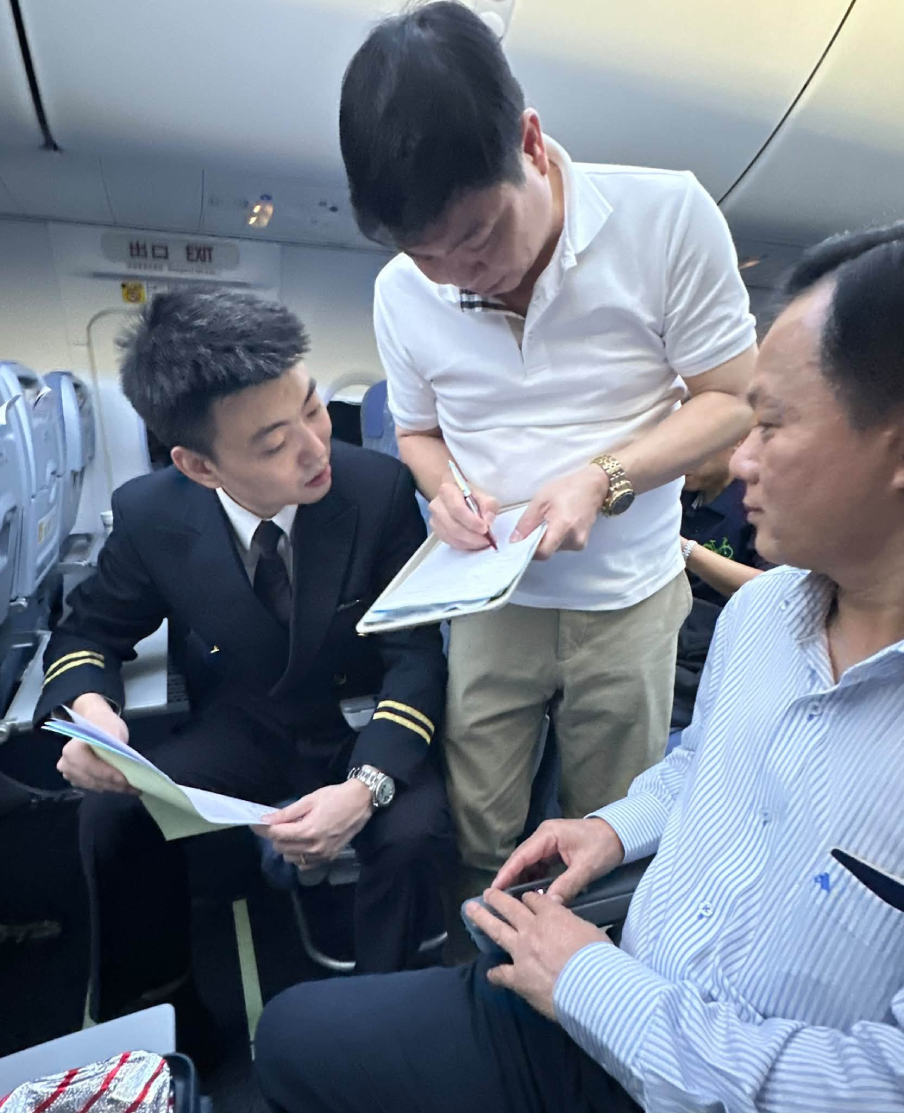
A Vietnamese-origin intensive care unit (ICU) nurse working in the US state of Maryland was already at his side.
Another Vietnamese doctor, Dr Phan Hai Thanh of Hue Central Hospital, was also aboard the aircraft.
The two doctors quickly identified themselves and their medical specialties before asking the chief flight attendant to bring the aircraft's emergency medical kit.
After helping the passenger lie on his back, the doctors checked his pulse, blood pressure and body temperature and conducted an abdominal examination.
His vital signs were stable, and the initial assessment revealed no indications of an acute surgical abdominal emergency.
Based on their examination, the doctors suspected left-sided renal colic, a condition commonly associated with kidney stones.
However, the aircraft's medical kit presented a challenge: it contained only oral medication and no injectable painkillers.
The doctors selected an appropriate oral pain reliever and continued closely monitoring the patient's condition.
Meanwhile, the passenger's wife repeatedly asked whether her husband's life was in danger and whether the pilots should make an emergency landing.
The doctors explained that their initial assessment had found no signs of an immediately life-threatening condition. However, they stressed that the patient needed continued observation and reassessment after 15–30 minutes before deciding on further treatment.
Approximately 30 minutes after taking the medication, the man's pain gradually began to subside.
He became more comfortable, remained fully conscious and was able to eat a light meal.
By the time the aircraft landed in Beijing, his pain had almost completely disappeared, and he was able to walk normally.
Thanks to the coordinated efforts of the two Vietnamese doctors, the ICU nurse and the cabin crew, the passenger's condition was brought under control, allowing the flight to reach its destination without an emergency landing.
Dr Phu said this was the second time he had assisted a foreign passenger experiencing a medical emergency during an international flight.
His first experience occurred more than a year earlier, aboard a Vietnam Airlines flight from Ho Chi Minh City to Paris, when he helped a French passenger who developed a health problem.
Although the two incidents involved different circumstances, both left him with unforgettable memories of the responsibilities medical professionals carry, even thousands of metres above the ground.
Phuong Thuy

