 Vietnamnet.vn

 Podcast



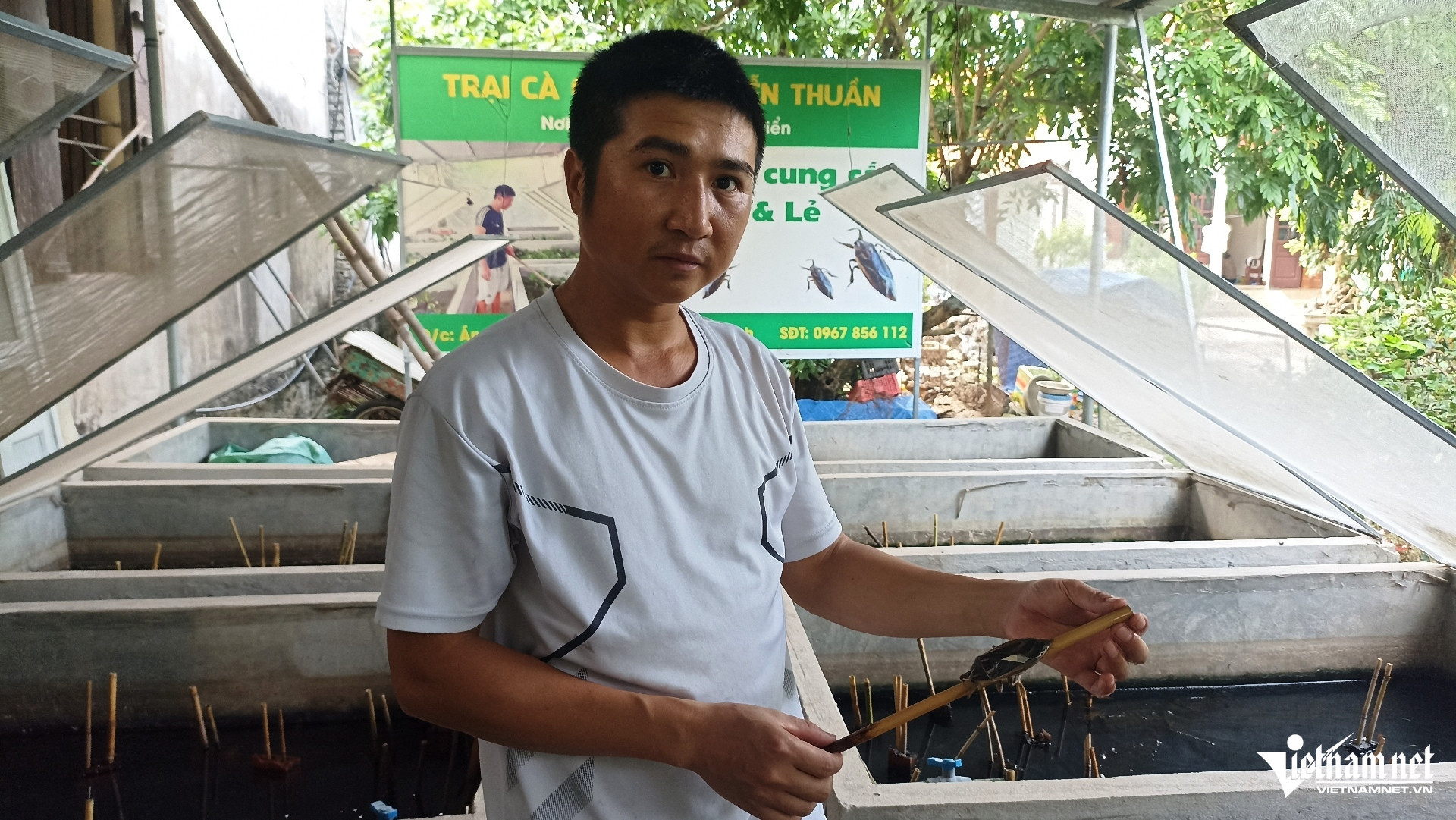
After losing almost all of his first breeding stock, Nguyen Duc Thuan has built a successful giant water bug farming operation in Ninh Binh Province, earning a stable profit of more than VND20 million (about US$770) each month.
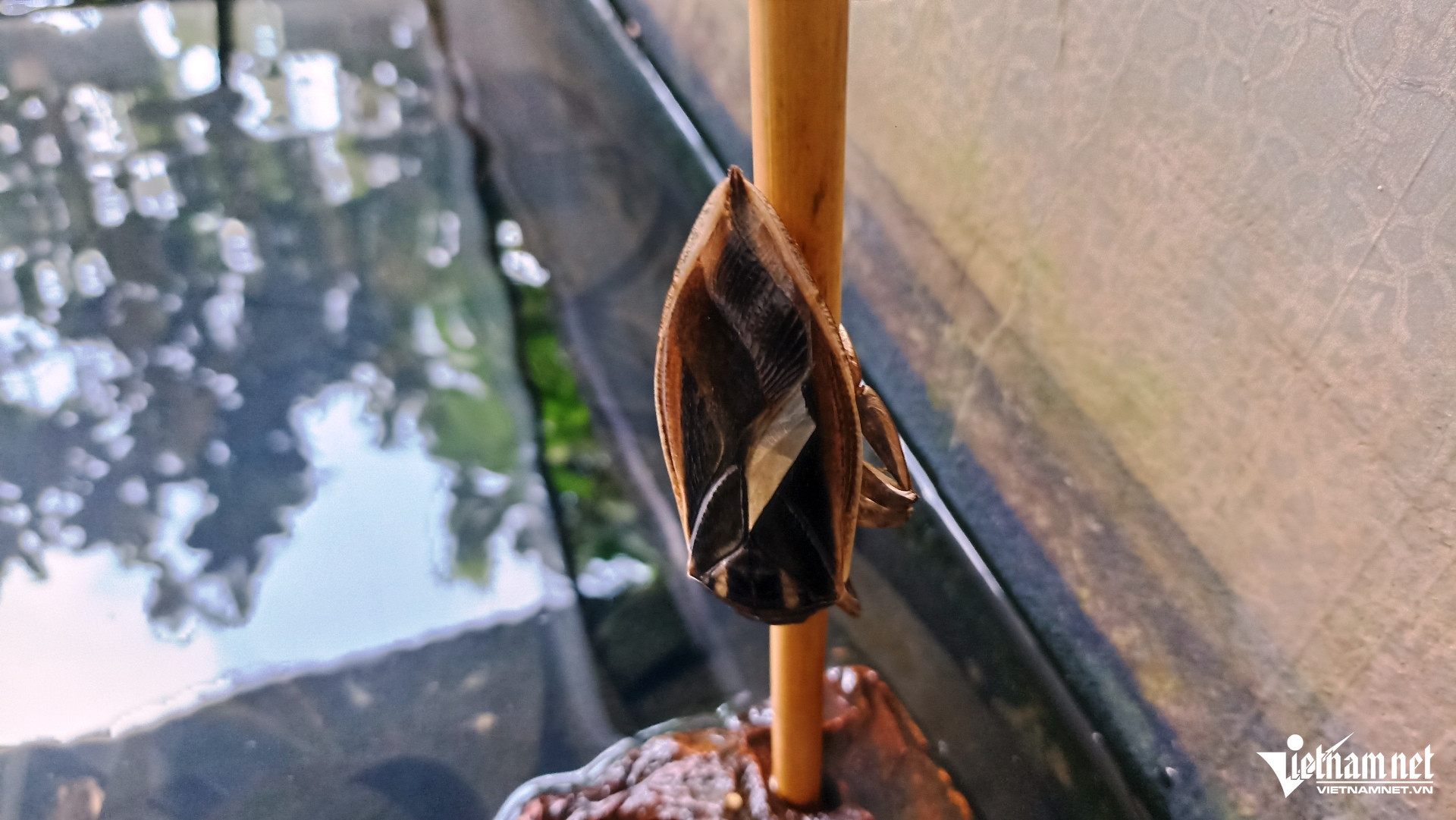
Born in 1990 and now living in Tay Hoa Lu Ward, Thuan previously worked a variety of manual jobs before deciding to pursue an unusual startup: breeding giant water bugs, aquatic insects that live in water but lay their eggs above the waterline.
Today, the business generates annual income of more than VND200 million (US$7,700).
Learning through failure
Thuan said he first became interested in giant water bug farming in 2021 after visiting a friend's home and seeing the insects being raised.
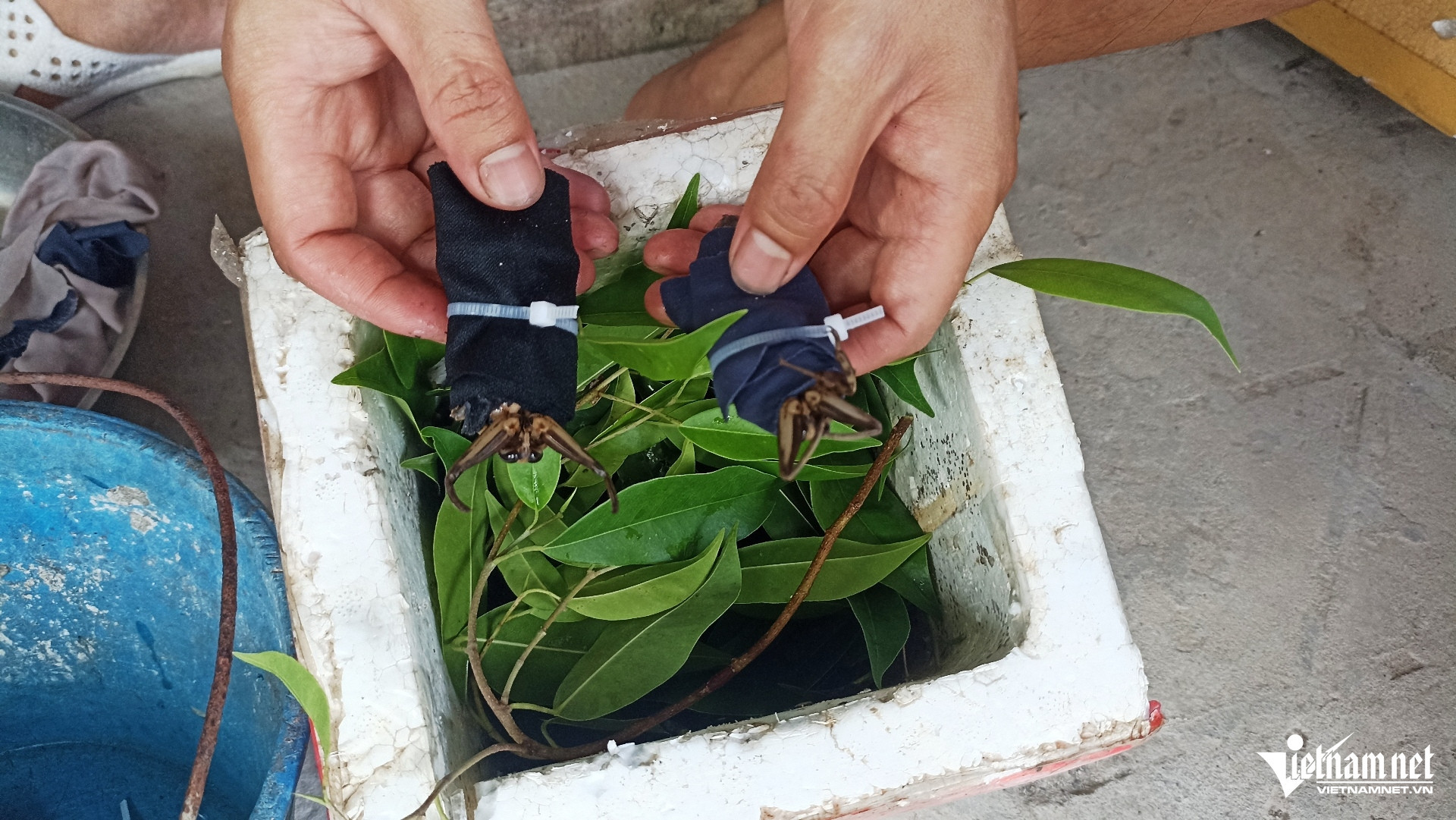
Inspired by the idea, he purchased 10 breeding pairs to begin his own farm.
"At first, I had very little experience and didn't fully understand their behavior," Thuan recalled. "Most of the insects gradually died, leaving only one or two pairs."
Rather than giving up, he bought another batch of breeding stock and continued experimenting with foam containers and lined tanks while learning from online resources and fellow farmers.
A niche market with growing demand
As he developed the farm, Thuan realized that wild giant water bugs have become increasingly rare because of environmental changes, while demand remains strong thanks to the insects' culinary value.
He believes the business offers an attractive option for people looking to start farming with relatively modest investment.
The life cycle from egg laying to market size takes about 2.5 months, by which time the insects have developed the aromatic oil for which they are prized.
Raising an insect that lays eggs on land
According to Thuan, the most challenging stages are incubating the eggs and raising the young insects.
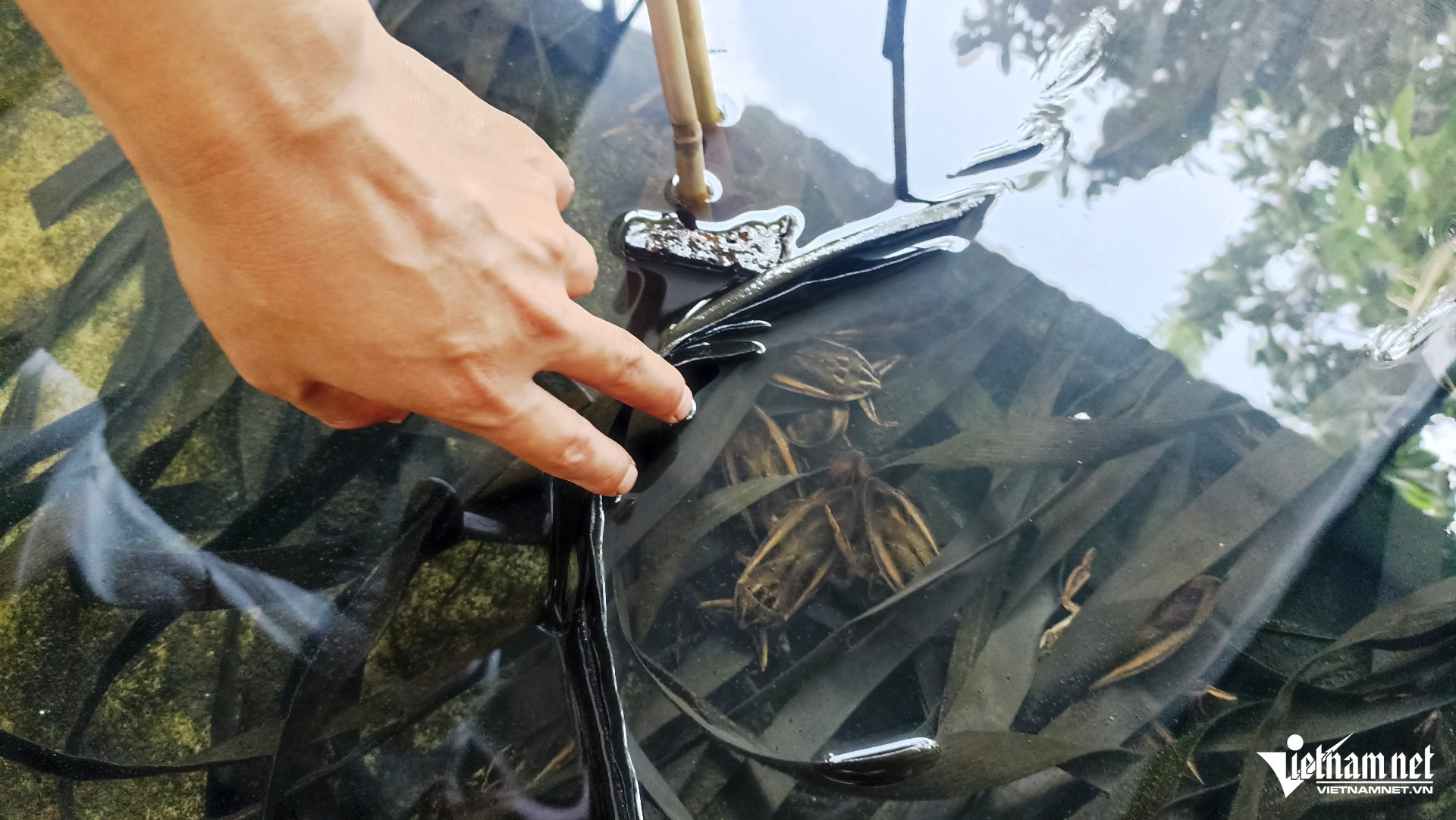
The cream-colored eggs, which resemble golden apple snail eggs, are guarded by the male giant water bug. They hatch after five to seven days, and the insects reach adulthood roughly 45 days later after five molts.
Although each breeding cycle produces many eggs, poor incubation techniques can result in significant losses.
Maintaining clean water and a proper diet is also essential. The insects are fed small fish, tadpoles and freshwater shrimp.
Farm density must be carefully managed to prevent the insects from attacking one another when food is scarce or becoming stunted due to overcrowding.
Expanding the business
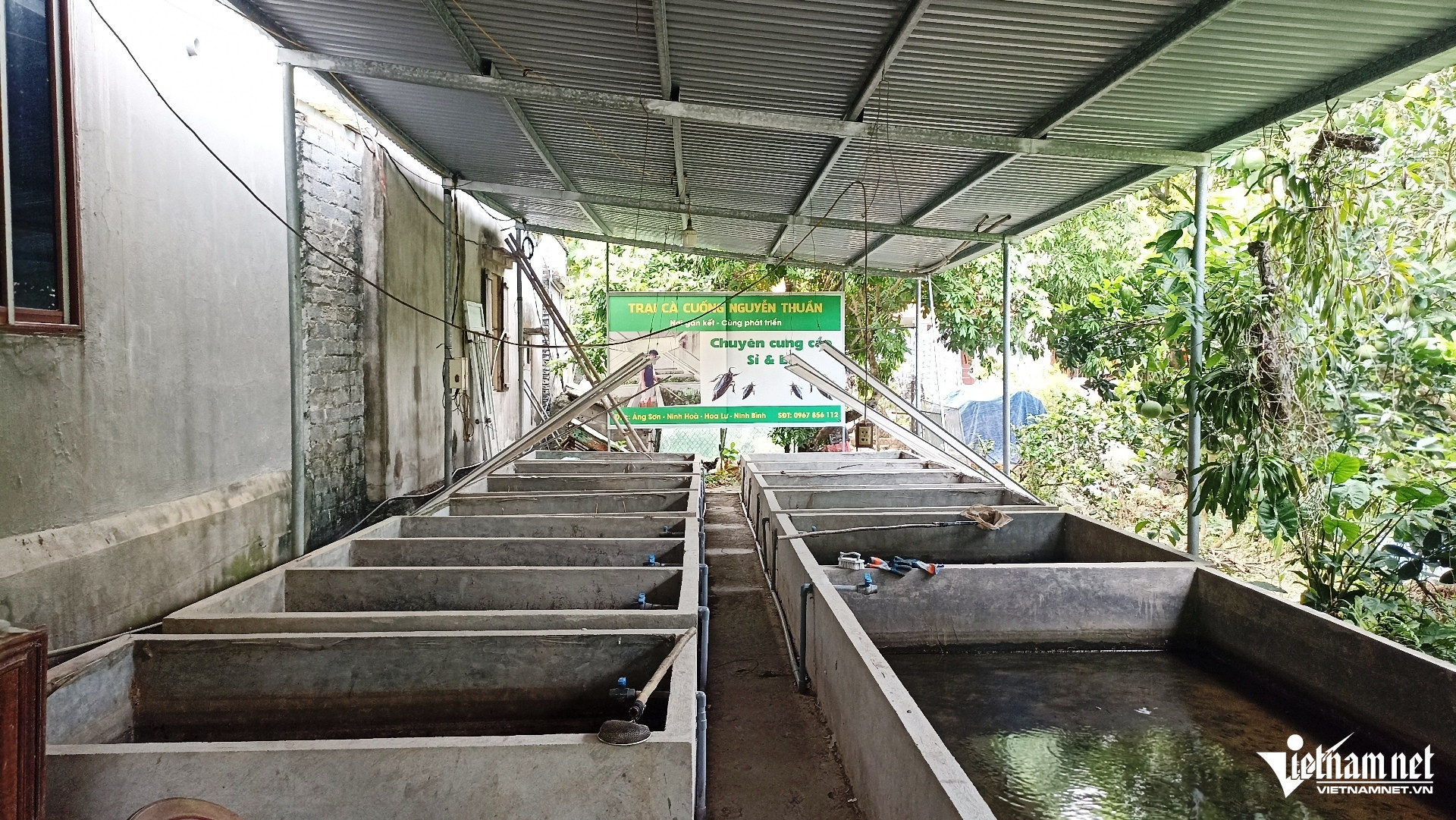
Thuan now operates more than 10 concrete tanks, each housing between 50 and 80 insects.
Separate tanks are used for breeding adults, eggs, juveniles and market-ready insects because female giant water bugs may destroy the eggs laid by other females.
The insects reproduce throughout the year, with the peak breeding season running from May to October.
His farm currently maintains more than 200 breeding pairs.
Each month, he supplies breeding stock, live giant water bugs, roasted giant water bugs, aromatic essence extracted from the insects, and fish sauce infused with giant water bug essence.
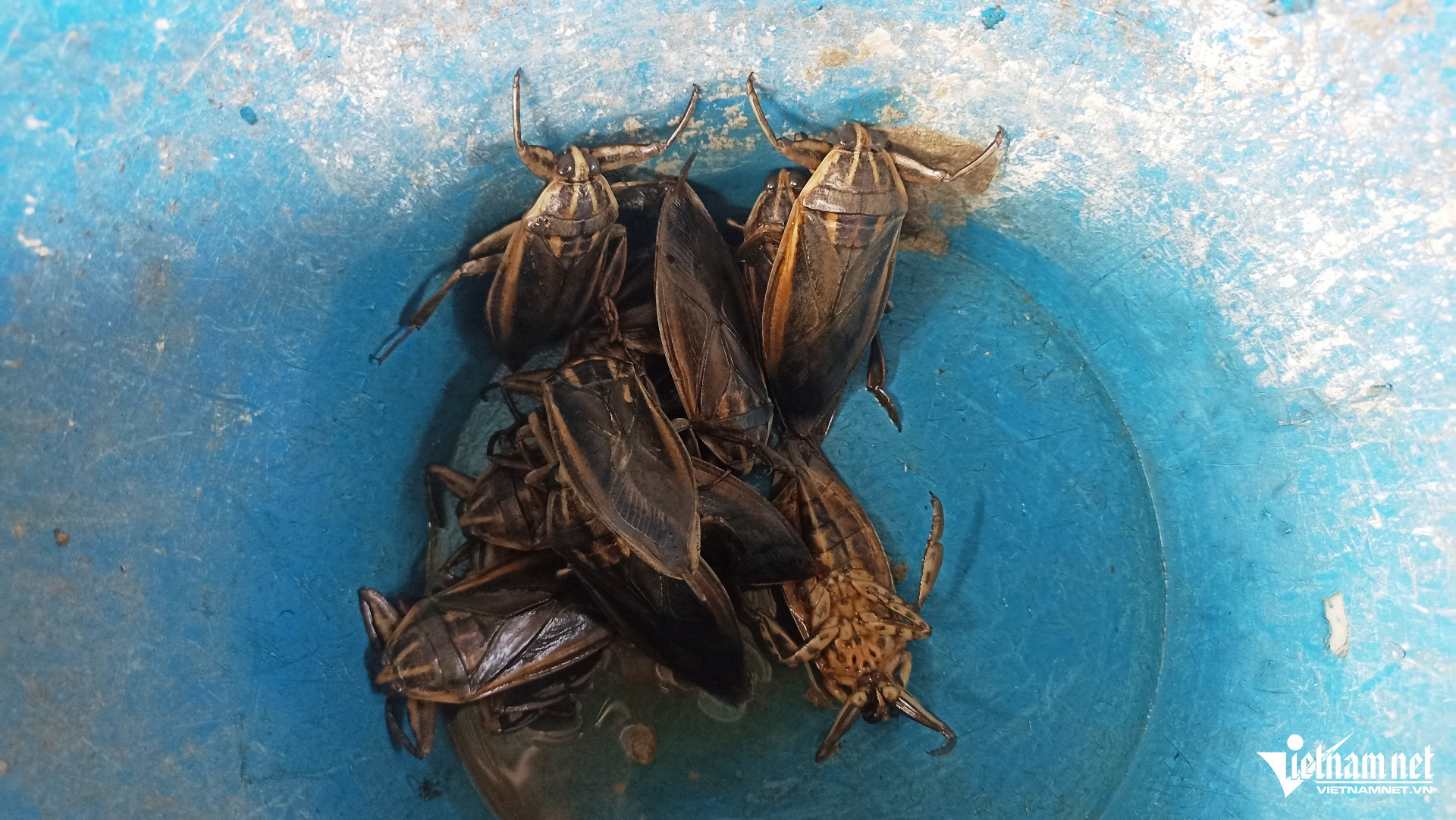
Market-size insects sell for about VND45,000 (US$1.70) each.
Demand exceeds supply
Beyond operating his own farm, Thuan also supplies breeding stock, provides technical guidance and buys products from other farmers in his growing network.
Even so, production still falls short of market demand, and his farm regularly sells out during peak periods.
Giant water bugs are among Vietnam's largest aquatic insects and have long been valued in Vietnamese cuisine for the distinctive aroma of the essential oil produced by adult males.
Tran Nghi
.svg)
