 Vietnamnet.vn

 Podcast



Born in 1996, Dao first earned a full Erasmus Mundus scholarship from the European Union shortly after graduating from university, allowing him to pursue a master’s program across four countries.
He later secured additional full scholarships to continue his postgraduate studies at Peking University and the Schwarzman Scholars program at Tsinghua University in China.
Across all institutions, Dao maintained outstanding academic performance, achieving a perfect GPA in the Erasmus Mundus program, receiving an Outstanding Academic Award at Peking University, and graduating with a 4.0/4.0 GPA at Tsinghua University.
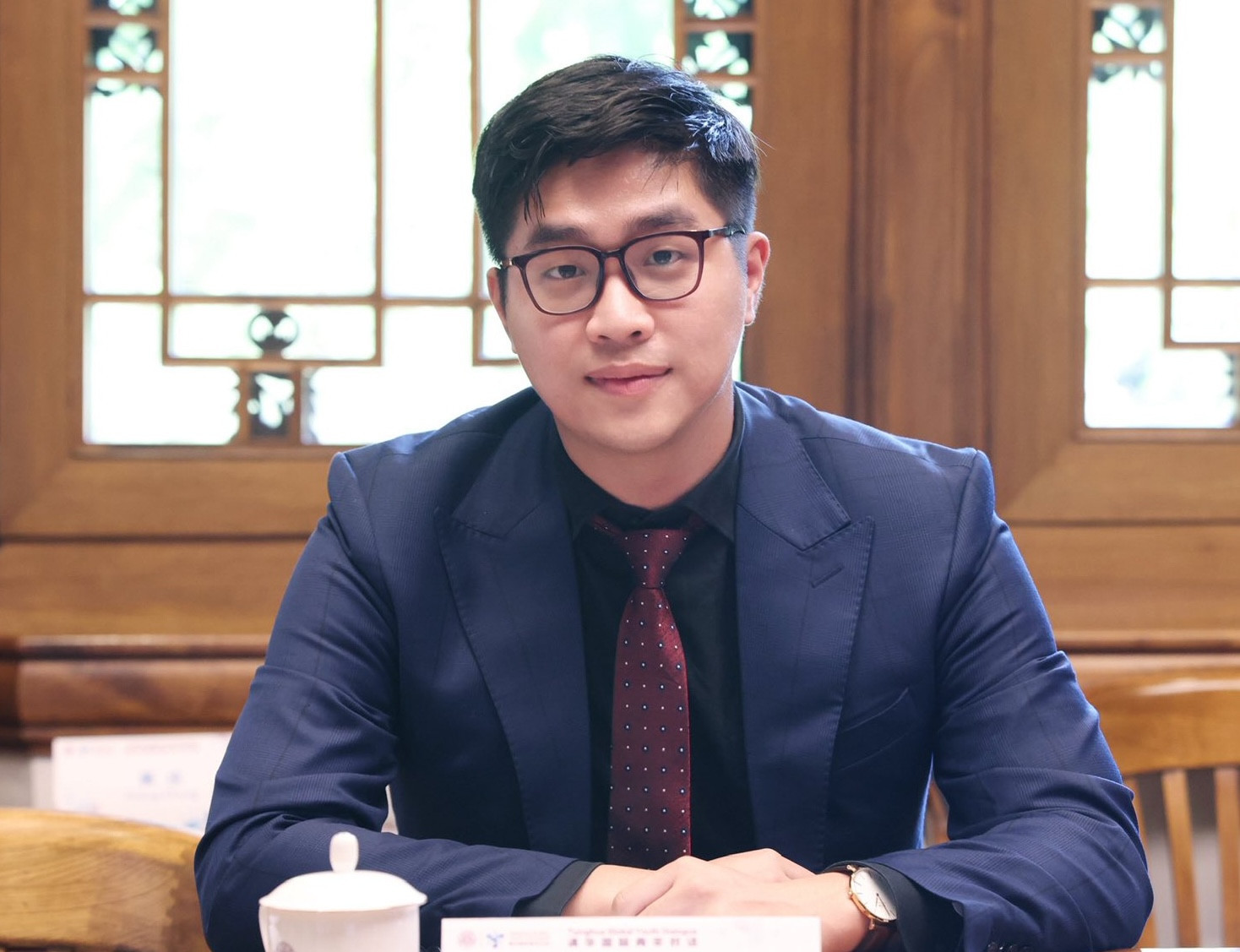
Despite these accomplishments, Dao views academic degrees not as a competitive advantage, but as a foundation for pursuing his research interests in heritage and urban environmental development.
At Peking University, his studies in China’s urban development policies deepened his interest in environmental aspects of urbanization. Later, conversations with faculty at the Schwarzman Institute led him to recognize Tsinghua University’s strengths in urban and emissions research, prompting him to continue his studies there.
By the end of 2025, after completing his master’s at Tsinghua, Dao moved on to a PhD program in Architecture at the National University of Singapore under a full ASEAN scholarship. His research focuses on participatory urban development, aiming to connect community voices with urban planners.
Even in highly competitive academic environments, Dao does not feel overwhelmed. Instead, he finds motivation in learning from leading professors and peers from diverse backgrounds.
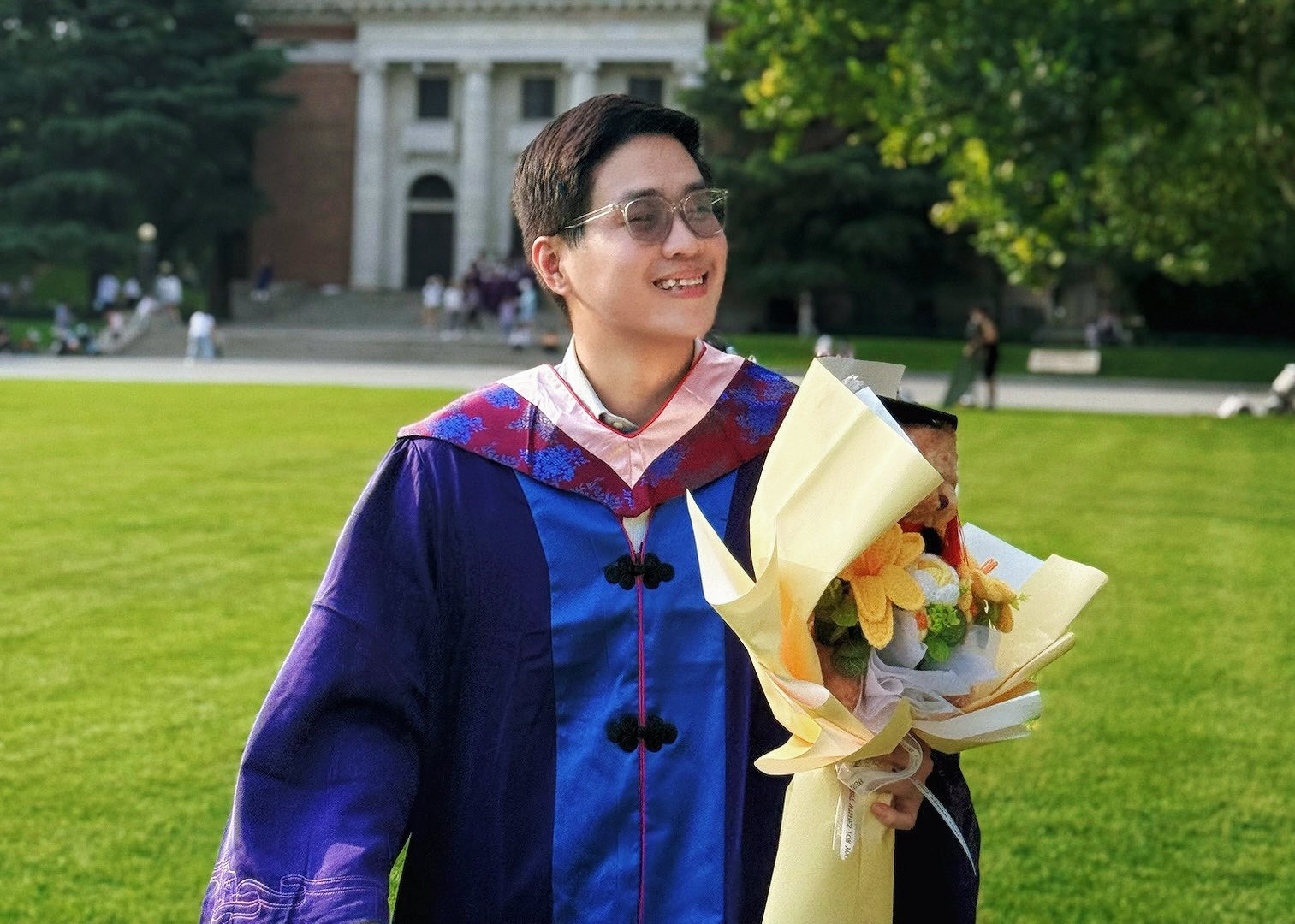
“In such environments, I not only learn from top professors but also from classmates coming from different countries, each with their own strengths. That diversity helps broaden my thinking and approach issues from multiple perspectives,” he said.
He believes proactiveness is the most important factor for progress. At the start of each semester, he studies each professor’s teaching style to adapt his learning strategies and academic writing accordingly.
During the first week, often referred to as “shopping week,” he attends multiple classes to select suitable courses and evaluate expectations. He also actively engages with professors during office hours or informal conversations, discussing academic topics and career orientation in greater depth.
Dao frequently collaborates with peers who have complementary strengths, enhancing both his knowledge and research skills. He also enrolls in specialized courses to expand into new academic areas.
Before embarking on his international academic journey, Dao studied International Relations at the Diplomatic Academy of Vietnam, drawn by his outgoing personality and curiosity about the world.
After working with international organizations, he realized he was better suited to community-oriented work that allows him to travel and create direct impact.
Alongside his studies, Dao actively participates in social initiatives. In 2023, he co-founded YUSEA (Young Urbanists of Southeast Asia), a network of more than 300 students and young scholars worldwide who share an interest in sustainable urban development.
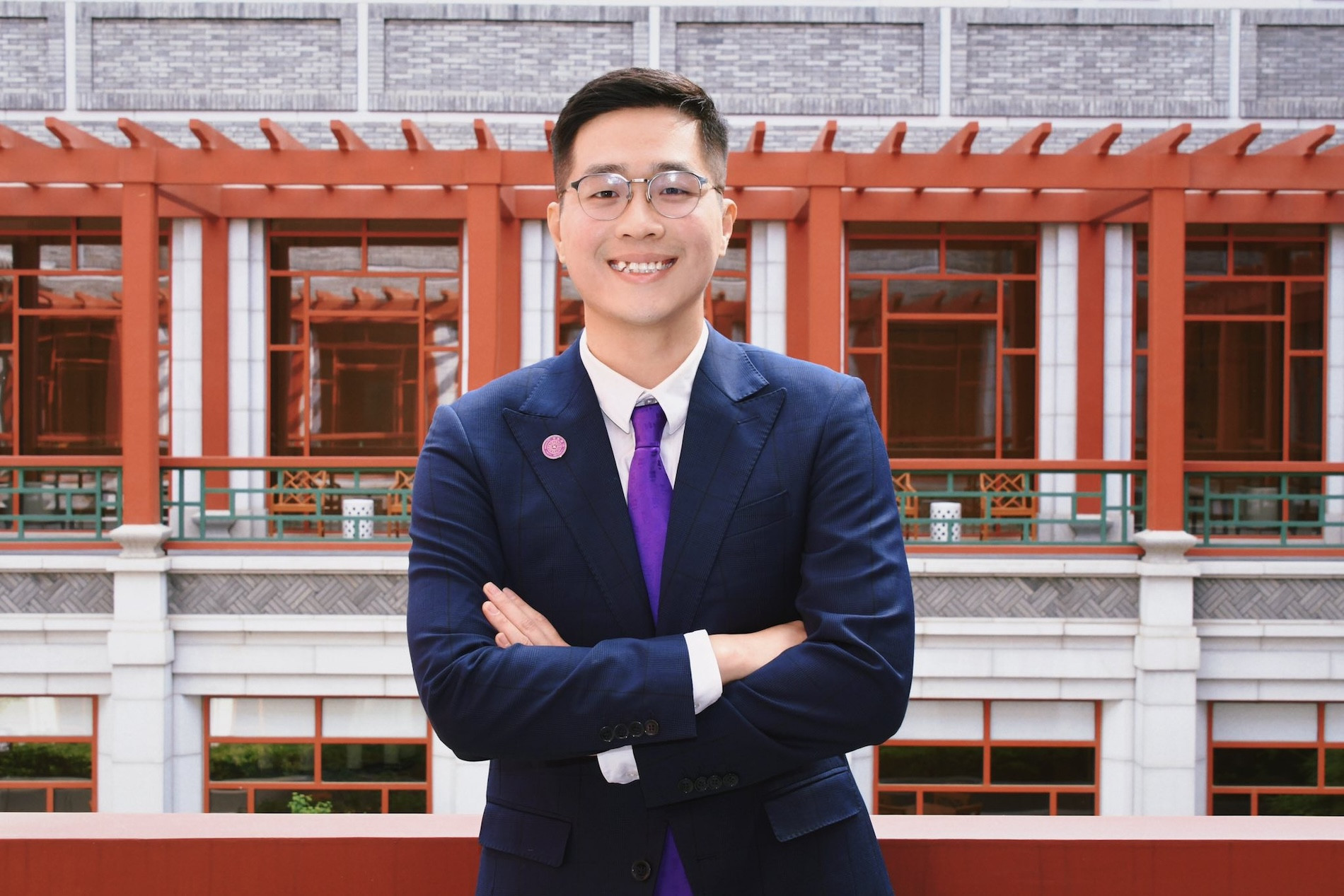
Over three years, Dao and his colleagues have organized numerous events fostering dialogue and innovative solutions in urban development at Tsinghua University, the National University of Singapore, the ASEAN Sustainable Urbanization Forum in Malaysia, and Indonesia’s Ministry of Youth and Sports.
He also served as a youth delegate at United Nations climate conferences in 2024 and 2025.
To date, the 1996-born scholar has traveled to more than 50 countries across continents and has become a speaker at various international forums.
Dao observes that more young Vietnamese are becoming proactive and ambitious in reaching out to the world, equipping themselves with essential skills such as learning multiple languages to expand career and research opportunities, or simply to better integrate and understand the countries they live in.
Having once felt a sense of “missing out” while living in different countries without understanding local languages, he encourages young people to invest seriously in language learning. However, he also notes that language is only “a ticket to entry.”
Young people still need to build strong core competencies, including solid professional expertise, critical thinking and independent research skills. In addition, intercultural communication and a spirit of collaboration are key.
“The most important thing is to understand what you want to pursue and stay committed to that choice. I believe that with strong capability, a serious attitude and proactiveness, one can integrate well into international academic environments,” Dao shared.
Thuy Nga
.svg)
