 Vietnamnet.vn

 Podcast



Vietnam’s diplomacy in 2025 witnessed a remarkable surge in both scope and substance, aligning closely with strategic directives from the Communist Party of Vietnam.
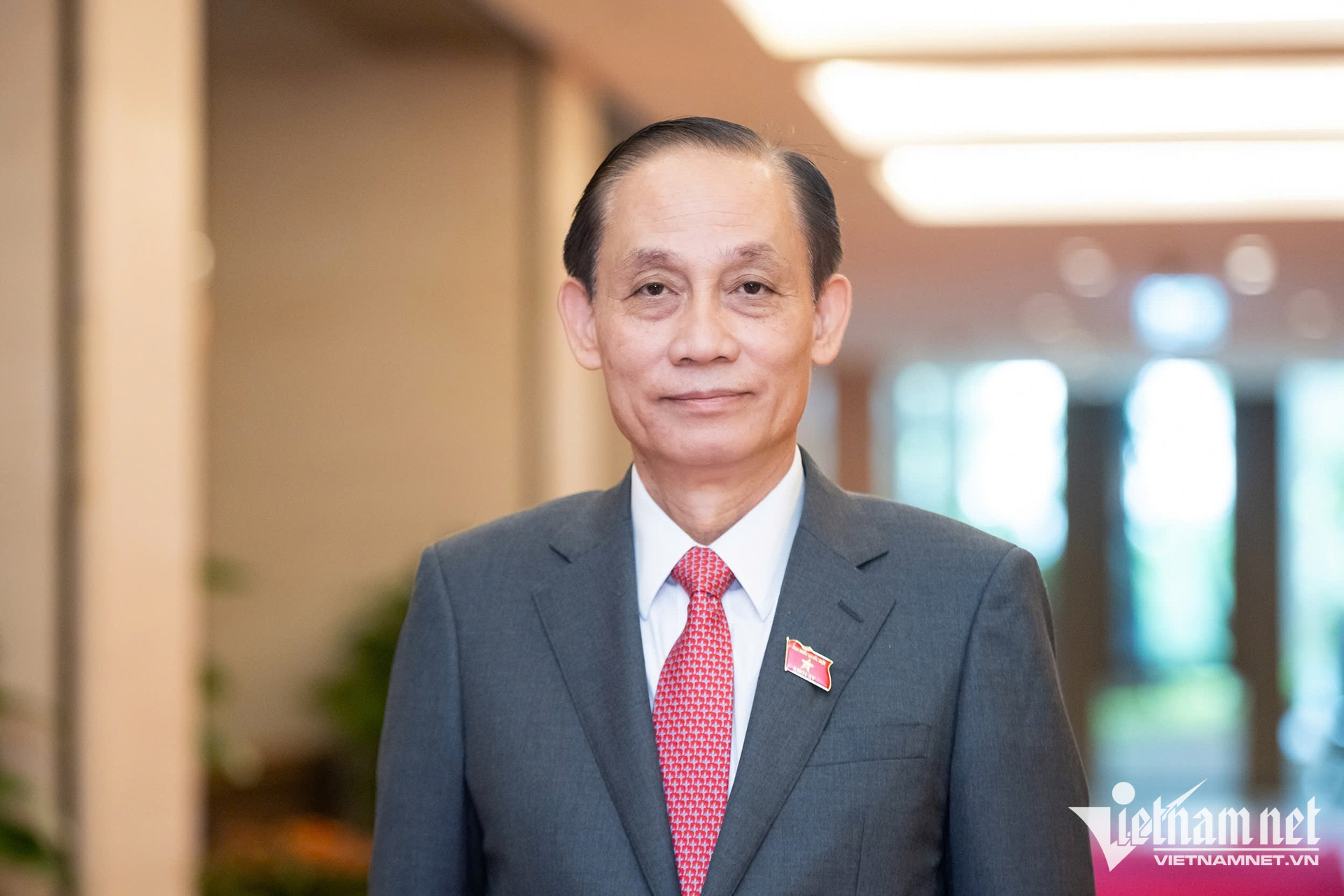
Minister Le Hoai Trung affirmed that this year’s diplomatic efforts contributed significantly to sustaining peace, fostering rapid and sustainable development, and improving the people’s quality of life, echoing General Secretary To Lam’s guidance.
Vietnam conducted 75 high-level diplomatic activities, a 1.5-fold increase over the previous year, providing a solid political framework and strategic orientation for bilateral ties.
Vietnam also upgraded relations with 17 partners, bringing the total number of countries in comprehensive or higher partnerships to 42, including all five permanent UN Security Council members and 18 of the 21 G20 economies.
Notably, nearly 350 cooperation agreements were signed - 2.5 times more than in 2024 - demonstrating the growing effectiveness and substance of Vietnam’s international engagements.
Relations with neighboring countries stood out, fostering greater mutual understanding, political trust, and breakthroughs in defense, security, trade, investment, infrastructure, and cultural exchanges.
Vietnam’s economic diplomacy played a central role, helping to achieve national goals such as 8%+ growth and transitioning to a more sustainable and higher-quality development model.
Total import-export turnover surpassed $900 billion, reinforcing Vietnam’s position among the top 15 trading economies worldwide.
Vietnam also made strong inroads in technology diplomacy, prioritizing innovation, digital and green transitions, and advancing 11 strategic technologies under Party Resolution 57.
Efforts were made to promote new free trade agreements (FTAs), expand Halal markets, and diversify supply chains, increasing Vietnam’s resilience and global economic footprint.
In multilateral diplomacy, Vietnam reaffirmed its commitment to international law and multilateralism, actively participating in major global forums such as the UN, ASEAN, APEC, and sub-regional mechanisms.
The country successfully hosted key events like the ASEAN Future Forum, the P4G Summit, and the UN Convention Signing Ceremony on Cybercrime, further solidifying its reputation and leadership capacity.
The $16 billion in remittances sent by overseas Vietnamese marked a record high, underscoring the community’s deepening ties and contributions to the homeland.
Citizen protection efforts were also enhanced, including timely evacuations from hotspots such as Israel, Iran, Myanmar, Thailand, and Cambodia, safely bringing thousands of Vietnamese nationals home.
Vietnam’s cultural diplomacy strategy to 2030 was rolled out with diverse and impactful activities, including the UN Vesak celebration in Ho Chi Minh City and “Vietnam Weeks” abroad.
Foreign information work proactively defended national interests and projected Vietnam’s image as a responsible and peaceful nation amid an increasingly complex media landscape.
In a major structural reform, the Ministry of Foreign Affairs reduced its departments by 42.5%, integrated several functions from Party and National Assembly diplomacy, and streamlined operations for greater unity and efficiency.
Tran Thuong
.svg)
