 Vietnamnet.vn

 Podcast



From national hero to Duc Thanh Tran
In Vietnamese folk tradition, the eighth lunar month is associated with the death anniversary of Duc Thanh Tran, or Saint Tran.
At Kiep Bac, a place closely associated with the life and career of Grand Commander Hung Dao, Tran Quoc Tuan, the traditional festival takes place from the 16th to the 20th day of the eighth lunar month.
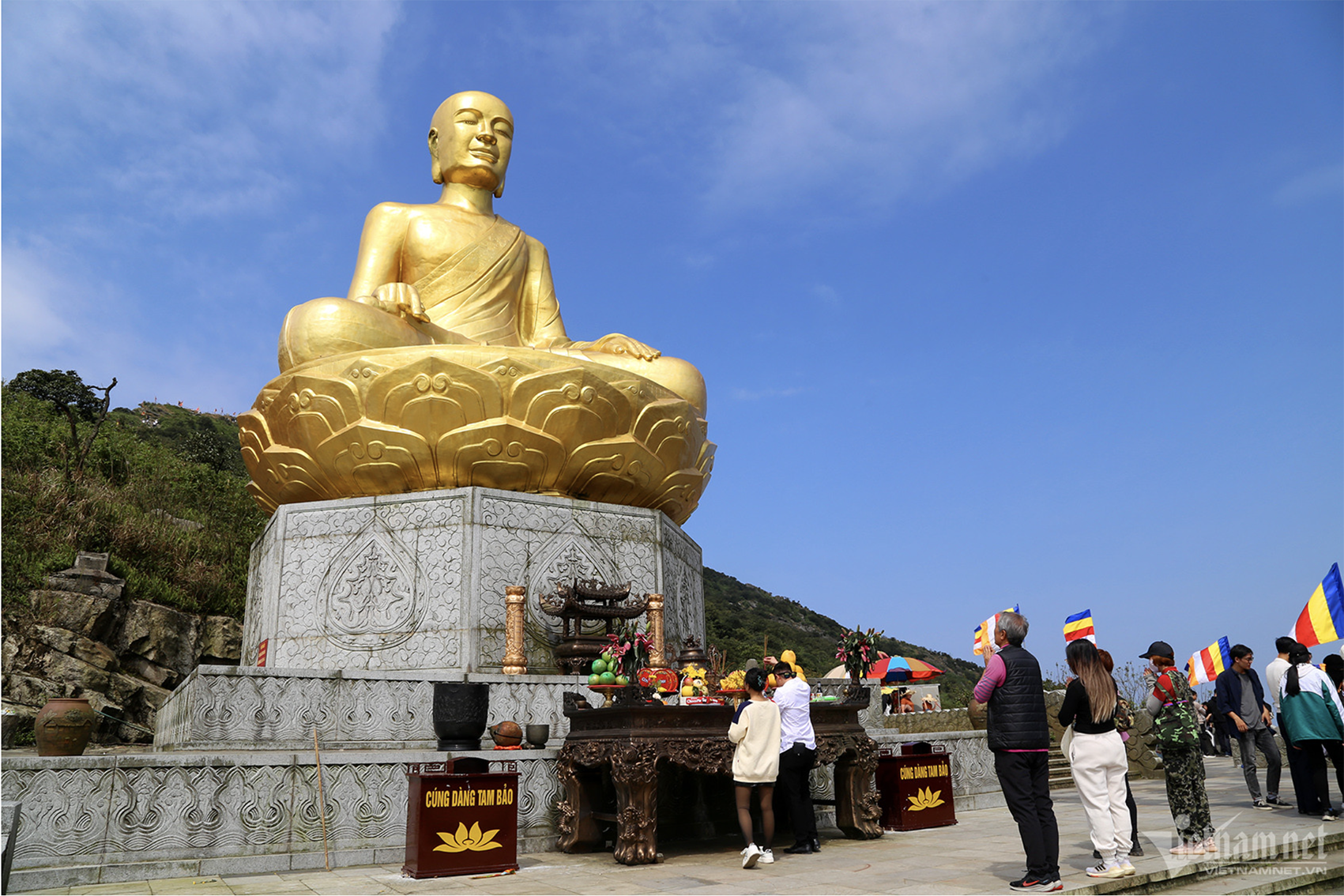
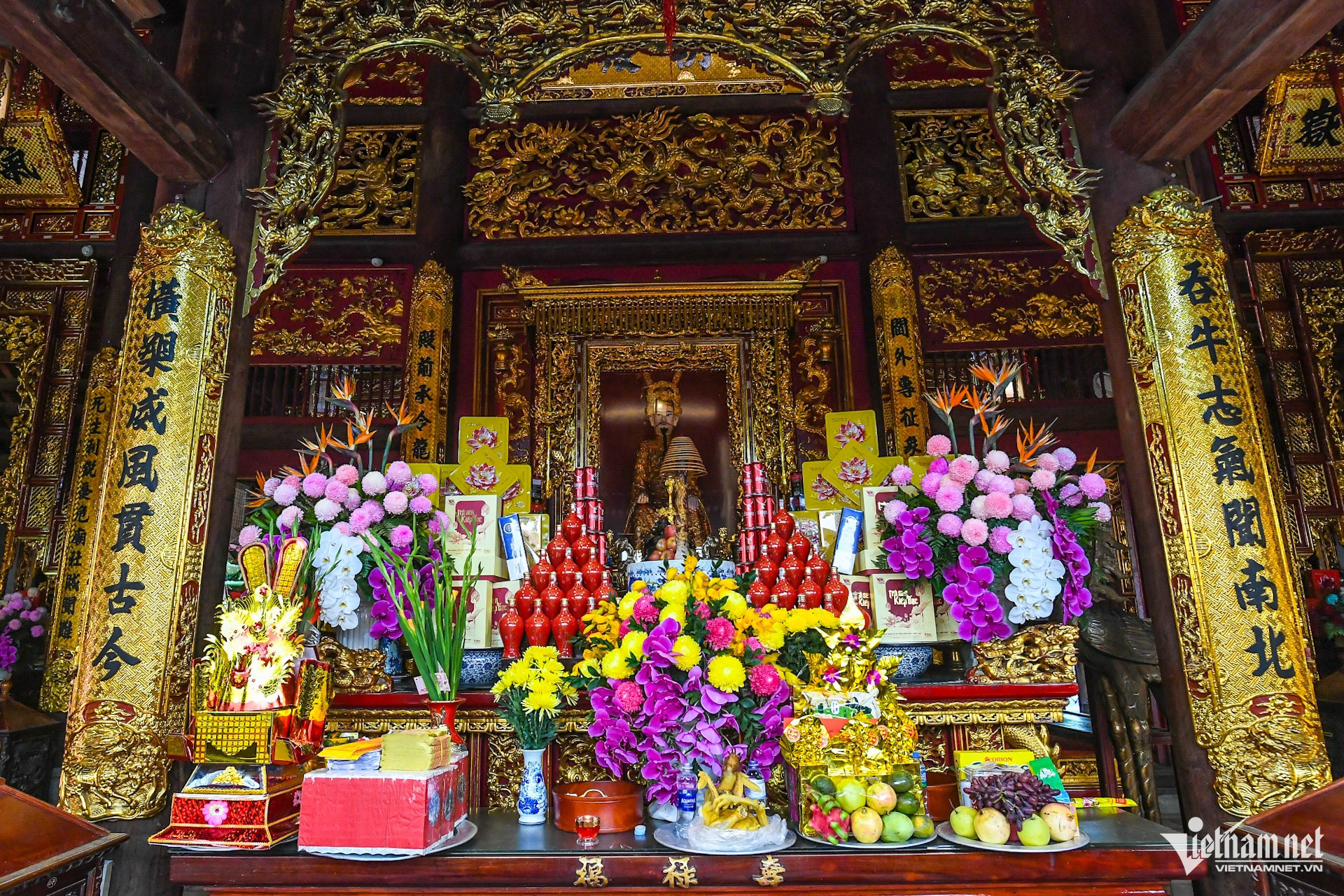
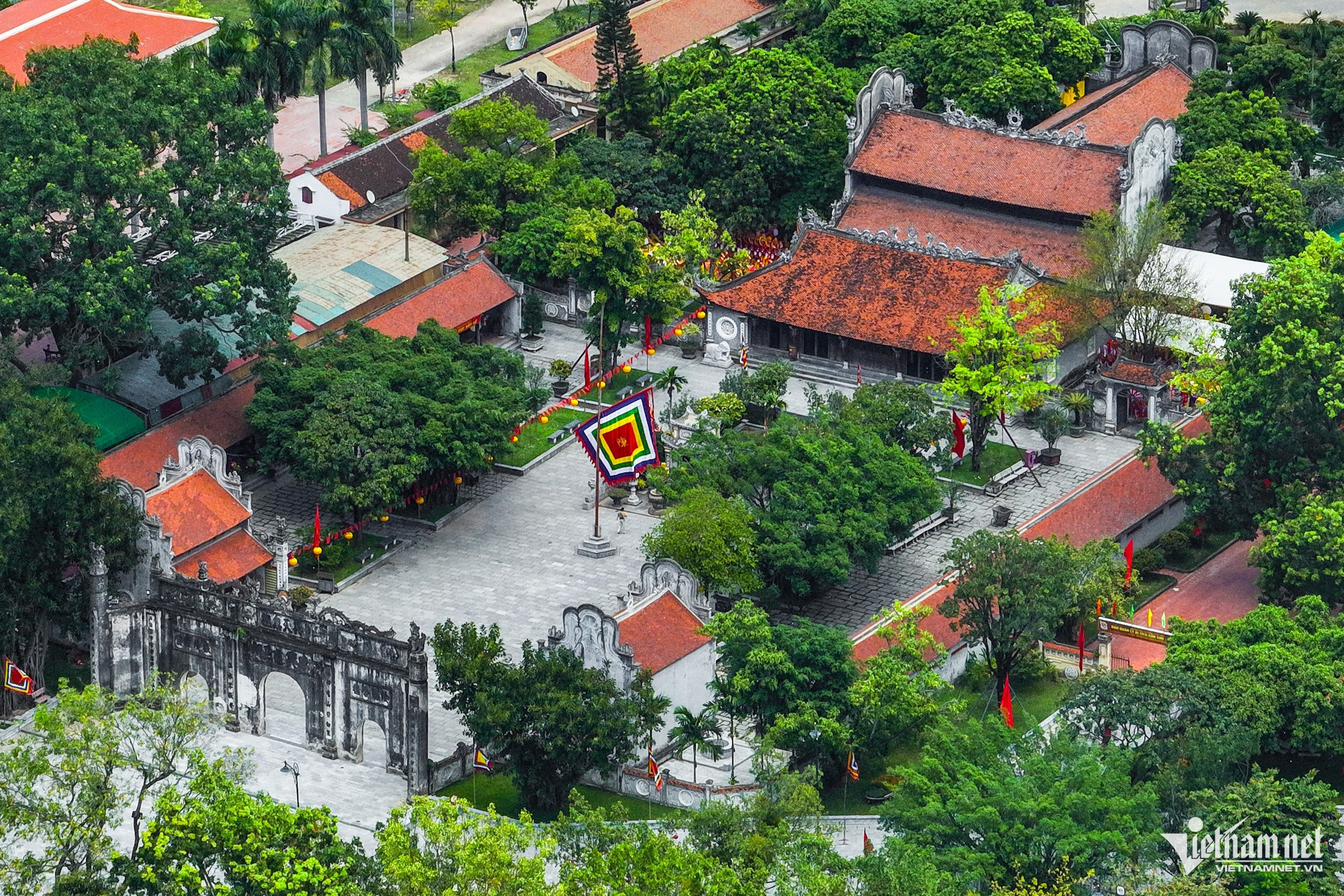
In Vietnamese folk belief, Hung Dao Grand Commander evolved from a historical figure into an enduring spiritual symbol. Photo: Thach Thao
The Con Son-Kiep Bac historical site in Hai Phong has long been a major center of culture, religion and folk belief in northern Vietnam’s Red River Delta and midland regions.
What is particularly remarkable is that after entering history as a celebrated military commander who made immense contributions to defending the country, Tran Quoc Tuan was revered, sacralized and worshipped by the people.
In Vietnamese folk spiritual life, he is known by an intimate yet deeply reverential title: Duc Thanh Tran.
This reflects a distinctive feature of Vietnamese folk belief: those who make extraordinary contributions to the country and their communities may continue to be remembered and worshipped after death as sacred figures believed to protect people in their daily lives.
The worship of Duc Thanh Tran, therefore, is more than the commemoration of a historical figure. Over many centuries, it has become part of Vietnam’s living spiritual tradition.
A popular Vietnamese saying goes, “The eighth month is the Father’s death anniversary, the third month the Mother’s.”
The “Father” refers to Duc Thanh Tran, while the “Mother” is associated with the Vietnamese Mother Goddess worship tradition.
The expression shows how the distance between a historical figure and the spiritual life of the community has almost disappeared. Hung Dao Grand Commander, once a man of the 13th century, has become a living cultural symbol to whom generations have turned to express reverence and their hopes for peace and well-being.
Yet to fully understand the enduring vitality of Duc Thanh Tran worship, he must be placed within the historical era that produced this national hero.
It was an extraordinary period in the history of Dai Viet, when spiritual life and worldly responsibilities converged in service of the country.
During the 13th century, Dai Viet repeatedly faced fierce invasions by Mongol-Yuan forces.
The trials of that era brought forth major historical figures including Tran Thai Tong, Tran Thanh Tong, Tran Nhan Tong, Tran Quoc Tuan and Tran Quang Khai.
One distinctive feature of the Tran period was that the work of building and defending the nation was not separated from intellectual and religious life.
A defining characteristic was its engaged spiritual ethos.
A religious practitioner could still shoulder responsibilities of state. A ruler could study Buddhist teachings while personally organizing resistance when the country was invaded. Once war ended, the same leaders could guide society back toward tolerance, self-cultivation and peace.
Perhaps the clearest example was King Tran Nhan Tong.
Together with the royal court and Hung Dao Grand Commander, he led the people and armed forces of Dai Viet to victory over two Mongol-Yuan invasions in 1285 and 1287-1288.
After peace returned, Tran Nhan Tong abdicated the throne and later became a monk, eventually founding the Truc Lam Zen school.
Truc Lam and the maturation of Vietnamese Buddhism
If the worship of Duc Thanh Tran illustrates how a national hero entered the spiritual world of the community, the emergence of Truc Lam marked a distinctive stage in the development of Vietnamese Buddhism.
Tran Nhan Tong, whose Buddhist name was Truc Lam Dai Dau Da, is revered as its First Patriarch.
He was succeeded by Phap Loa and then Huyen Quang. Together, they are known as the Three Patriarchs of Truc Lam.
What makes Truc Lam significant is that it was not simply the adoption of a Buddhist tradition from abroad.
Through a long process of cultural adaptation, Buddhist thought was reorganized, practiced and developed by Vietnamese people within the historical, social and cultural conditions of Dai Viet.
Many studies regard the formation of Truc Lam as a milestone in the emergence of a Zen tradition founded by Vietnamese and carrying a distinctly Vietnamese identity.
Its spirit is encapsulated in the concept of “cu tran lac dao”: living amid worldly life while finding joy in the Way.
The spiritual path, therefore, does not necessarily begin by turning away from society.
Amid everyday life, people can still cultivate their character, live virtuously, curb desire, practice compassion and take responsibility for their communities.
It is a philosophy closely connected to Vietnamese life.
Truc Lam also reflected the syncretic tendencies of intellectual and spiritual life during the Tran dynasty. Buddhism could coexist with influences from Confucianism and Taoism, complementing one another in a society that placed importance on the stability and well-being of both individuals and communities.
The idea that Vietnamese Buddhism reached a high point during the Tran era, therefore, is not simply about the number of temples and stupas or Buddhism’s position at the royal court.
More important was the maturation of its identity.
Buddhism was no longer merely a system of thought received from abroad. It had become deeply Vietnamized, blending into the consciousness, ethics and destiny of the Dai Viet community.
One era, two spiritual currents
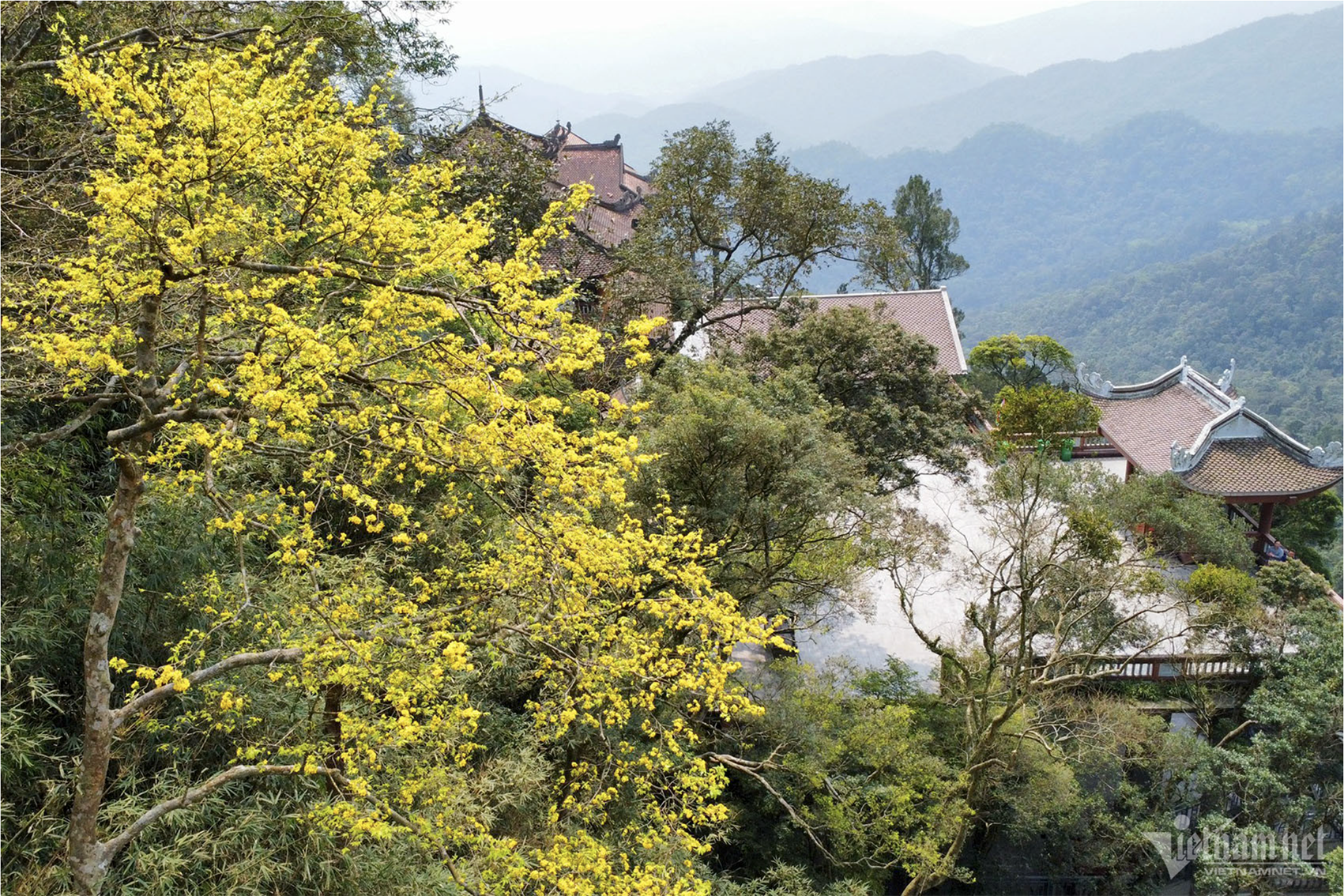
Yen Tu’s yellow apricot forests are not only part of the sacred mountain’s distinctive landscape but are also closely associated with the cultural and spiritual world of Truc Lam, where Buddhist King Tran Nhan Tong practiced Buddhism and founded the Truc Lam Yen Tu Zen school. Photo: Pham Cong
Hung Dao Grand Commander Tran Quoc Tuan and Buddhist King Tran Nhan Tong followed two different paths.
One became an enduring symbol of military leadership, loyalty and determination to defend the nation. The other left the throne for the Zen path and founded a Buddhist tradition bearing a distinctly Vietnamese imprint.
Yet their paths converged at one unmistakable point: the country and its people remained at the center.
Hung Dao Grand Commander was sacralized by the people because of his contributions to saving the country and has continued to live on through folk belief.
Tran Nhan Tong came to be revered as the Buddhist King because his journey took him from a monarch who defended the nation to a religious practitioner who sought to bring Buddhist teachings into everyday life.
One belongs to the realm of folk belief; the other to the history of Vietnamese Buddhism.
Viewed within the cultural landscape of the Tran dynasty, together they reveal an important characteristic of Vietnamese spirituality: the sacred is often intimately connected with responsibility toward the community, the nation and the country.
Perhaps this is why, more than seven centuries later, people still return to Kiep Bac during the eighth lunar month and make pilgrimages to Yen Tu, Con Son, Vinh Nghiem and other centers of Truc Lam Buddhism.
They come to these sacred spaces not simply to pray.
They also come as a way of returning to history.
There, the story of Duc Thanh Tran recalls an era when the determination to defend national independence forged the celebrated Dong A spirit of the Tran dynasty.
The legacy of Buddhist King Tran Nhan Tong and Truc Lam Zen, meanwhile, evokes a period when Vietnamese Buddhism flourished without withdrawing from worldly life, instead seeking to accompany the people and the country.
Thai An
.svg)
