 Vietnamnet.vn

 Podcast



More than just a remarkable example of European architecture on the coast of Vung Tau Ward (Ho Chi Minh City), the White Palace is deeply connected to the tragic life of Emperor Thanh Thai, a patriotic Nguyen dynasty ruler who was kept under house arrest by the French for many years.
Perched on the slopes of Nui Lon mountain overlooking the sea, the White Palace is located in Vung Tau Ward, Ho Chi Minh City (formerly Vung Tau City, Ba Ria - Vung Tau province).
Construction began in 1898 and was completed in 1902. Originally built by the French as a vacation residence for the Governor-General of Indochina, the building was named Villa Blanche, after Blanche Richel Doumer, daughter of Governor-General Paul Doumer. Due to its white exterior and the name “Villa Blanche,” Vietnamese locals began calling it “Bach Dinh” (White Palace).
There are two paths leading to the palace: a walking path made up of more than 100 ancient stone steps, hidden between two rows of frangipani trees, and a winding car route that runs beneath teak forest to the front entrance.
Before the construction of the White Palace, the site was home to Phuoc Thang Fortress of the Nguyen dynasty. Today, remnants of that history remain in the form of ancient cannons and artillery displayed on the grounds, including a French-made cannon from 1901 weighing over 10 tons placed at the entrance.
Sitting 27 meters above sea level, the palace stands as a distinctive late 19th-century European-style architectural work. It is a three-story structure, built with brick and painted white with a red-tiled roof, measuring 19 meters high, 15 meters wide, and 28 meters long.
The basement housed the kitchen and dining area, where various household items are preserved, offering a glimpse into the daily life at the palace. The ground floor served both as a ceremonial space and an exhibition hall for historical artifacts, including a pair of 170cm-long African elephant tusks, a royal wooden bench set dating back to Emperor Khai Dinh’s era (1921), and a pair of century-old vases engraved with phoenix and bird motifs.
The upper floor, open and airy, was used as a resting area. The main staircase, adorned with intricately designed iron railings, leads up to this floor, while a smaller wooden staircase was used by servants.
One of the most striking features of the palace is the series of eight stone portraits of ancient Greek gods embedded into a linear arrangement around three main walls of the building. Each sculpture’s facial features - eyes, nose, and expression - are remarkably vivid and delicately carved.
According to tour guides at the site, the White Palace is also a silent witness to the story of Emperor Thanh Thai (1879 - 1954), the 10th ruler of the Nguyen dynasty, who spent years under house arrest here.
In September 1907, the palace became a place of confinement for Emperor Thanh Thai. Known for his patriotic spirit and strong resistance against French colonialism, he was forced to abdicate and was moved from Hue to Vung Tau under surveillance. During his confinement, he spent his days wandering the surrounding flower gardens on Nui Lon, reading and enjoying the natural scenery, cut off from all outside contact. Only a few loyal attendants accompanied him, tending to his meals and daily needs.
He lived there for nearly ten years. Locals, who held him in great respect, referred to the residence as “Dinh Ong Thuong” (Palace of the Nobleman).
Despite the passage of more than a century, the White Palace has retained its elegance, grandeur, and architectural harmony. It has since become a renowned tourist attraction. Since 1991, part of the palace has been repurposed into a museum housing a collection of 8,000 unique artifacts, including porcelain items from the Kangxi era (17th century) salvaged from the waters off Hon Cau - Con Dao, as well as relics uncovered during archaeological excavations in Ba Ria - Vung Tau.
The White Palace was officially recognized as a national historical and cultural relic on August 4, 1992, by the Ministry of Culture and Information (now the Ministry of Culture, Sports, and Tourism).

The White Palace, where Emperor Thanh Thai was once held under house arrest.

The path to the palace winds through more than 100 ancient stone steps.

A French cannon from 1901, weighing over 10 tons, stands at the palace entrance.

Main entrance of the White Palace.

The kitchen and dining area in the basement, with preserved household items.


A pair of 170cm-long African elephant tusks displayed on the ground floor.
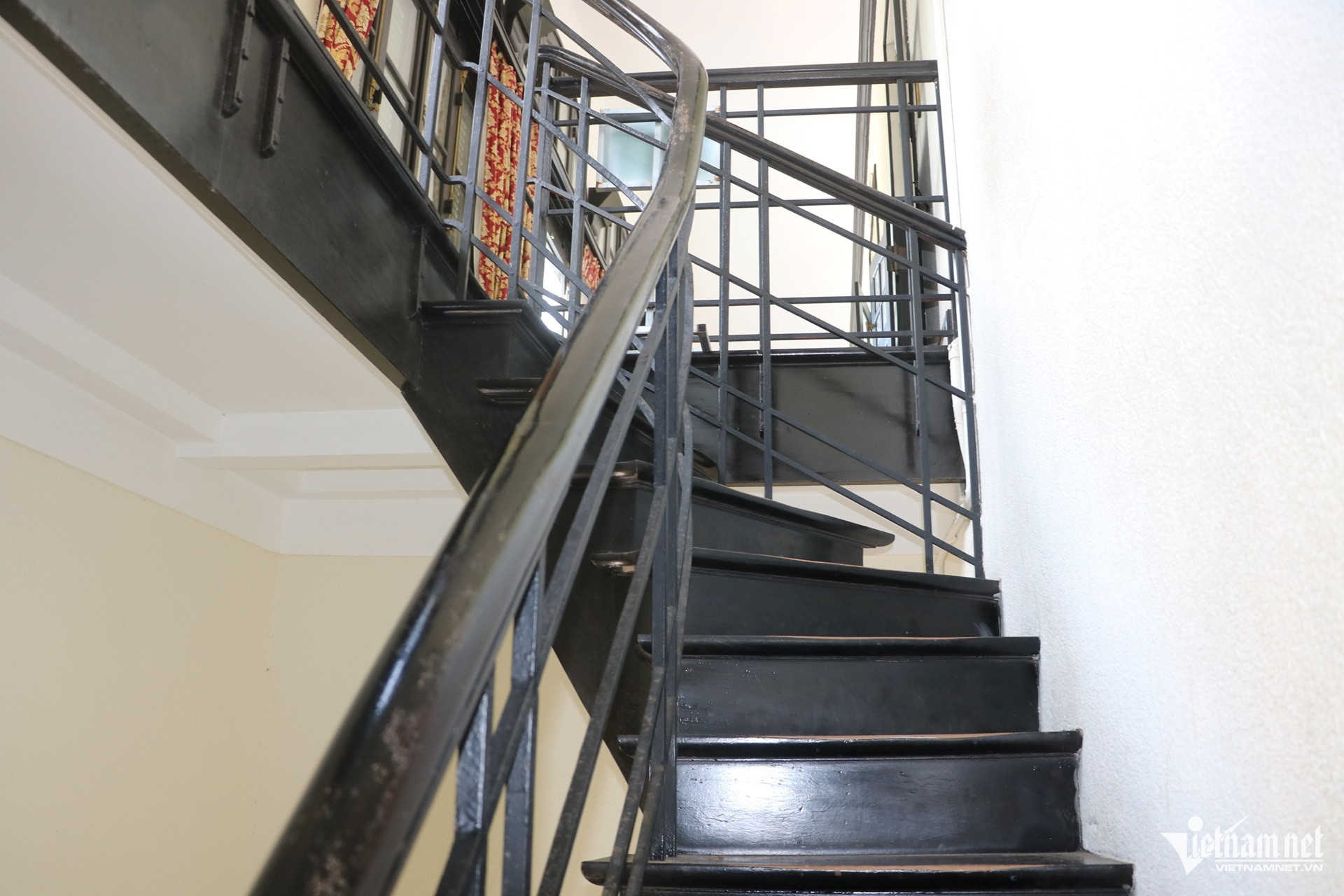
The second floor served as a resting space with elaborately decorated stair railings.
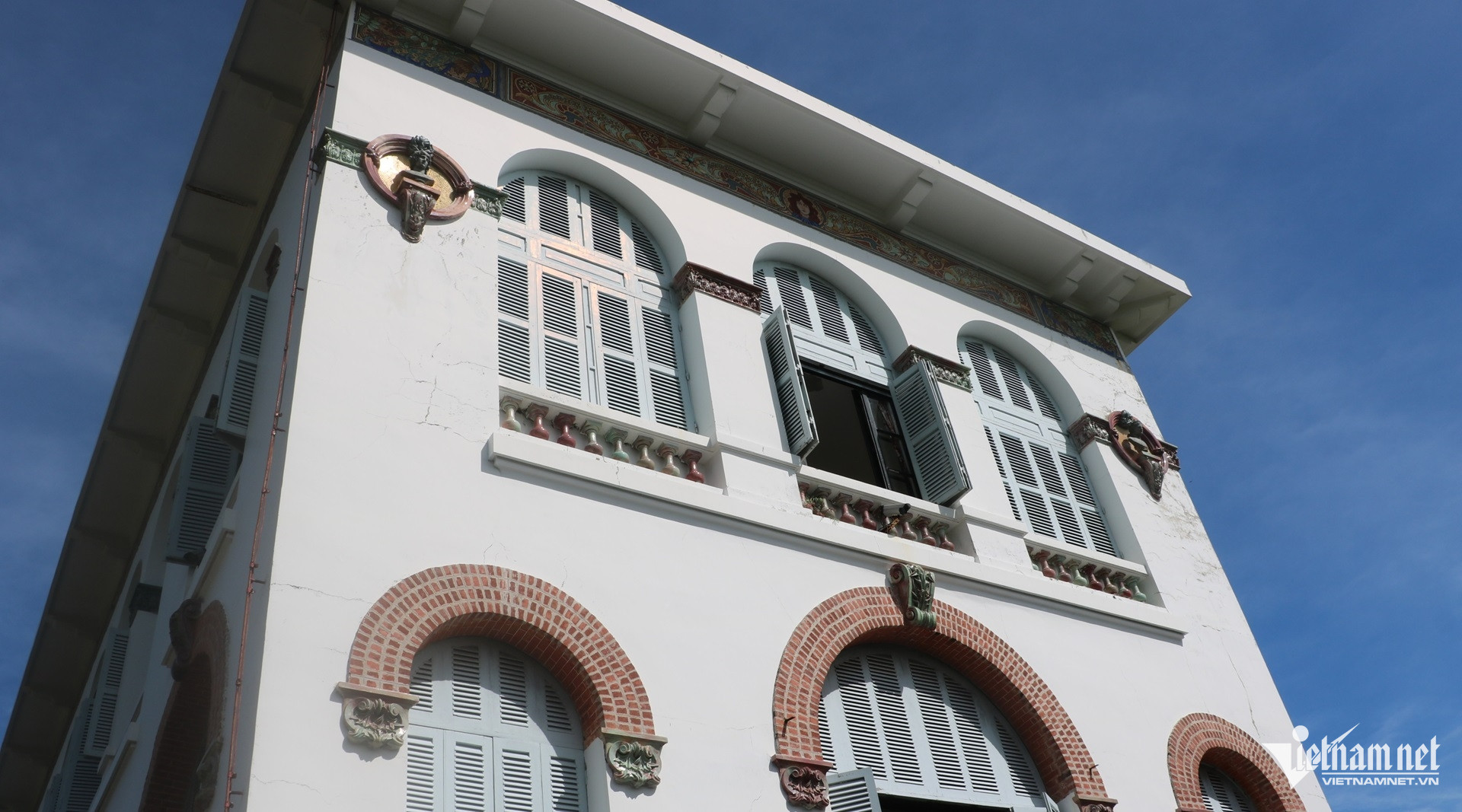
Stone portraits of ancient Greek gods adorn the main walls of the palace.

The room where Emperor Thanh Thai lived under surveillance.
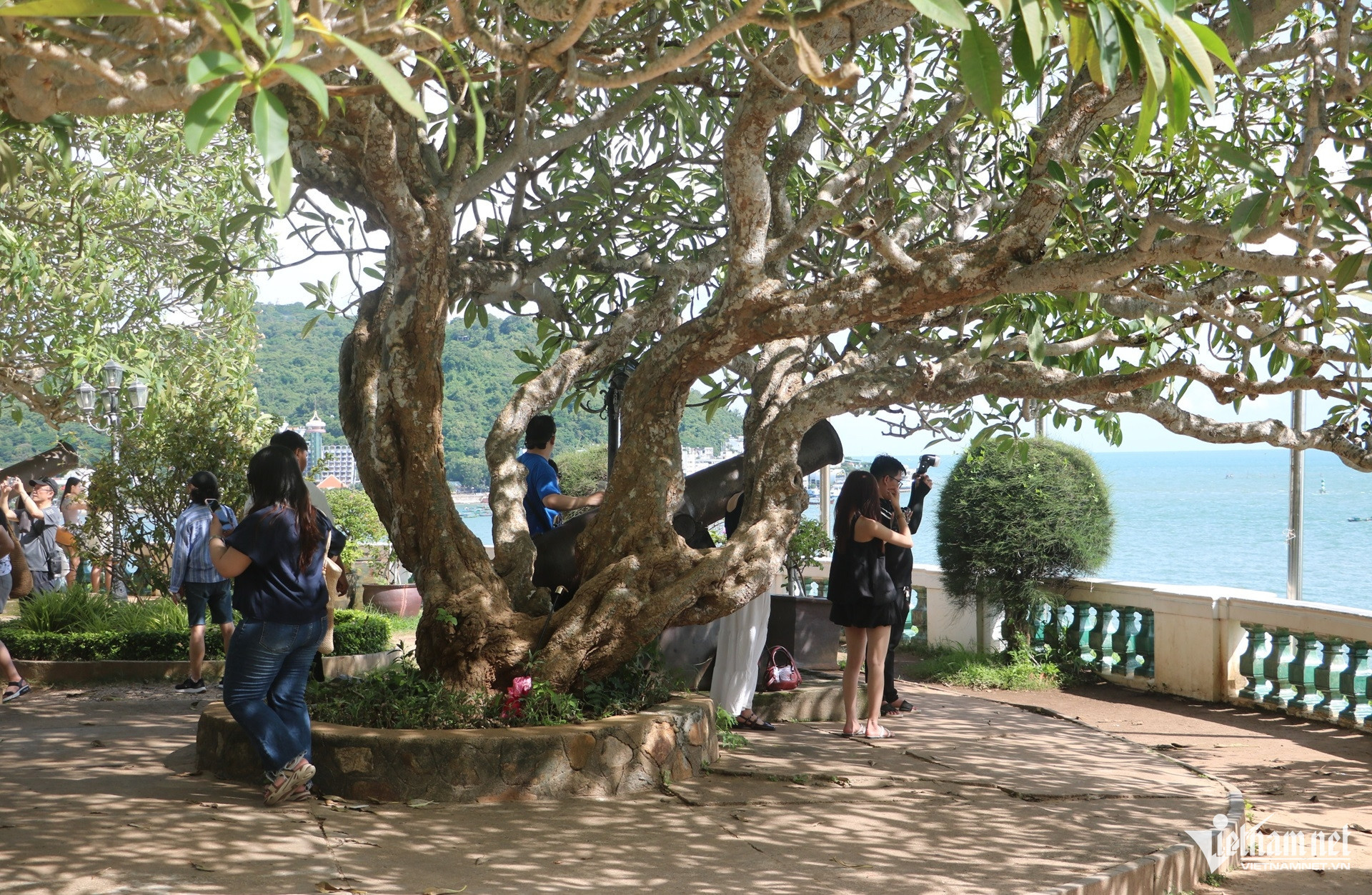
The White Palace remains an elegant and iconic tourist attraction today.

Quang Hung
.svg)
