 Vietnamnet.vn

 Podcast



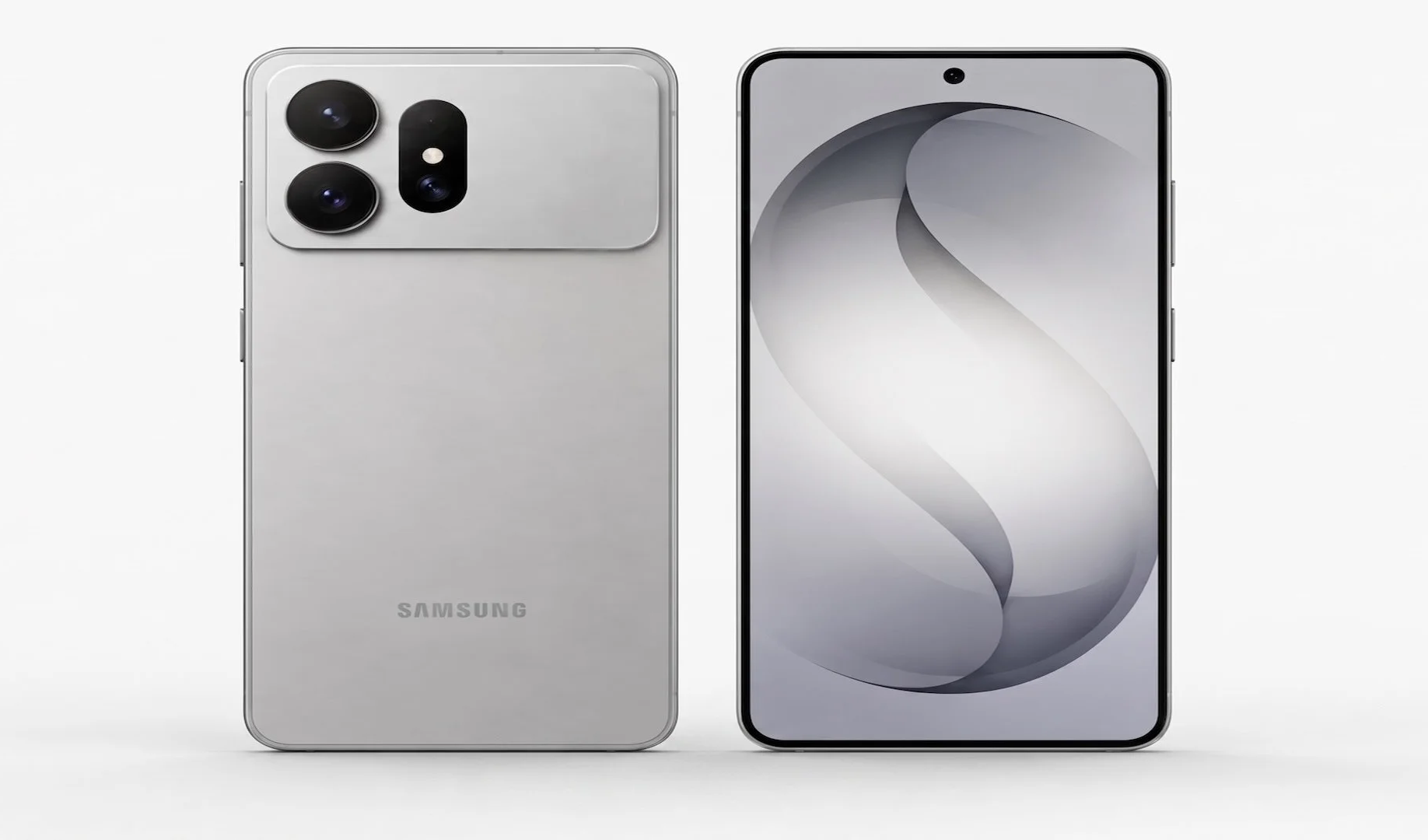
Wider phones without folding screens find an audience
The iPhone Duo and Galaxy Z Fold 8 represent a new direction in smartphone design: displays that extend further horizontally when unfolded.
Yet another form factor, one that does not fold at all, is attracting considerable interest from users.
Huawei launched the Pura X View in China last week. Its arrival quickly generated numerous reactions and comments, along with thousands of votes in a poll beneath an article introducing the device.
The notable finding was that users appeared genuinely interested in trying this wider smartphone design, rather than simply viewing it as an unusual concept.
Nearly half of the poll’s more than 1,000 respondents said they wanted to try a wide-screen smartphone that does not fold.
That is a substantial share, given that the design remains relatively unfamiliar and has yet to be adopted by many smartphone manufacturers.
Around 17% of respondents were even more enthusiastic, saying they liked the design. Notably, this group drew comparisons between the Pura X View and Amazon’s well-known Kindle e-reader.
The comparison is not coincidental. The Huawei Pura X View has almost the same screen aspect ratio as the first-generation Kindle.
Held horizontally, the device feels more like an e-reader than a conventional smartphone.
Not everyone was convinced, however. Around 25% of respondents thought the shape could make the phone uncomfortable to hold, at least judging by product images.
Meanwhile, only about 7% said they still preferred foldable smartphones.
The idea of turning this wide-screen handset into a clamshell foldable attracted even less support. Just over 4% wanted the device to fold in half along a horizontal crease.
Could the phablet era return?
The poll raises an intriguing possibility: the phablet, a phone format that bridges the gap between smartphones and tablets, could be poised for a comeback.
That prospect is not necessarily tied to the Huawei Pura X View alone.
More significant is the apparent interest in screen proportions that differ from those of today’s conventional slab-style smartphones.
The iPhone Duo and Galaxy Z Fold 8 are prominent examples of the move toward wider screens. Although both fold, they suggest that users are becoming more accustomed to devices with displays considerably wider than those of standard smartphones.
Huawei’s Pura X View takes that idea in another direction, removing the hinge and folding mechanism entirely while retaining the wider screen proportions.
With their global reach, Apple and Samsung still have greater potential to influence smartphone design trends.
Huawei, however, has once again shown that Chinese smartphone manufacturers are willing to experiment with different ideas rather than simply follow established designs.
Could a Galaxy S27 Wide emerge?
There is currently no indication that Apple, Samsung or Google will respond immediately to this trend.
Still, other brands could certainly experiment with wider, non-folding smartphones.
Lenovo-owned Motorola, along with Honor and Xiaomi, could be names to watch if the new design continues to attract consumer interest.
A Galaxy S27 Wide, for example, remains a hypothetical idea, not a confirmed product.
But the arrival of devices with unconventional shapes could put further pressure on manufacturers to explore new approaches.
For years, premium smartphones have become increasingly alike. Large displays, slim bezels, prominent camera modules and slab-style bodies have become a familiar formula.
That is why a distinctive design such as the Pura X View could bring a welcome change to the market.
The return of a wider form factor does not mean conventional smartphones or foldables will disappear. Instead, it suggests there is still room to experiment with the shape of a phone.
Huawei’s Pura X View illustrates how manufacturers can distinguish their products through screen proportions, rather than focusing solely on processors, cameras or battery capacity.
After years of Galaxy S and iPhone models largely retaining the same design formula from one generation to the next, some users are beginning to want more variety.
Hai Phong
.svg)
