 Vietnamnet.vn

 Podcast


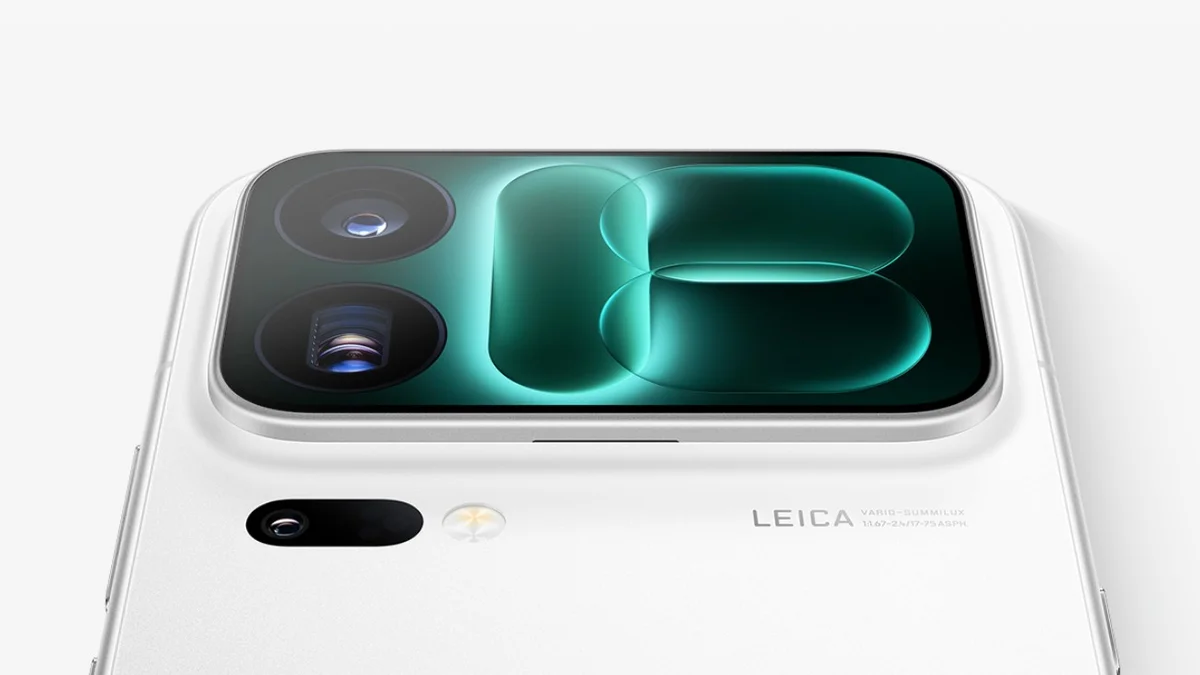
Xiaomi 18 Pro Max could exceed $2,000
Just days after Apple unveiled its iPhone 18 Pro lineup, Xiaomi introduced the Xiaomi 18 Pro and Xiaomi 18 Pro Max in China.
Xiaomi founder and CEO Lei Jun has confirmed that both devices will also be released in international markets.
However, a new report from technology website YTECHB has revealed the expected European prices of the Xiaomi 18 Pro series.
The figures are high enough to challenge the perception that Apple's iPhone 18 Pro Max is among the most expensive mainstream smartphones.
According to the report, the Xiaomi 18 Pro with 256GB of storage will cost €1,449, approximately $1,627.
The 512GB version is expected to retail for €1,649, equivalent to around $1,851.
More strikingly, the Xiaomi 18 Pro Max could be priced at €1,849, or approximately $2,076.
The top-tier model is reportedly set to launch internationally with only a 512GB storage option.
It is important to note that European and US smartphone prices cannot be compared directly because of differences in taxes, distribution costs and regional pricing strategies.
Furthermore, the report suggests that neither Xiaomi 18 Pro model will be sold in the United States.
Nevertheless, the converted prices illustrate how expensive Xiaomi's latest flagship devices could become.
By comparison, Apple's iPhone 18 Pro Max starts at $1,299 in the US, significantly below the converted European price of the Xiaomi 18 Pro Max.
The Xiaomi flagship could even cost more than the iPhone Duo, Apple's foldable smartphone, which starts at $1,999 for the 256GB version.
If the leaked prices prove accurate, Xiaomi will face a major question: Will consumers be willing to pay as much as, or more than, they would for a premium iPhone?
International Xiaomi 18 Pro models could have smaller batteries
Beyond pricing, battery capacity is another notable detail in the reported international specifications.
According to information shared by YTECHB, the Chinese version of the Xiaomi 18 Pro features a 7,000mAh battery, while the Xiaomi 18 Pro Max has an even larger 8,500mAh battery.
These are substantial capacities for flagship smartphones and could deliver extended battery life for users who frequently play games, watch videos or work on their phones.
However, the international versions are reportedly set to feature smaller batteries.
The global Xiaomi 18 Pro could have a 6,000mAh battery, while the Xiaomi 18 Pro Max may be equipped with a 7,050mAh unit.
If accurate, the international models would have significantly lower battery capacities than their Chinese counterparts.
This could affect their appeal, particularly given the higher-than-expected prices.
Both devices are nevertheless expected to support 50W wireless charging.
For wired charging, the Xiaomi 18 Pro reportedly supports 90W, while the Pro Max could reach 100W.
These specifications suggest that Xiaomi continues to prioritize fast charging to reduce the time users spend waiting for their devices to recharge.
Still, the potential battery reductions could raise questions about the differences between versions sold in various markets.
Powerful processors, privacy displays and premium cameras
Although the reported prices may prove controversial, the Xiaomi 18 Pro series is expected to offer an extensive range of high-end features.
One notable addition is privacy display technology designed to prevent people nearby from viewing sensitive content on the screen.
The feature is expected to compete directly with the privacy display technology found on Samsung's Galaxy S26 Ultra.
By restricting visibility from side angles, privacy screens can help protect personal information when users read messages, access sensitive documents or work in public places.
Some Reddit users have expressed enthusiasm about Xiaomi's approach to privacy display technology.
One commenter said they were impressed to see another implementation of anti-peeping screen technology on a smartphone.
In terms of performance, the Xiaomi 18 Pro uses Qualcomm's Snapdragon 8 Elite Gen 6 processor, while the Xiaomi 18 Pro Max could feature the more powerful Snapdragon 8 Elite Extreme Gen 6.
If confirmed, these chipsets would provide a strong foundation for demanding applications, including graphics-intensive gaming and artificial intelligence features.
The camera system is another major selling point, particularly on the Xiaomi 18 Pro Max, which features a triple rear-camera setup.
Combined with a premium processor and large battery, the device is expected to appeal to consumers seeking a comprehensive flagship smartphone without significant compromises in performance, photography or battery life.
However, the reported specifications still need to be checked against the official configurations of the international models.
Consumers will also need to wait for independent reviews to determine whether the features justify the rumored prices.
Could Xiaomi lose its reputation for affordable flagships?
For years, Xiaomi built its reputation by offering powerful smartphone hardware at significantly lower prices than leading competitors.
This strategy made the company an attractive option for consumers seeking flagship-level performance without paying the highest prices.
The Xiaomi 17 was one example, earning praise for its value for money and reinforcing the brand's image as a manufacturer of competitively priced premium smartphones.
However, if the Xiaomi 18 Pro and Xiaomi 18 Pro Max launch internationally at the prices reported by YTECHB, that traditional advantage could weaken.
As Xiaomi's prices approach or exceed those of established premium competitors, technical specifications alone may no longer be enough to persuade consumers.
The company would need to demonstrate that its hardware, software experience, camera performance and other features justify the premium.
For now, the reported European prices have not been officially confirmed by Xiaomi and should be treated as leaked information rather than final retail pricing.
Hai Phong

