 Vietnamnet.vn

 Podcast




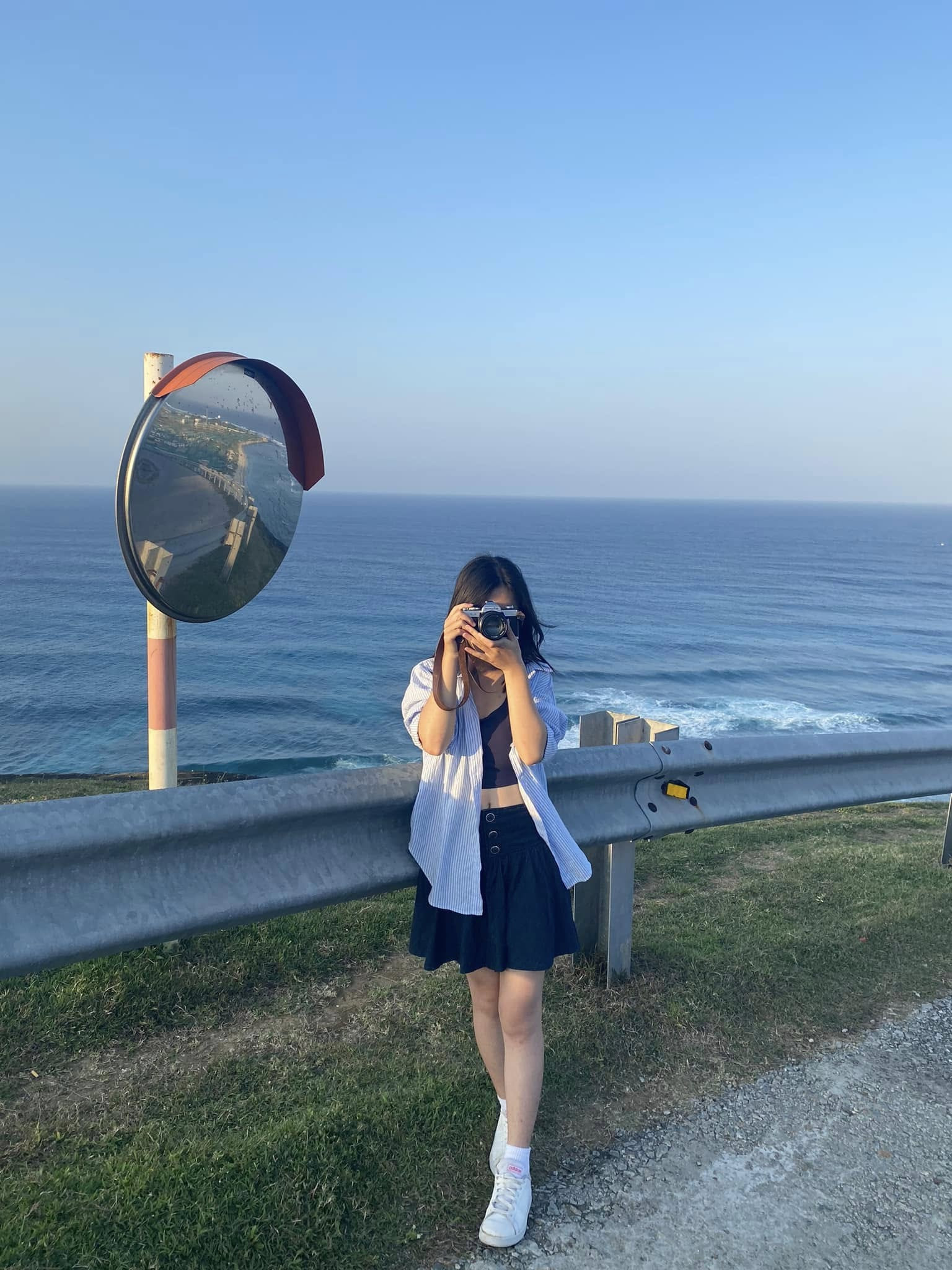
Thao Van, born in 2000, from Nghe An, is currently working remotely for a tech company in a marketing job. Leaving Hanoi after six years of studying and working one year ago, she has spent time living nomadically, traveling through Central Vietnam destinations.
“I still work from 9 am to 6 pm, from Monday to Friday. But now I have restful nights, wake up to sea sunrises, watch sunsets after work, and am always excited to explore new places and connect with people I meet by chance,” Van said.
Stifling urban life
At 18, the Nghe An native moved to Hanoi for university. Experiencing the vibrant, modern city, Van felt like a bird “freed from its cage.” She balanced studies with part-time jobs, saving money to explore northern provinces.
After graduating from university, Van entered the grind of full-time work. She left home at 7 am and returned at 7 pm, spending most of her time sitting in front of a computer in high-rise buildings, navigating crowded streets, heat, dust, and noise.
“More worryingly, I faced health issues like insomnia, stomach pain, and sinusitis. Almost every month, I had to take leave to visit the doctor and take medication,” Van confided.
After over a year of gaining work experience, building connections, researching the nomadic lifestyle, and preparing financially, Van decided to leave Hanoi.
Like many parents, Van’s wanted a stable job and a peaceful life for their daughter. But understanding her adventurous spirit, they didn’t discourage her. “My dad said, ‘Wherever suits you is fine,’” Van recalled.
To the sea for healing
In March 2024, Van arrived in Quang Ngai to explore Go Co village and Ly Son Island. “I planned to quit my job for about a month, intending to travel while working, so I was quite relaxed,” she said.
Go Co, an ancient fishing village by the sea, is rustic and pristine yet warm with community spirit. Dubbed the “village of nothings,” it doesn’t have bustling shops, and many homes don’t use air conditioning or TVs.
Van stayed with Tam, a silver-haired, sun-tanned fisherwoman who cared for Van’s meals and sleep like a grandmother welcoming a long-lost grandchild, helping Van heal emotionally.
By day, Van worked online for a few hours in Tam’s house, then explored the small village, immersed herself in its pristine beaches, and played with local children.
Leaving Go Co, Van took a boat to Ly Son Island, embracing a slow-paced life and a “dreamy summer.” Though a stranger, she was warmly greeted by locals.
After two weeks of “healing” in Quang Ngai, Van returned to live with her parents in Nghe An, continuing part-time work and seeking a full-time job.
In June 2024, she moved to Hoi An, renting a place and starting a new job. The first two months were challenging. The new job didn’t work out, and having phased out part-time jobs, Van found herself unemployed, with no income while still covering rent and living expenses.
“There were moments I missed Hanoi, my stable job, and felt uncertain about my next steps,” Van said. But Hoi An’s beautiful nature and friendly people helped her regain balance.
Each day, besides four hours of online work and job hunting, she woke early for sunrises, swam on sunny days, read by the beach at dusk, and leisurely explored the old town or nearby areas on weekends.
With improved mental and physical health, plus support from her former boss and friends, Van landed her current remote job, allowing her to continue her nomadic life.
Over the summer, she moved to the Central Highlands for a month to experience “mountain town” life, then to Nha Trang, where she’s been for five months. During this time, she took short trips with friends to Vinh Hy and Bali, Indonesia.
Van says that remote work doesn’t mean freedom or lack of discipline. She adheres to set hours, attends online meetings, and meets deadlines. Once, her boss reprimanded her for being unreachable, prompting Van to reorganize her schedule, prioritize work, maintain professionalism, and explore only on days off or weekends.
Traveling alone to new places, Van navigates challenges like getting lost or adapting to regional dialects. But “it’s not too difficult,” she said.
Linh Trang
.svg)
