 Vietnamnet.vn

 Podcast



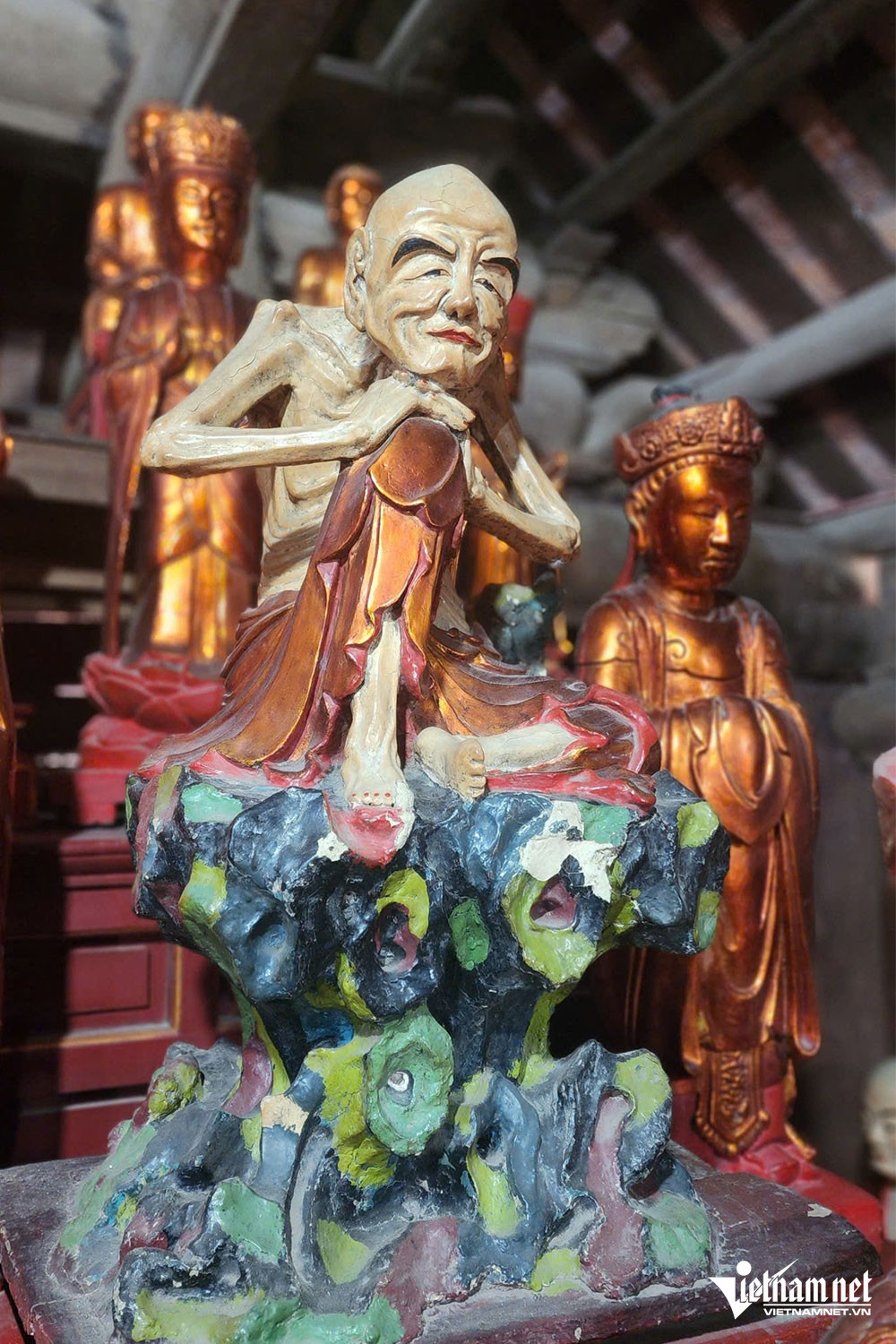
The Snow Mountain statue (Tuyet Son) at Keo Pagoda in Hung Yen is one of Vietnam’s most extraordinary and mysterious sculptures.
Nearly 400 years since it was created, the statue remains almost completely intact - a sacred echo of the country’s artistic and spiritual heritage.
Keo Pagoda, formally known as Than Quang Tu, sits peacefully in Vu Tien commune on the banks of the Red River.
Its tranquil setting, coupled with classical Northern Vietnamese architectural features, has made it one of the most famous ancient temples in the country.
In 2012, it was officially recognized as a Special National Monument by the Prime Minister.
Keo Pagoda is not just a place of worship for Buddha and bodhisattvas - it is also dedicated to the revered monk Duong Khong Lo.
Born Duong Minh Nghiem in 1016 in Ninh Binh, Khong Lo was known for his wisdom, piety, and early devotion to Buddhism.
He studied with other great monks like Giac Hai and Tu Dao Hanh and traveled to India (known then as Tay Truc) in search of sacred scriptures.
He later established the Nghiem Quang Pagoda in 1061 and was appointed National Monk by the Ly dynasty.
After his death in 1094, the temple was renamed Than Quang to honor his contributions.
Over the centuries, the temple experienced both glory and destruction.
In 1611, a massive flood swept away the original structure.
Reconstruction efforts were led by local leader Hoang Nhan Dung and his wife Lai Thi Ngoc Le during the Le-Trinh era.
The Trinh Lord at the time donated 100 ironwood beams (lim trees), and the local community provided the rest.
Architect Nguyen Van Tru, also known as Cuong Dung Hau, designed the complex.
He directed 42 guilds of craftsmen, completing the project in just 28 months, by November 1632.
Since then, the pagoda has stood for nearly four centuries, retaining the distinctive Le Trung Hung architectural style.
Today, Keo Pagoda spans 5.8 hectares, with 17 distinct buildings and 128 chambers.
Its layout follows a traditional “interior square, exterior round” feng shui design, with a central north-south axis connecting the outer gate to the towering bell tower.
The inner gate, or tam quan noi, is adorned with finely carved dragon motifs from the Le dynasty - a rare and impressive artistic feat.
Among the most iconic structures is the 11.04-meter bell tower made entirely of ironwood using interlocking joints.
Its 12 gracefully curved roofs earned it the record as Vietnam’s tallest ancient wooden bell tower, as certified by Guinness Vietnam.
Yet, nestled inside this architectural marvel is an even rarer treasure: the Snow Mountain statue.
The statue depicts a deeply emaciated Siddhartha Gautama (later Buddha), during his six-year ascetic journey before achieving enlightenment.
According to tradition, during this time, he consumed only a single grain of rice and sesame seed per day, dedicating himself to meditation in search of human liberation.
The sculpture captures this moment of self-denial, with bones visible beneath skin - a haunting symbol of discipline and transcendence.
What makes the statue even more remarkable is how it was made.
Unlike typical devotional figures crafted from wood, bronze, or stone, the Snow Mountain statue was formed from a special organic mixture.
Folk knowledge describes the materials as a blend of handmade paper, limewater, soot, molasses, and ash.
These components, though simple, were combined in a precise ratio - a secret known only to the original artisans, now lost to time.
Despite the perishable nature of these ingredients, the statue has endured nearly four centuries with astonishing resilience.
Its preservation is a testament to the sculptors’ genius, blending alchemical skill with religious devotion.
The Snow Mountain statue is not just a sacred object - it is a convergence of philosophy, aesthetics, and technical mastery.
Its story speaks of Buddhist perseverance, Vietnamese creativity, and the reverence of generations who have preserved it.
Today, local authorities are preparing a formal application for the statue to be designated as a National Treasure.
Such recognition would join two other artifacts at Keo Pagoda already holding this title: the intricately carved dragon doors of the inner gate and a ceremonial altar from the 17th century.
What defines a national treasure is not just age or rarity, but its ability to reflect a civilization’s soul.
The Snow Mountain statue at Keo Pagoda does precisely that.
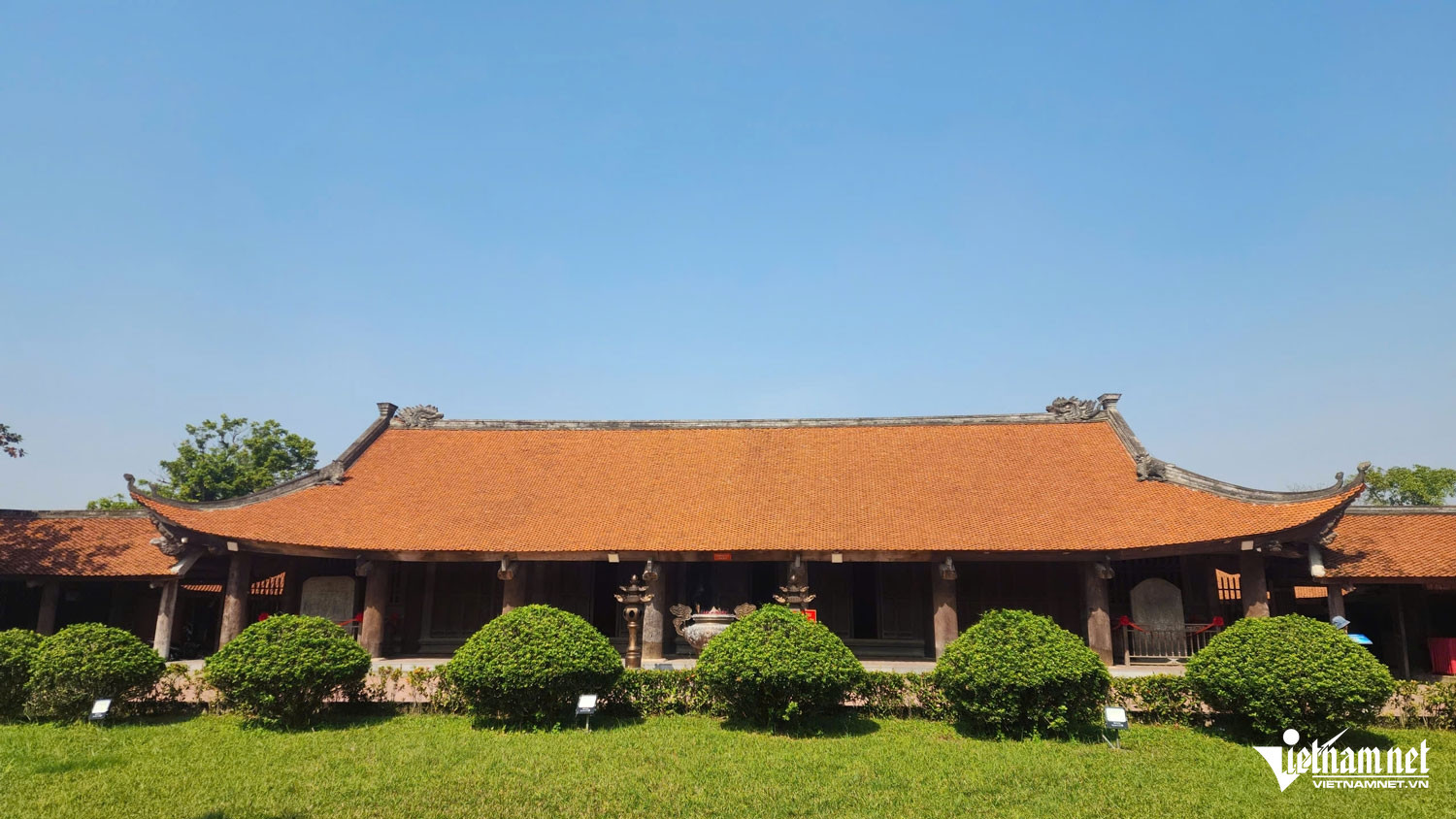
Keo Pagoda is one of Vietnam’s most renowned ancient temples.
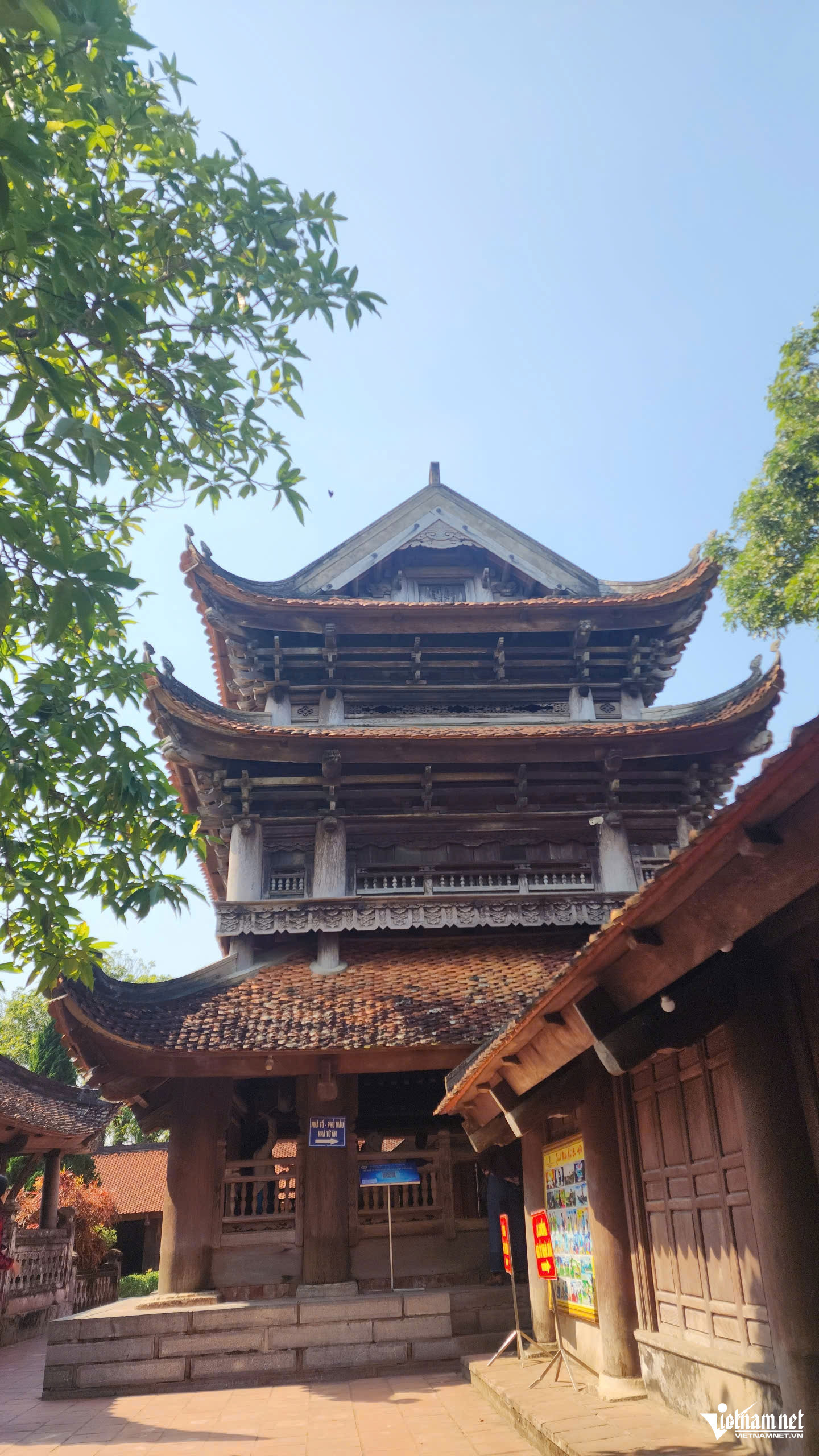
The bell tower at Keo Pagoda, Vietnam’s tallest historic wooden structure.
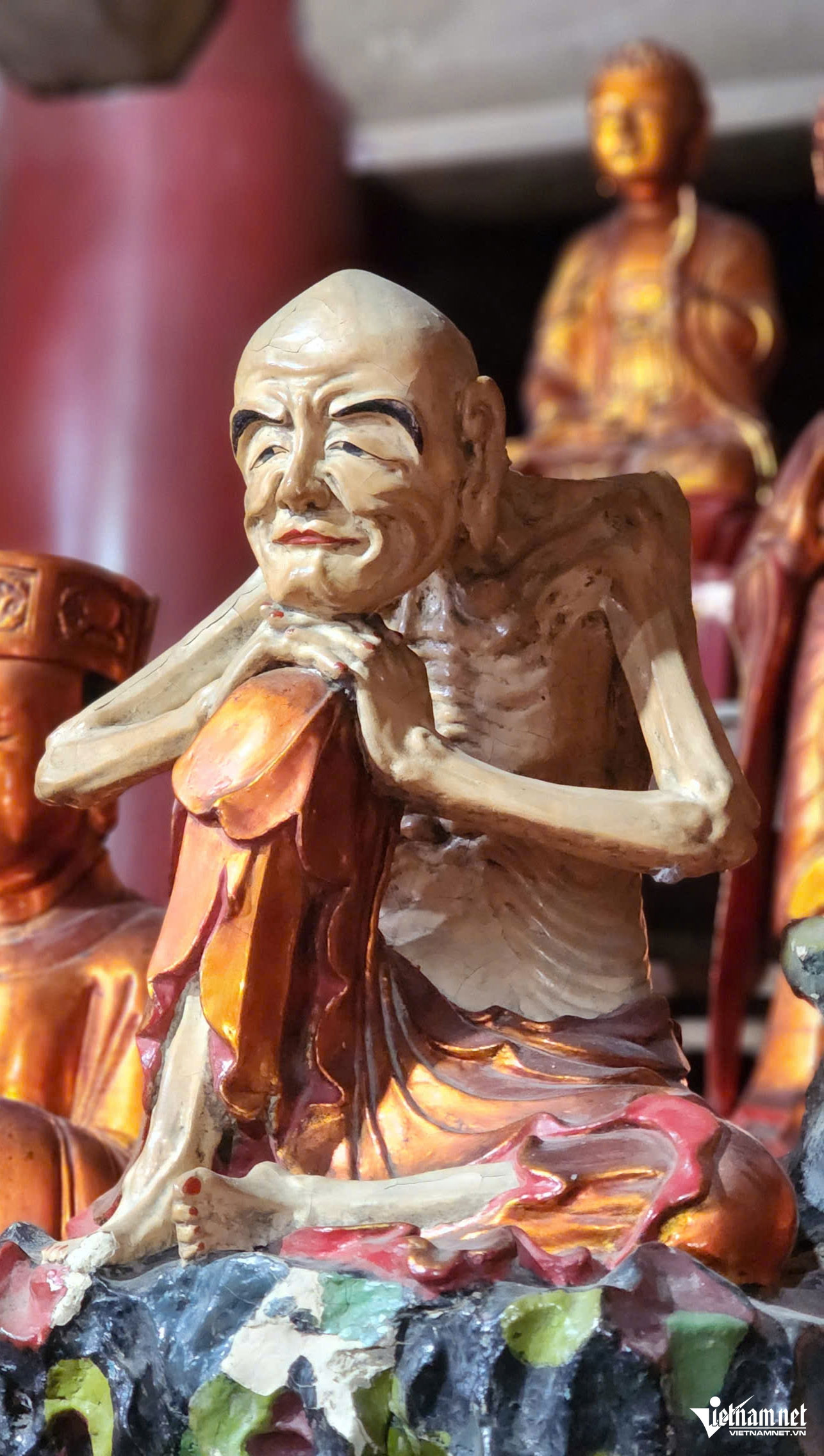
The Snow Mountain statue remains nearly intact after 400 years.
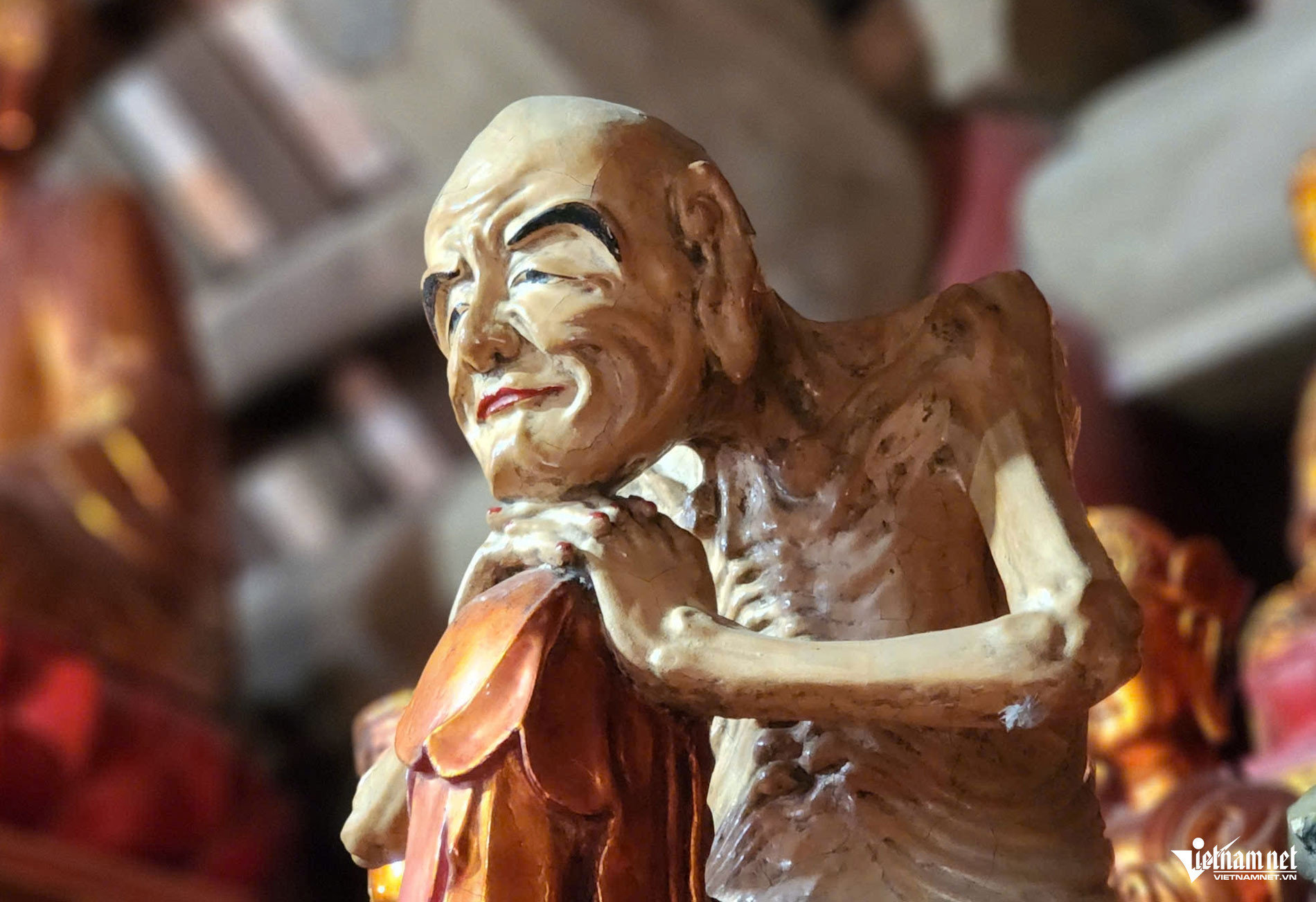
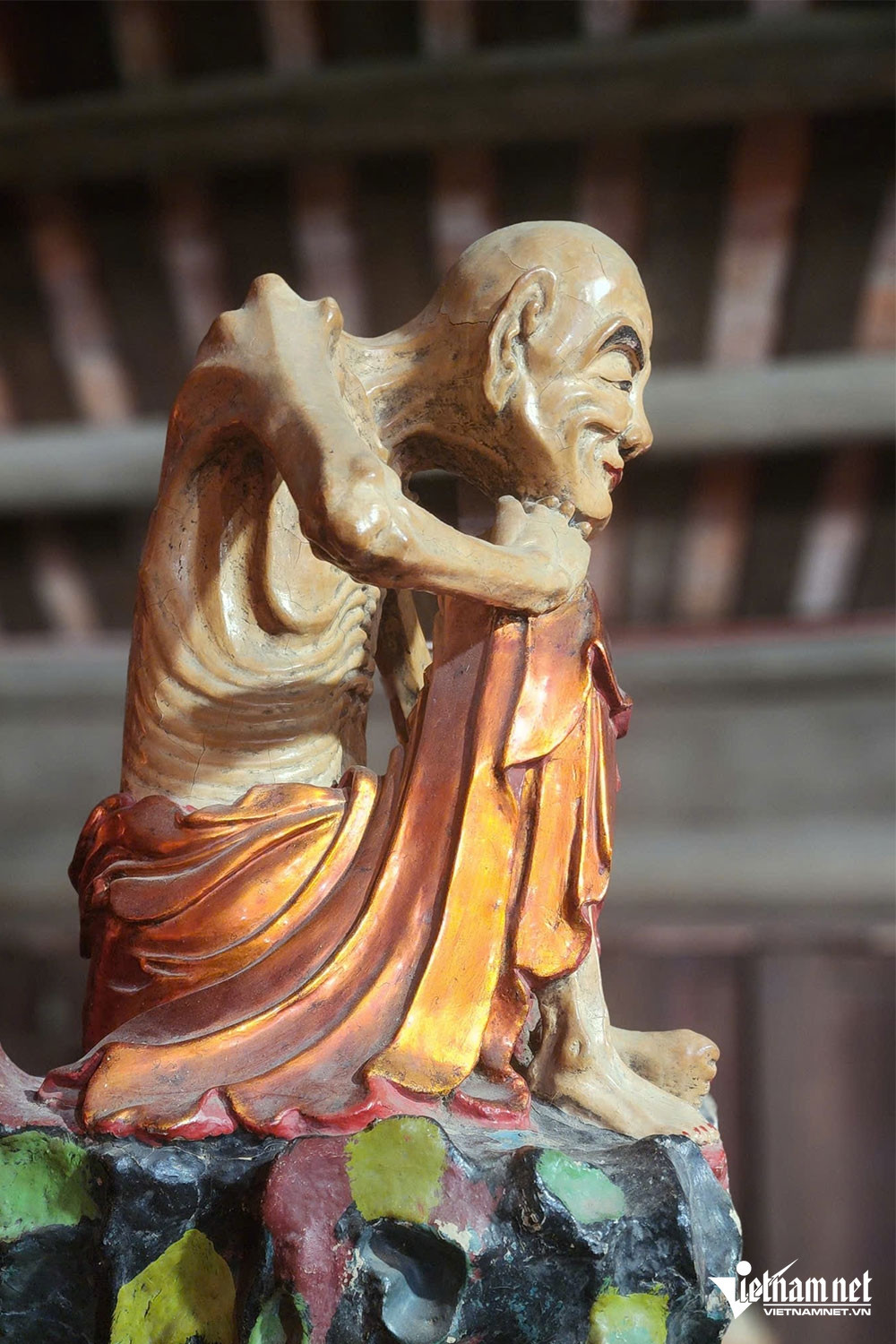
The crafting technique behind the statue is lost to history.
Tinh Le
.svg)
