 Vietnamnet.vn

 Podcast



Located on Nguyen Van Troi Street (Soc Trang ward, Can Tho City), Hoa An Assembly Hall - known locally as Ong Bon Temple - is one of the most iconic religious structures of the Hoa (ethnic Chinese) community in Vietnam’s southwestern region.
According to historical records preserved at the site, the temple was built in 1875. Despite more than a century of existence and undergoing seven restorations, it has retained much of its original layout and architectural integrity.
The temple follows the Chinese "Phuc" character layout, symbolizing prosperity and well-being. Its architecture features elaborate decorative motifs and intricate carvings - such as “dragons and phoenixes in harmony” and “dragon-tiger duels” - reflecting yin-yang balance and the community’s longing for a prosperous life.
One of the standout features is the temple’s signature green yin-yang roof tiles, remarkably well-preserved through the decades. At the rooftop’s peak sits the powerful image of “two dragons flanking the moon,” a motif traditionally reserved for imperial and sacred structures, lending a solemn grandeur to the entire complex.
Crossing through the main gate, visitors are greeted by elaborate wood carvings on either side of the sanctuary’s entrance. Ancient Chinese paintings, calligraphy, and folk riddles are vividly displayed - not only serving as ornamental pieces but also honoring the deities venerated inside.
The inner sanctuary is even more striking, adorned with gold-lacquered horizontal boards and vertical scrolls engraved with Chinese characters. These richly detailed artifacts, stretching from the front hall to the main altar, highlight the exceptional artistry of craftspeople from generations past.
At the heart of the temple stands the altar to Trinh An - a revered figure in Chinese folk belief. He is remembered as a virtuous official who championed the people, encouraged agricultural development, and helped establish new settlements. Over time, his legend gave rise to worship, and he is now honored as a guardian deity in the Hoa community.
Flanking the main altar, two smaller chambers are dedicated to other significant spiritual figures: Phuc Duc Chinh Than (the Earth God) and Thien Hau Thanh Mau (the Heavenly Empress). These deities continue to hold great importance in the spiritual lives of the local Hoa population and have been respectfully maintained over many generations.
Adding to the temple’s cultural richness is a collection of rare and valuable relics - such as a gold-lacquered wooden statue of Ong Bon, an ancient Tai Sui-style incense burner, and a pair of metallic cranes and turtles holding lotus blossoms.
Yet perhaps the most captivating feature for modern visitors is the temple’s annual Tet tradition: the lantern auction.
Held during the Lunar New Year, this unique event invites worshippers to bid on beautifully crafted lanterns inscribed with auspicious wishes such as peace, prosperity, and fortune. The auction creates a joyful and festive atmosphere while raising funds to support those facing hardship in the community.
Recognizing its deep historical, cultural, and artistic significance, Ong Bon Temple was designated a provincial-level architectural heritage site in 2004. It remains a distinctive spiritual and cultural destination for travelers seeking to explore the rich heritage of Vietnam’s Mekong Delta.
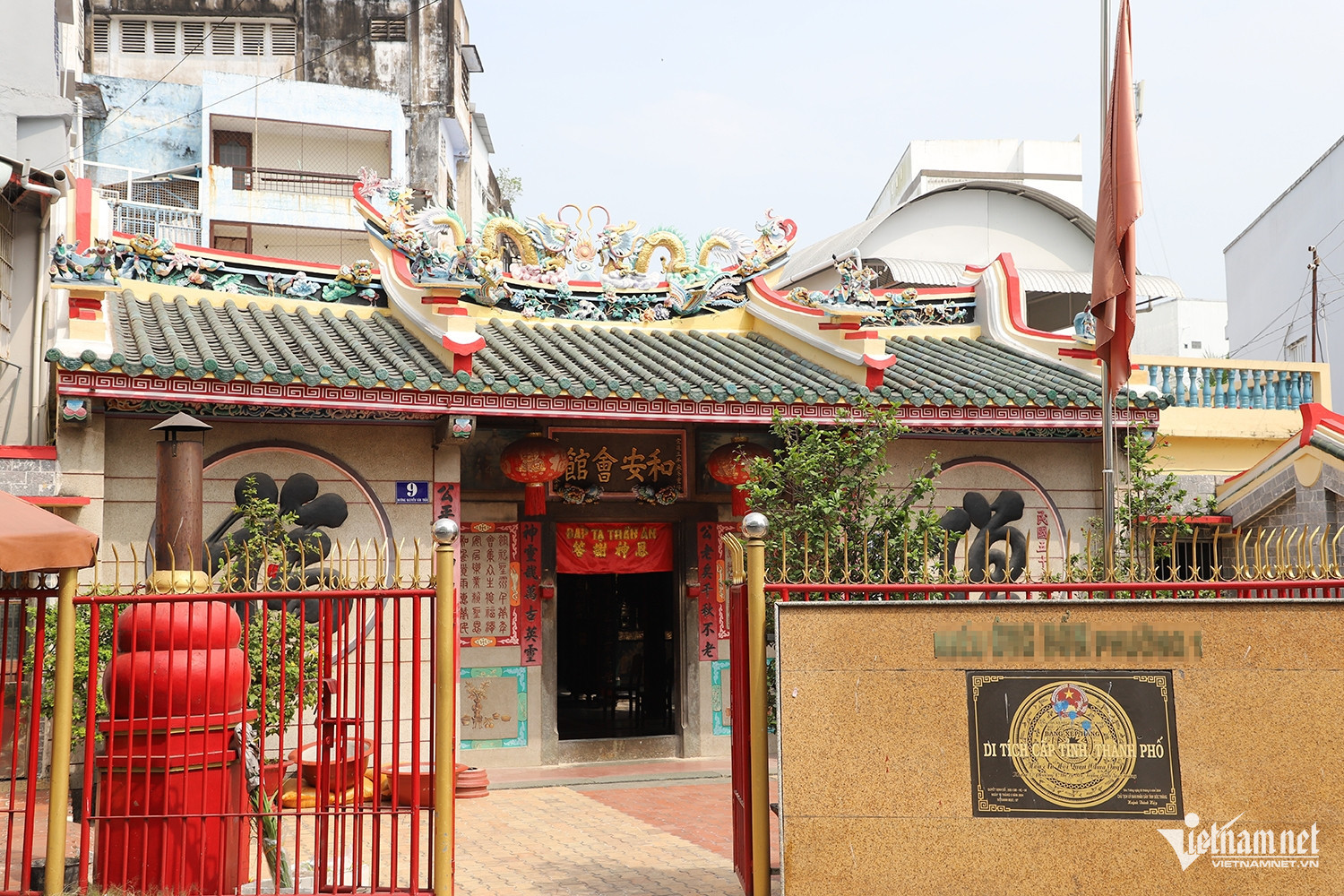
The main gate of Ong Bon Temple features ornate folk art and traditional riddles.
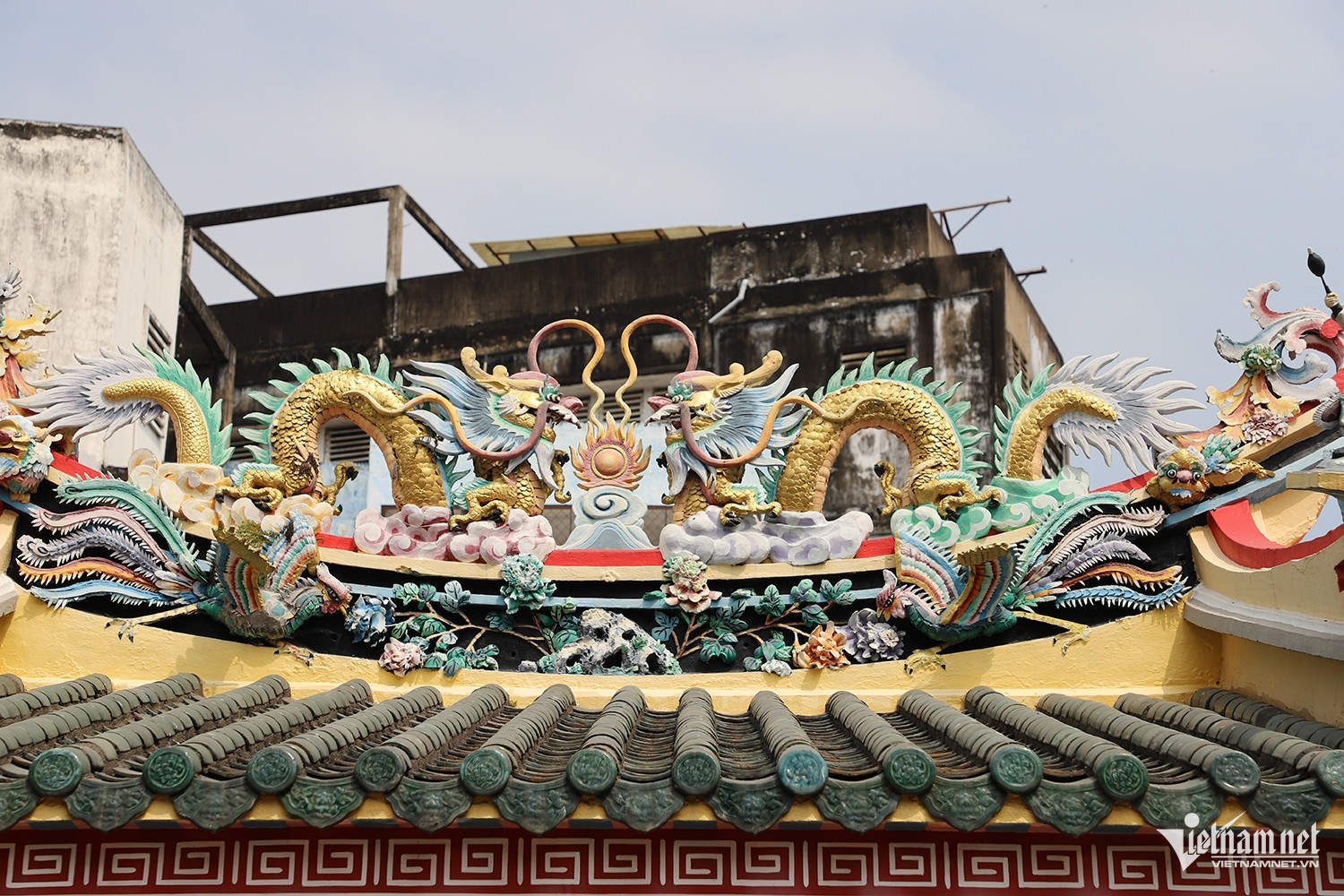
The temple preserves its original yin-yang roof tiles and sacred dragon motifs.
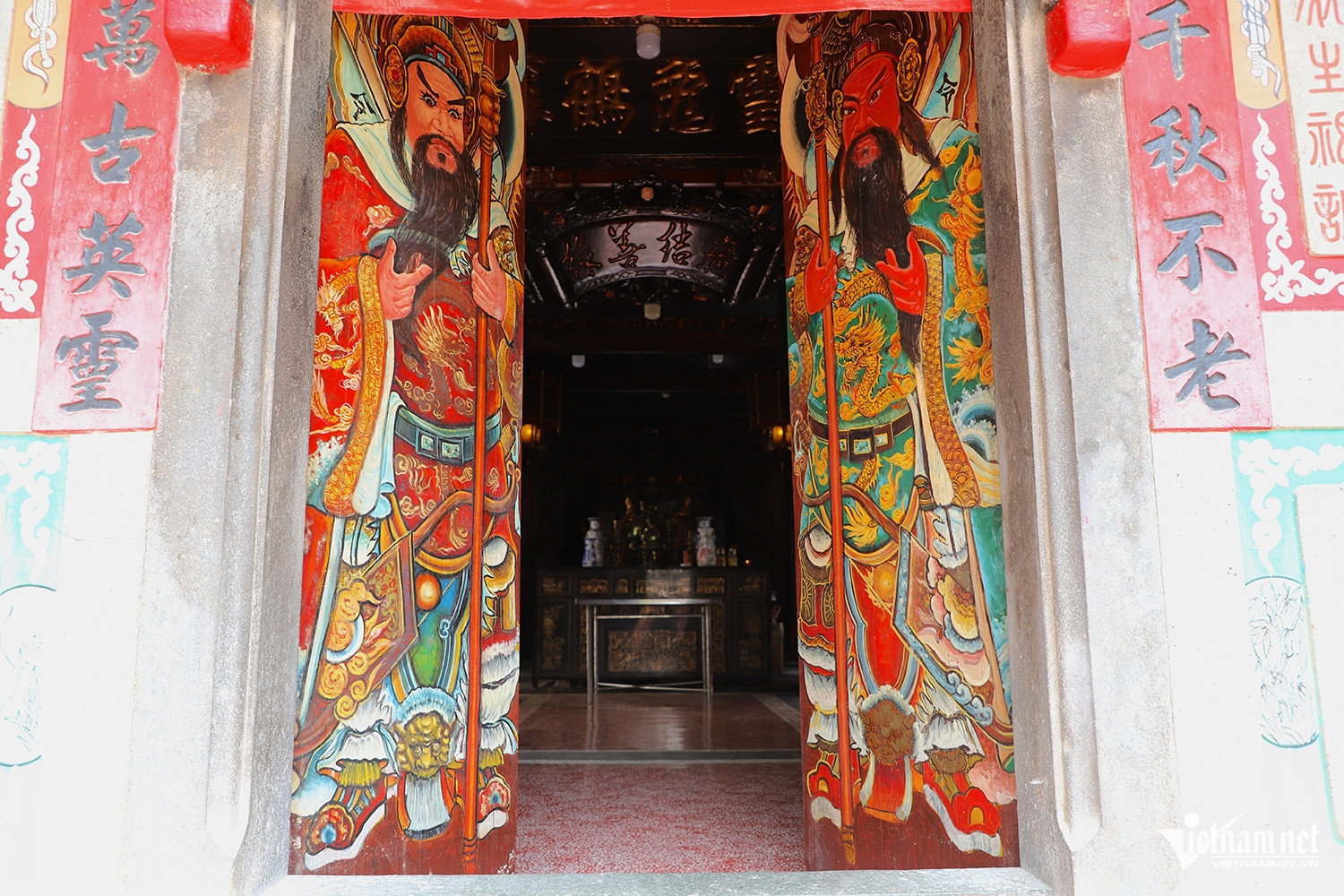
Gold-lacquered inscriptions reflect the artistry of past generations.
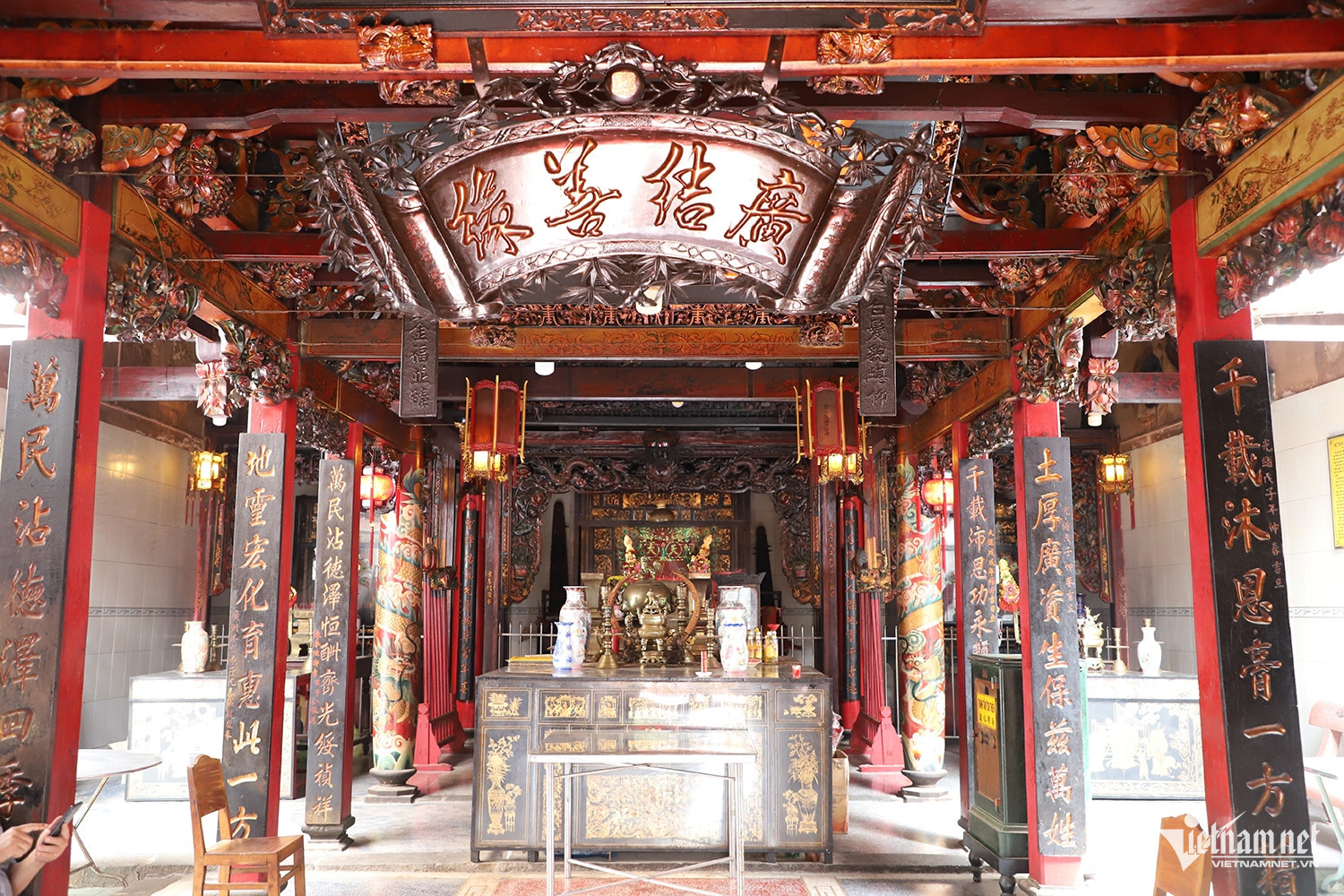
A panoramic view of the sanctuary, with altars to key folk deities.
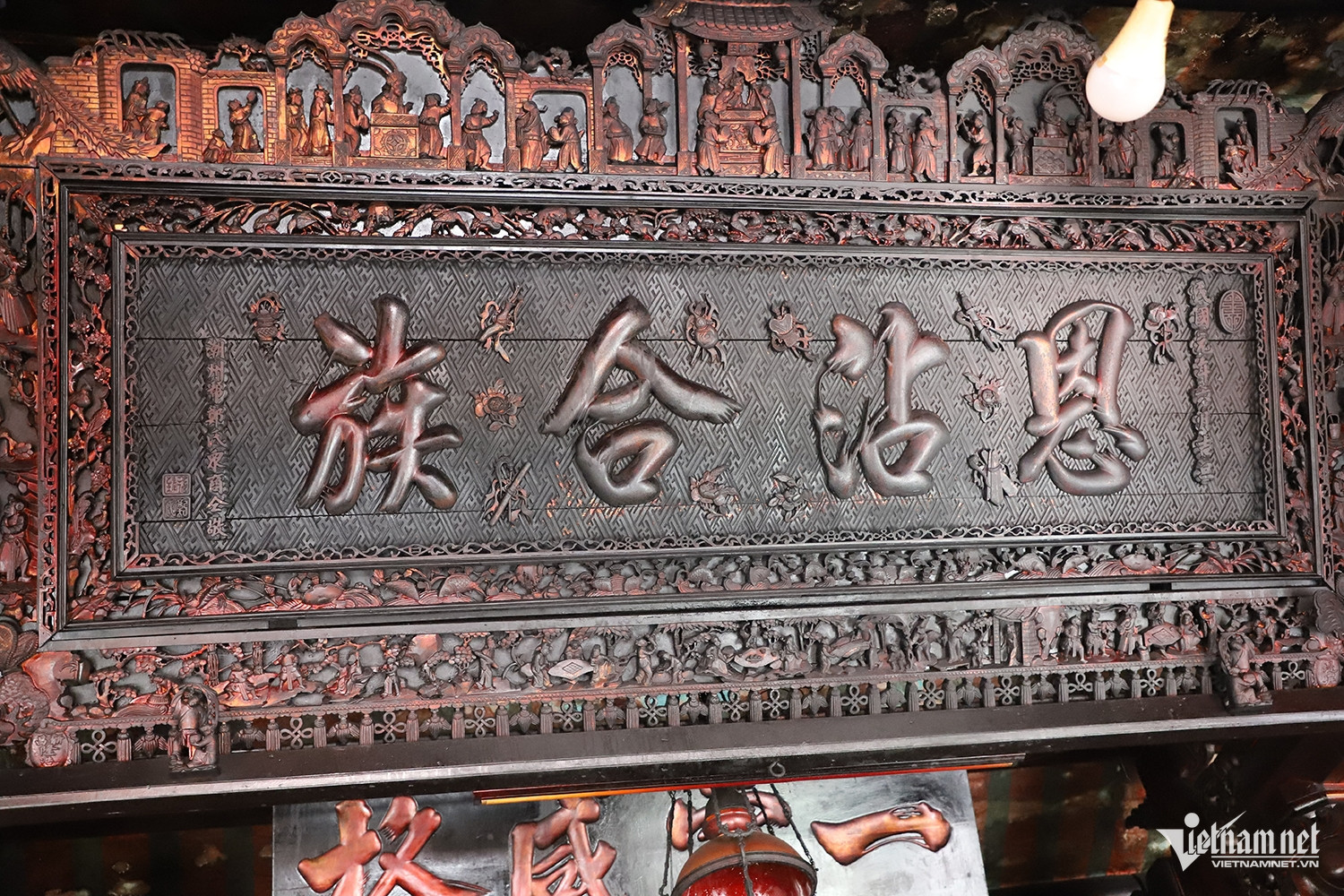
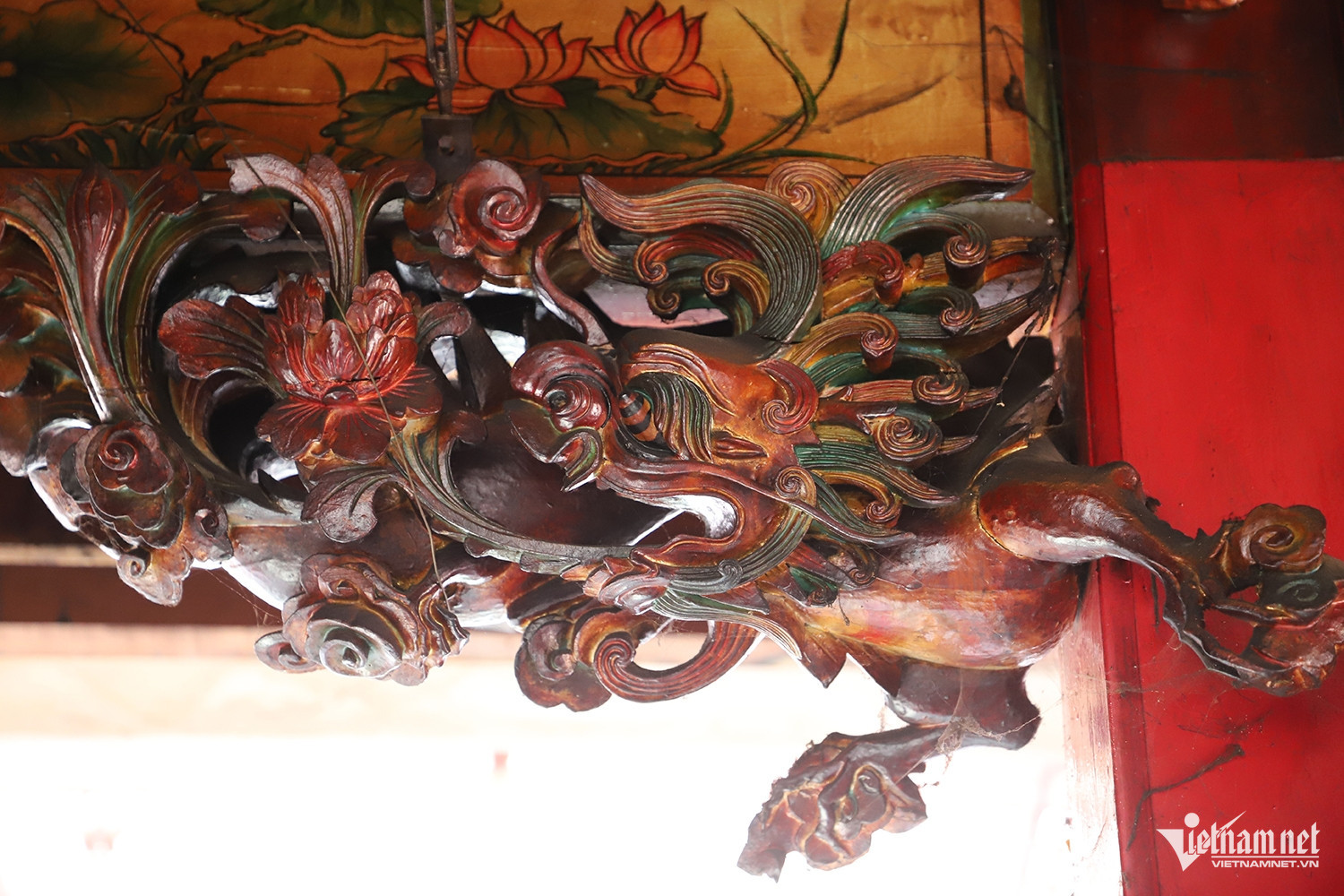
Devotees pray beneath handcrafted wooden carvings and gold-leaf panels.
Tran Tuyen
.svg)
