 Vietnamnet.vn

 Podcast



Linh Trang
During the Lunar New Year holiday 2026, travelers can set aside time to visit these old villages on the outskirts of the capital, not only to capture time-worn frames rich in history, but also to listen and feel the cultural stories and traditional ways of life that have been quietly preserved across generations.
Duong Lam village
Located about 50km from the center of Hanoi, Duong Lam ancient village feels like a gateway through time, carrying visitors back to the old northern countryside each Tet season.
Without the noise and bustle, Duong Lam enchants with the familiar, contemplative beauty of banyan trees, communal wells and village courtyards - images deeply etched in the memory of rural Vietnam. Each ancient house here is not merely an architectural structure, but a story about the traditional lifestyle of families and clans.
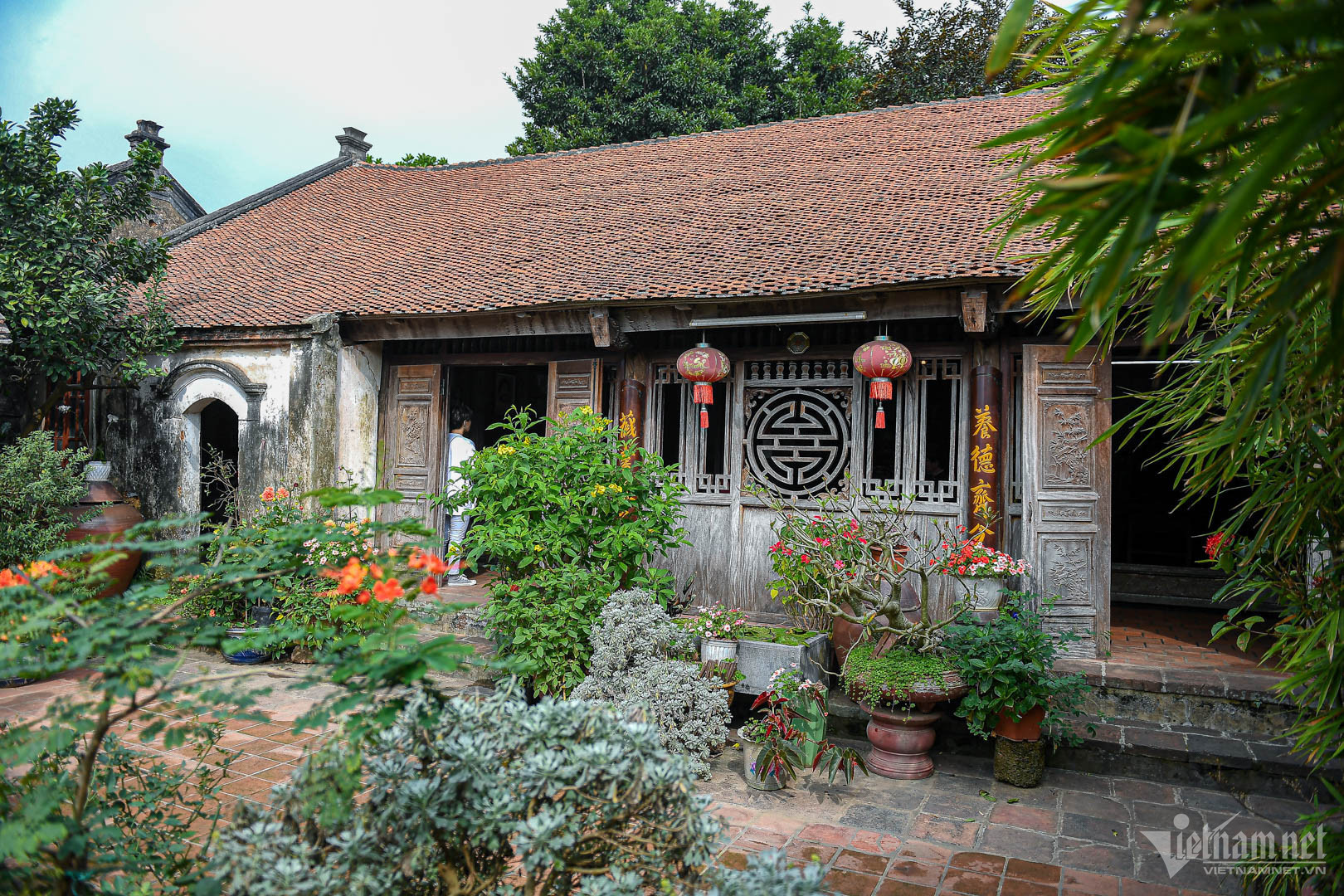
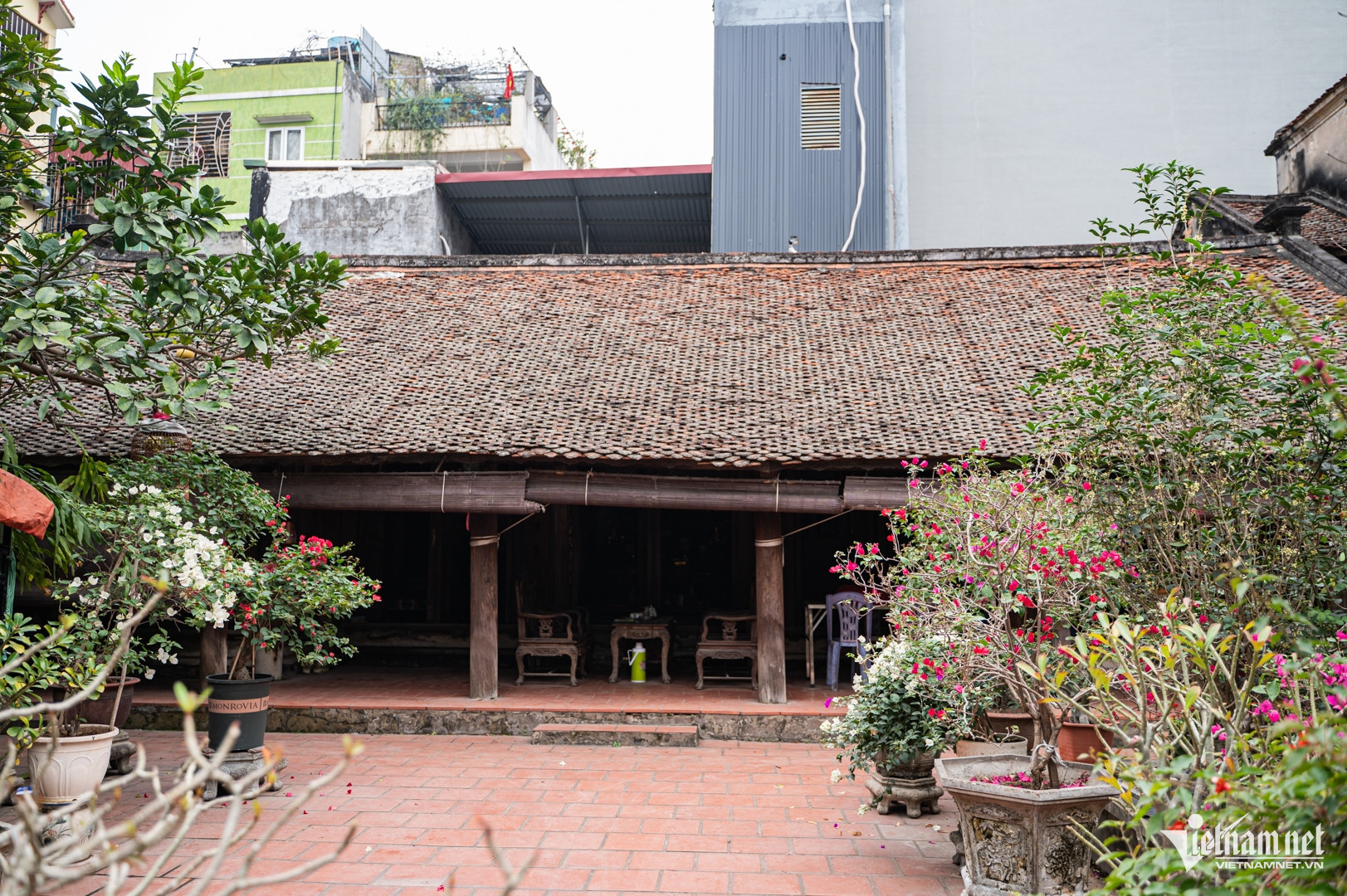
The house of writer Ha Nguyen Huyen in Duong Lam ancient village (Son Tay, Hanoi) is classified as a first-grade civil ancient house relic, nearly 300 years old. The main house consists of five compartments and two lean-tos, designed in the “noi tu, ngoai khach” style - worship space inside, reception space outside. It holds immense historical, cultural and spiritual value for the Ha lineage, one of the village’s large and traditionally studious families.
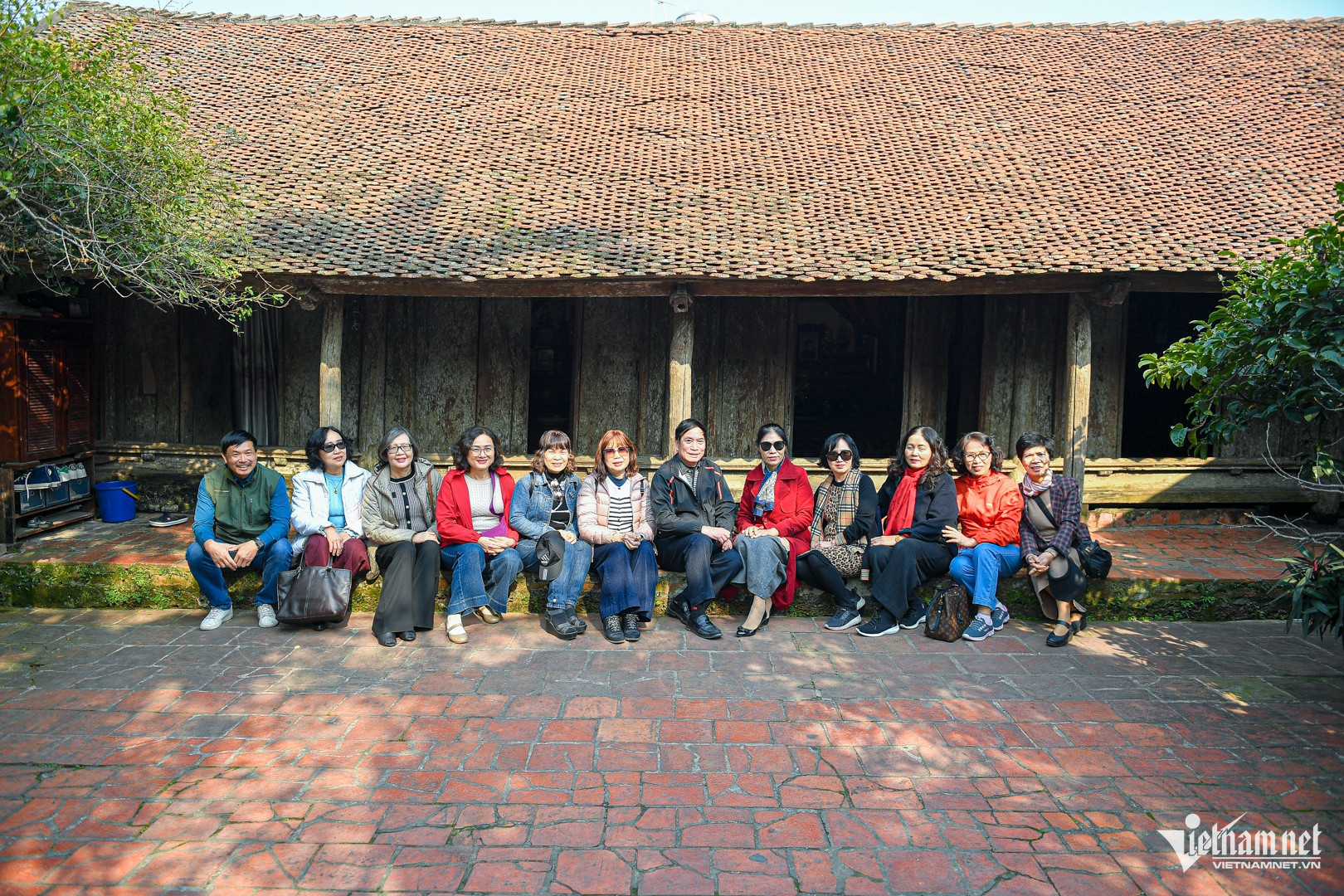
The ancient house of Nguyen Van Hung’s family was built in 1649. Roofed with layered “mui hai” tiles that have withstood centuries, the interior preserves numerous culturally and historically valuable antiques such as porcelain vases, ceramic bowls and three-legged bronze trays.
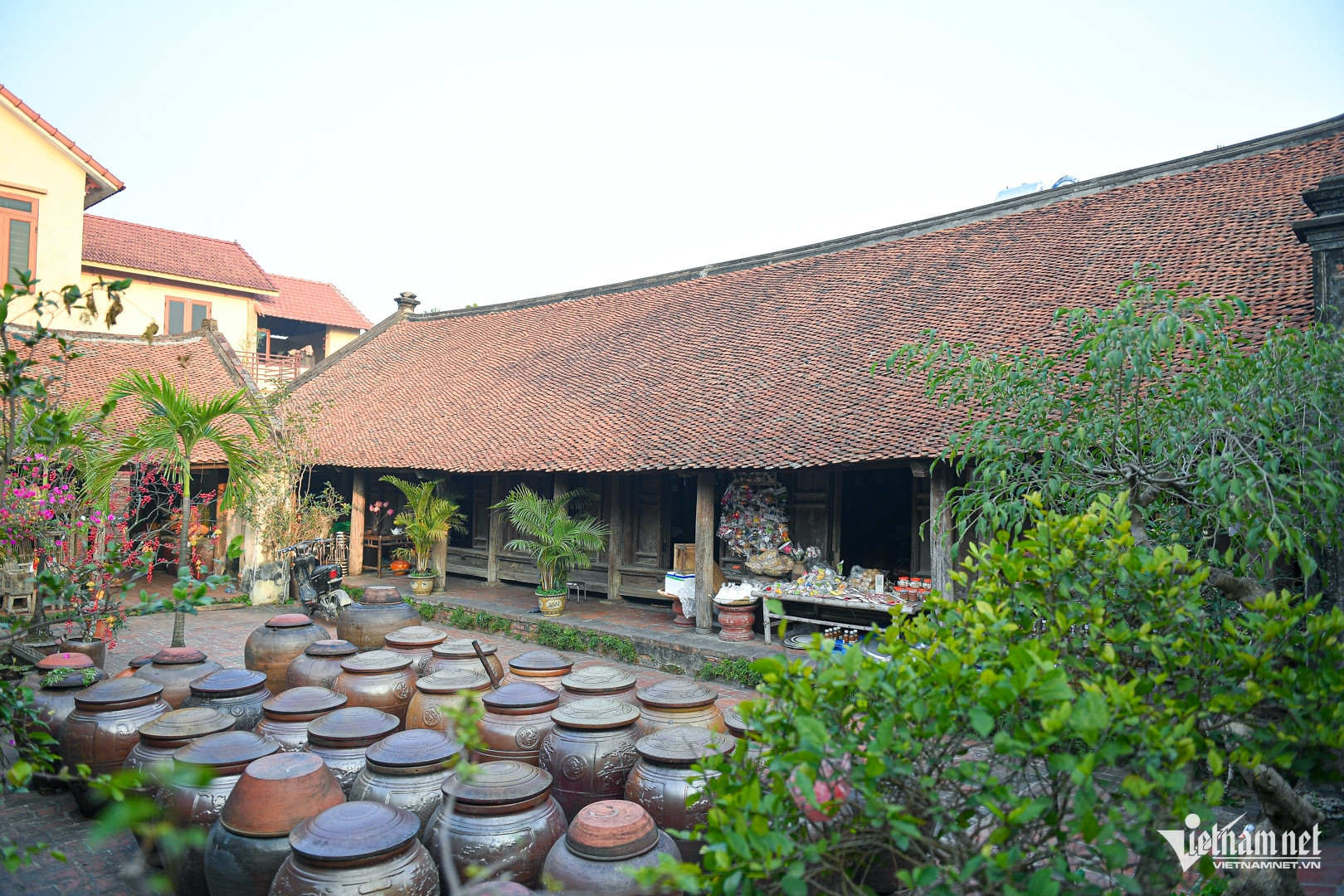
The more than 300-year-old house of Mr The’s family features a courtyard filled with jars of fermented sticky rice soybean sauce - a specialty of Duong Lam. The house has seven compartments and two side wings, with a roof of traditional tiles, a baked-brick floor and rustic laterite stone walls.
Cuu Village
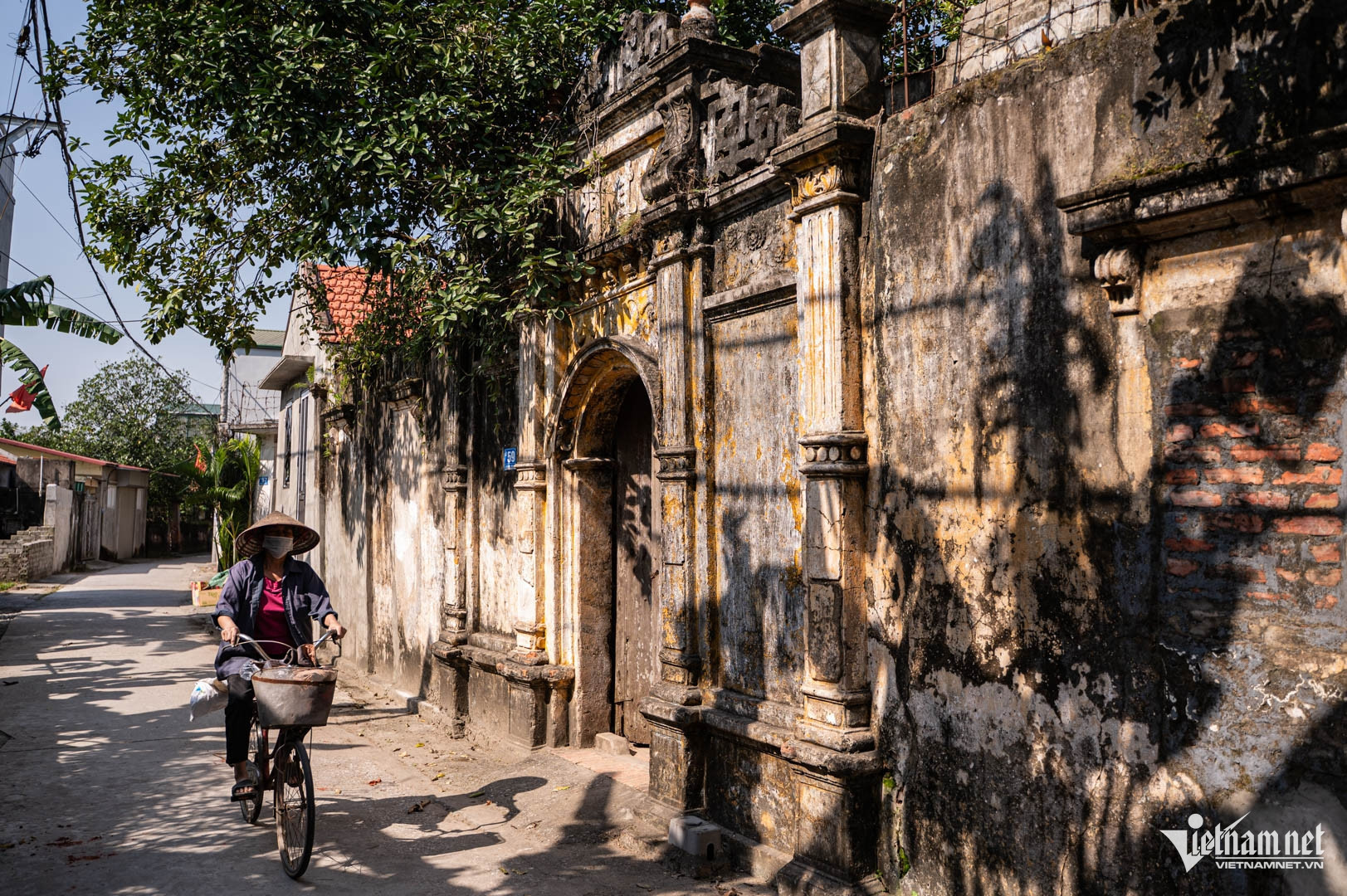
More than 40km south of Hanoi’s center, Cuu Village in Chuyen My commune, formerly Van Tu commune of Phu Xuyen district, retains the serene, time-stained charm of a northern rural settlement. Today, it is likened to a living museum, drawing visitors who are passionate about architecture, photography and history.
Cuu Village is home not only to banyan trees, wells and communal yards, and traditional sloping-roof houses with wooden gates, ironwood columns, panel doors and brick-paved courtyards, but also to two- and three-story villas marked by distinctive French architectural features. Though many of these villas have deteriorated and are now cloaked in moss, they still reveal a once-prosperous golden era in this centuries-old village.
Here, visitors can meet local residents to learn about that flourishing past, when numerous families became wealthy thanks to tailoring Western-style suits, once considered the finest in the old capital.
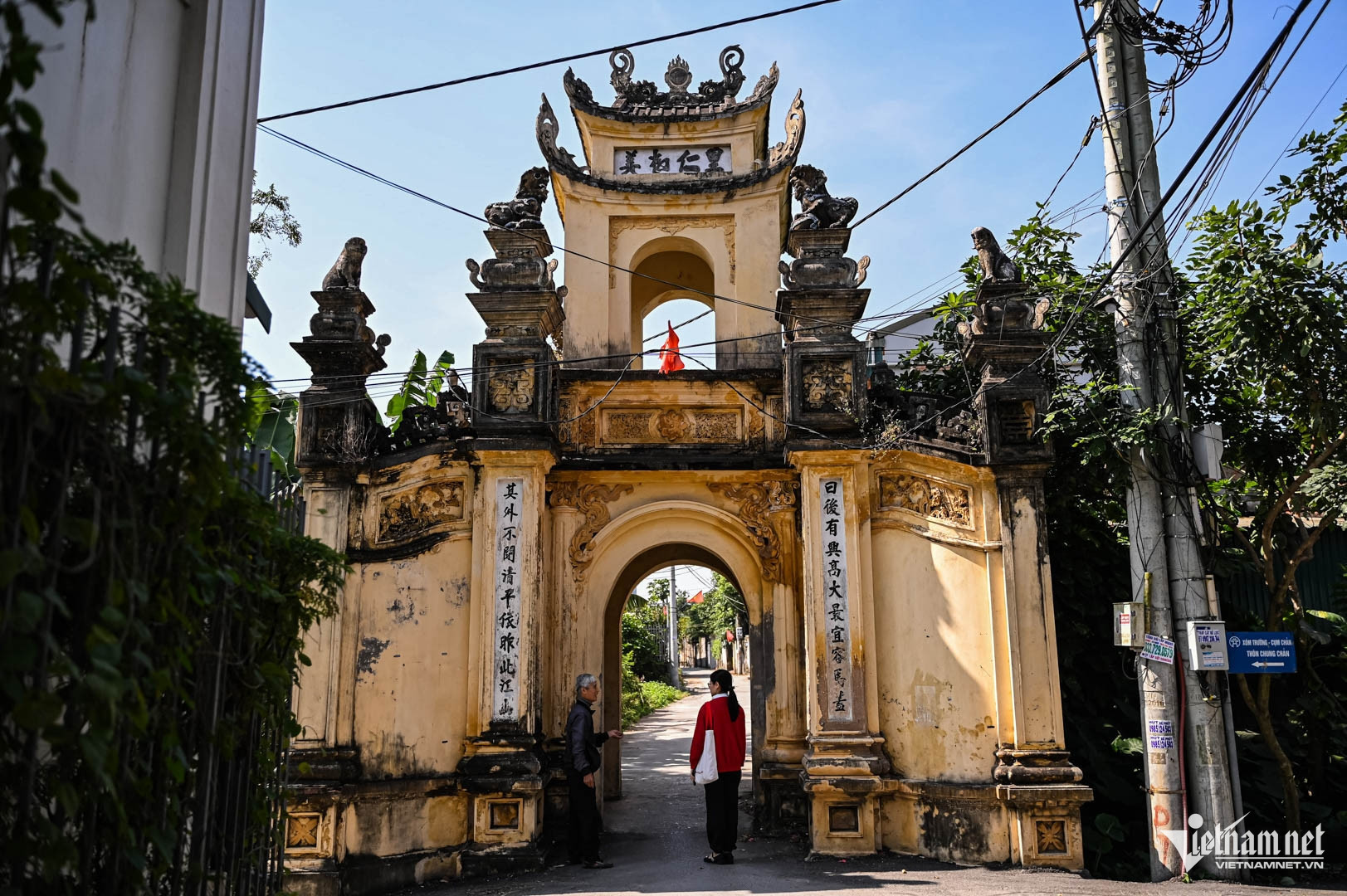
The village gate is elaborate and imposing, complete with upper levels, tiled roofs and stairways, built in the “quyen thu” style, resembling a giant open book welcoming guests inside.
In addition to exploring the village’s peaceful and nostalgic atmosphere, visitors can also discover three nearby traditional craft villages: Van Tu tailoring, Chuyen My mother-of-pearl inlay and lacquerware, and Phu Yen leather shoes.
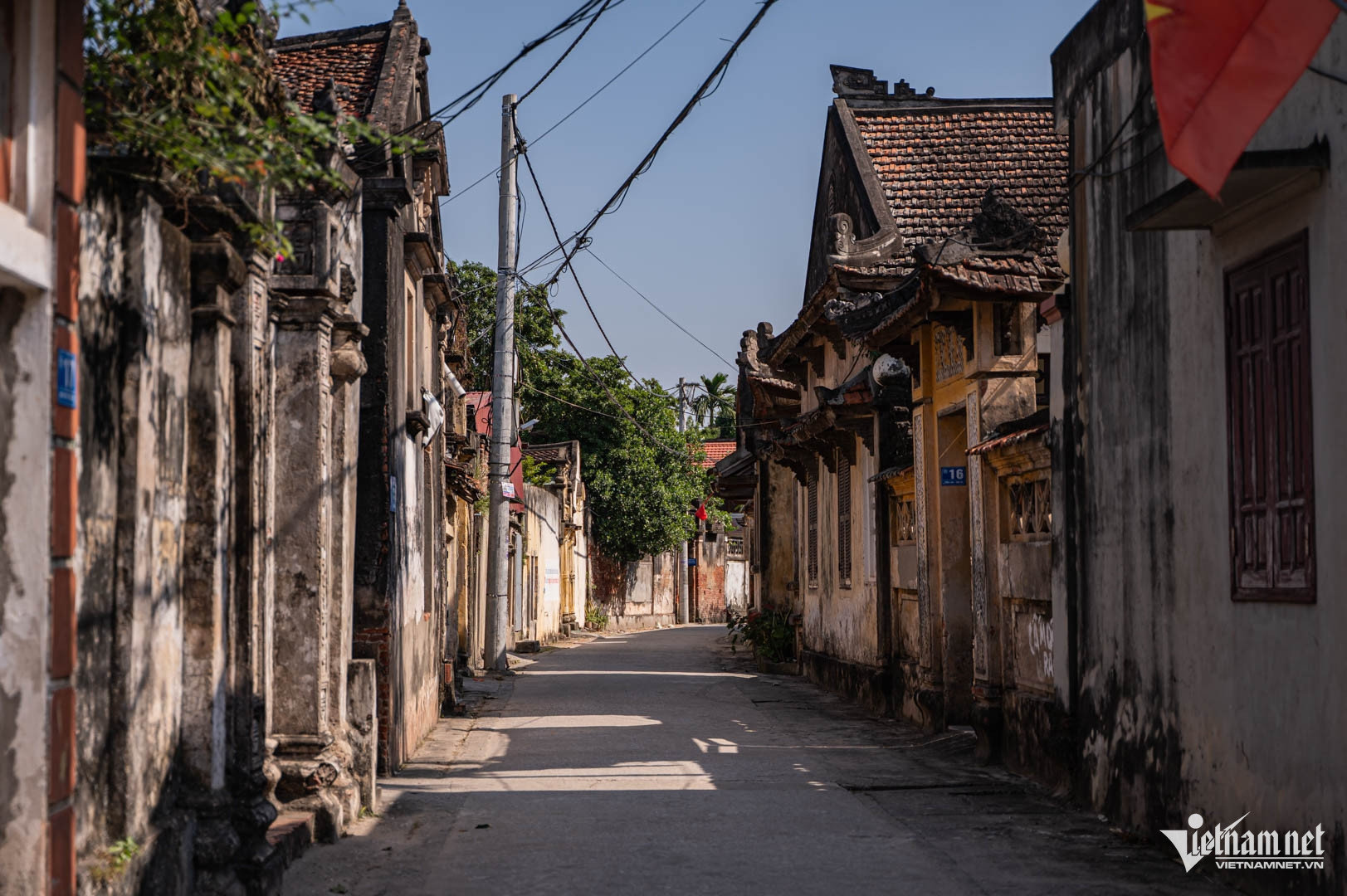
Dong Ngac village
Dong Ngac village, now part of Dong Ngac ward in Hanoi, dates back several centuries.
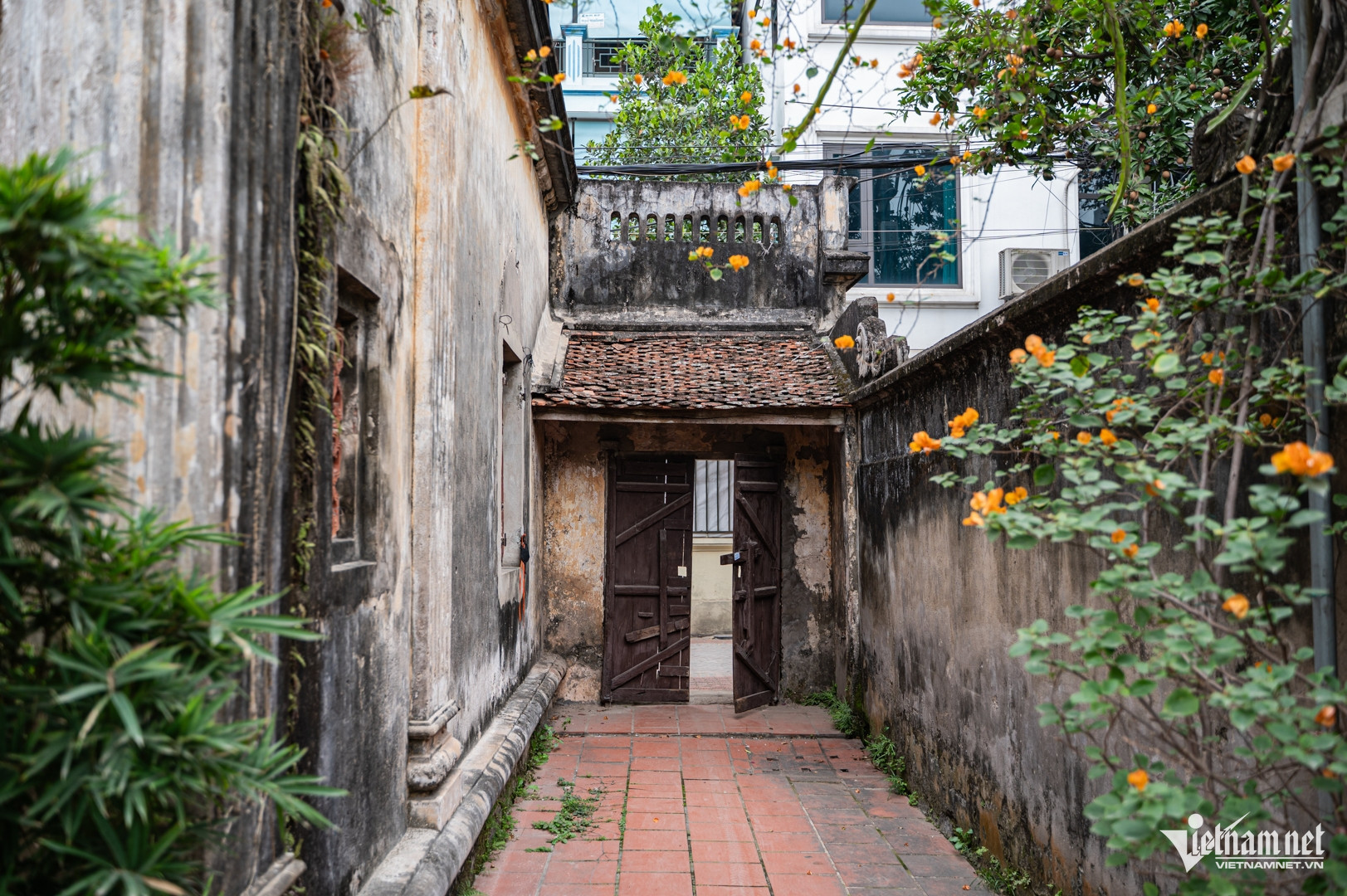
Despite the changes of time and being only about 10km from the city center, the village has preserved its old-world beauty, with around 100 houses that are more than a century old. Many travelers come here to admire wooden houses that have stood for generations and to enjoy a tranquil space in the midst of urban life.
Dong Ngac has a rather distinctive layout. The village sits neatly between two major traffic axes: the main dyke road in front and the bustling Ke Ve route behind.
It is planned almost like a chessboard, with central longitudinal axes and alleyways branching out like fishbones, straight and easy to navigate. Alleys such as Dong, Ngac, Ve, Chung, Ngan and Chua are not isolated but interconnected through small passageways.
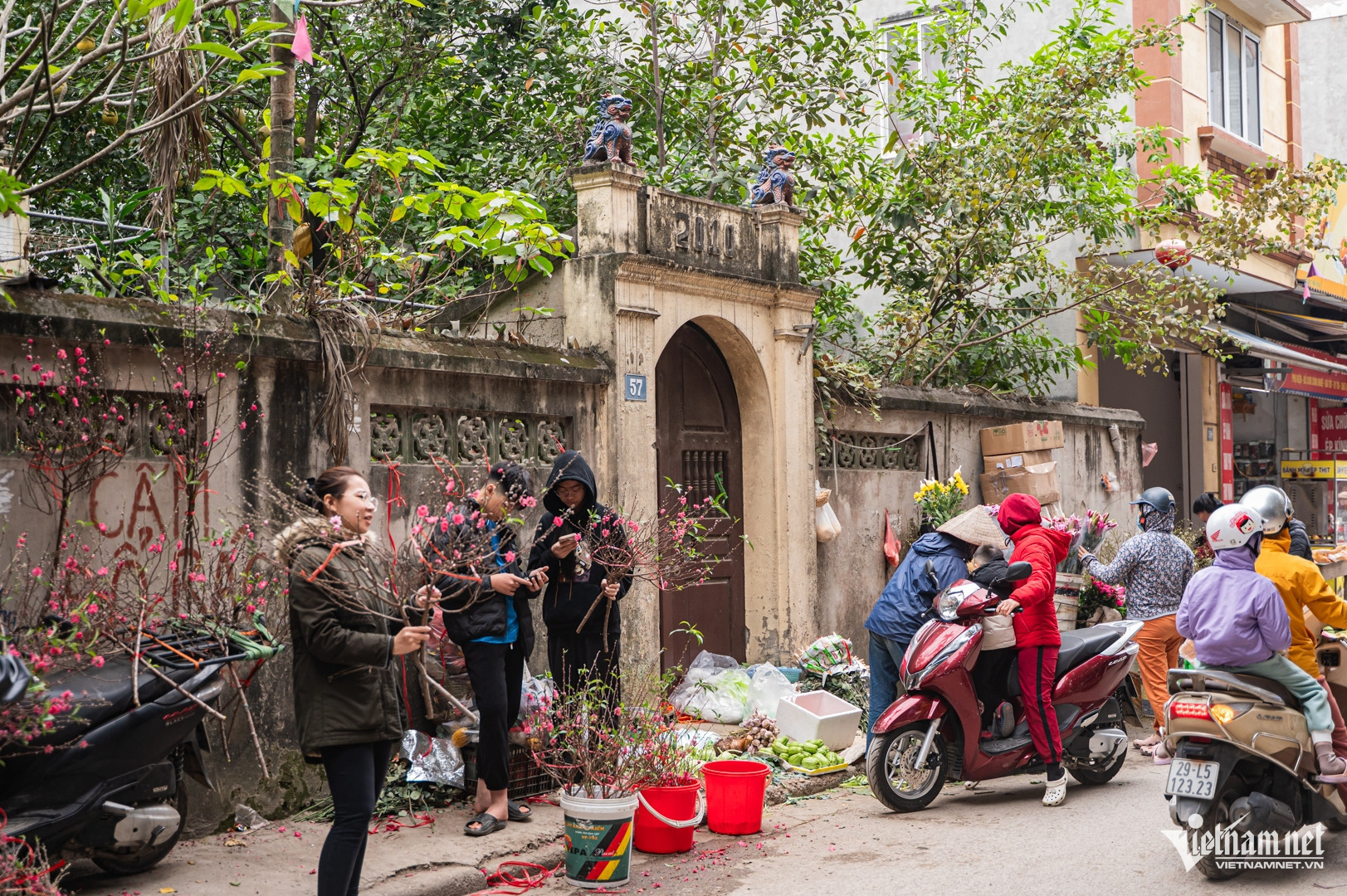
Walking around the village, visitors may encounter numerous century-old gates, often shaped like brush towers and ink slabs, symbolizing the village’s long-standing scholarly tradition and rich cultural heritage.
While here, travelers should also spend time visiting Dong Ngac communal house, which bears the hallmark of traditional northern communal house architecture.
.svg)
