 Vietnamnet.vn

 Podcast



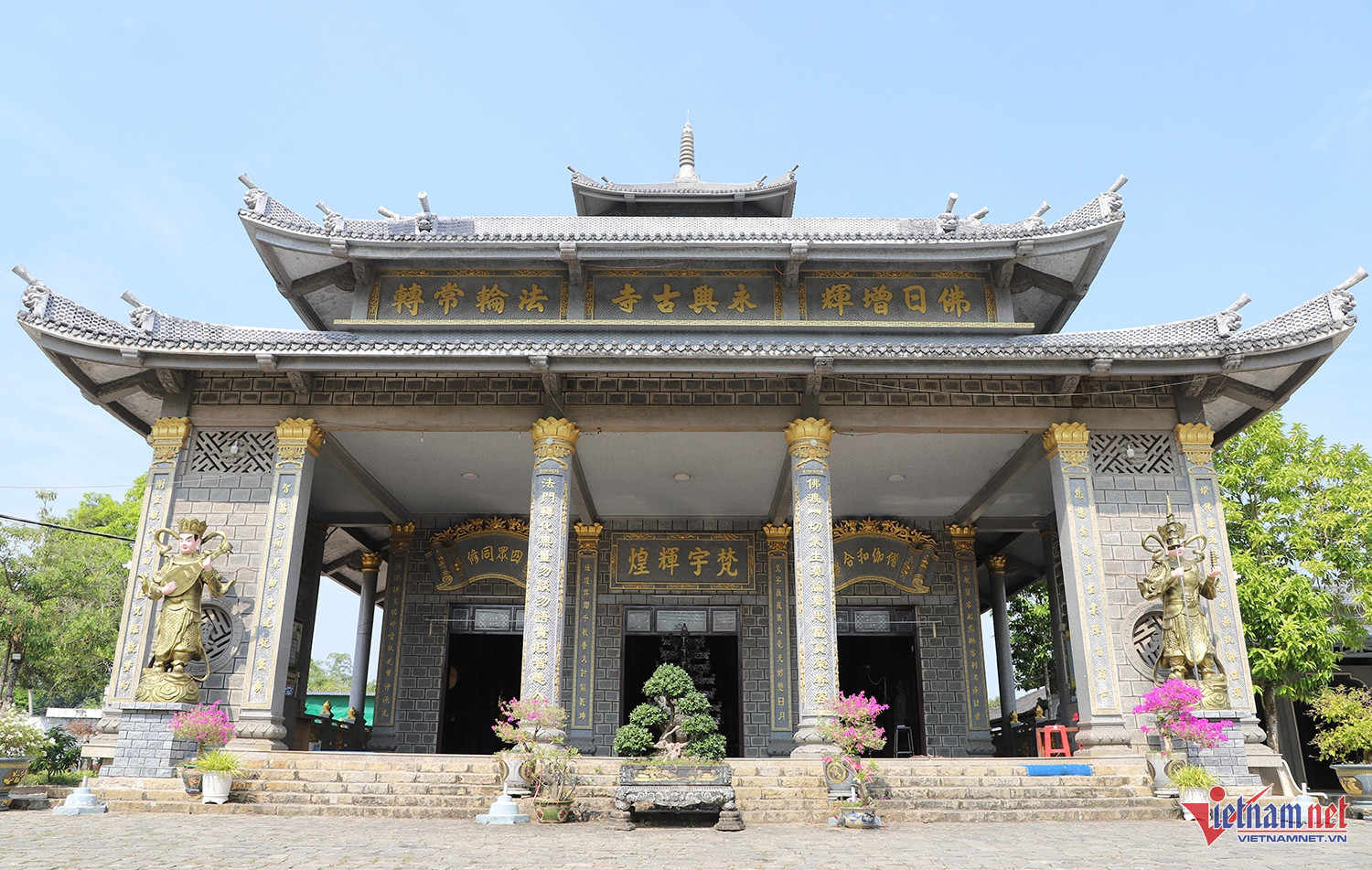
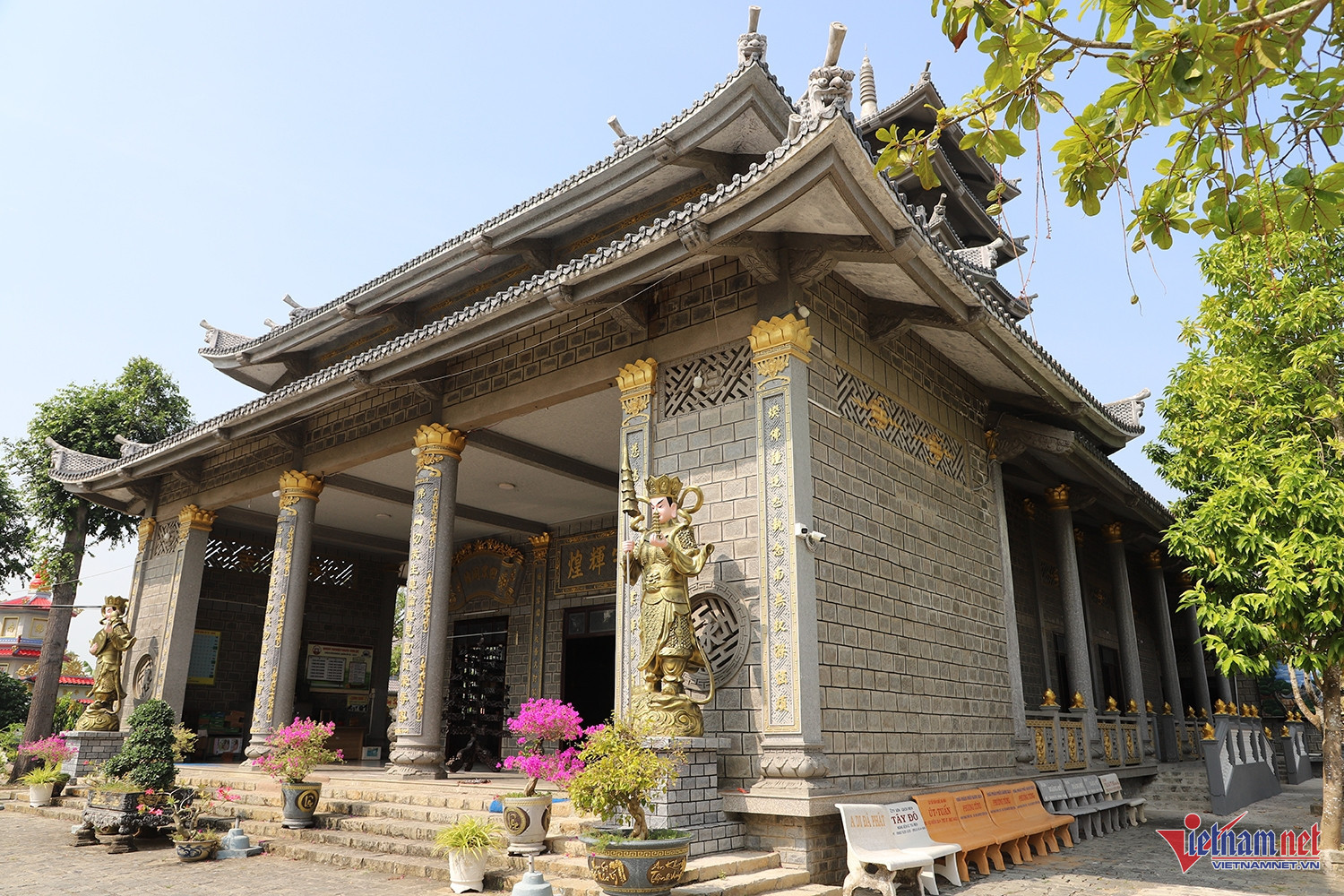
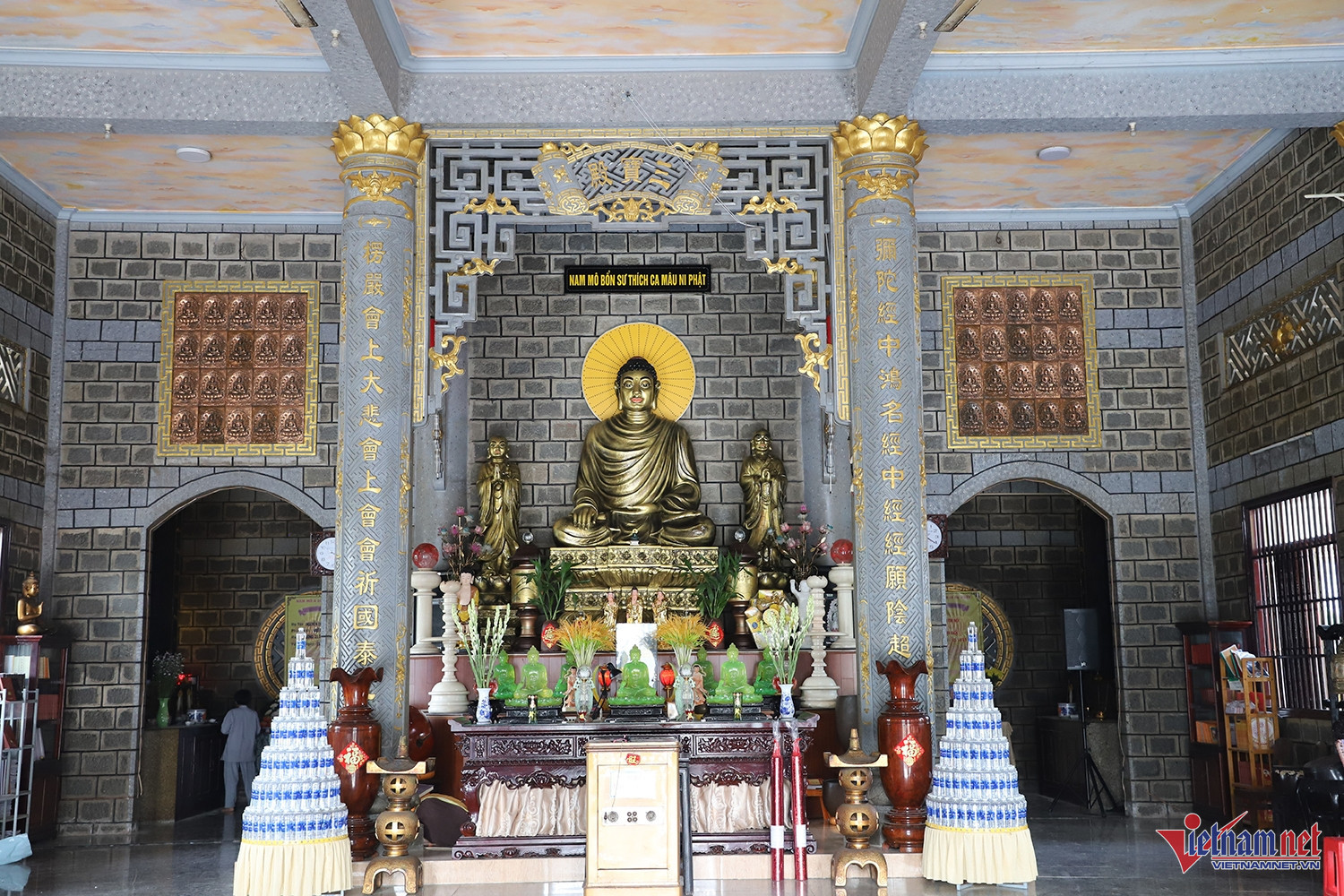
Located on Tran Hung Dao Street in Phu Loi Ward, the temple leaves a lasting impression thanks to its construction: an entire structure made of tens of thousands of solid rectangular stone blocks. The result is a raw yet resilient beauty that sets it apart.
According to the abbot, Venerable Thich Thanh Lap, the temple was first built in 1912 by a local devotee. A legendary tree once stood at the entrance, casting shade over the grounds year-round, leading locals to affectionately call it “the Temple of the Ancient Tree.”
Over the decades, the temple has undergone two renovations, the most significant of which took place in 2009. At that time, the temple leadership envisioned creating a structure that would last through generations, blending natural beauty with cultural and spiritual depth. That vision gave rise to the monumental stone temple seen today.
One longtime devotee recalls that during construction, thousands of stone blocks were transported by water from central provinces to the Mekong Delta.
“Each shipment arrived around 6 or 7 in the evening, and it often took until 3 a.m. to fully unload. The monks and devotees would stay up all night moving and stacking the stones,” they recounted.
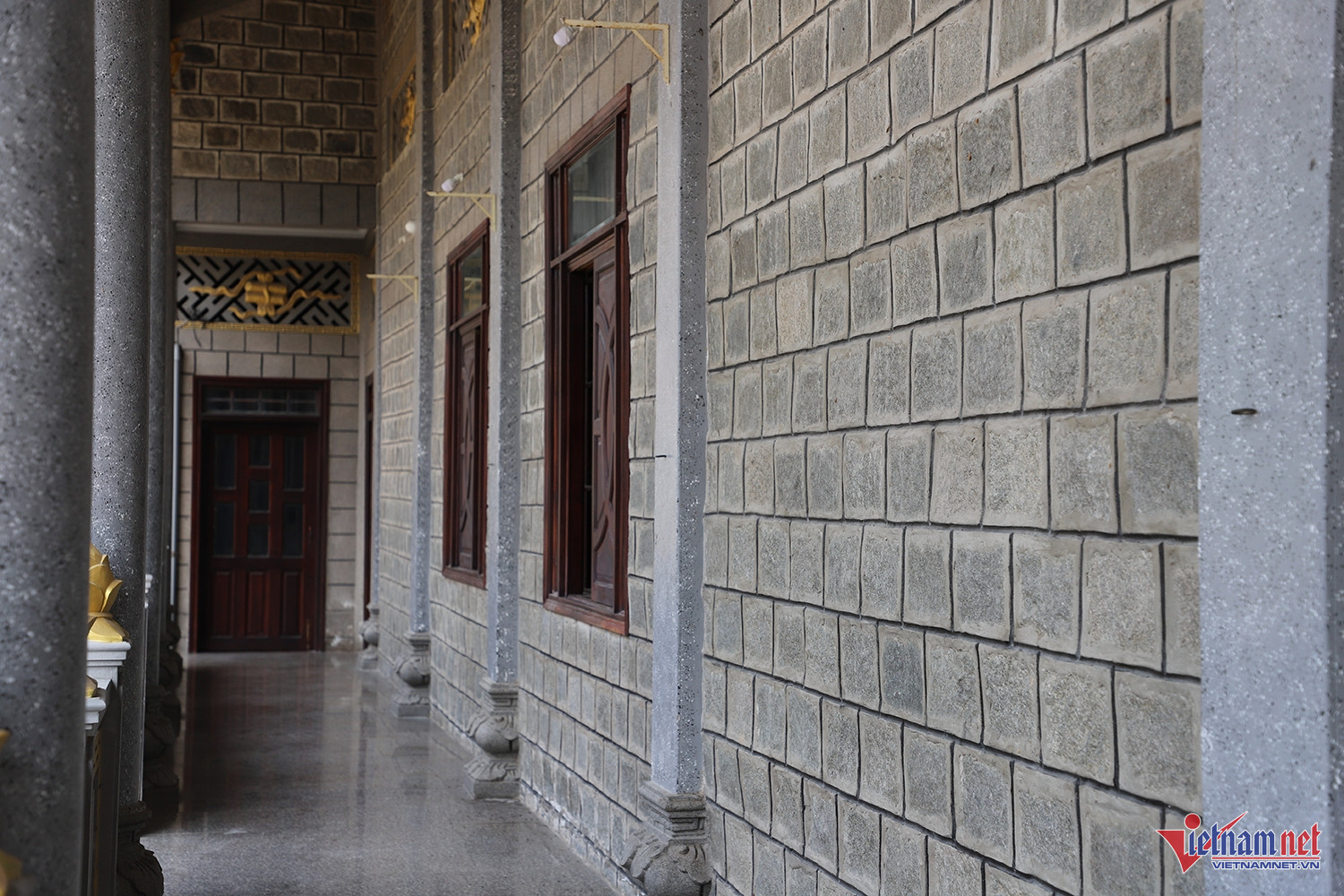
Every element of the temple - from the main gate and ceremonial halls to the courtyards and fences - was constructed using solid rectangular blocks of stone. Each block, measuring roughly 30 by 20 by 20 centimeters, was hand-selected and meticulously carved by stoneworkers from central Vietnam.
These stones, stacked without plaster, retain their natural, earthy color, giving the temple a grounded and solemn feel. Yet the structure still exudes serenity, a sense of spiritual stillness held together by the quiet strength of its materials.
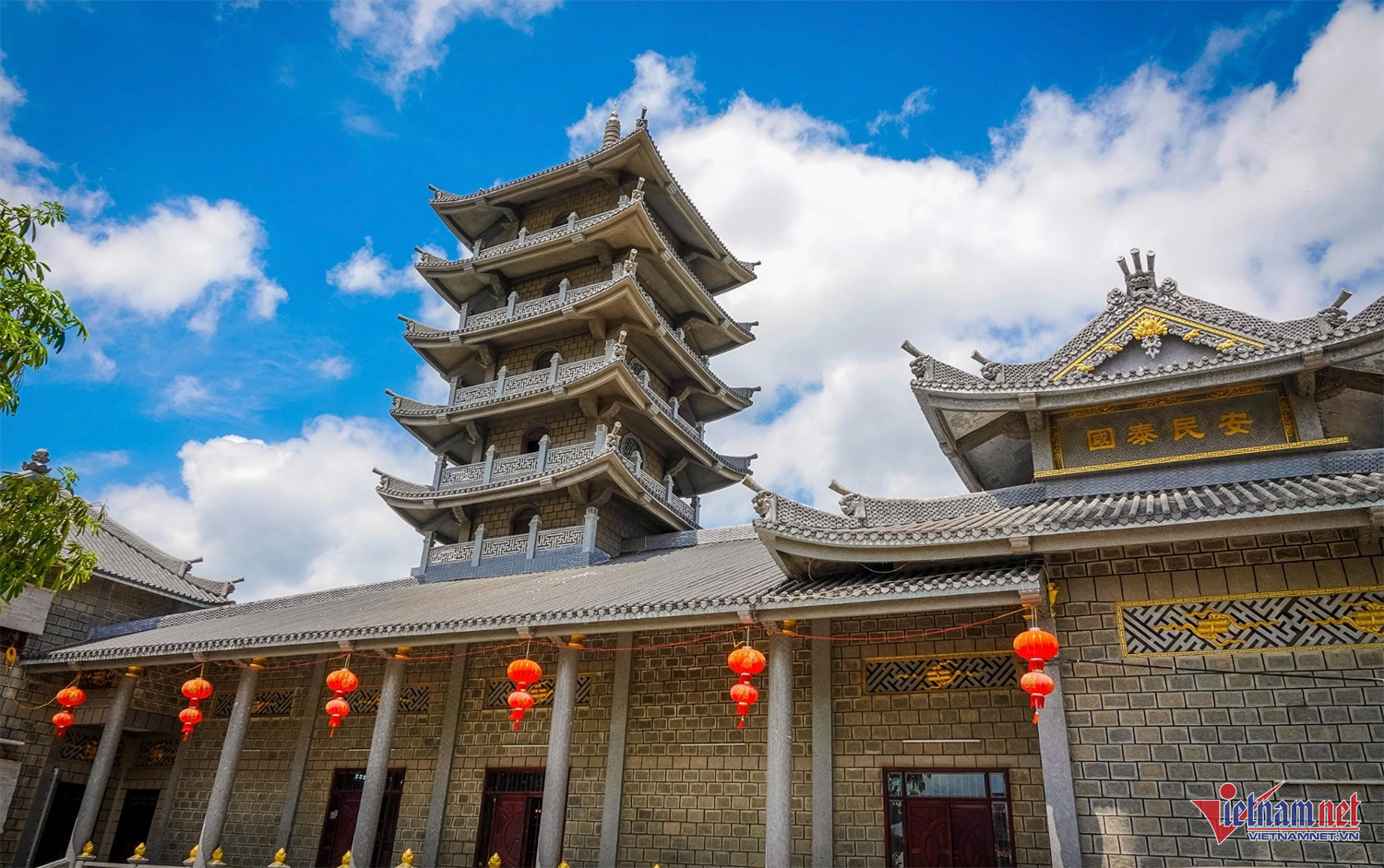
The temple’s layout includes a three-entrance gate, the main hall, ancestral house, Buddha tower, and a bonsai rock garden. Lush greenery and ornamental plants are thoughtfully arranged across the grounds, creating a tranquil harmony between nature and stone.
Before the main hall, two intricately carved white stone lion statues stand guard, welcoming visitors with a sense of reverent majesty. The hall itself is spacious, with a tiled roof featuring “tiger face” motifs - a distinctive element in Japanese temple design that reflects a cultural confluence rarely seen in southern Vietnam. Delicately carved wooden doors add a layer of classical elegance to the space.
Behind the main hall is the ancestral shrine, where statues of Bodhidharma, the temple’s founding monk, and past abbots are venerated. Nearby stands a five-tier Buddha tower, crowned with a radiant stupa symbolizing spiritual illumination.
The temple’s artistic richness continues with its many stone statues, all carved from rare black stone blocks. These include statues of Shakyamuni Buddha, Avalokiteshvara, and two powerful Dharma protectors. Each statue is hand-sculpted, preserving the organic texture of the stone while capturing divine expressions of serenity and strength.
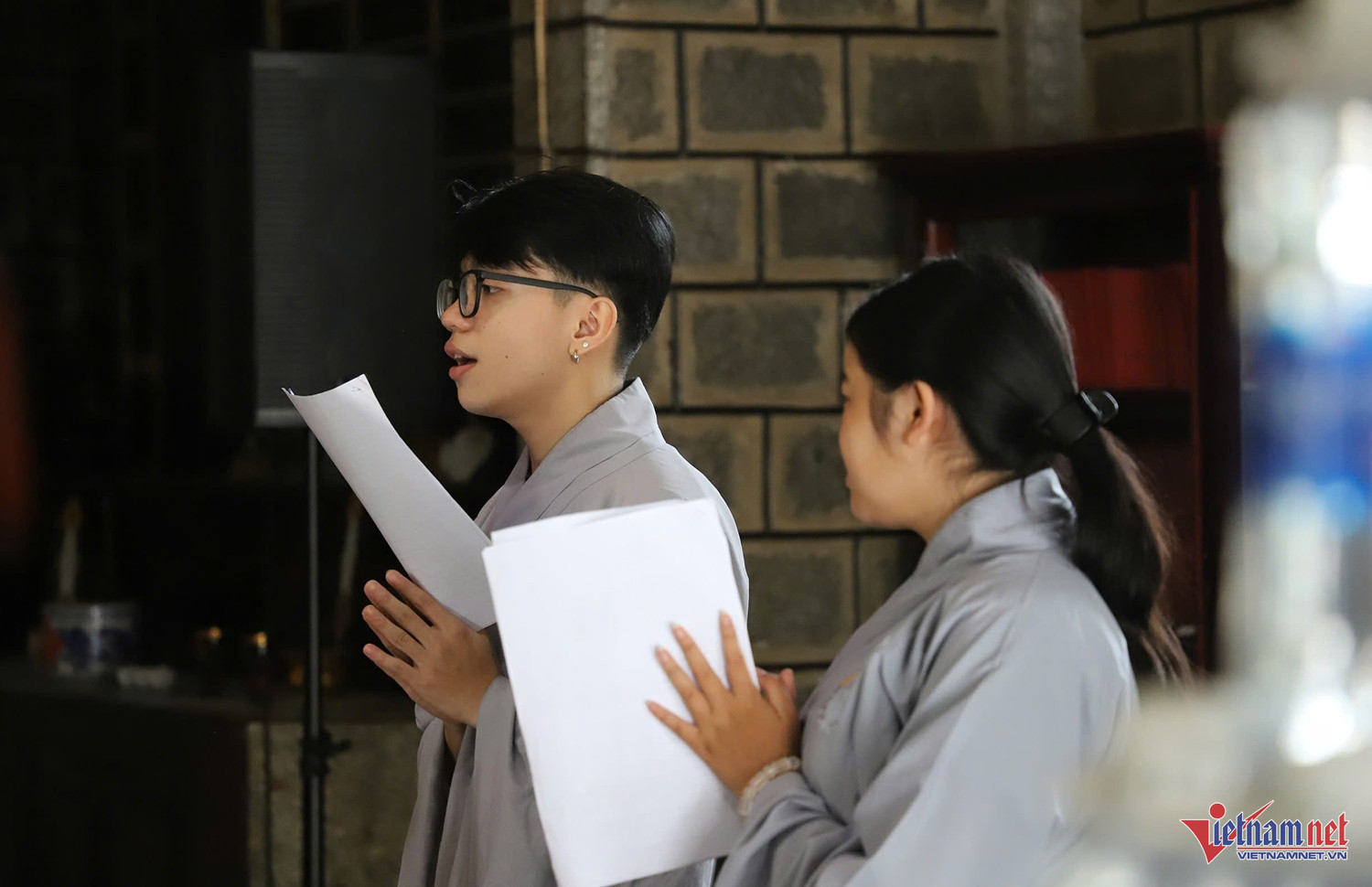
Today, Vinh Hung Temple is not only a place of worship and practice for local Buddhists but also a magnet for visitors from near and far. In particular, many young people come seeking a quiet, sacred space where they can reflect, explore, and find peace among the centuries-old stones of a rare spiritual treasure in the Mekong Delta.
Tran Tuyen
.svg)
