 Vietnamnet.vn

 Podcast



Lekima, also known as eggfruit, is a familiar sight across Vietnam’s Mekong Delta. Commonly grown in household gardens, the fruit can sometimes ripen and fall around the trees because growers struggle to find buyers. For many local people, it is an inexpensive, rather particular fruit with little economic value.
Born into a farming family in Truong Thanh Commune, Can Tho, Do Thi Xuan Dieu, 35, grew up watching agricultural prices rise and fall with each harvest. That familiarity with the uncertainties facing farmers ultimately led her to see a business opportunity in a fruit most people considered ordinary.
Leaving a well-paid job for home
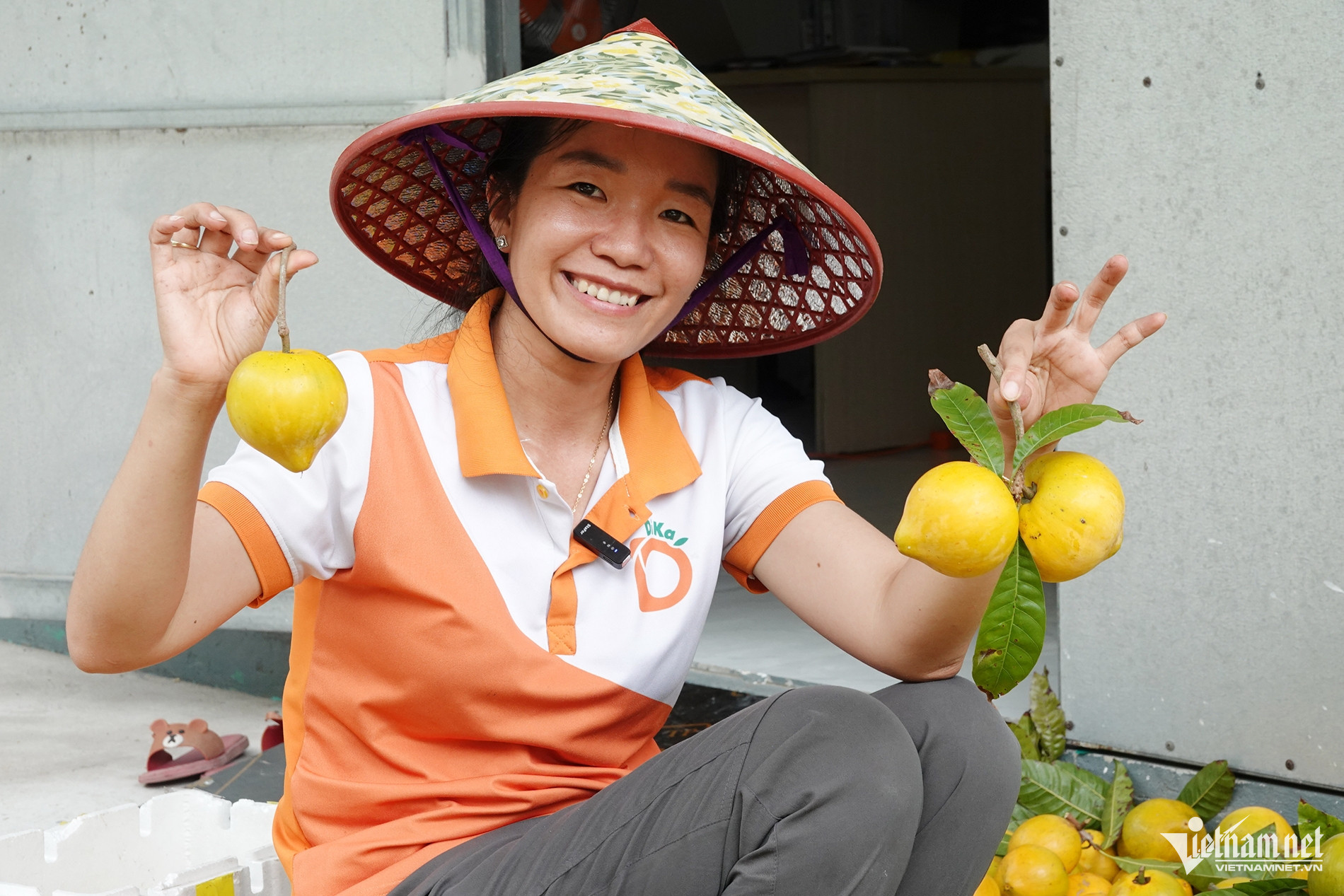
Before starting her own business, Dieu worked for several food companies, moving through sales and distribution roles before becoming a branch manager. Her most recent job paid her more than VND20 million ($750) a month.
Despite the stability, she wanted to create a product of her own, particularly one made from agricultural produce grown in her hometown. When she decided to resign and start a business, her family was understandably worried. An income of more than VND20 million a month was considered quite good back home.
“It was understandable that my parents weren’t happy to see their daughter give up a good income to ‘do something nobody had done before,’” she recalled.
The idea of working with lekima came during the COVID-19 lockdowns, when she saw the fruit falling throughout local gardens because there was no market for it. Some families had around a hectare of lekima trees but still struggled to sell their harvest.
Seeing how heavily local produce depended on traders and fluctuating markets, Dieu wanted to find a way to add value to an existing crop rather than replace it with something else. She also knew that lekima was valued for its nutritional qualities but remained relatively unpopular because fresh fruit spoils quickly and its rich texture can be difficult to eat in large quantities.
Determined to act, Dieu and her husband, who holds a master’s degree in food technology from Can Tho University, began experimenting with ways to turn lekima into a more convenient product.
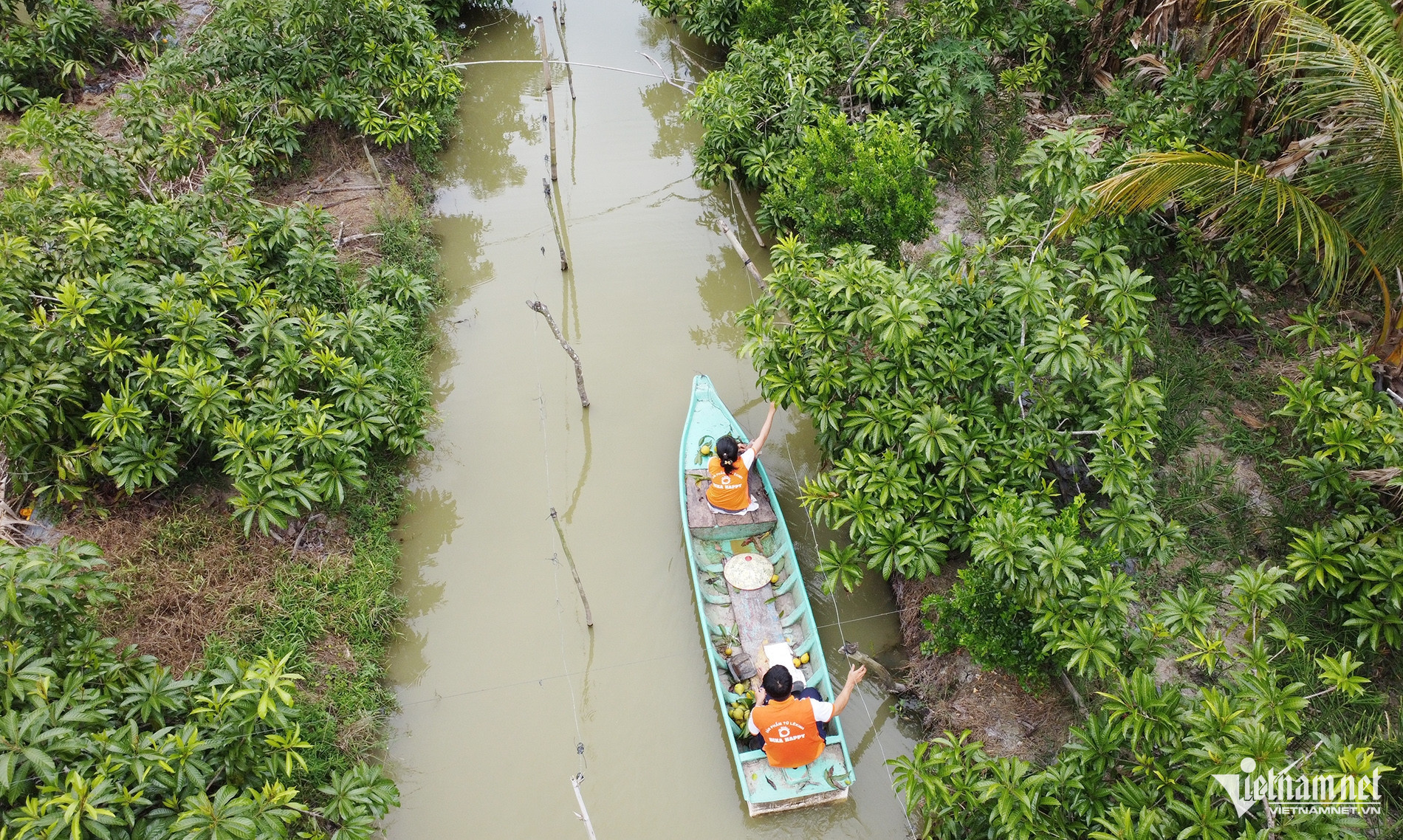
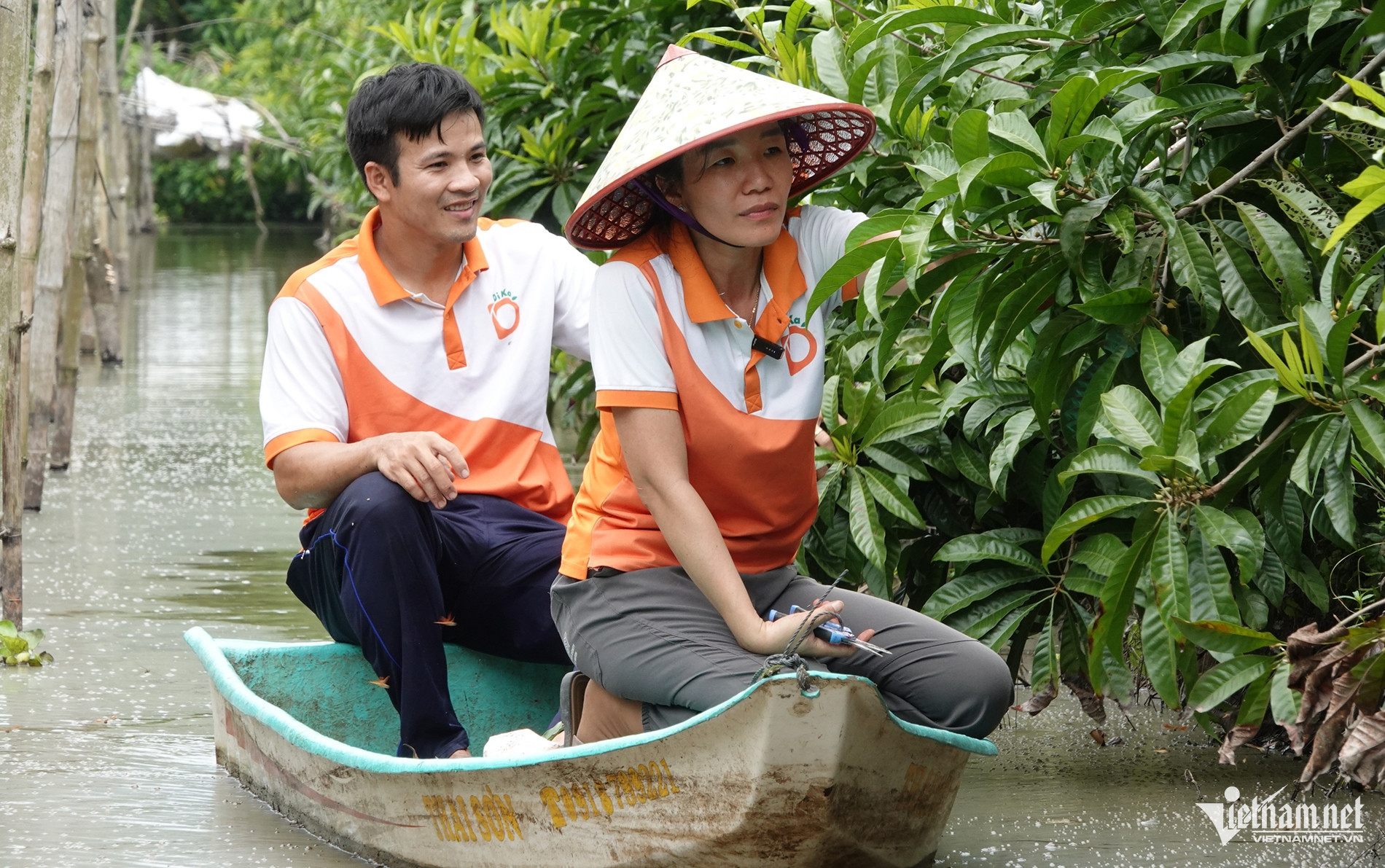
Their original plan was to dry the fruit and grind it into powder. But while experimenting at home with an air fryer, they discovered that partially dried lekima developed a distinctive texture and a pleasantly mild sweetness and aroma.
At the time, their biggest challenge was not money but technology. There were almost no comparable processed lekima products in Vietnam for Dieu to study, leaving the couple to experiment and refine virtually every stage themselves.
“There was no specific product for us to use as a reference,” she said. “Every day, we made a little, learned a little and then improved it.”
Dieu gave her first batches to relatives and friends, gathering feedback on flavor, chewiness and packaging before continuing to refine the product.
Another challenge was persuading consumers to recognize the value of a fruit traditionally seen as cheap and commonplace. Across the Mekong Delta, lekima can cost very little, and in some places ripe fruit is simply left on the ground. When a processed version appeared at a much higher price than the fresh fruit, many potential customers thought it was too expensive.
“People would taste it and say it was delicious, but once they heard the price, they wouldn’t buy it,” Dieu said.
She argued that consumers were paying not just for the raw fruit, but also for processing technology, labor, food safety standards and the added value of the finished product. In the early days, she therefore focused on offering samples or selling at the proper price rather than discounting heavily.
Gradually, that approach helped the product find its own customer base, particularly among consumers interested in clean food and products made from indigenous agricultural ingredients.
From fallen fruit to a four-star OCOP product
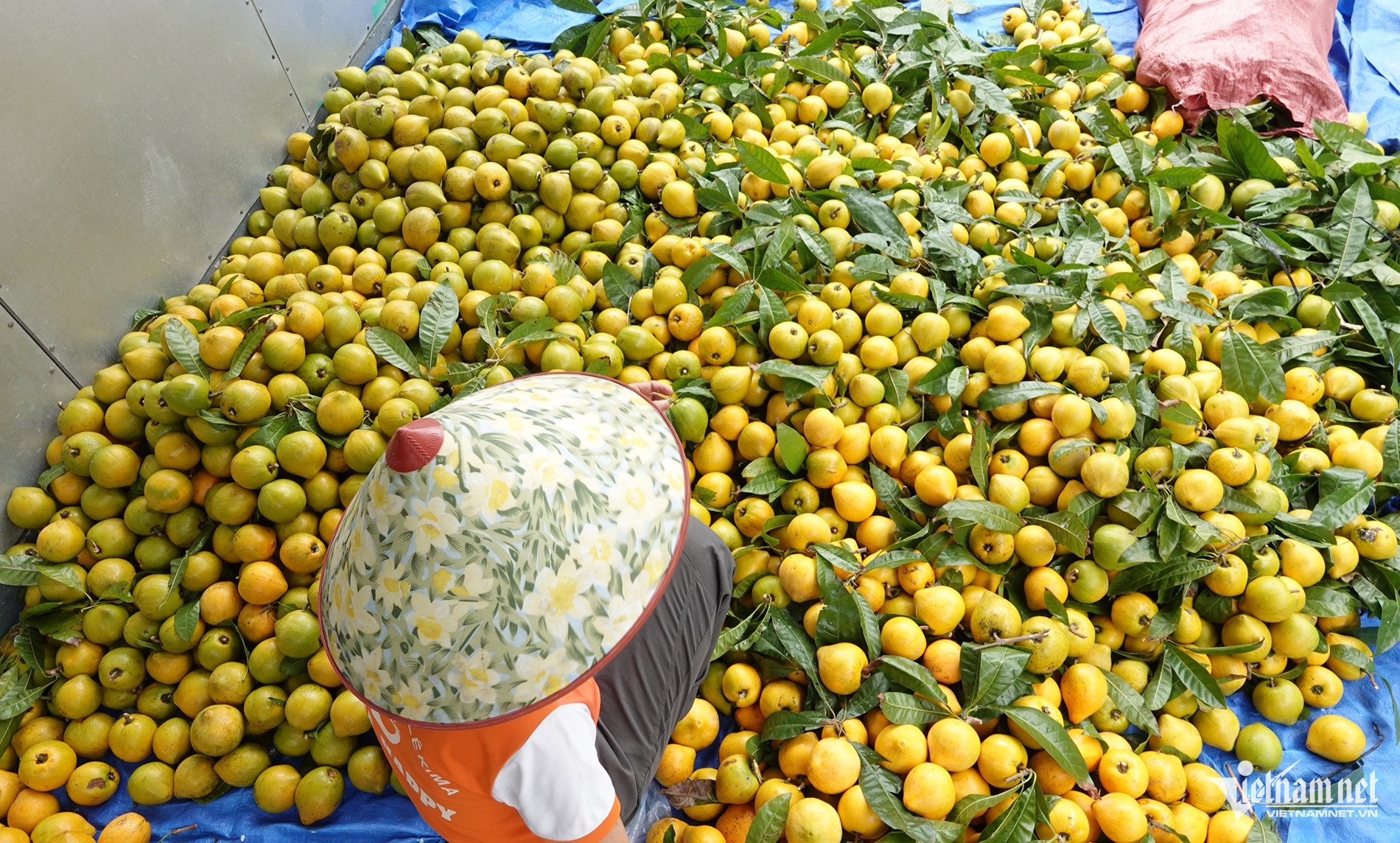
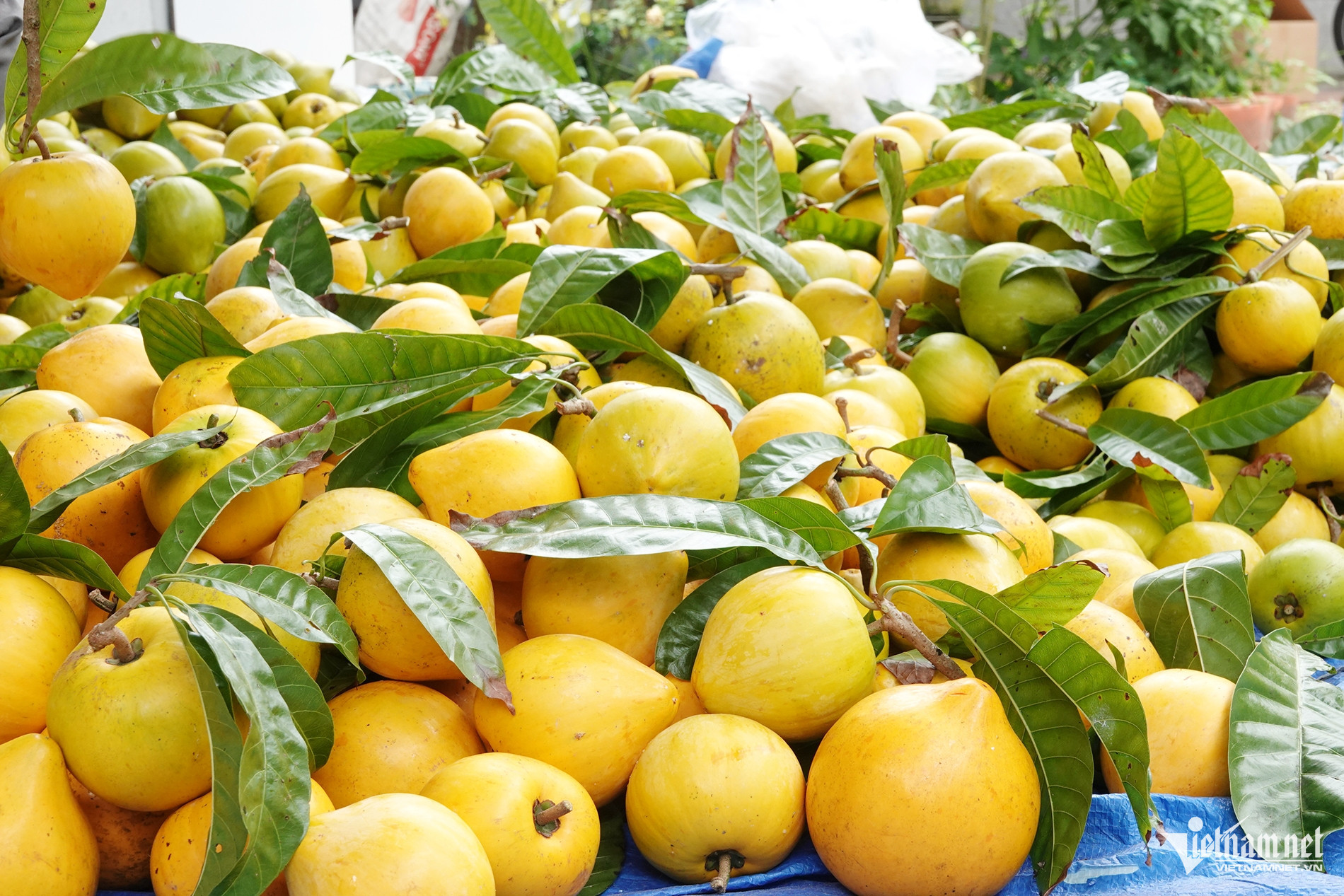
Dieu’s entrepreneurial journey did not produce overnight success. Between 2022 and 2025, her products were largely sold on a trial basis through small orders.
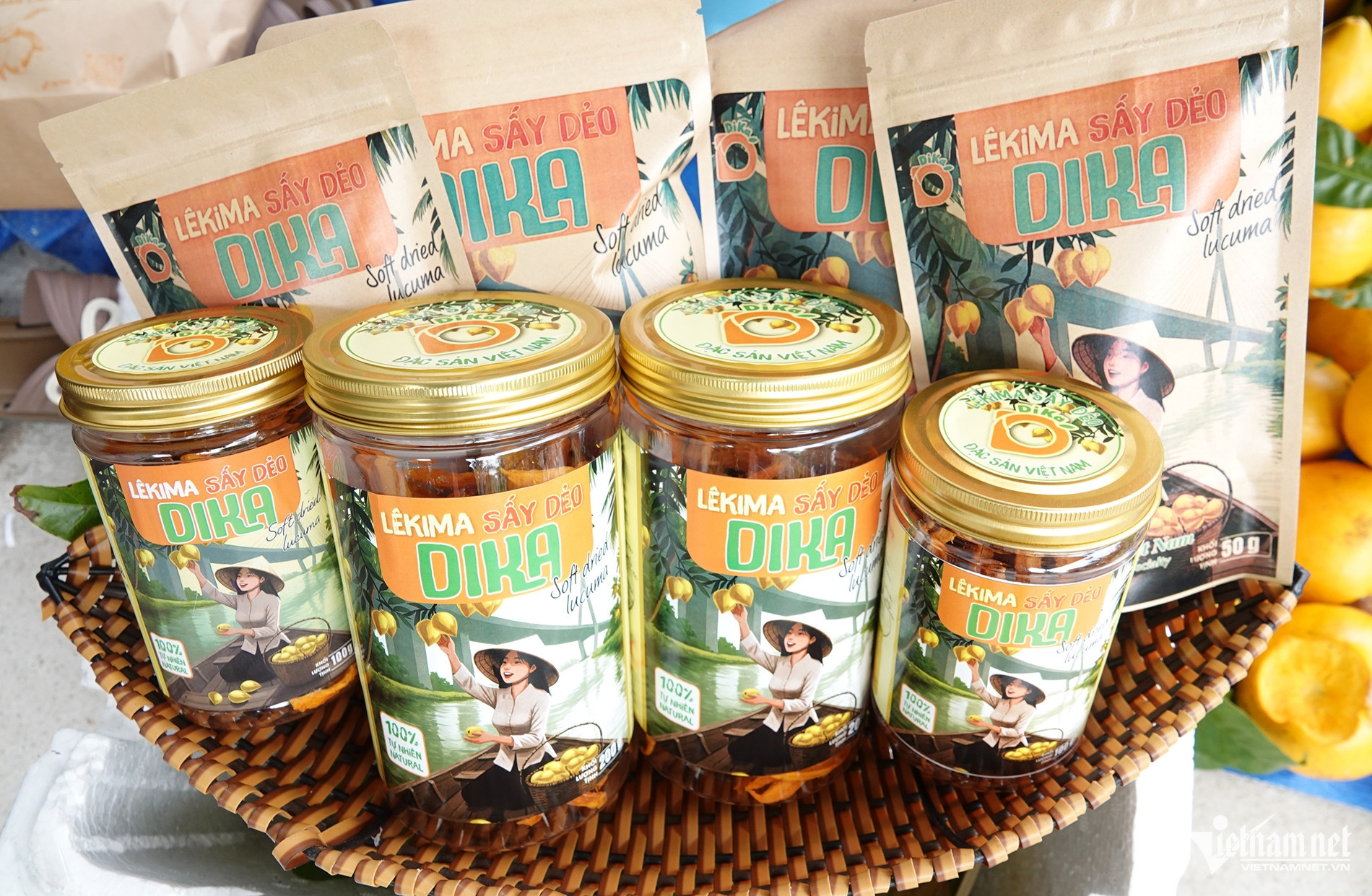
In late 2024, her lekima product was awarded four-star status under Vietnam’s One Commune One Product (OCOP) program, marking a milestone after years of experimenting with a product for which there was little precedent.
By 2026, the production facility had been upgraded, manufacturing conditions improved and work was underway toward HACCP standards, while online sales were being expanded.
Chewy dried lekima is currently the business’s best-selling product, reaching customers from northern to southern Vietnam. Demand has been particularly strong in Hanoi and Ho Chi Minh City, while some customers have also taken the products overseas in their luggage.
The facility now generates tens of millions of dong in monthly revenue, with sales increasing as retail and wholesale orders grow across e-commerce platforms.
Beyond processing, Dieu is working to establish a stable supply area. Her family has around two hectares of land, while more than 10 hectares are cultivated in partnership with nearby households. Dozens of families now grow lekima, including both long-established orchards and newly planted areas.
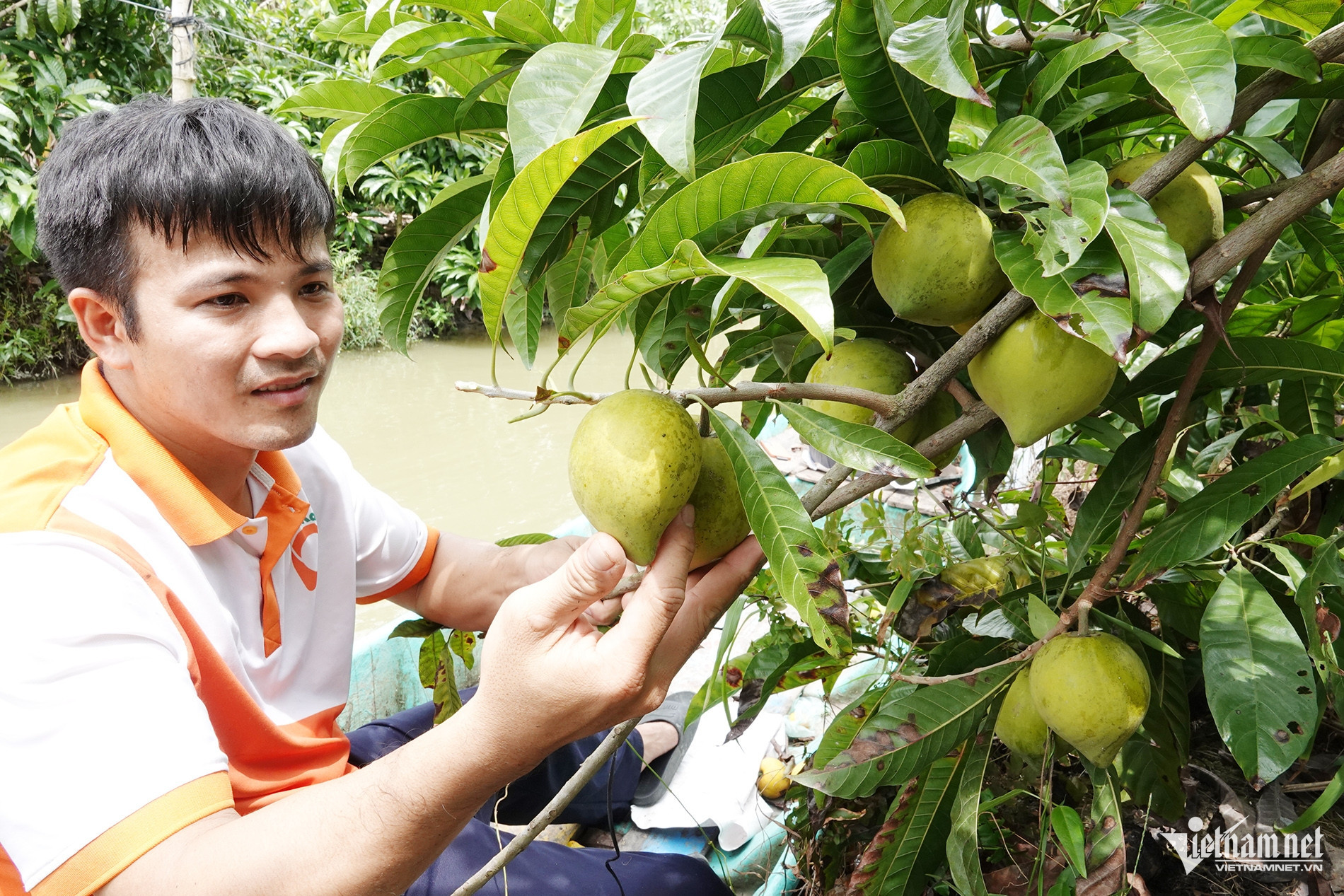
If demand develops steadily, she believes the cultivation area could eventually expand to hundreds of hectares. Her facility currently purchases about five tonnes of lekima each month for processing and fresh-fruit sales.
Dieu’s goal is to establish a supply zone with reliable demand, reducing farmers’ dependence on traders. Because lekima can be harvested in rotation, the facility purchases fruit from individual orchards roughly every seven to 15 days.
The business has not yet signed purchase-guarantee contracts with all participating farmers. Dieu is considering establishing a cooperative that would bring growers together, gradually creating a structured production area with clearer purchasing arrangements.
The facility currently provides regular employment for around seven local workers, mostly women and young graduates. They earn between VND4 million and VND7 million ($150-$265) a month, depending on their position and workload.
For Dieu, creating a dependable market for farmers matters just as much as selling her own products. From the moment she began supplying lekima seedlings to local growers, she knew she was making a long-term commitment to the crop.
“If I bring the trees for people to plant, I have to be responsible for them,” she said. “I have to buy their harvest and see it through.”
There have been difficult periods when weak sales left her exhausted, but she said she has never considered giving up.
Dieu believes there is still a long road ahead. Her ambition is not simply to bring the products to more consumers, but to develop a sufficiently large supply area, build sustainable links with farmers and gradually establish lekima as a signature product of the Mekong Delta.
Speaking to VietNamNet, Le Tan Thien, vice chairman of the Truong Thanh Commune People’s Committee, described Dieu’s lekima processing model as an encouraging direction, particularly because it shows how young people can return to their hometowns and create value from locally available agricultural resources.
Thien said one of the model’s most noteworthy aspects was that it went beyond selling fresh lekima. Investment had been made in deeper processing, packaging and branding, gradually helping the product reach a broader market.
Chewy dried lekima transforms a low-value, highly perishable fresh fruit into a higher-value product that is compact, easy to transport and better suited to supermarket distribution. The business also generates meaningful returns and creates jobs for underemployed local workers, contributing to the local economy.
According to Thien, the dried lekima model has the potential to develop into a signature product of Truong Thanh Commune.
Hoai Thanh
.svg)
