 Vietnamnet.vn

 Podcast



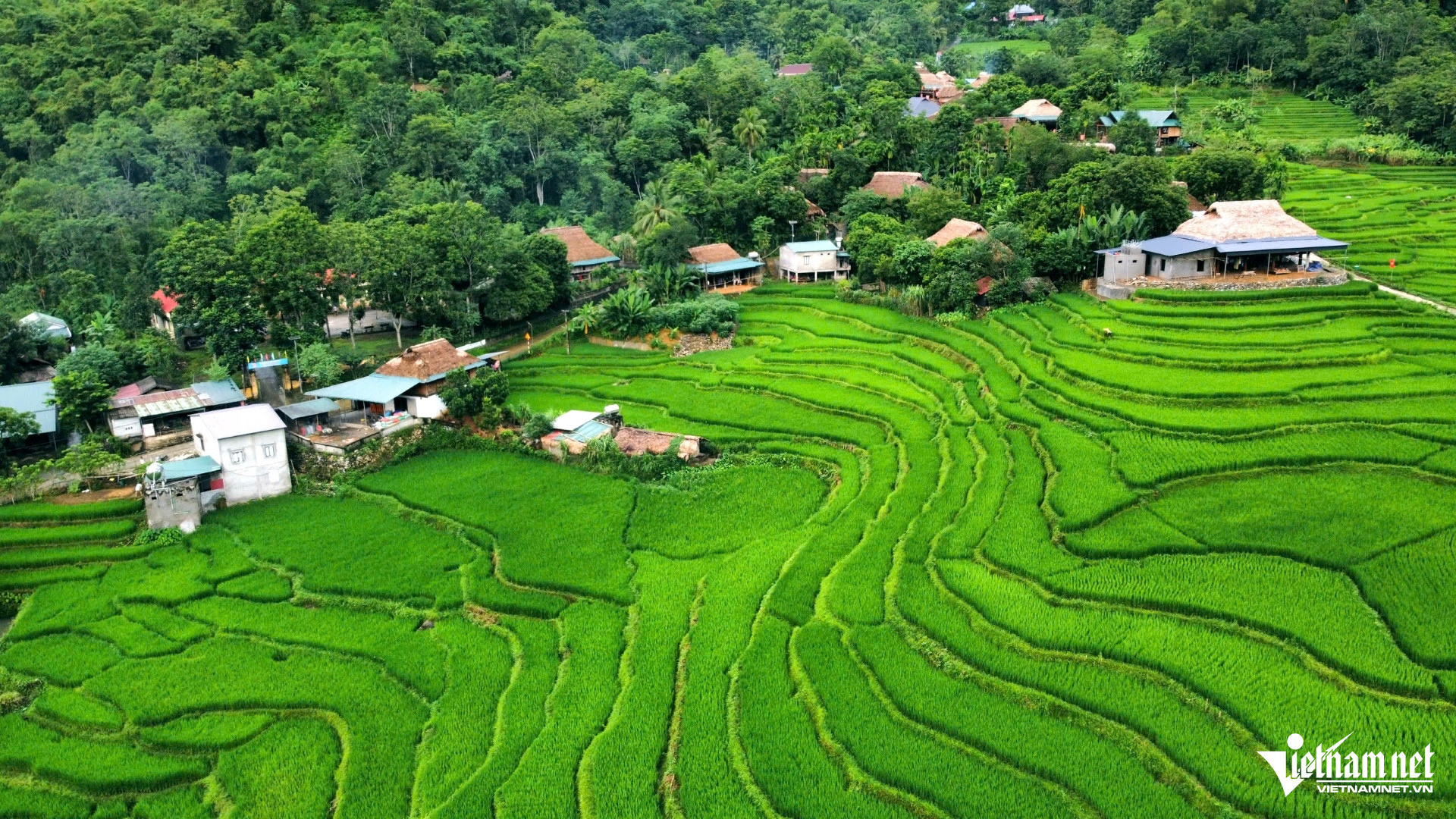
At the foot of Pha Day Lake, around 1,200 meters above sea level, But village in Nam Xuan commune is surrounded by seemingly endless green mountains. Its cool climate, unspoiled scenery and the traditional way of life of its ethnic Thai community are giving this highland destination a distinctive appeal.
Viewed from above, stilt-house roofs nestle beside rice fields against layers of mountains, creating a tranquil picture of rural highland life. Residents have begun converting some of these traditional homes into homestays for visitors, creating livelihoods without having to leave their community.
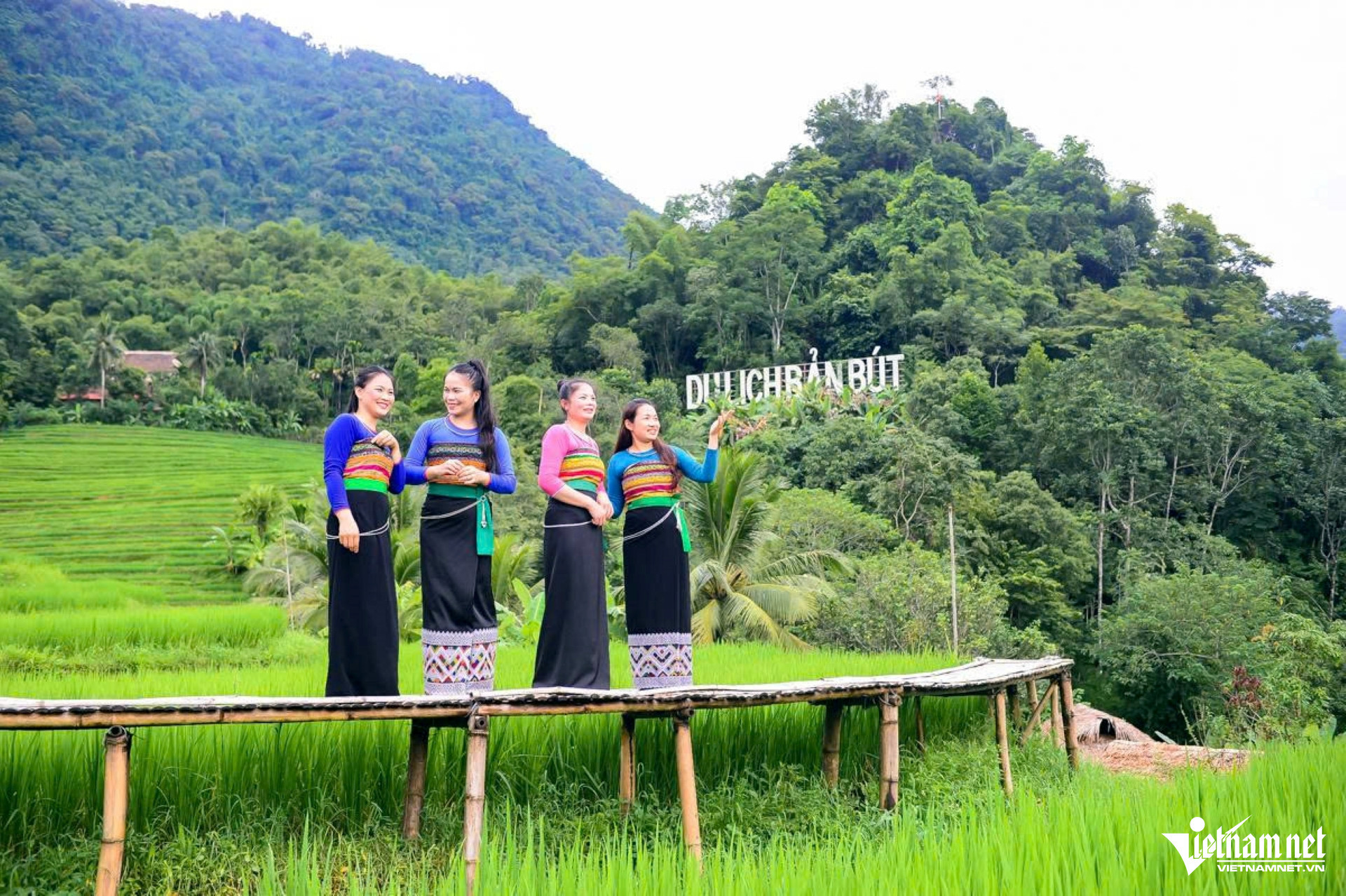
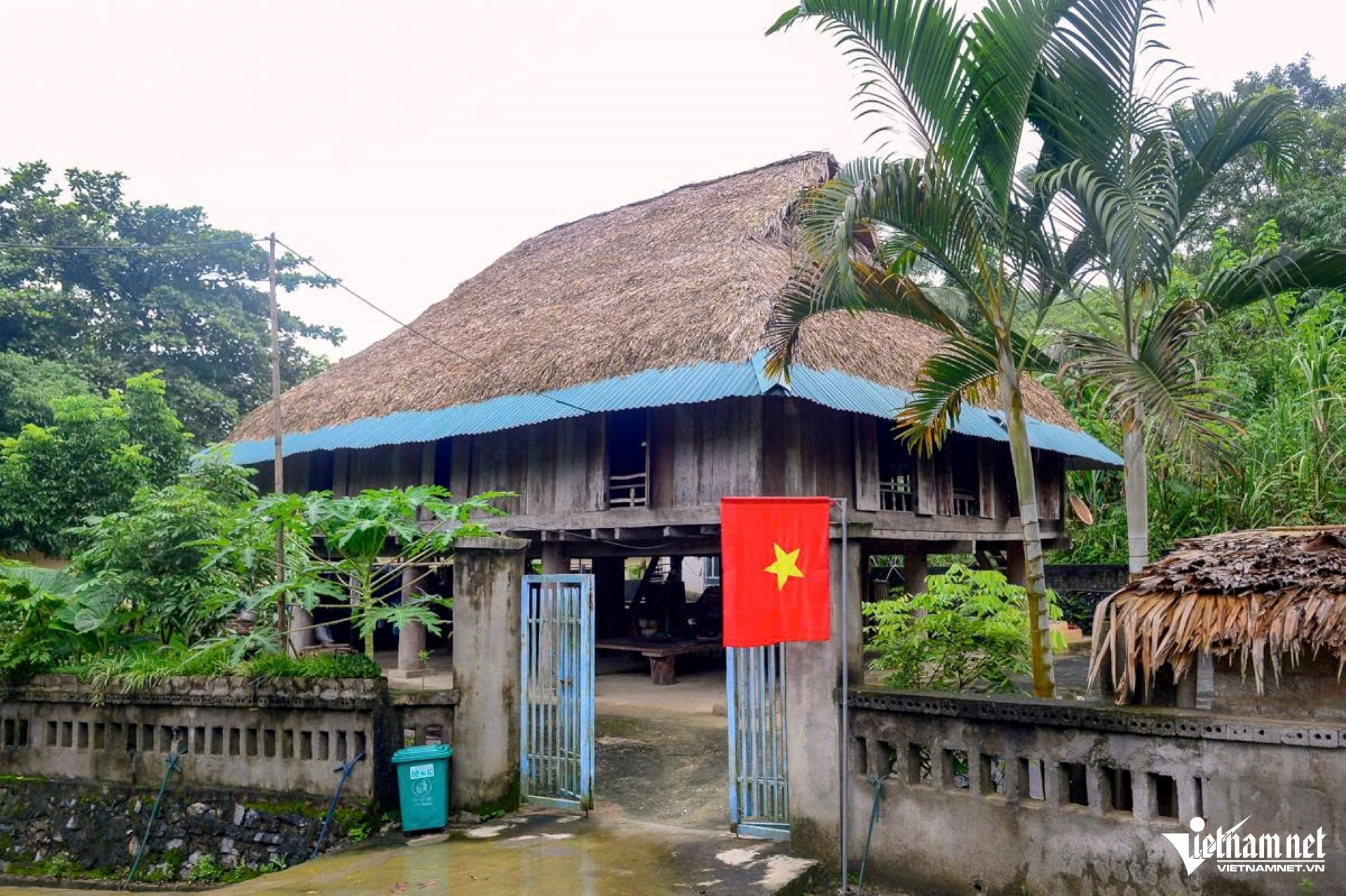
Pham Thi Tuyet, who runs a homestay in the village, said But is home to more than 100 households, all belonging to the Thai ethnic group. After generations of living amid the mountains and forests, residents have retained many of their traditions, particularly wooden stilt houses that are hundreds of years old.
"Visitors come to But village not only for the scenery but also for the chance to experience the cultural life of the Thai people," Tuyet said. "Many wooden stilt houses that are hundreds of years old are still preserved by local families, keeping alive the architecture, way of life and memories of generations."
Alongside the stilt houses, traditional brocade weaving has been maintained and incorporated into visitor experiences, Tuyet said.
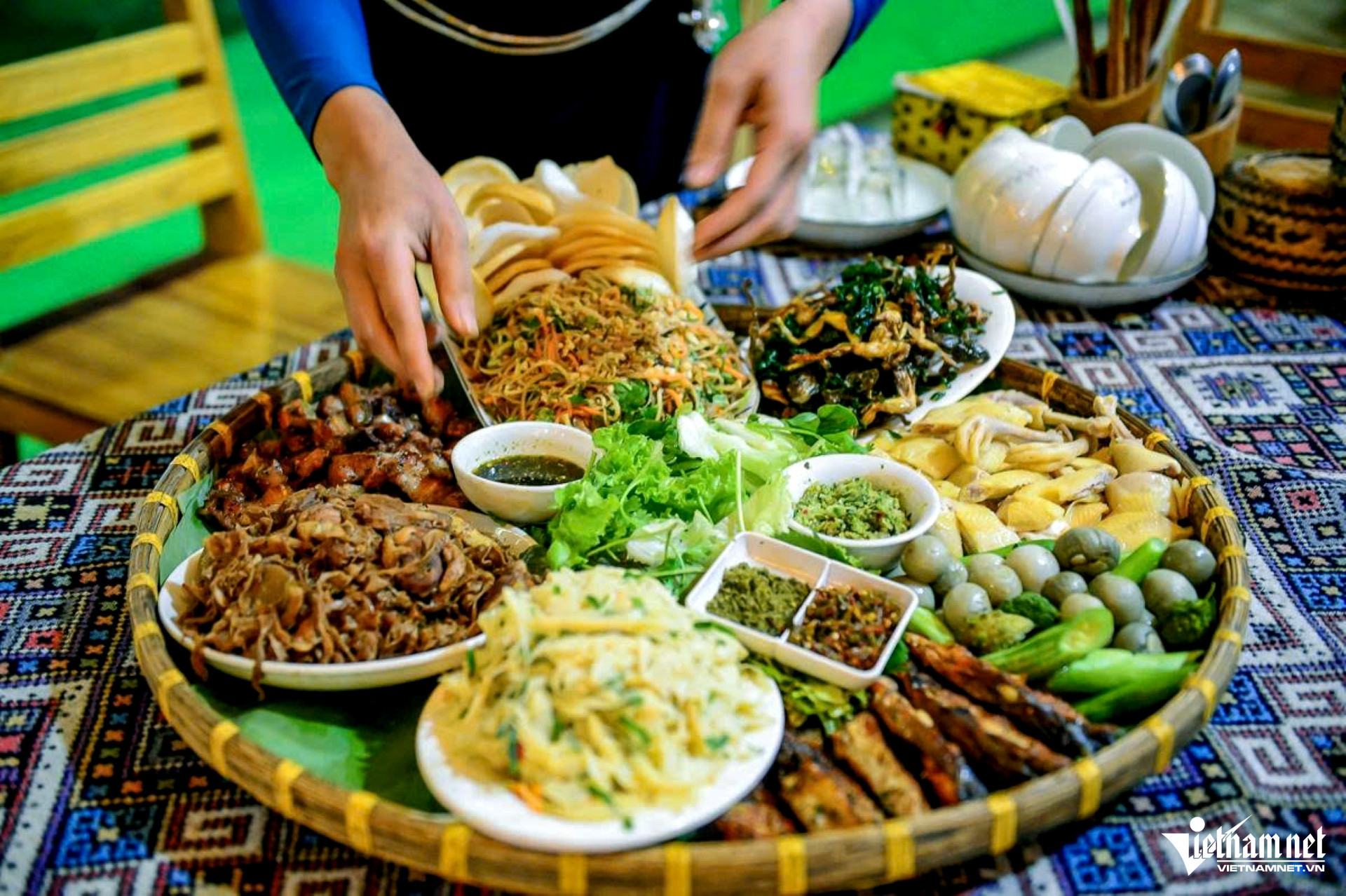
Tourists can learn how traditional handicrafts are made and sample mountain specialties including five-color sticky rice, grilled stream fish, locally raised pork and free-range chicken.
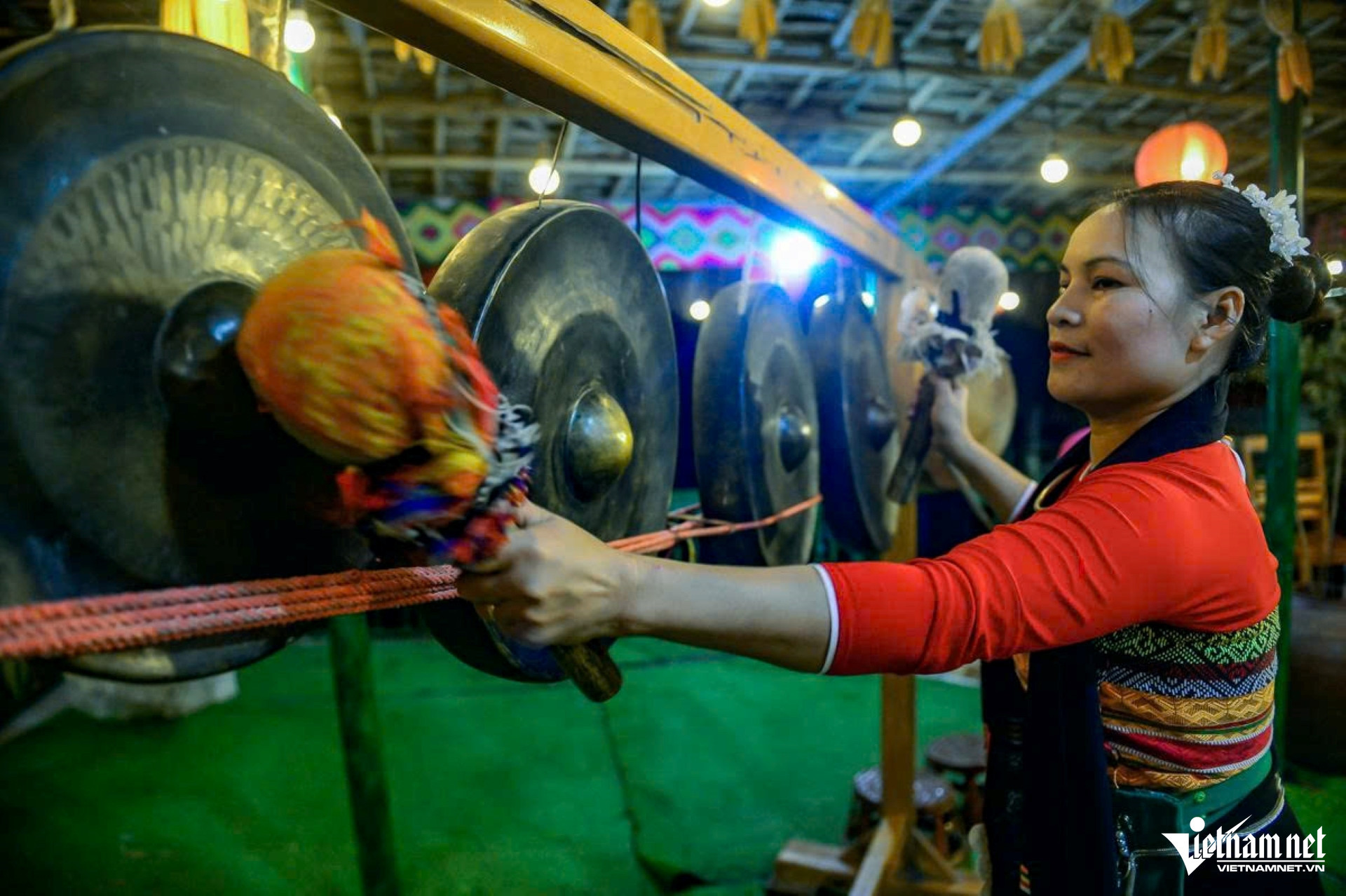
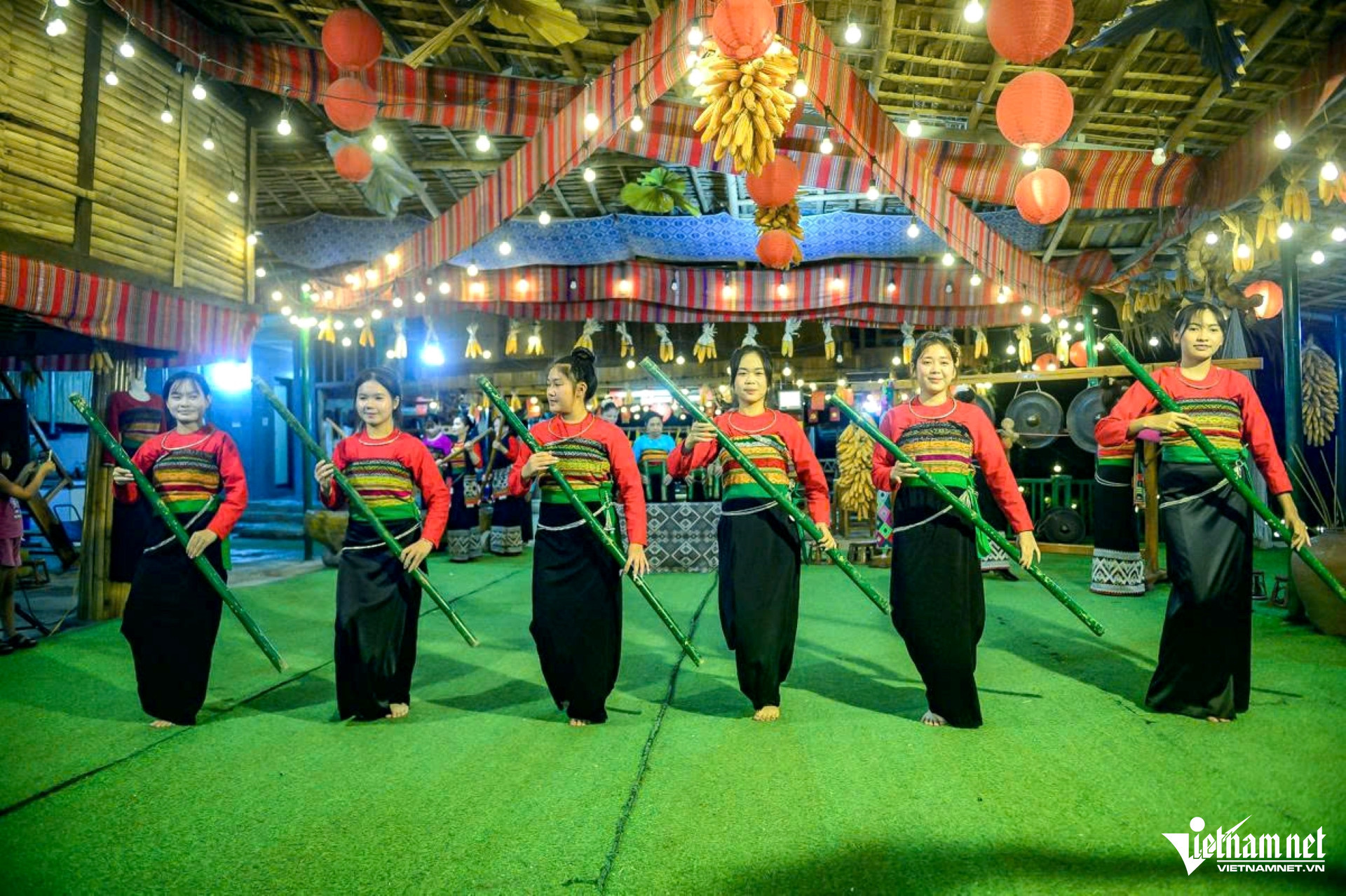
Traditional performances are another highlight of evenings in the village. Visitors can listen to traditional songs and watch dances, while also joining local residents in cultural activities.
As a result, Tuyet's family welcomes around 1,000 visitors a year, including both Vietnamese and international tourists.
Hoang Manh Hung, vice chairman of the Nam Xuan Commune People's Committee, said the locality began selecting traditional stilt houses for conversion into tourist homestays in 2020.
Starting with the first few households to enter the tourism business, the community-based tourism model has gradually expanded.
But village now has five households involved in tourism. The area receives between 10,000 and 15,000 visitors annually for sightseeing, cultural experiences and overnight stays, generating billions of dong in income for local residents.
Beyond providing additional income, community-based tourism has created a new livelihood for people in the highlands.
Stilt houses once used solely as family homes now accommodate travelers, while traditional cuisine, brocade weaving and folk performances have become part of the experiences offered to visitors.
Hung said But residents are gradually creating distinctive tourism products from the things closest to their everyday lives.
As the old stilt houses are not only preserved but also generate income, traditional culture gains another reason to survive and be passed on to future generations.
Le Duong
.svg)
