 Vietnamnet.vn

 Podcast



The city’s Department of Culture, Sports and Tourism recently hosted a consultation workshop to discuss the implementation of its plan to develop Da Nang’s cultural industries through 2030.
According to Associate Professor Dr. Nguyen Thi Thu Phuong from the Vietnam Institute of Culture, Arts, Sports and Tourism, most young urban centers lack historical depth, while older heritage cities often struggle with modern infrastructure. Da Nang, however, now possesses both, thanks to a recent administrative merger.
Following the incorporation of three wards from Hoi An, Da Nang acquired a “heritage zone” rich in tangible and intangible cultural assets that have been preserved across generations. At the same time, the city center boasts strong capacities in digital technology, media, advertising, and hosting international events.
This rare “two-in-one” structure allows Da Nang to build a seamless value chain in cultural industries - unlike any other city in the region.
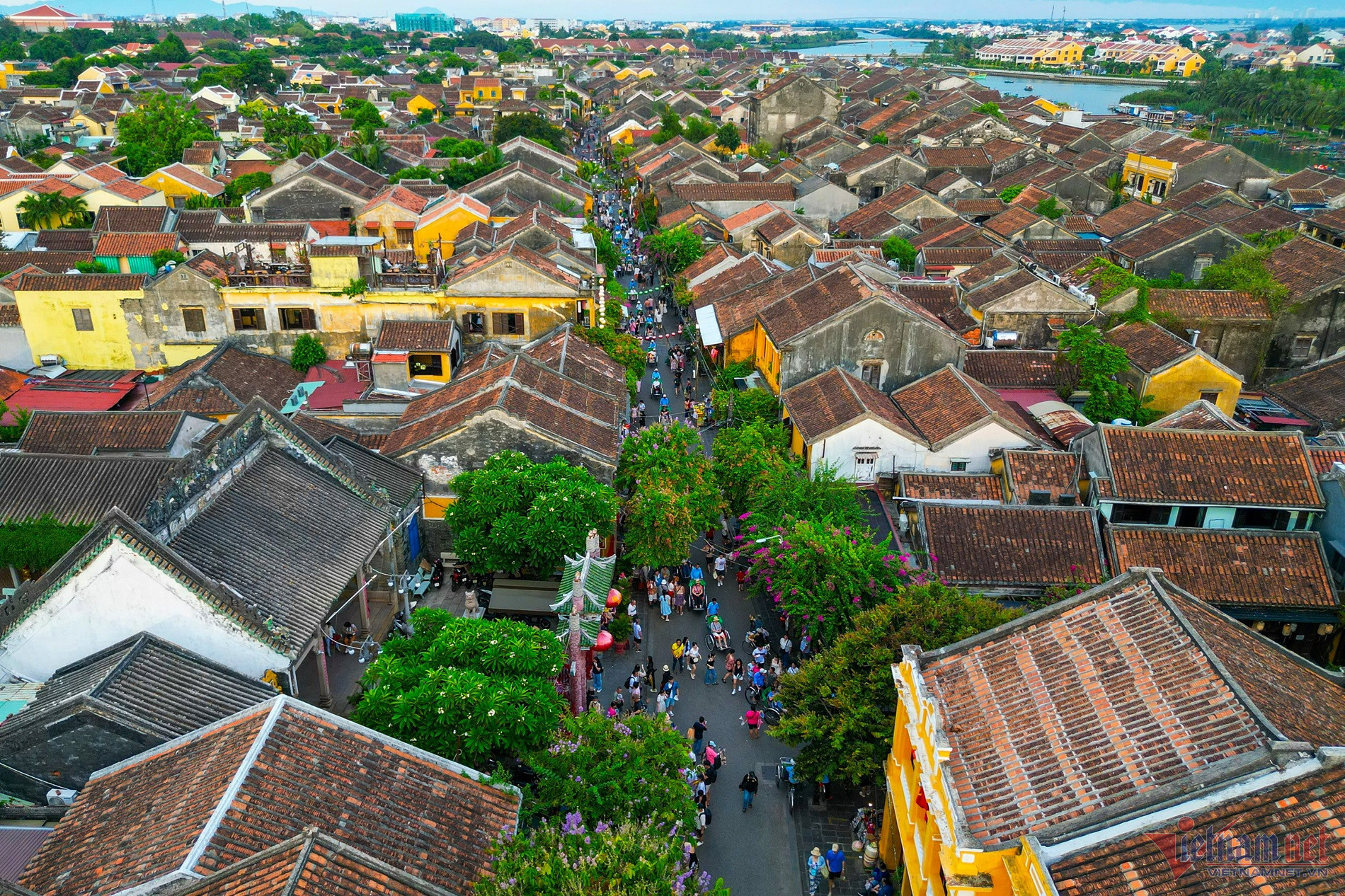
Da Nang owns one of the richest heritage systems in Central Vietnam.
Dr. Phuong proposed three key directions for Da Nang: first, developing a spatial plan for culture and creativity based on three functional centers; second, improving coordination mechanisms between the heritage and innovation zones; and third, investing in a cultural-creative data infrastructure to support digital transformation, personalized tourism, and content production.
From a heritage perspective, Ho Xuan Tinh of the Da Nang Cultural Heritage Association emphasized the city’s abundant assets - from Champa relics and the ancient town of Hoi An to traditional craft villages. However, he noted that exploitation remains fragmented, with limited souvenir development and slow progress in digital transformation.
Tinh recommended establishing an arts street, beachside cultural zones, local-identity gifts, and integrating technologies like VR/AR, historical films, and animated storytelling to elevate visitor experiences and open new markets for Da Nang’s cultural industries.
International perspectives added further dimension.
Professor Kang Hyun-jong, head of the Department of Characters and Animation at Yuhan University (South Korea), proposed transforming a one-kilometer stretch of My Khe beach into the world’s first interactive media art park.
The concept envisions the beach as a massive digital canvas featuring 3D sand art, digital sand paintings, a Champa sculpture garden, wave-mapping shows, light installations, and drone performances that narrate Vietnam’s cultural heritage.
Professor Kang also suggested staging nighttime performances at Marble Mountains, using natural caves and cliffs as a “natural theater.” These could combine traditional martial arts, historical and mythological projections, and interactive animation to deliver immersive storytelling.
She stressed that the success of such a model hinges on three factors: high-quality content, robust collaboration between government, academia, and business, and the integration of AI across the entire creative value chain.
According to Trương Thi Hong Hanh, Director of Da Nang’s Department of Culture, Sports and Tourism, the city is seizing a golden opportunity as Vietnam’s central government begins to institutionalize cultural resources and soft power as national drivers of development.
Da Nang, she said, is well-positioned to become the cultural and artistic hub of the South Central Coast and Central Highlands - and the core of Vietnam’s regional cultural ecosystem.
She highlighted the need to improve policy frameworks, expand creative spaces, and build a unique cultural-creative ecosystem. The city must move beyond fragmented development and embrace a full value chain linking heritage, identity, technology, and innovation.
According to the draft development plan, Da Nang aims to make its cultural industries a major economic sector, contributing over 13% of the city’s GRDP by 2030 - and establishing itself as one of Vietnam’s key national cultural centers.
Ho Giap
.svg)
