 Vietnamnet.vn

 Podcast



Editor's note: Nestled among the rugged mountains of Vietnam's northeastern frontier, Quang Ninh's Dao communities have long been an integral part of the province's social and cultural fabric.
Their story is not defined by dramatic change, but by countless everyday efforts - a woman embroidering traditional patterns on her porch, villagers gathering to discuss building a new road, border patrols alongside frontier guards, or families launching small businesses rooted in local traditions.
Together, these stories illustrate how solidarity has become more than a policy objective. It is a way of life, enabling ethnic communities to preserve their heritage while contributing to local development and safeguarding Vietnam's border regions.
This series, "The Dao People of Quang Ninh – Unity and strength from mountain villages," explores that journey through culture, economic transformation and community life.
Part 1: Embroidery and new roads unite Dao communities in Quang Ninh
Part 2: Keeping Dao culture alive beyond museums in Quang Ninh
Part 3: Dao community in Quang Ninh carves its own path out of poverty
Living in villages nestled among the mountains of Quang Ninh Province, many Dao residents work closely with Vietnam Border Guard officers, combining local knowledge with community leadership to help safeguard the country's border.
Border markers that live among the people
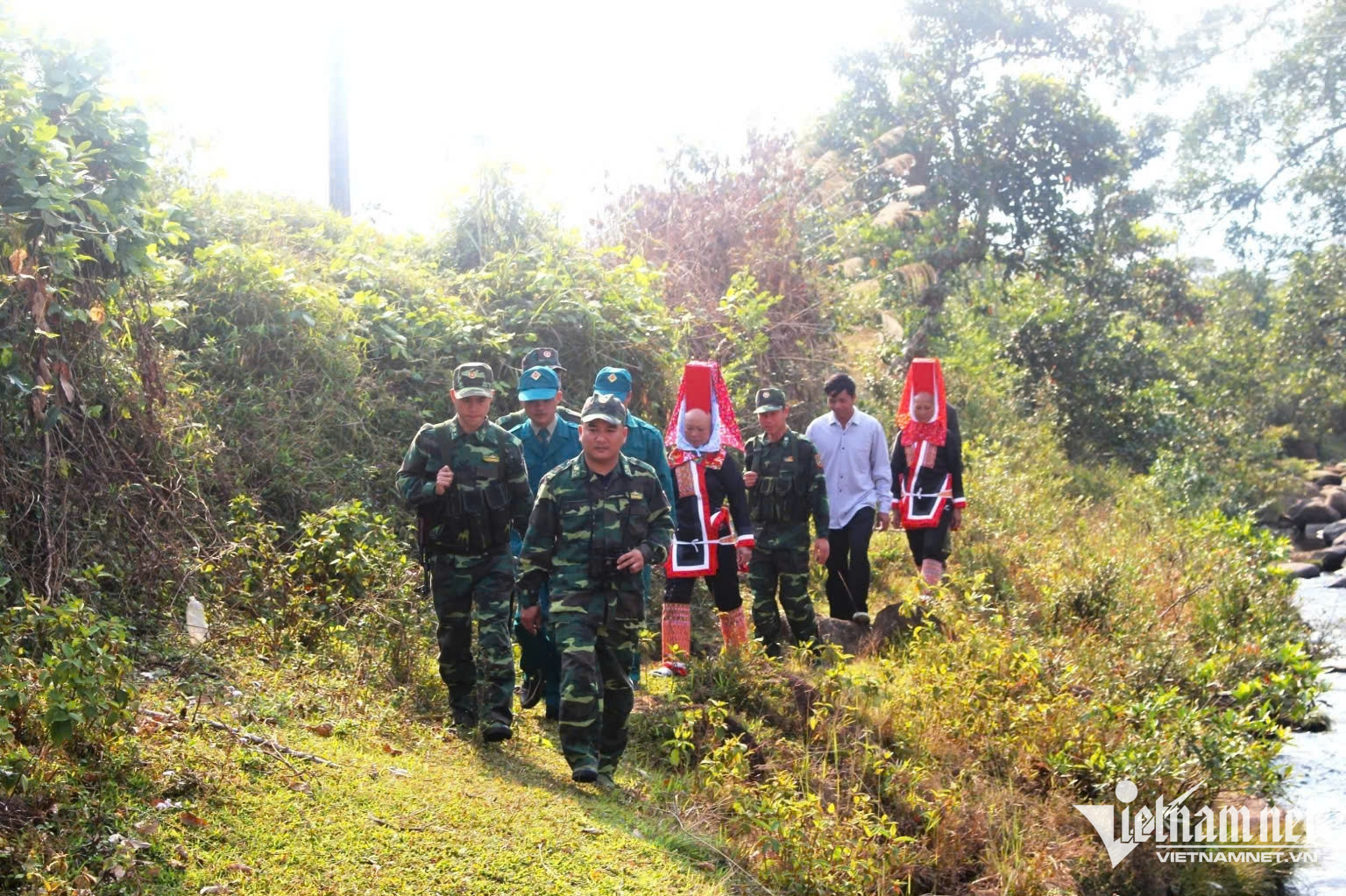
For residents living near the frontier, border markers represent far more than geographical boundaries - they symbolize peace, security and the stability of village life.
Among them is Tang Dau Tinh, a respected community leader from Dong Van Village in Hoanh Mo Commune, who has spent years accompanying Border Guard officers on patrols through mountain trails, streams and dense forests.
According to Tinh, protecting the border has become a shared responsibility because local people understand that secure borders also protect their livelihoods and future generations.
"For people here, it's very simple," he said. "When the border is secure, our villages are secure. That's why everyone is willing to take part in patrols and awareness campaigns."
A community deeply rooted in the frontier
The same spirit extends beyond Dong Van Village.
In border communes such as Hoanh Mo, Binh Lieu and Hai Son, community-based border management groups have operated effectively for many years.
Hai Son Commune, where more than 90% of residents belong to ethnic minority communities, primarily the Dao and San Chi, stretches along more than 34 kilometers of border.
For generations, local residents have viewed the frontier not only as a national defense line but also as the landscape that supports their daily lives.
Community patrol groups regularly work with Border Guard units to inspect boundary markers and report unusual activity.
Their intimate knowledge of mountain paths, streams and forests has become a valuable resource in protecting the border.
Speaking with VietNamNet, Colonel Vu Van Hung, Political Commissar of the Quang Ninh Border Guard Command, said the province's border region is home to 22 ethnic groups with a combined population of more than 813,000.
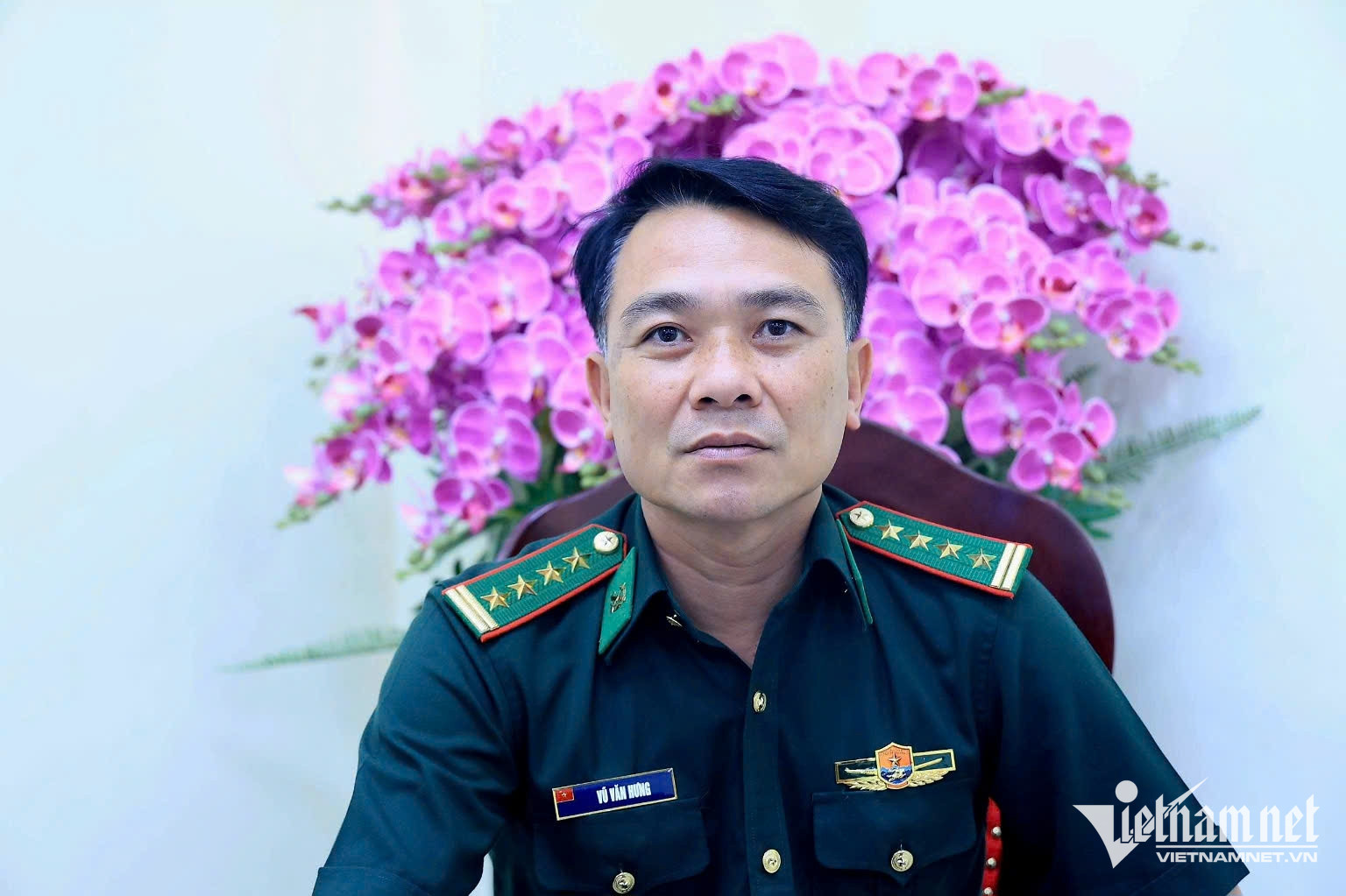
The Dao community alone numbers more than 53,600 people, making it one of the province's largest ethnic minority populations and a key presence in strategically important border areas.
According to Colonel Hung, the Dao are not only long-term residents of the frontier but also serve as "living border markers" who strengthen Vietnam's people-based border defense system.
Over the years, the community has actively cooperated with Border Guard forces in protecting border markers, maintaining public security and supporting nationwide efforts to safeguard territorial sovereignty.
He added that many village elders and respected community leaders have become important links between local authorities, Border Guard units and residents, helping promote legal awareness while encouraging communities to prevent illegal border crossings, smuggling and other cross-border crimes.
Protecting forests and strengthening communities
Beyond border patrols, Dao communities also help protect upstream forests, which serve both as a source of livelihood and as an ecological buffer for the frontier.
Many villages have established their own community regulations governing forest protection, with residents organizing patrols, preventing forest fires, stopping illegal logging and safeguarding water resources.
Across the border forests, the footprints of local residents and Border Guard officers often follow the same trails.
For Dao communities, protecting forests has become as much a civic responsibility as protecting the national boundary.
Tinh has also spent many years serving as both village chief and Communist Party branch secretary, often mediating disputes among local households.
Drawing on his understanding of traditional customs and the trust he has earned within the community, he works with village elders to resolve disagreements before they escalate.
Maintaining unity within the village, he said, is just as important as protecting border markers because lasting security begins with strong communities.
"The stability of local communities, economic development and close cooperation between civilians and Border Guard forces provide the foundation for a peaceful, friendly and prosperous border region," Tinh said.
Building unity from the grassroots

Although living standards in Quang Ninh's border communities have improved in recent years, challenges remain, including child marriage in some areas and the risk of crime and social problems.
In this context, respected community leaders continue to play an important role in connecting local people with Party organizations and government authorities.
According to Vu Quang Truc, Vice Chairman of the Vietnam Fatherland Front Committee of Quang Ninh Province, the organization will continue strengthening national solidarity at the community level while monitoring the implementation of policies supporting ethnic minority, mountainous and border regions.
He said that as Quang Ninh works toward its long-term development goals, the province will continue investing in border communities so that local people both benefit from economic growth and actively contribute to protecting and developing their homeland.
Across the mountains of Quang Ninh, national unity is reflected not in slogans but in everyday actions - from border patrols and forest conservation to village mediation and the quiet work of respected elders and Border Guard officers.
From homes at the foot of the mountains to forests along Vietnam's northeastern frontier, the Dao community continues to play an important role in building a secure and sustainable future for the province.
My Dung
.svg)
